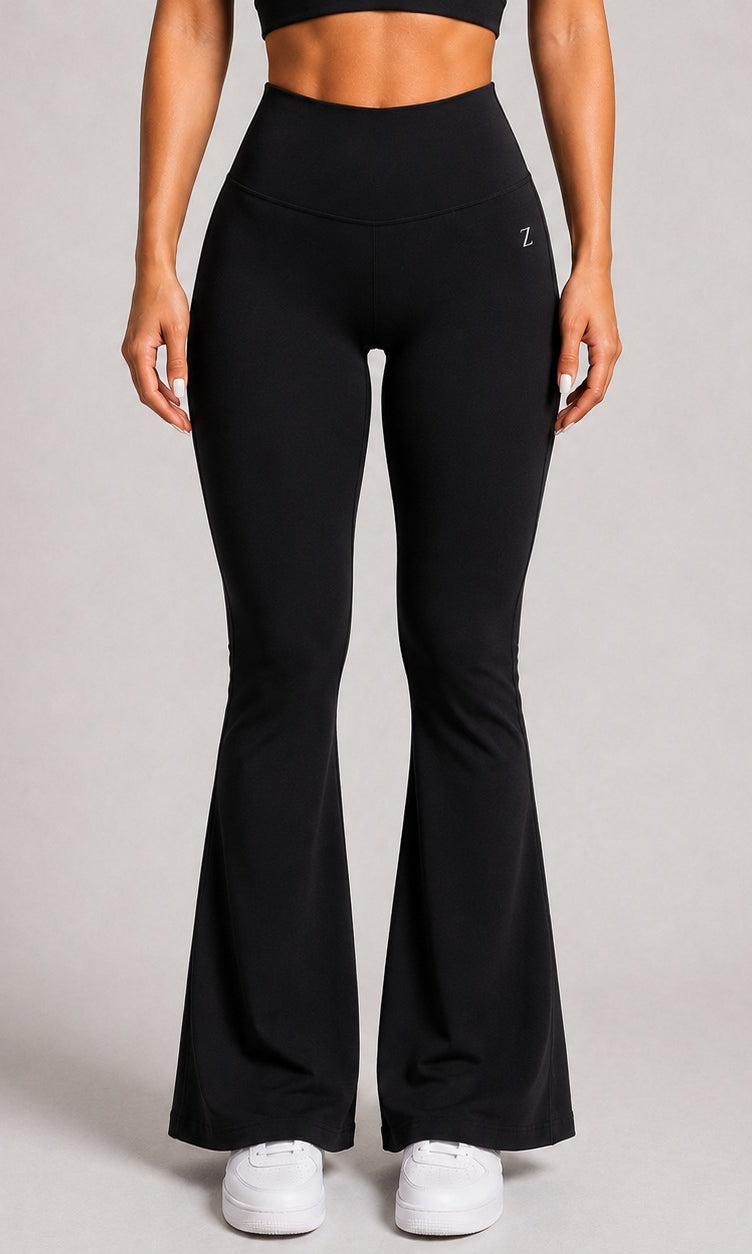
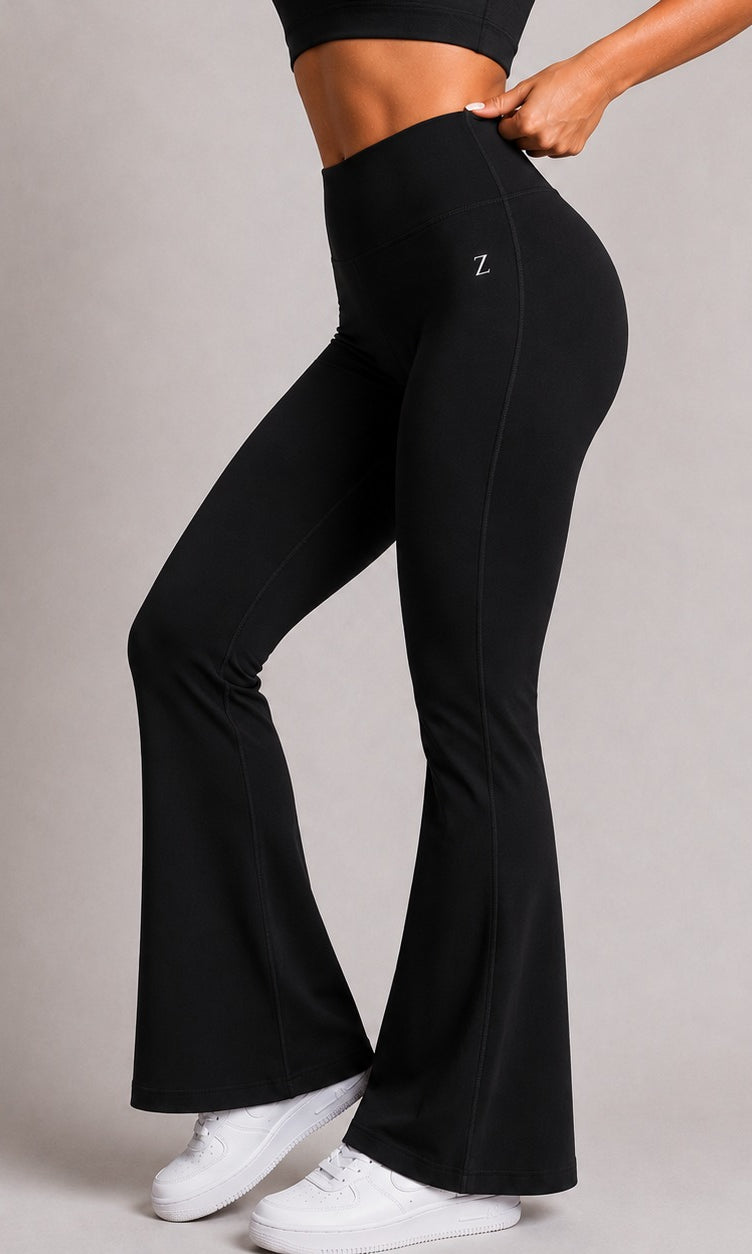
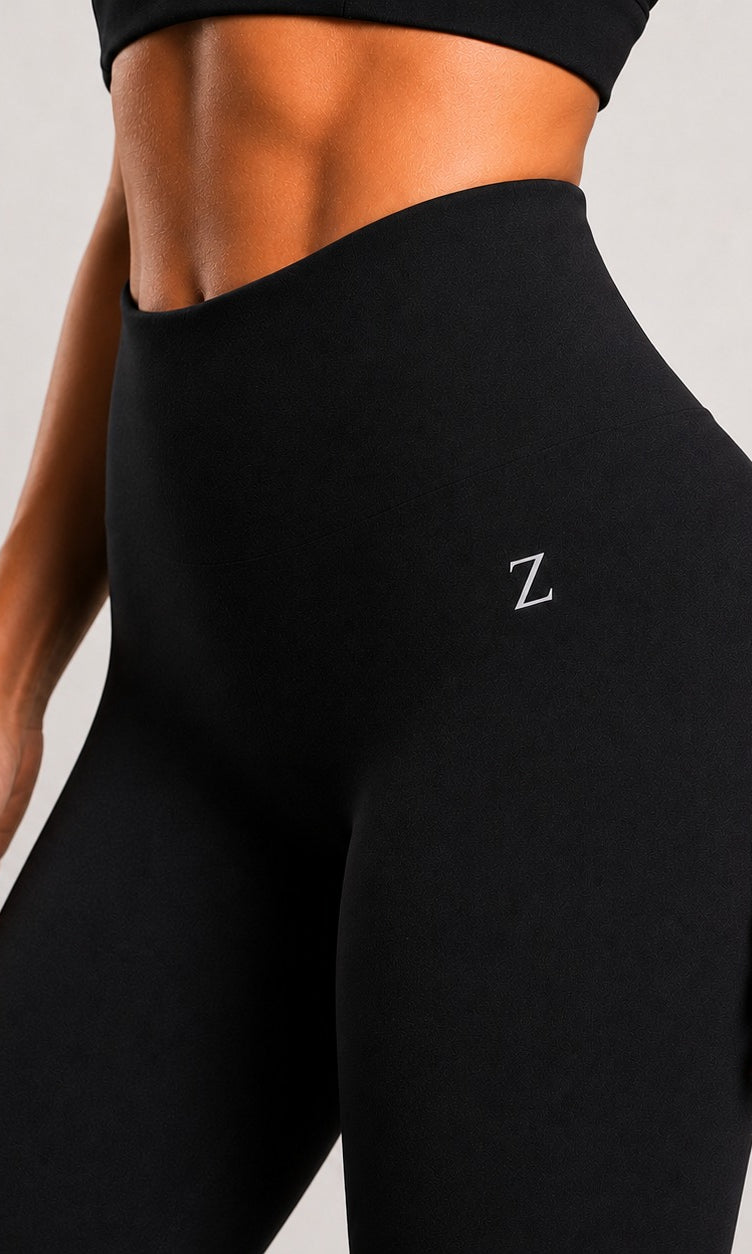
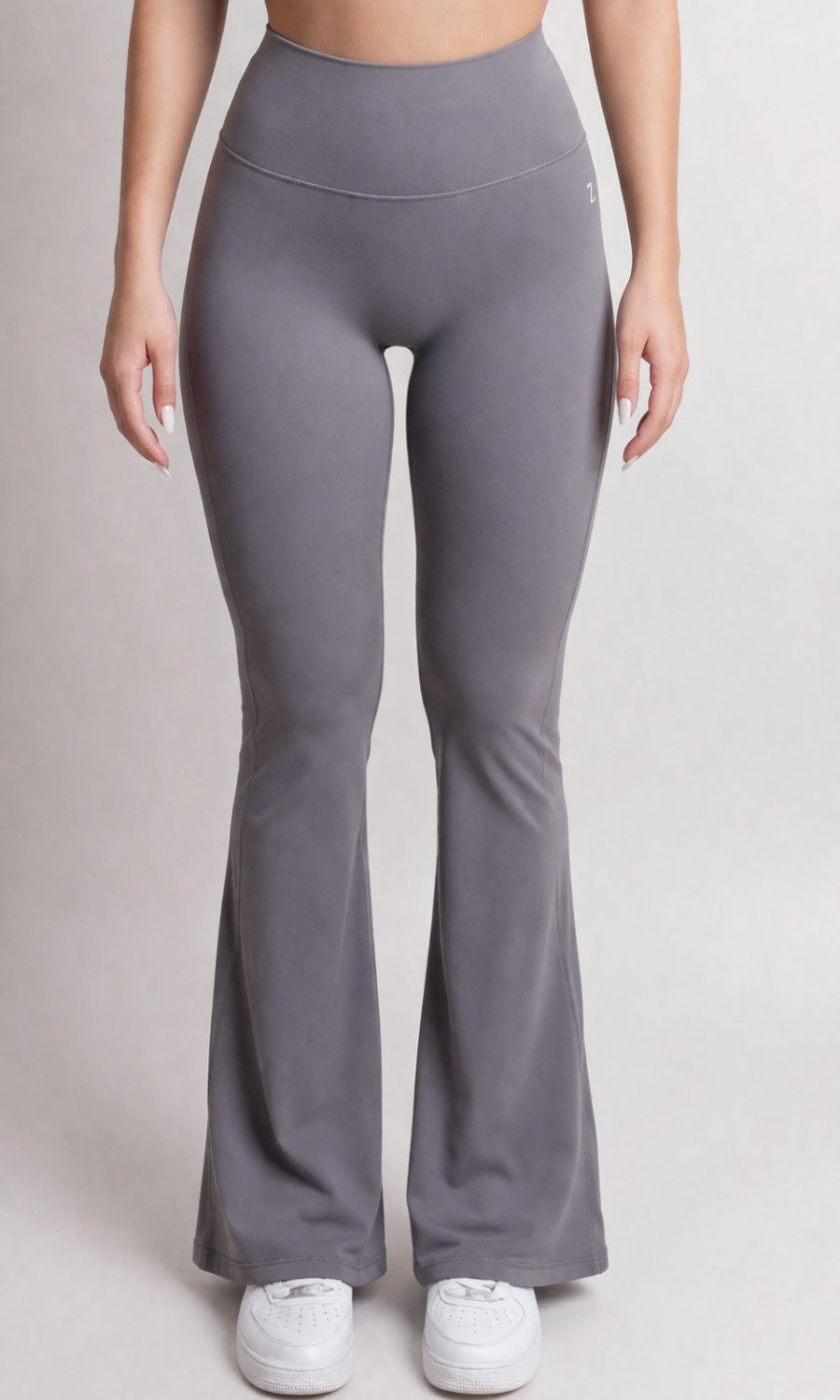
 26%
26%
 38%
38%

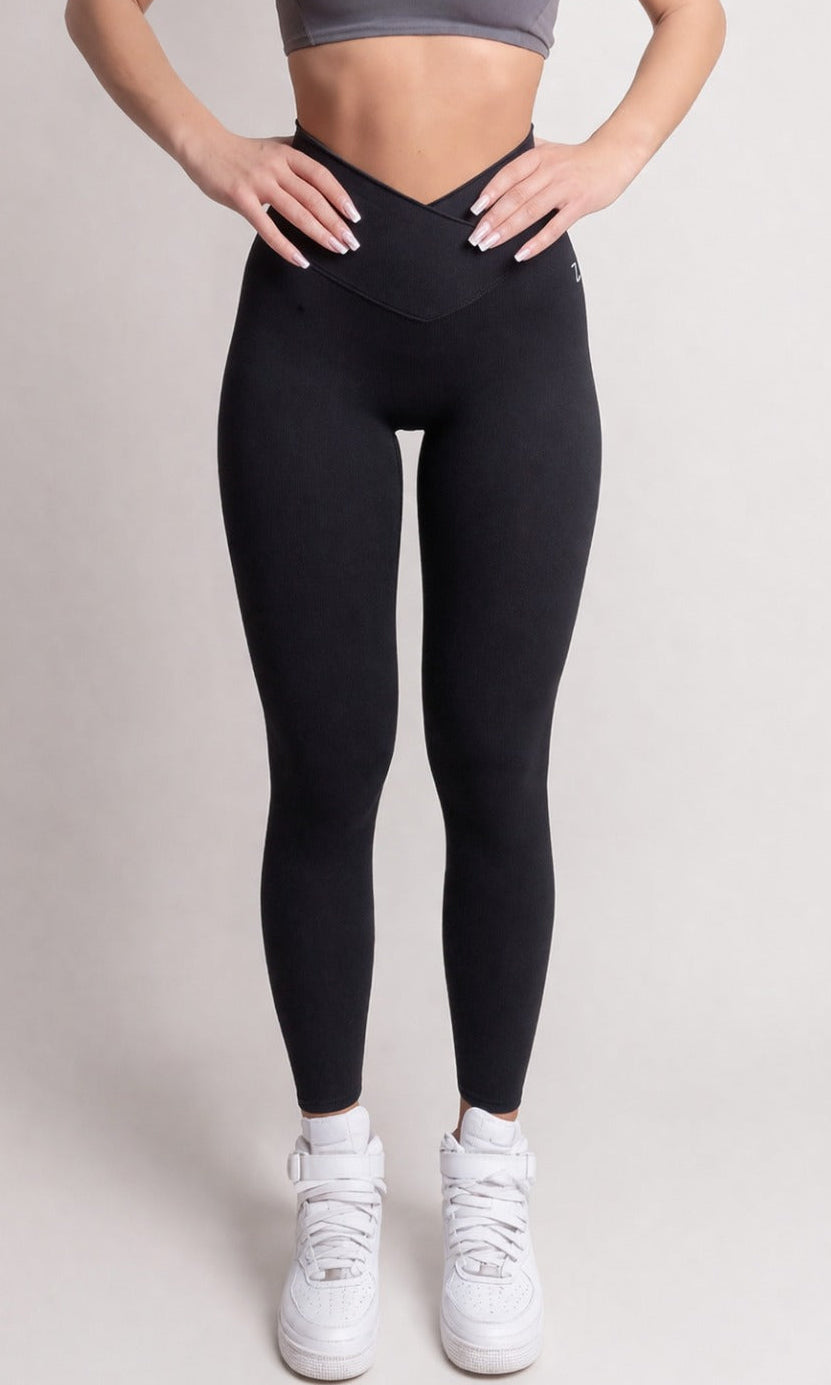
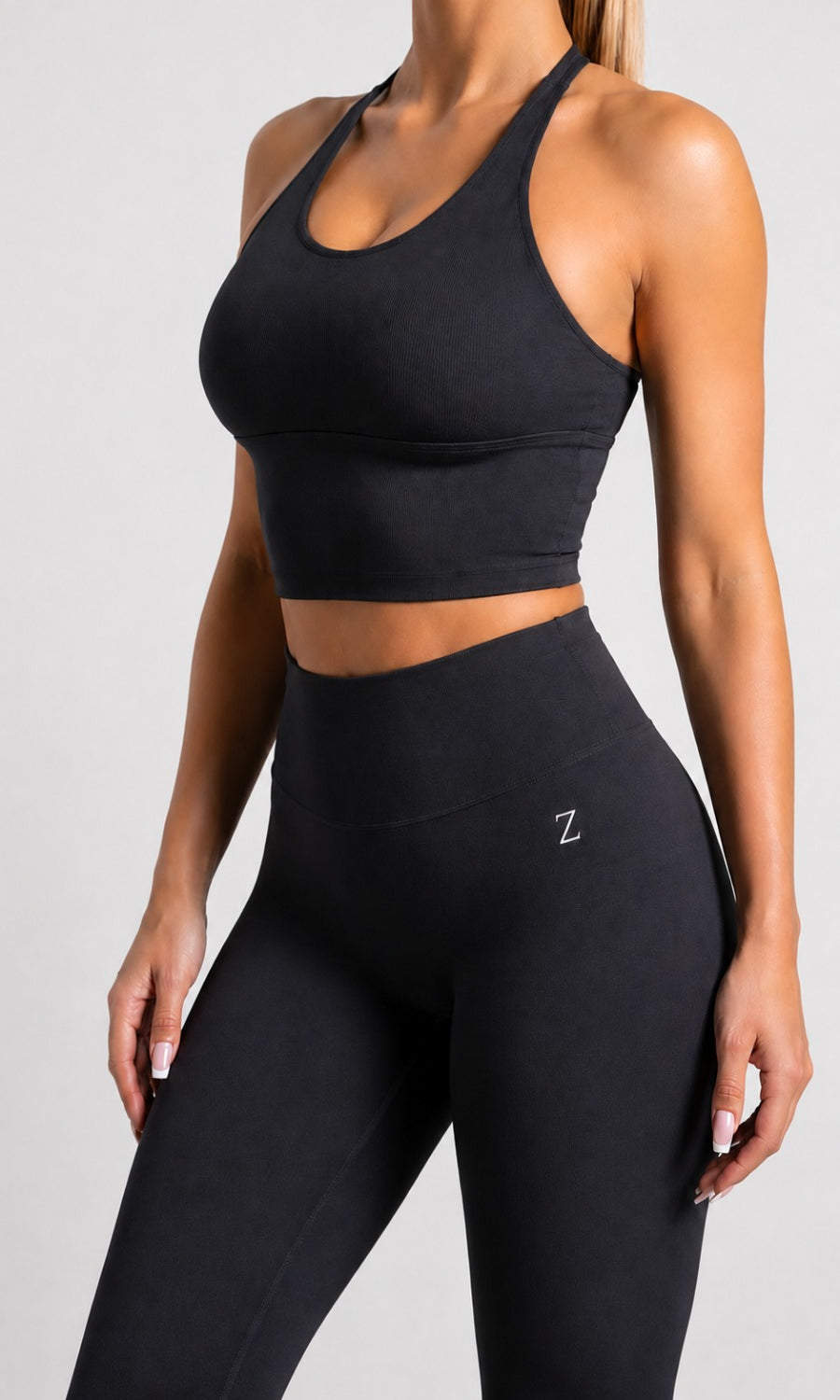
Scrunch tights and yoga tights are not true opposites. Scrunch describes how the back of the leggings is constructed, while yoga tights describe a use case: leggings intended to stay comfortable and stable through stretching, folding, seated positions and controlled movement.
That distinction matters. A pair of tights can have a scrunch construction and still work well for yoga. A pair sold as yoga tights can also work for strength training. The better choice depends on the complete garment: not the category label alone.
Short answer: choose scrunch tights when you specifically want more definition through the back construction. Choose yoga tights when your priority is smooth comfort and unrestricted movement through yoga, Pilates and mobility work. If you do both, focus on fabric stretch and recovery, waistband stability, coverage, seam comfort and correct sizing.
Scrunch Tights vs Yoga Tights at a Glance
| What matters | Scrunch tights | Yoga tights |
|---|---|---|
| Main idea | A shaped centre-back construction that creates more visible definition | A use category focused on comfortable, controlled movement |
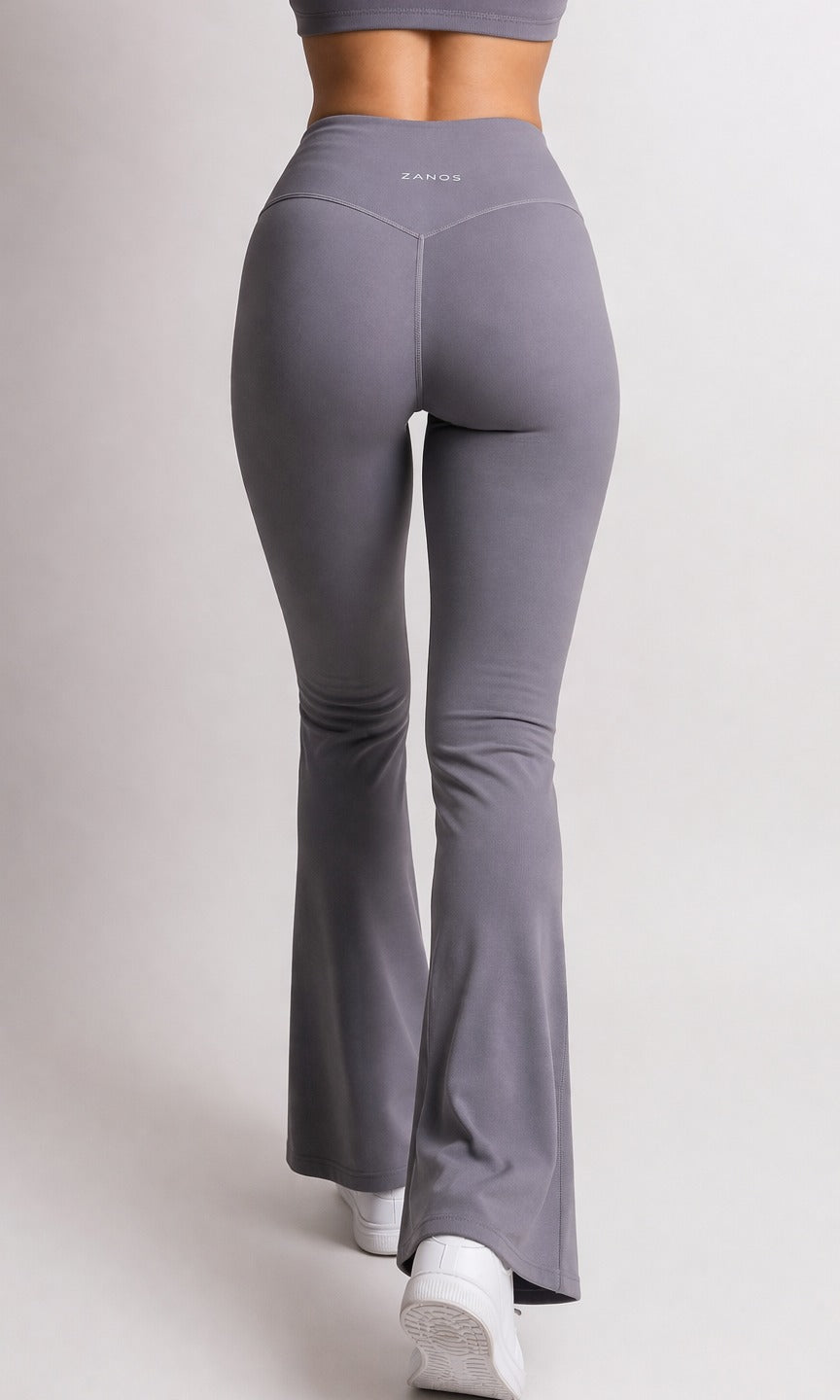
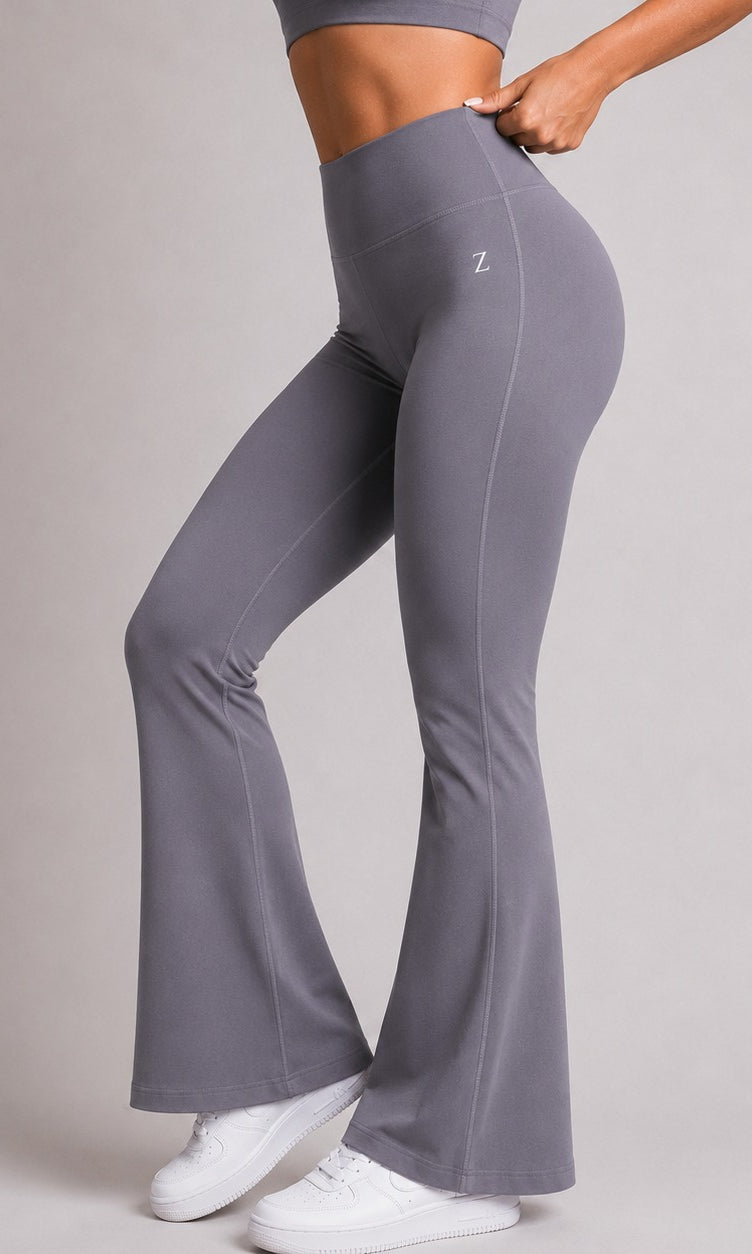
| Back construction | Gathered, tensioned, shaped or hidden scrunch | Usually smoother and less pronounced, although designs vary |
| Typical use | Gym, strength training and everyday activewear | Yoga, Pilates, mobility, lighter training and everyday wear |
| Best for yoga? | Can be, if the scrunch stays comfortable through deep movement | Usually the more straightforward starting point |
| Best for strength training? | Often chosen for gym use, especially when back definition is preferred | Can work well when support, coverage and stability are sufficient |
| Squat proof by definition? | No | No |
| Can one pair do both? | Yes. Construction and performance matter more than the category name. | |
The Key Difference: One Describes Construction, the Other Describes Use
This is the most important point in the entire comparison.
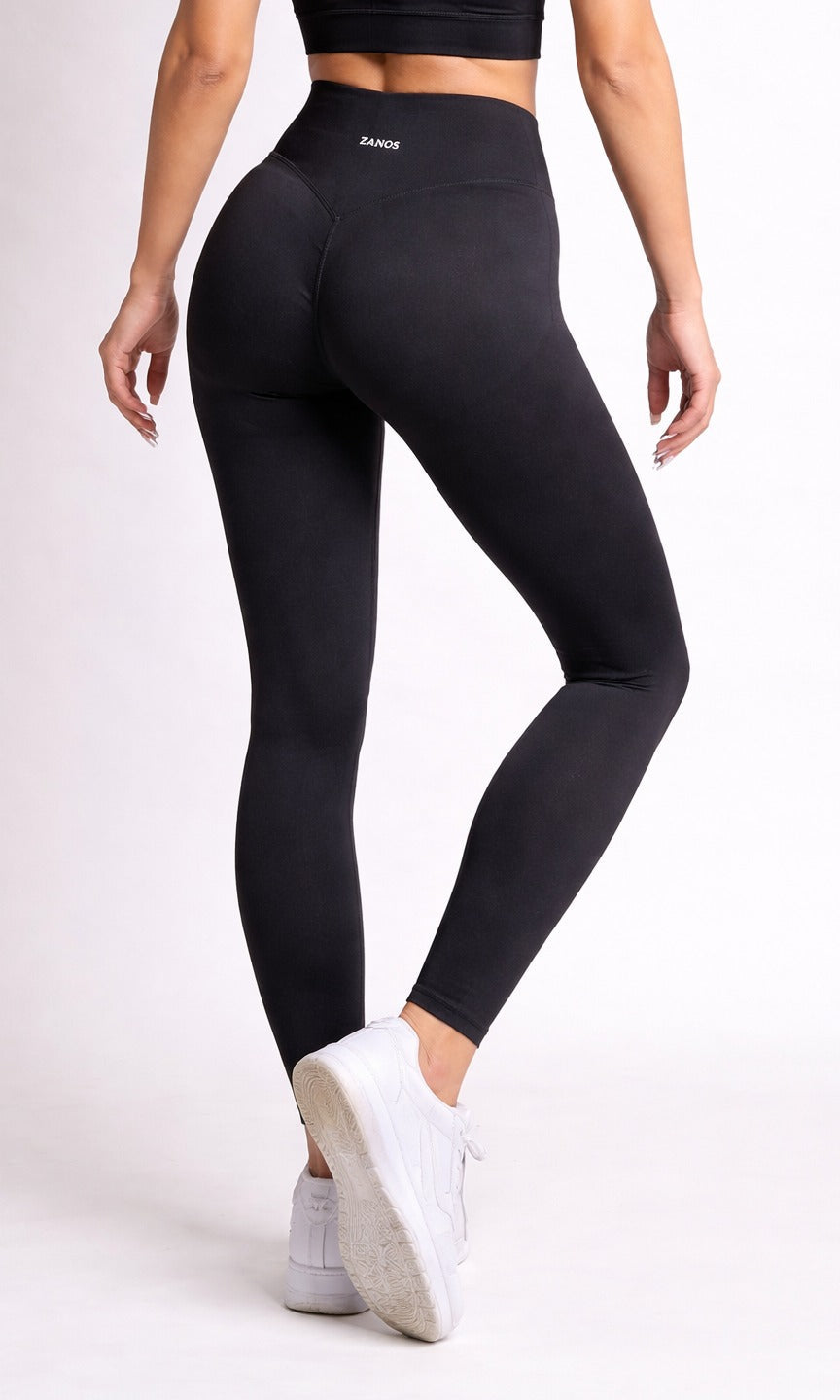
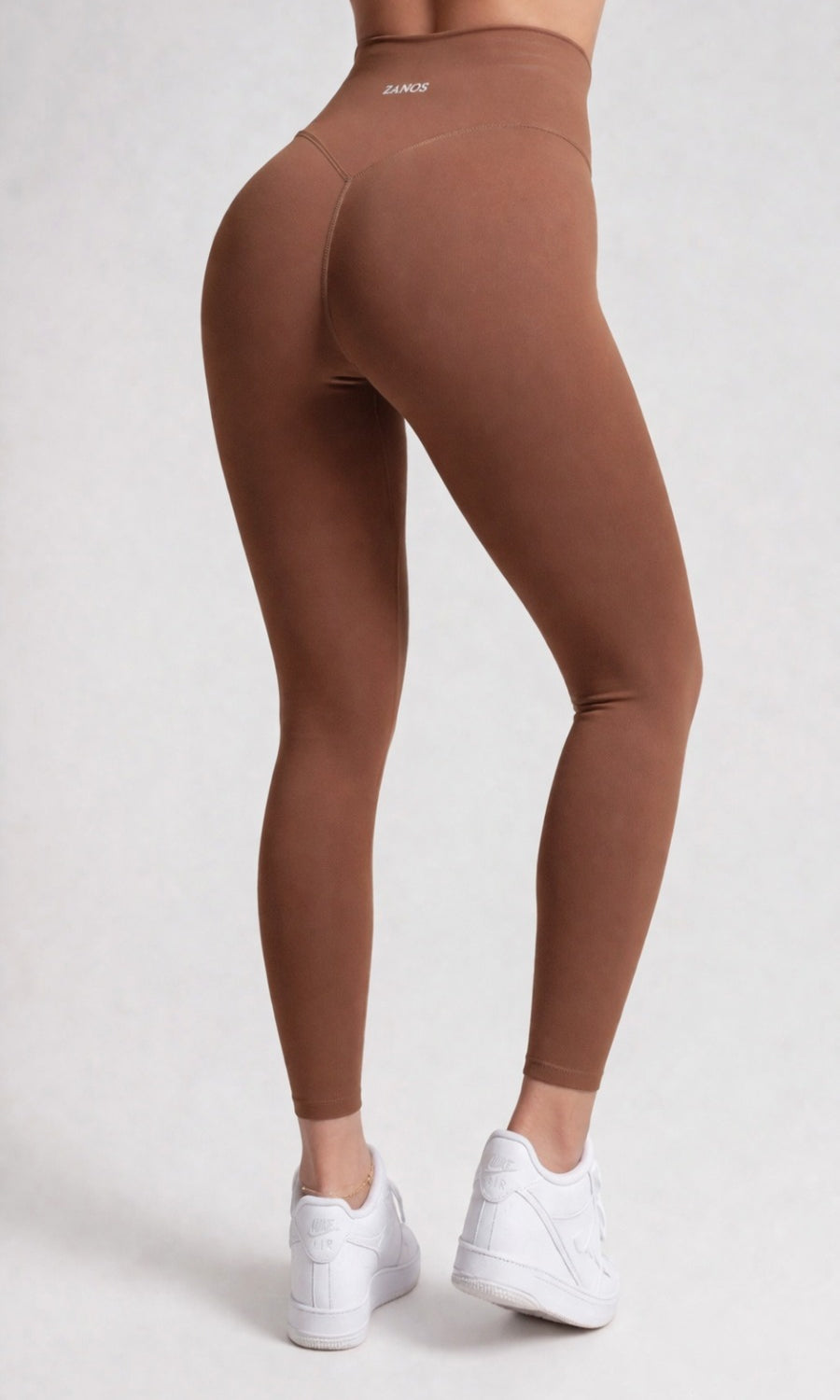
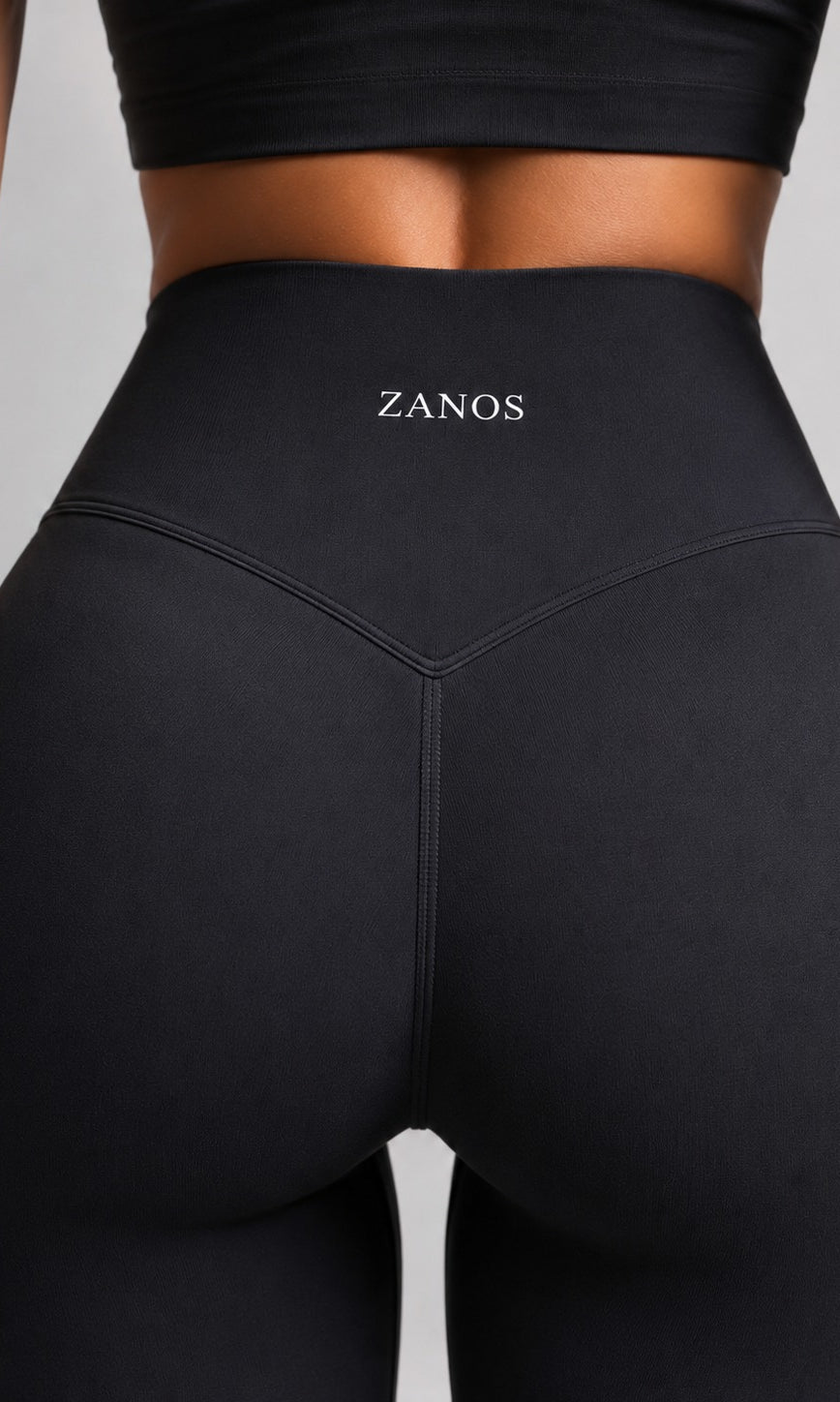
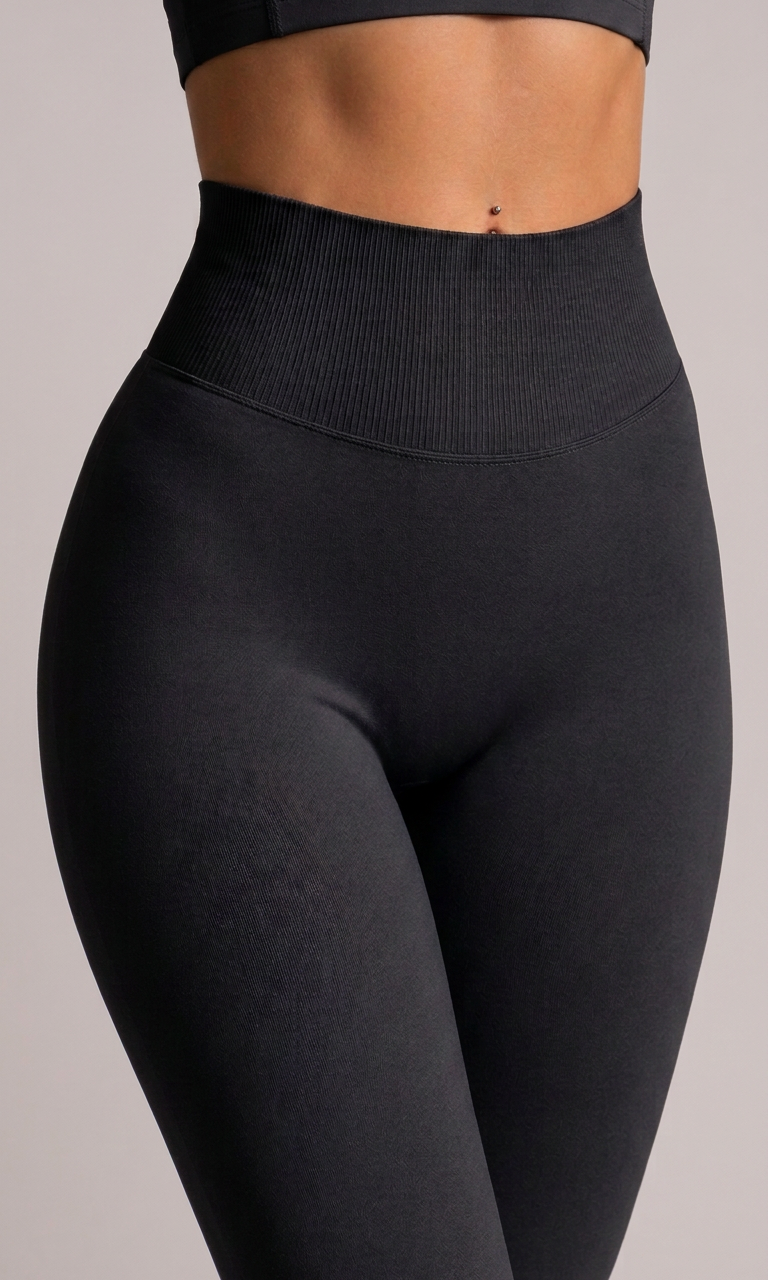
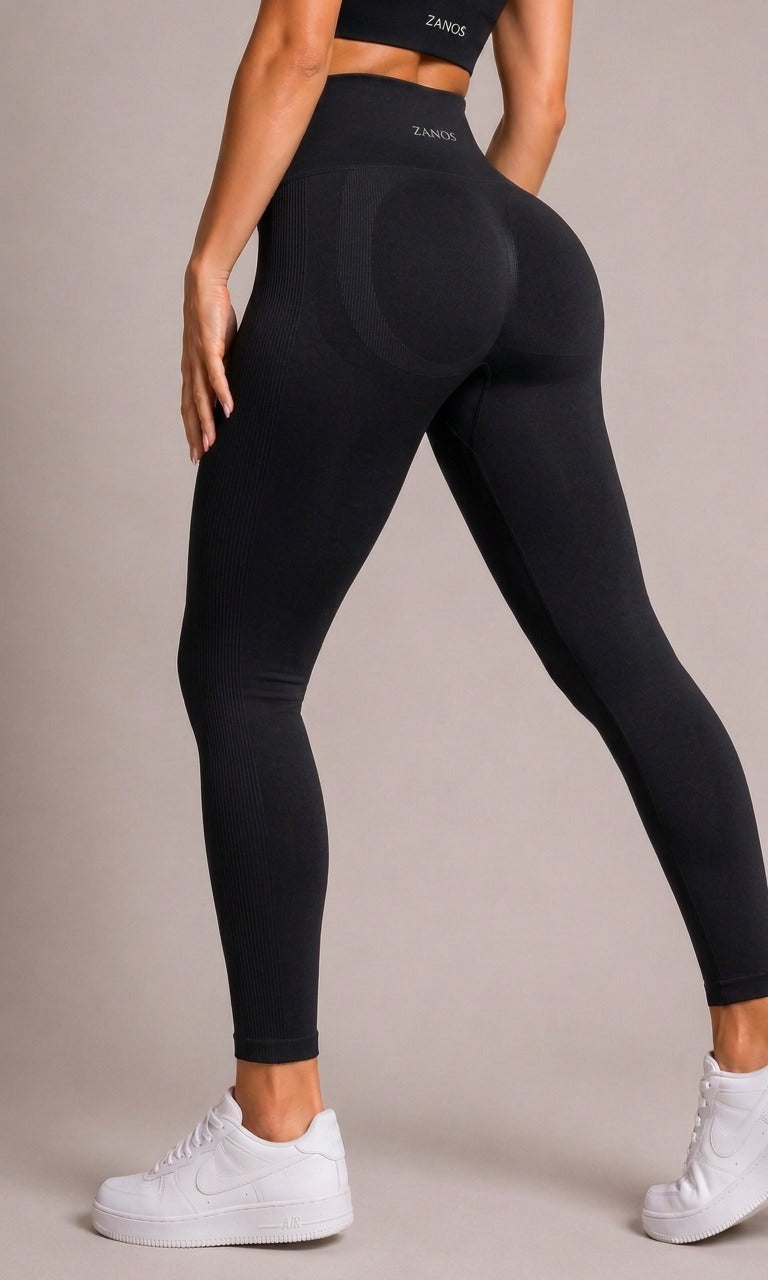
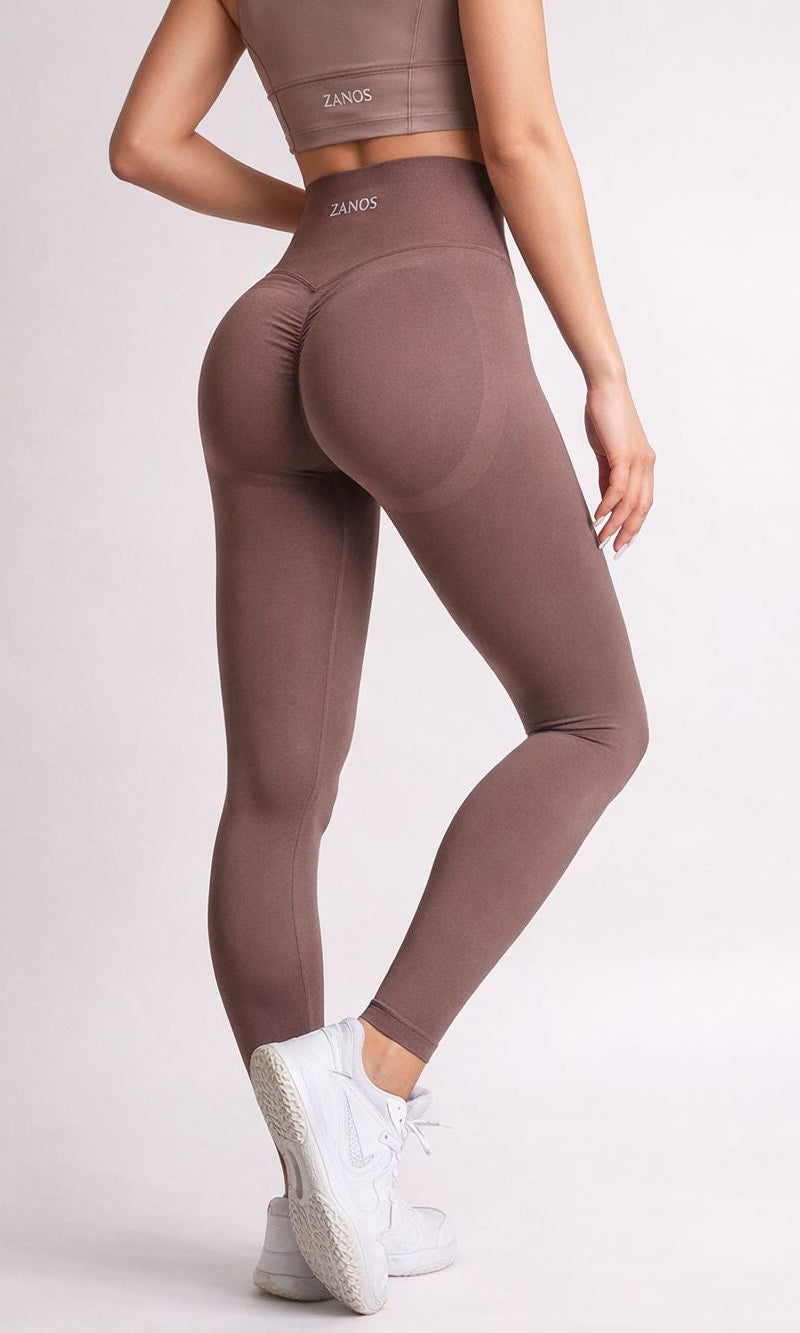
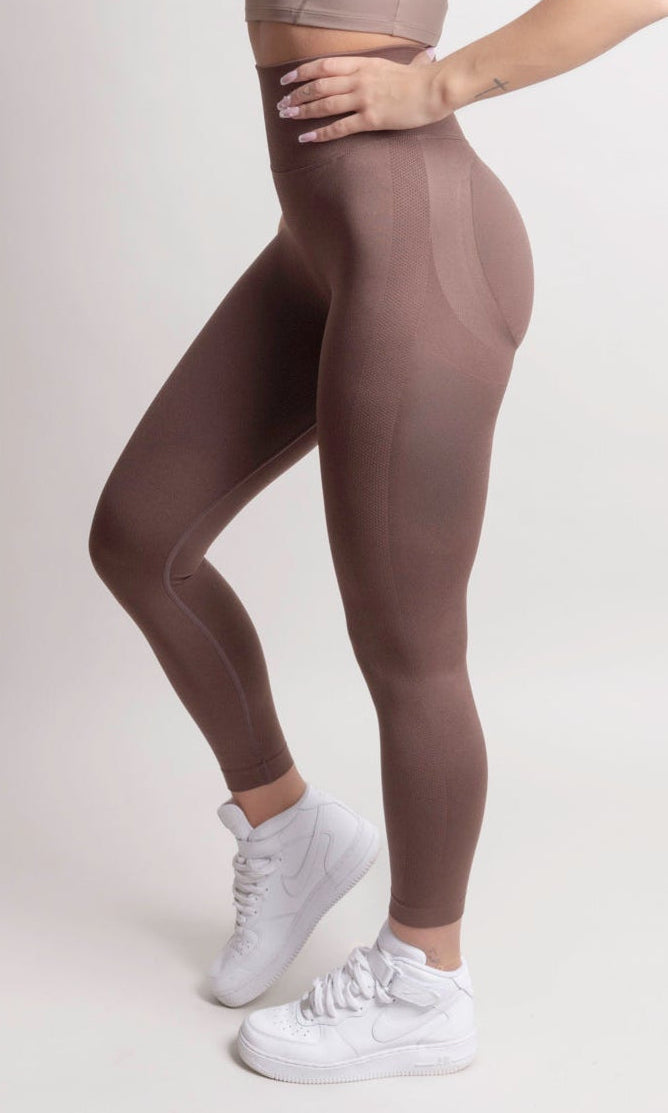
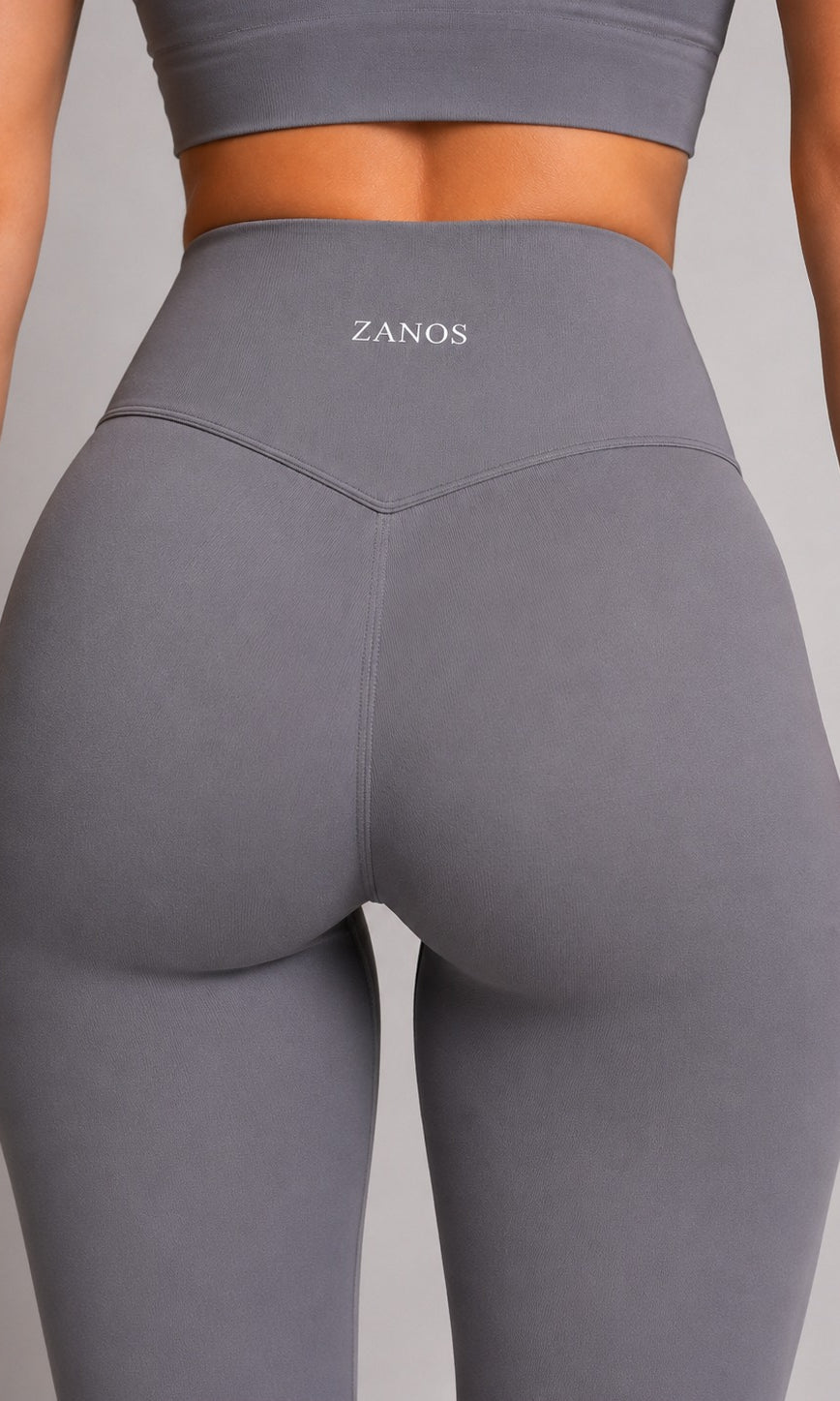
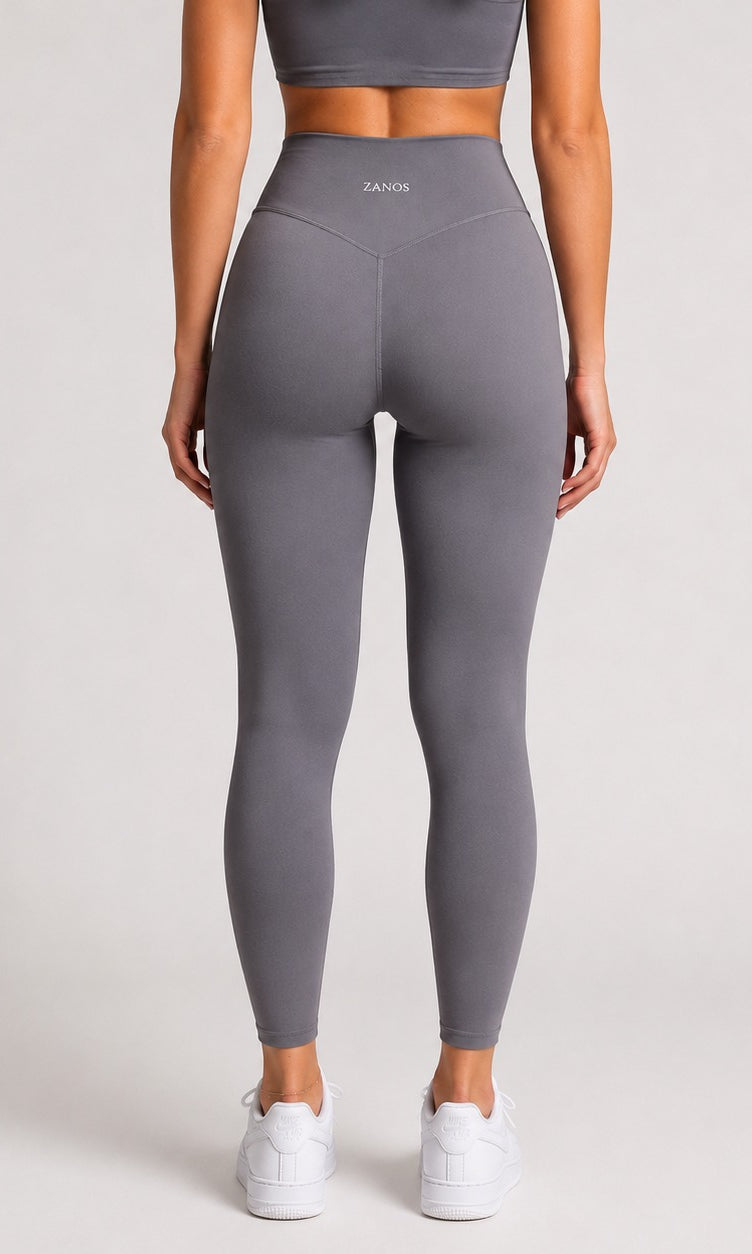
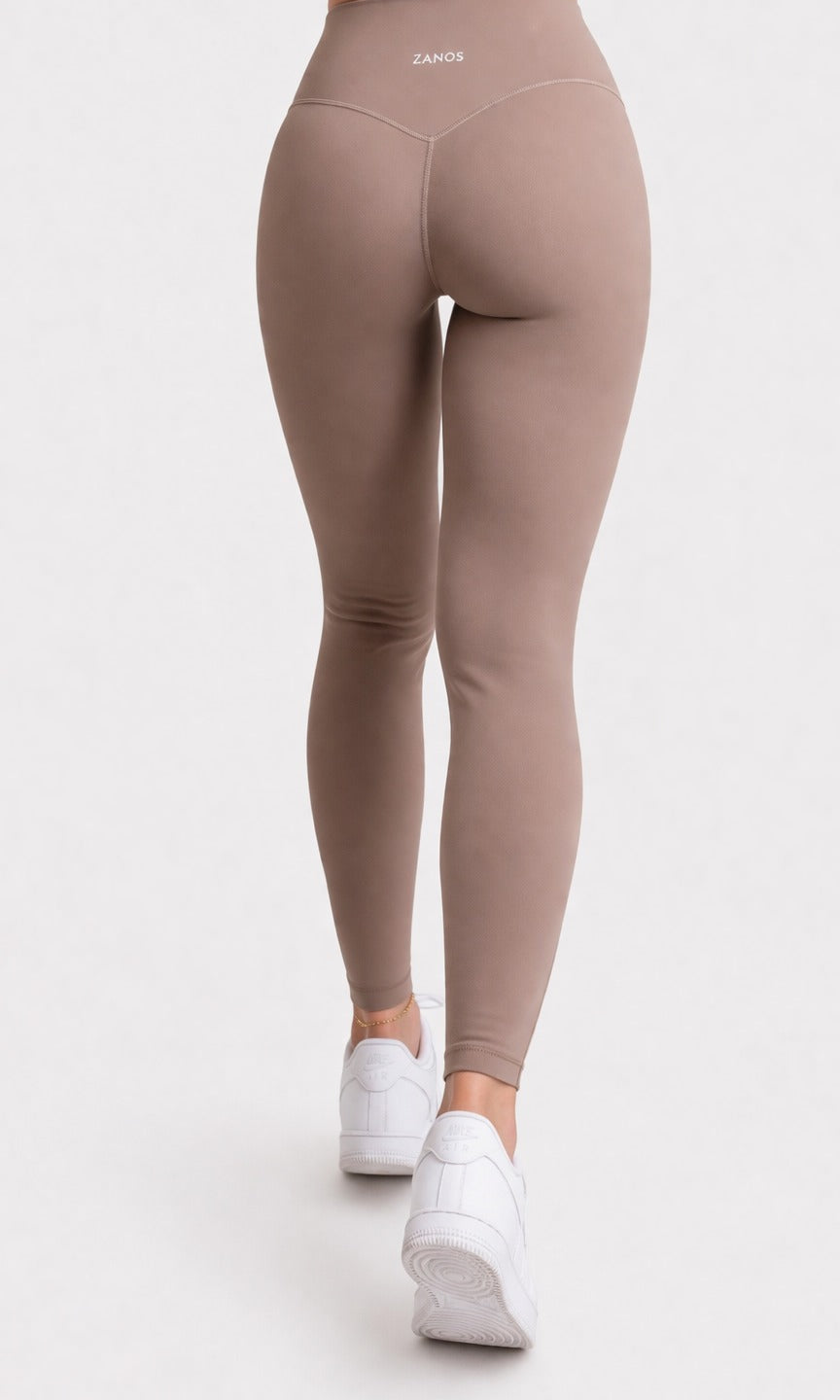
Scrunch tells you something about the construction at the back of the leggings. The fabric is shaped, gathered or tensioned around the centre-back area so it can follow the natural separation of the glutes more closely.
Yoga tights tell you more about the intended use of the garment. There is no single seam, waistband or fabric blend that automatically makes a pair of tights “yoga tights”. The category is defined more by how the garment is expected to behave during movement.
Because those definitions describe different things, the categories can overlap. A soft, stable scrunch tight can work for yoga. A supportive yoga tight can work in the gym.
How Scrunch Tights Are Constructed
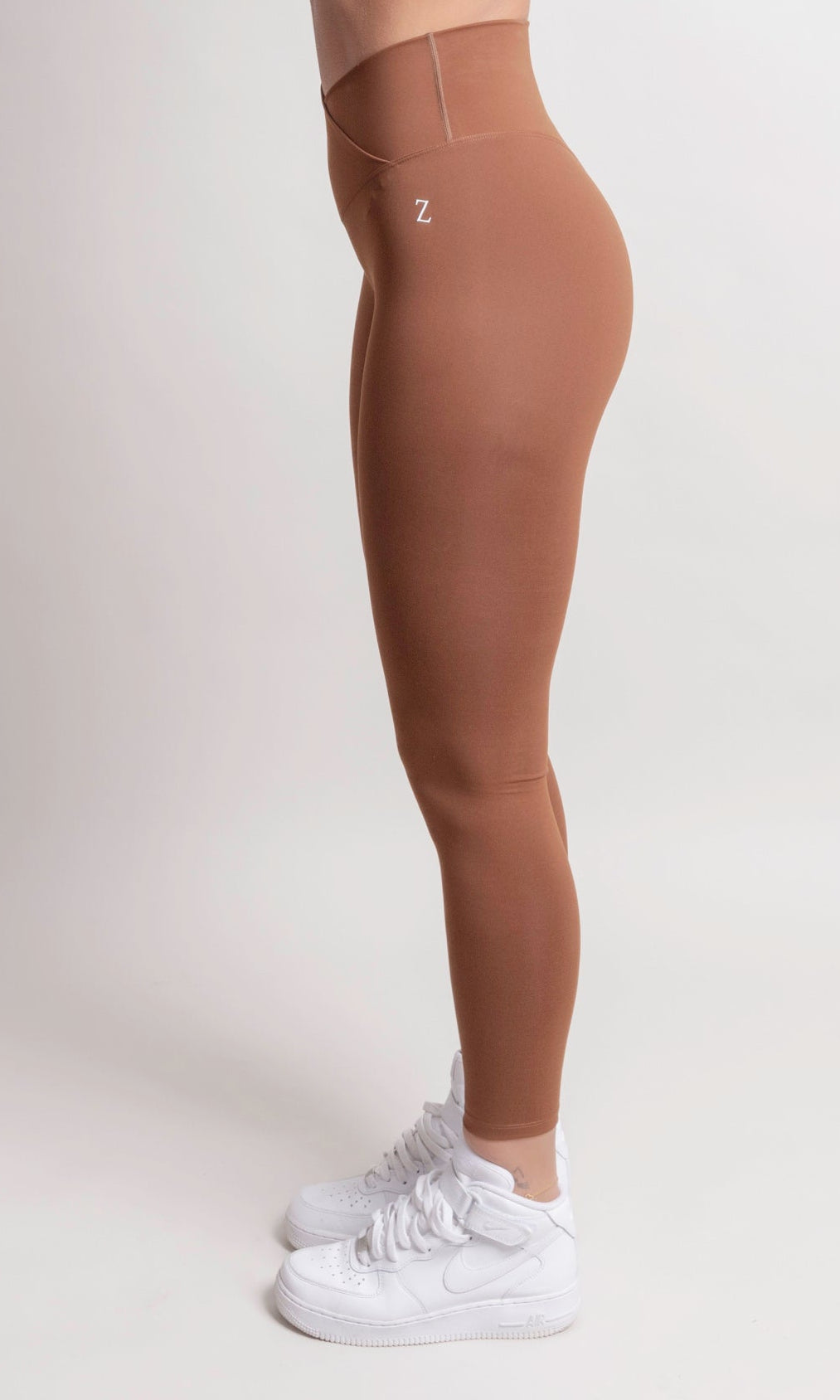
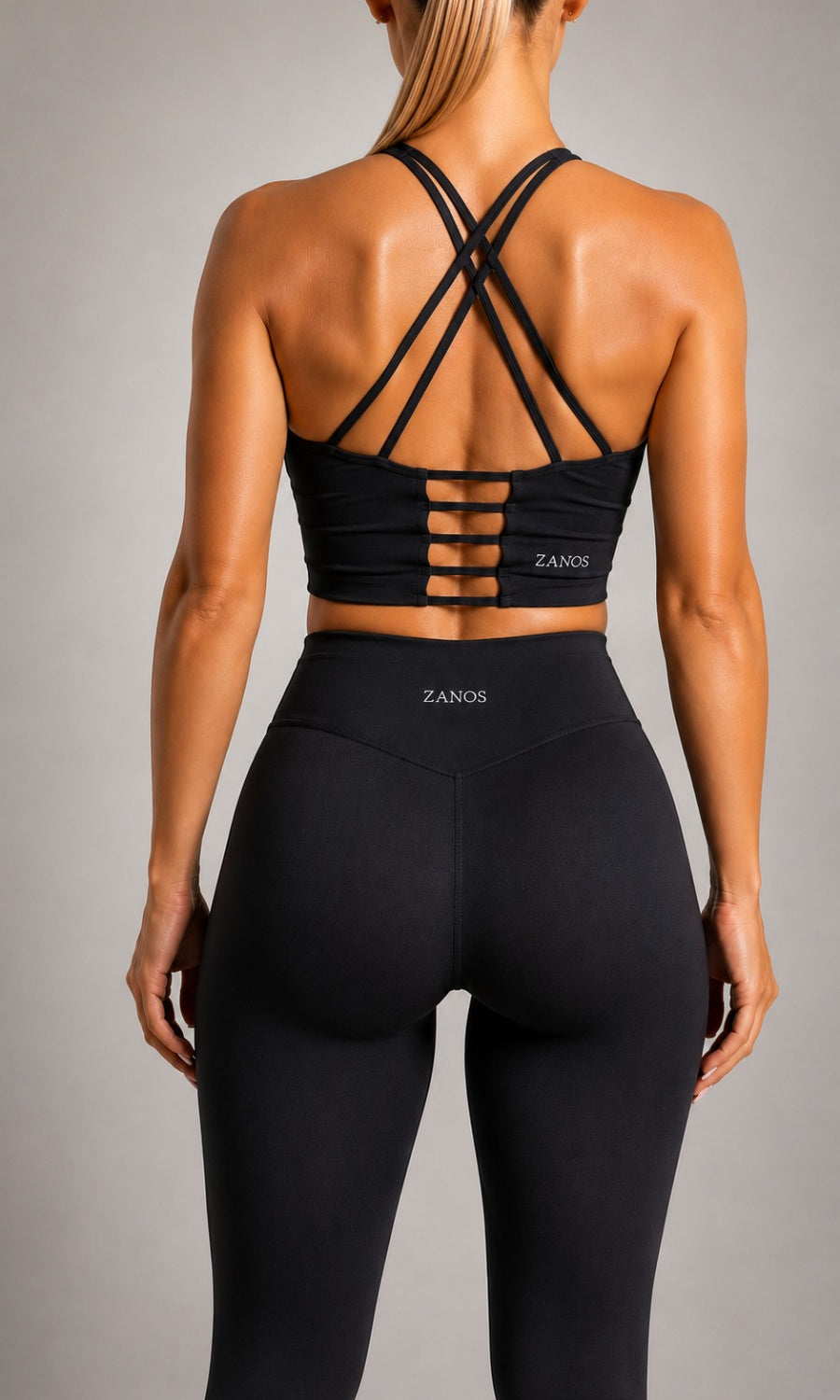
Scrunch tights use a shaped construction along the centre back. Depending on the model, the effect can come from gathered fabric, elastic tension, seam shaping, pattern cutting or a combination of these techniques.
The purpose is visual and structural: the material follows each side of the glutes more independently instead of stretching across the back as one flat surface. This can create more visible definition.
Scrunch strength varies. Some designs have obvious gathering. Others use a hidden or softer construction where the shaping is less visible from the outside. A stronger scrunch is not automatically better. If too much tension is concentrated in a small area, the seam can become uncomfortable or overstretched.
For a deeper explanation, read What Are Scrunch Tights? and our comparison of Scrunch Tights vs Regular Leggings.

How Yoga Tights Are Designed for Movement
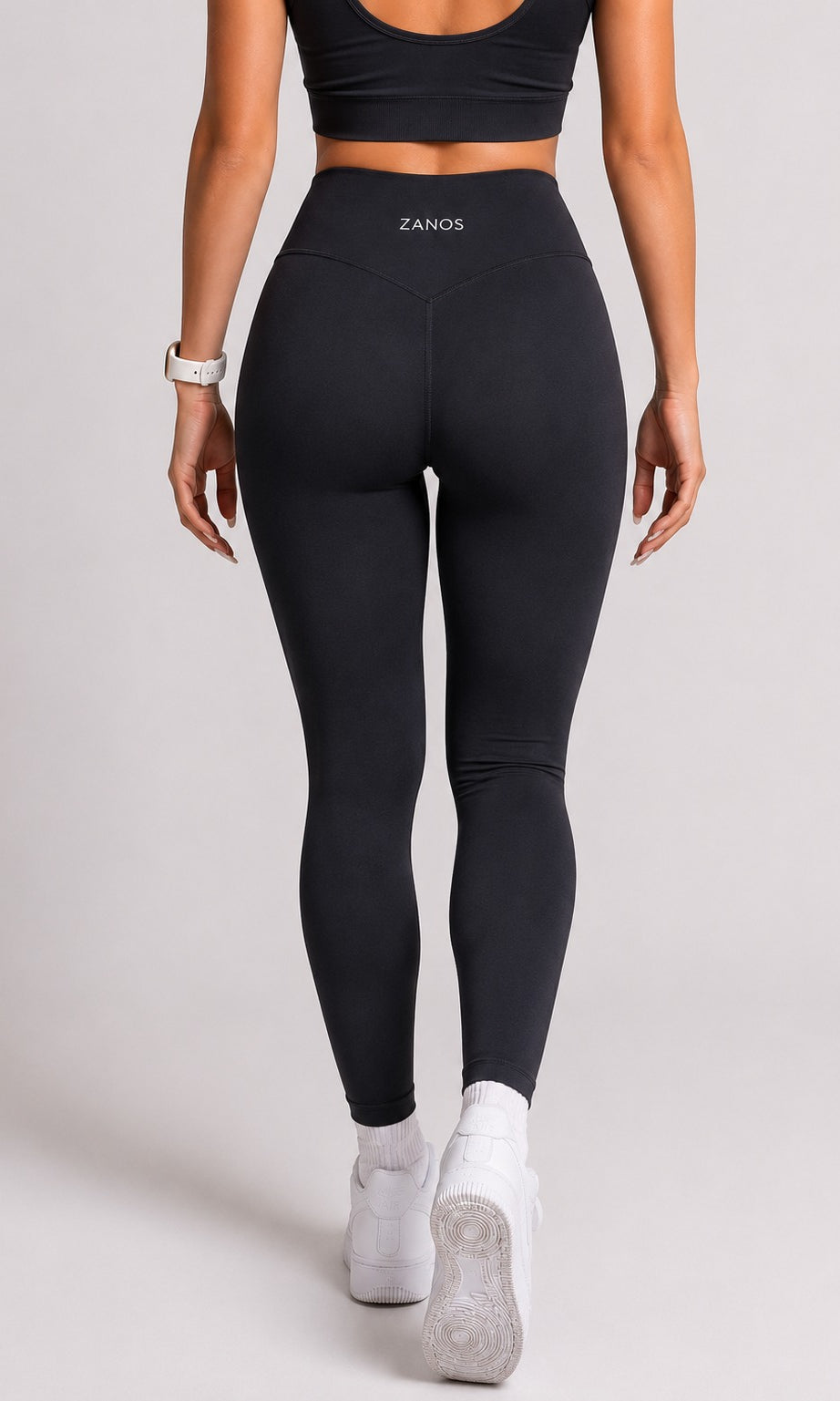
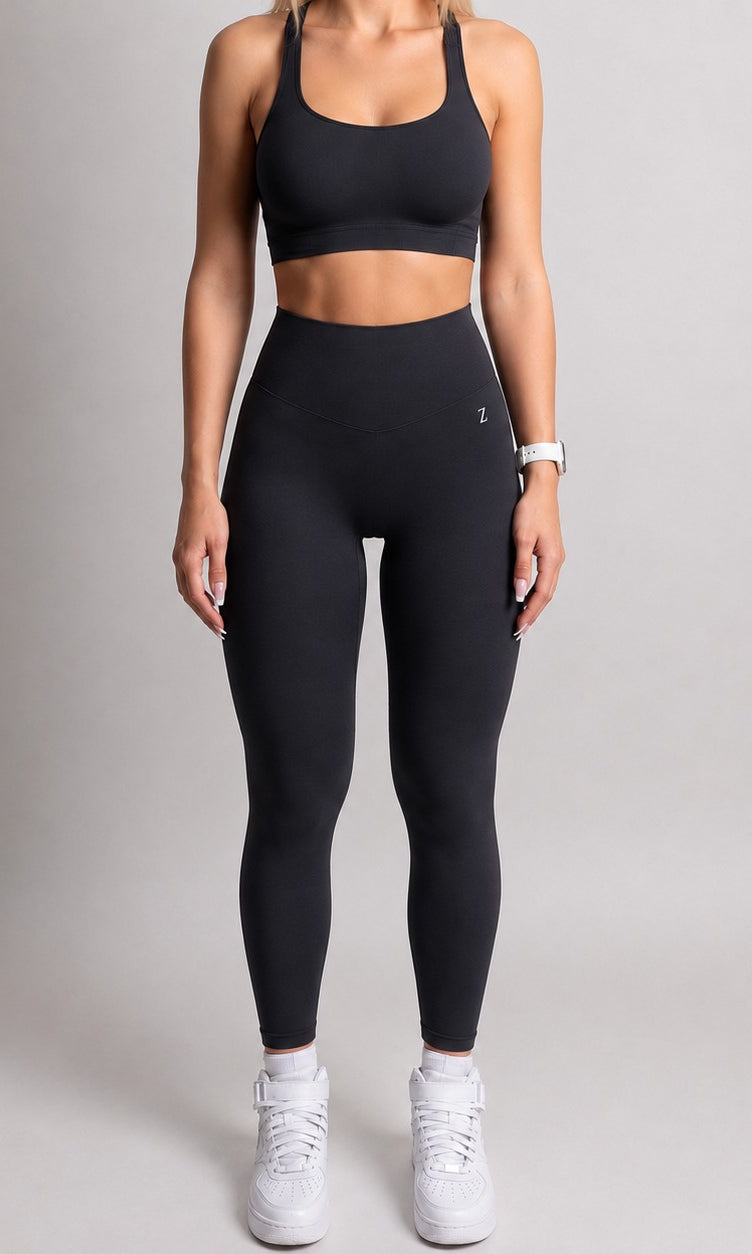
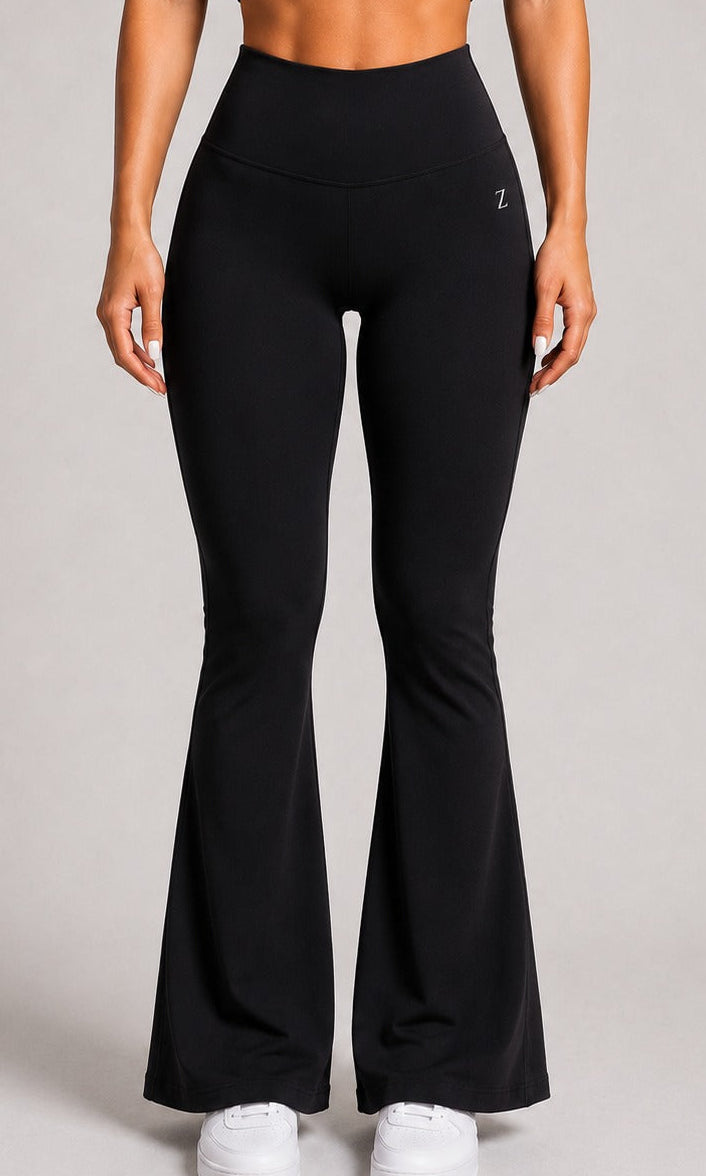
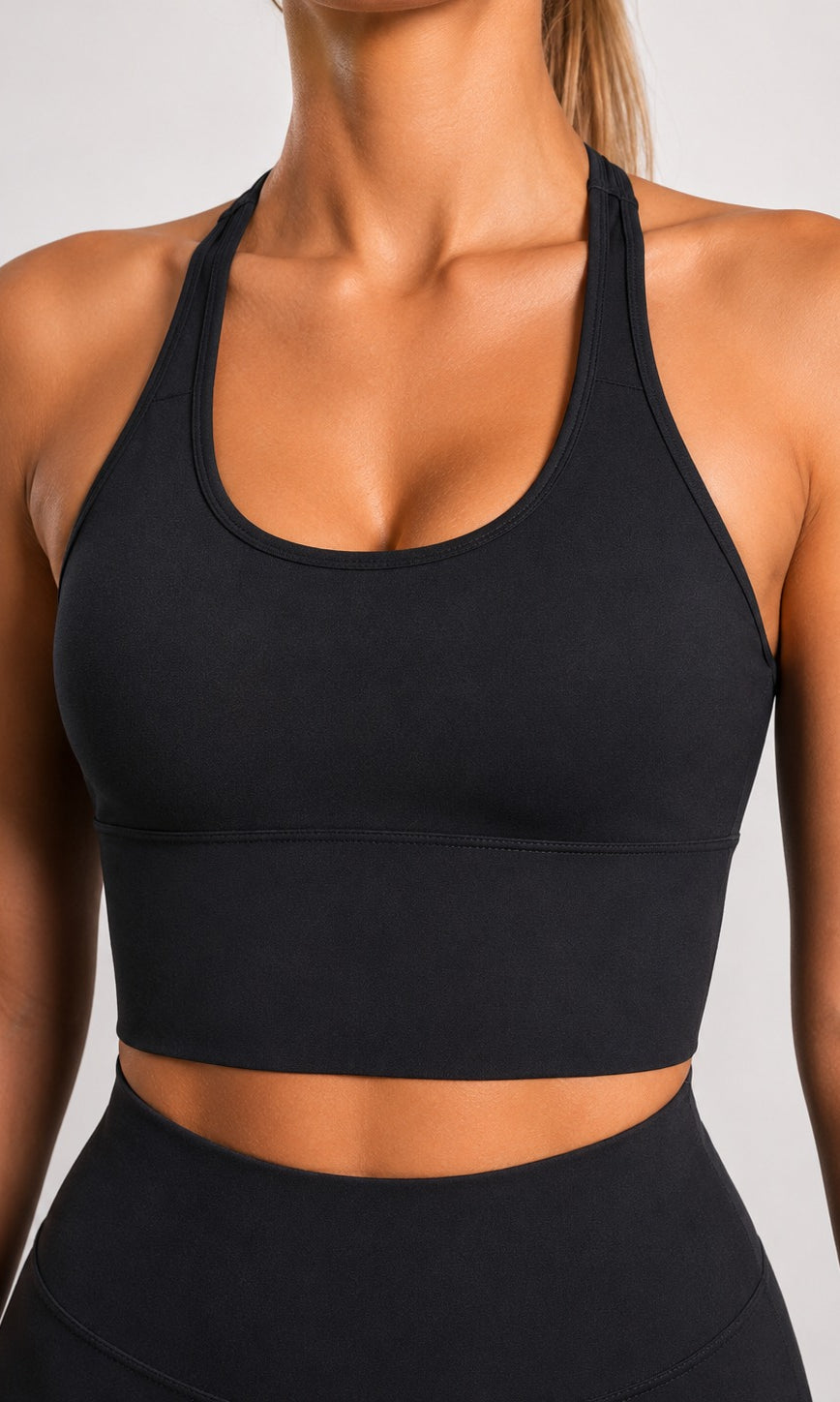
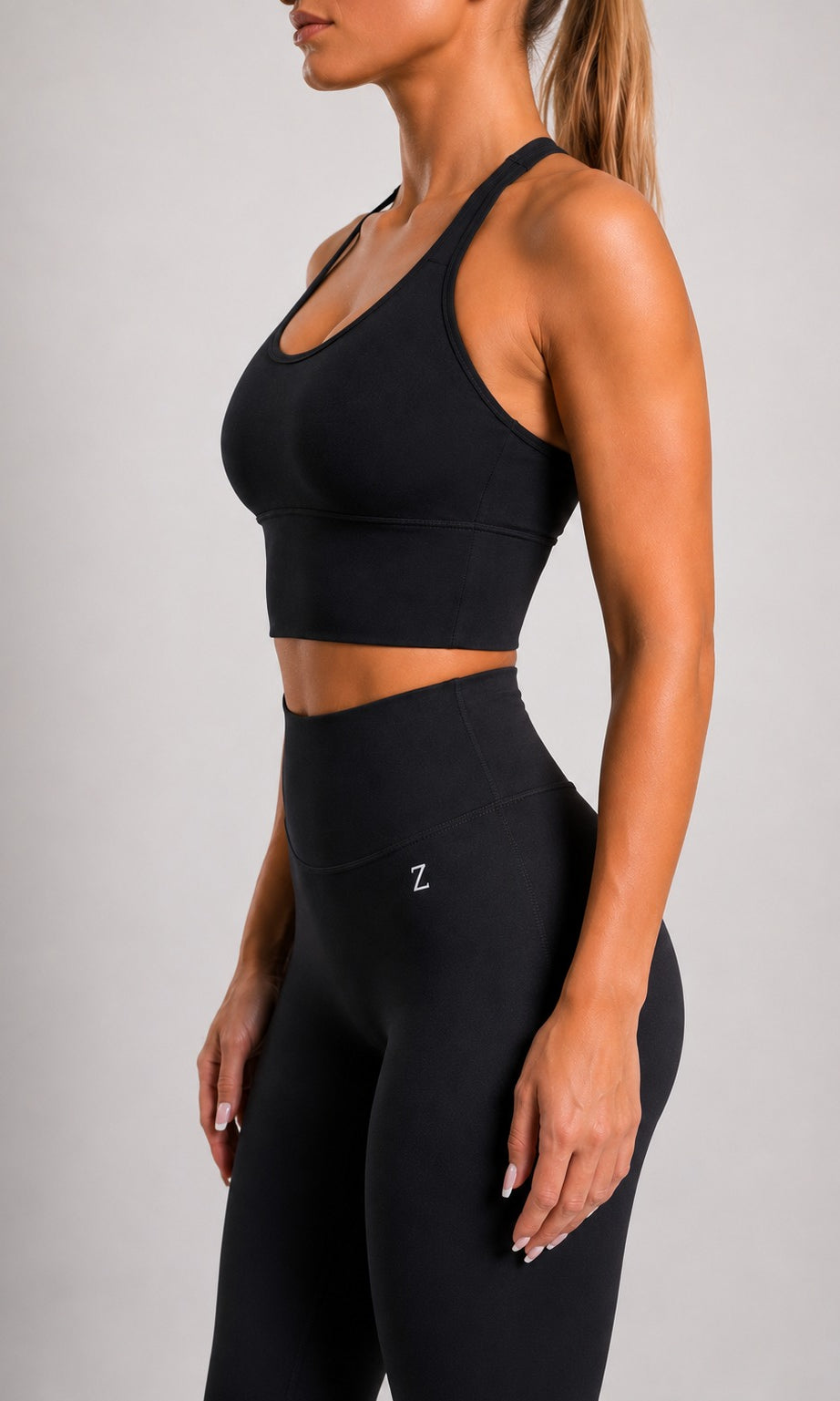
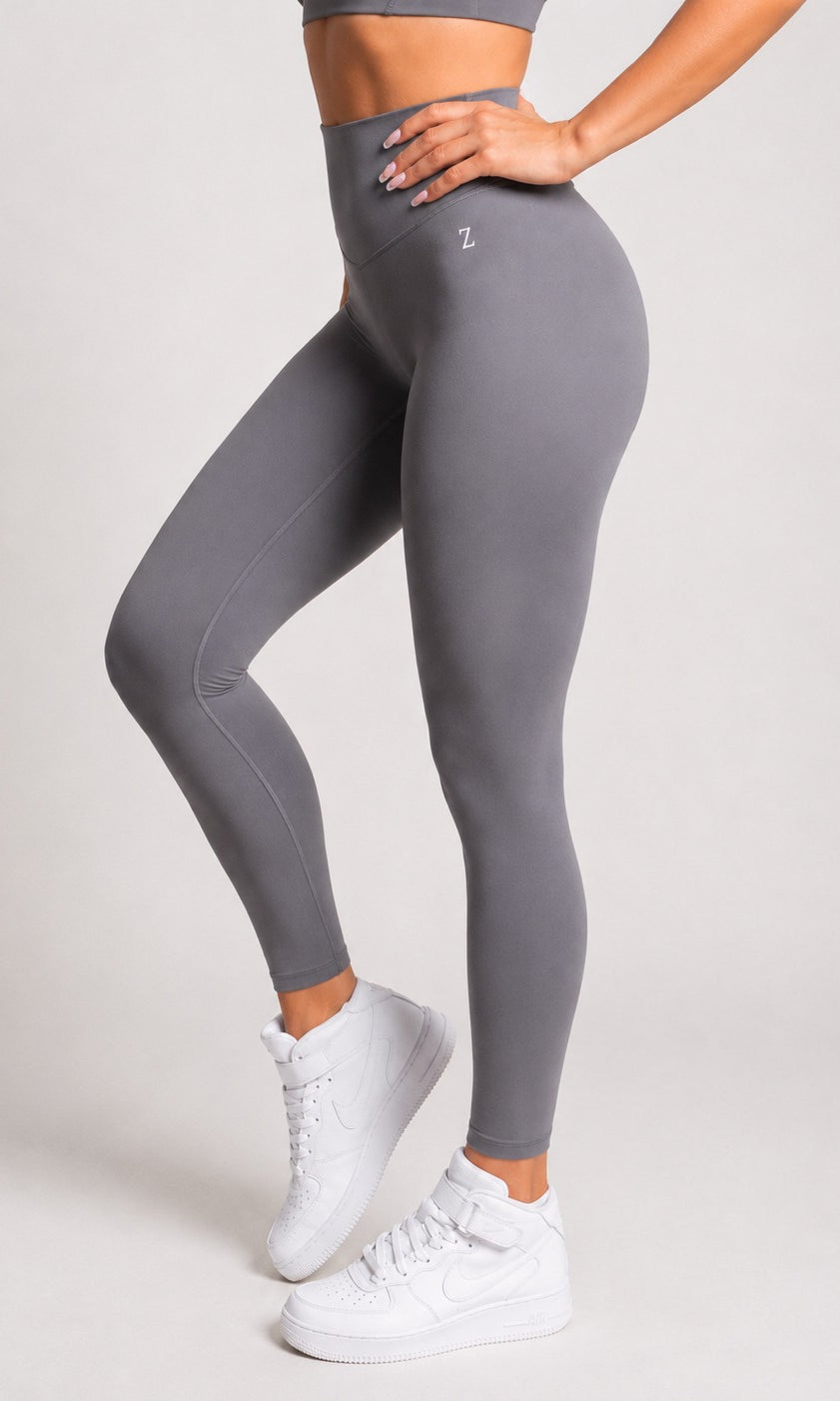
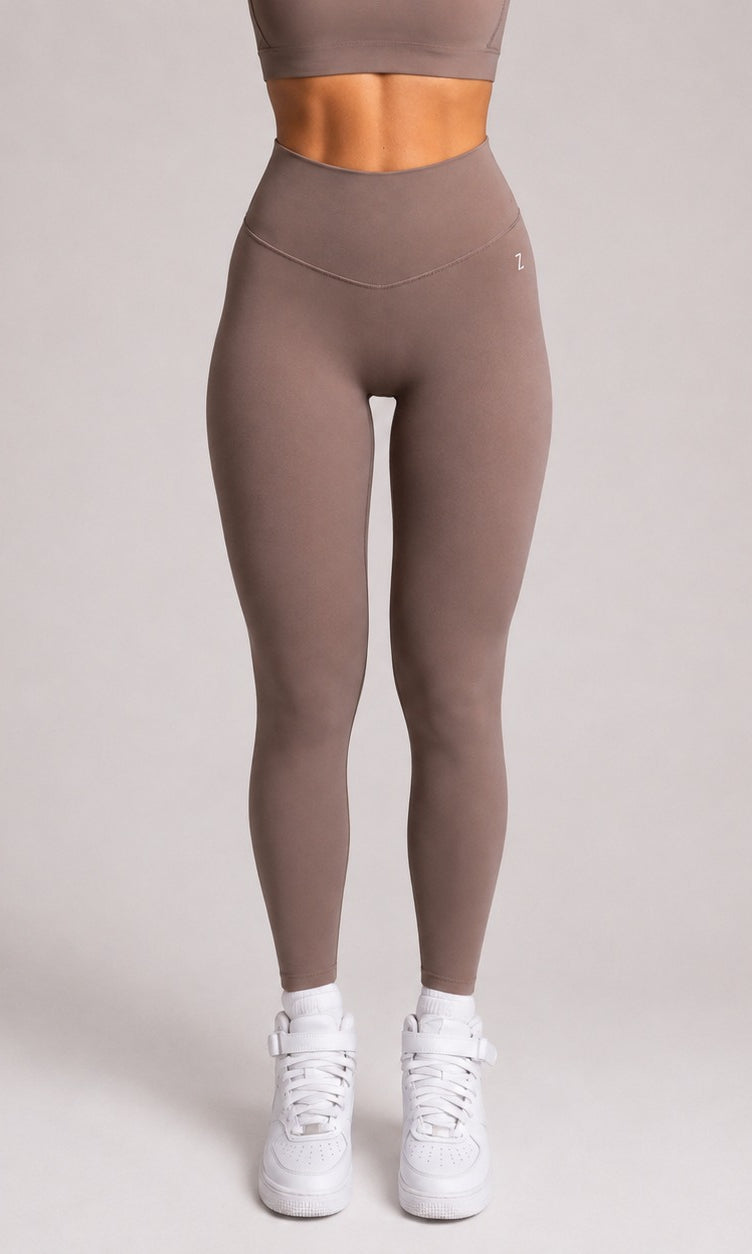
Yoga tights are expected to remain comfortable while the hips, knees and torso move through changing angles. Forward folds, lunges, seated positions, twists and transitions all place different tension on the waistband, seat and thighs.
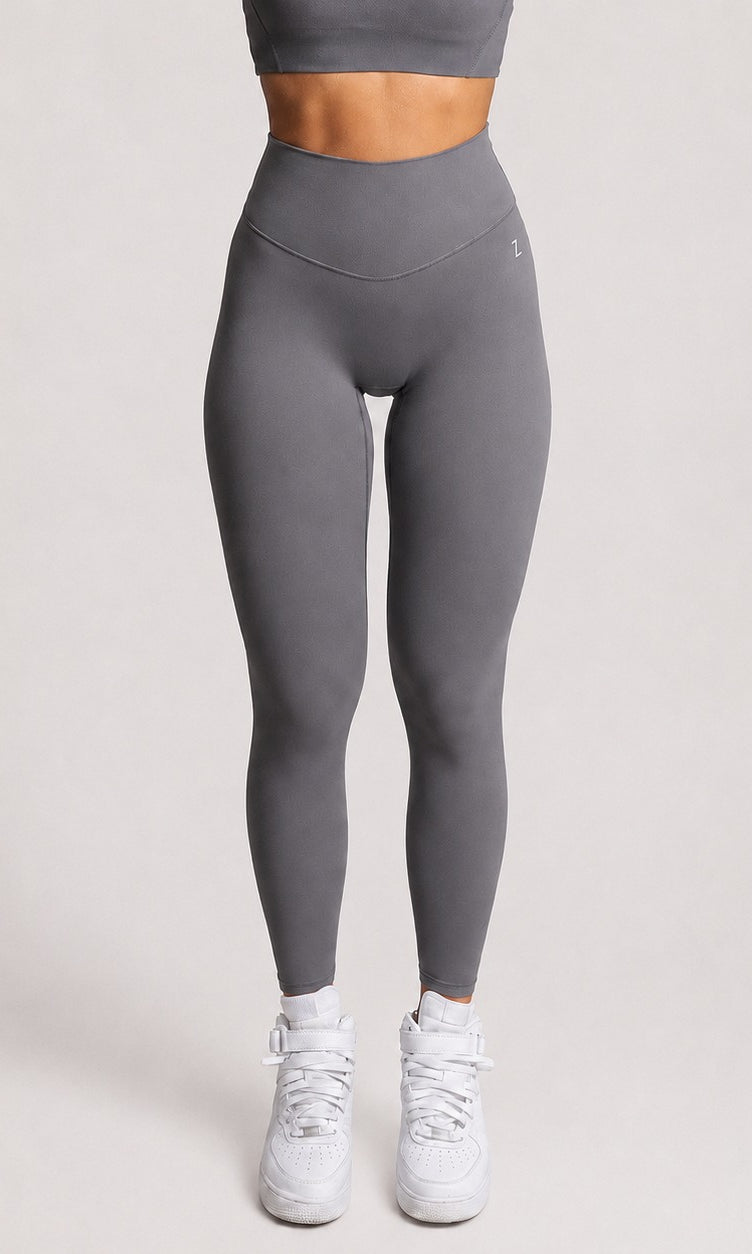
That means the useful qualities are practical rather than cosmetic: enough stretch for the movement, reliable coverage when the fabric is extended, a waistband that stays stable without excessive pressure and seams that do not become distracting during floor work.
Not every pair labelled “yoga tights” will perform equally well. The name itself does not guarantee softness, opacity, four-way stretch or a particular level of compression. Those properties have to come from the actual material and construction.
Read What Are Yoga Tights? or our Yoga Tights Guide for a more detailed breakdown of fit, fabric and sizing.

Which Is Better for Yoga and Pilates?
Yoga tights are usually the simpler starting point for yoga and Pilates because the category is built around controlled movement and comfort through multiple positions. But scrunch tights can work perfectly well when their construction remains comfortable.
Before using scrunch tights for yoga, test four things:
- Does the centre-back seam remain comfortable in seated positions and forward folds?
- Does the waistband stay flat instead of rolling, sliding or digging in?
- Does the fabric retain enough coverage when fully stretched?
- Can you move through lunges, hip-opening positions and floor work without repeatedly adjusting the tights?
If all four are true, the scrunch detail itself is not a reason to avoid the tights. If the centre seam becomes the first thing you notice during longer seated work, a smoother back construction may suit you better.
Which Is Better for Gym and Strength Training?
Both can work for strength training. Scrunch tights are often chosen for gym sessions because the centre-back construction creates more visible definition around the glutes. That is mainly an aesthetic and fit preference: not a mechanical performance advantage.
For squats, lunges, hip thrusts and machine training, ask more useful questions:
- Does the waistband stay secure under repeated movement?
- Does the fabric retain coverage in a deep squat?
- Does the material recover after being stretched?
- Do the seams remain comfortable under load and repetition?
- Does the chosen size allow full movement without overstretching the fabric?
Yoga tights can also perform well in the gym, especially for mixed strength and mobility sessions. A very soft model may feel less structured than a firmer training tight, but that is a product-level difference rather than a rule about all yoga tights.

Which Stays in Place Better?
Neither category automatically stays in place better. Sliding and rolling are usually related to the relationship between waistband construction, fabric recovery, garment proportions and sizing.
A waistband can be high without being stable. A tight waistband can also feel secure at first and still roll when the torso bends. The most useful test is whether the waistband remains relatively flat through squats, sitting, walking and forward folds without requiring repeated adjustment.
If staying in place is your main problem, treat it as a fit-and-construction question rather than a scrunch-versus-yoga question.
Are Scrunch Tights More Squat Proof Than Yoga Tights?
No. A scrunch seam does not make leggings squat proof, and the yoga label does not guarantee opacity.
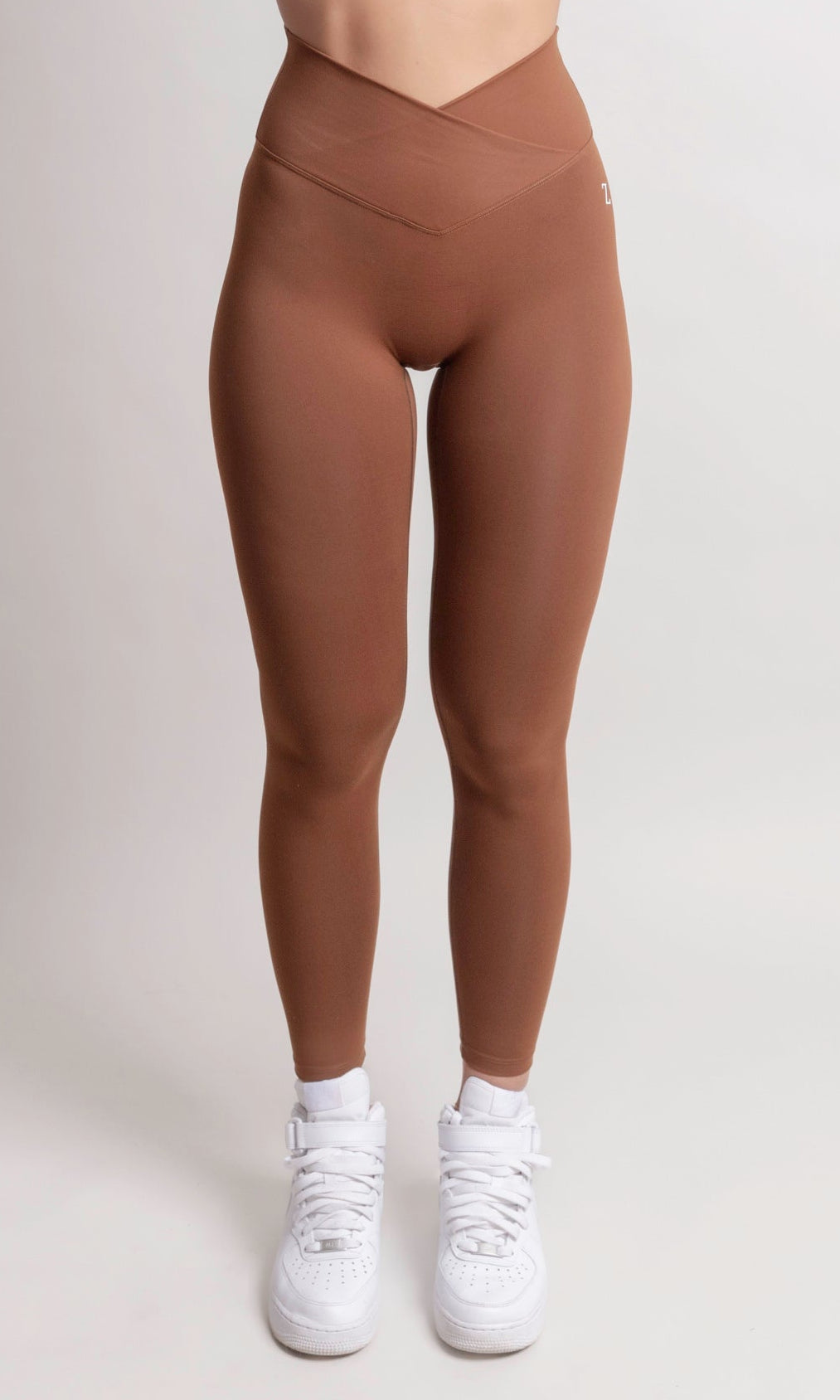
Coverage under stretch depends on fabric density, knit structure, colour, sizing and how far the material is being extended. A pair can look fully opaque while standing and become noticeably thinner in a deep squat or forward fold.
Choosing a size that is too small can make the problem worse because the fabric is stretched beyond the level intended by the pattern. This applies to both categories.
What About Comfort, Compression and the Waistband?
The back construction is only one part of the garment. In practice, the waistband and overall fabric often affect comfort more.
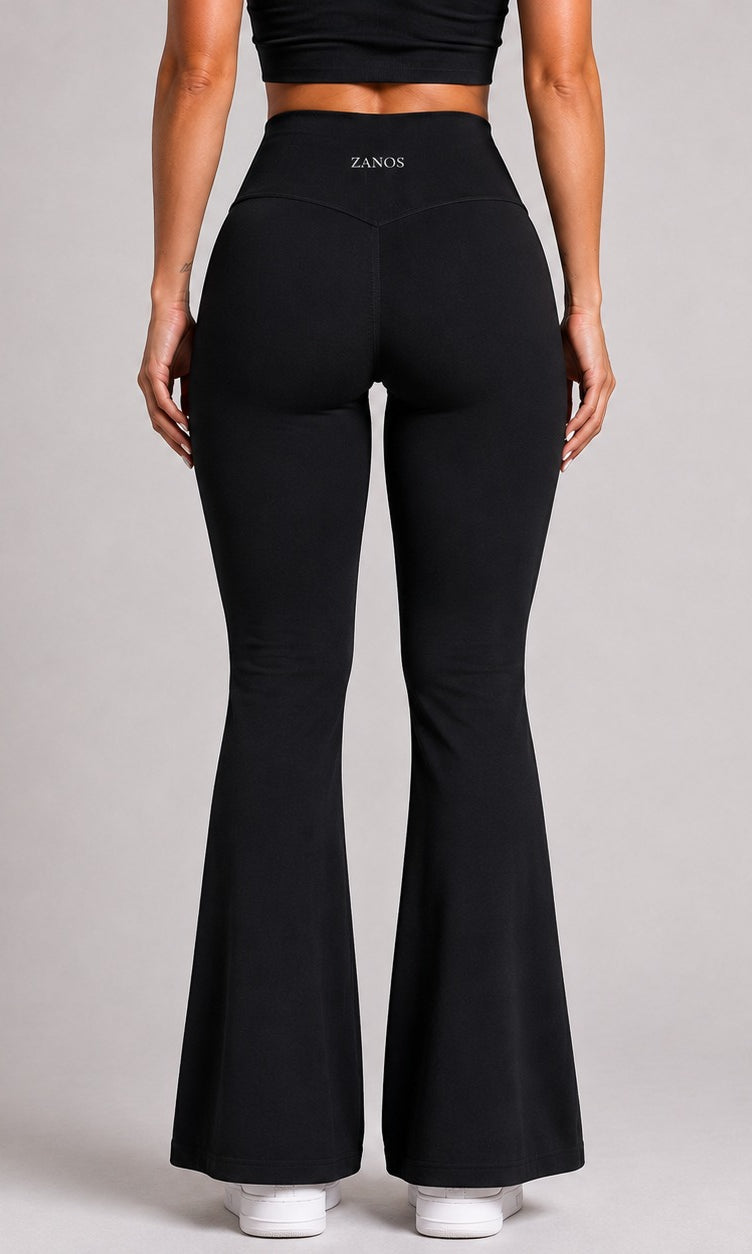
Scrunch tights may feel more noticeable along the centre back because the fabric is intentionally shaped inward. Yoga tights usually use a smoother back construction, which can distribute tension more evenly during longer periods of sitting or floor work.
That does not mean scrunch tights are always tighter or yoga tights are always softer. Compression comes from the complete material, knit density, pattern, waistband and size.
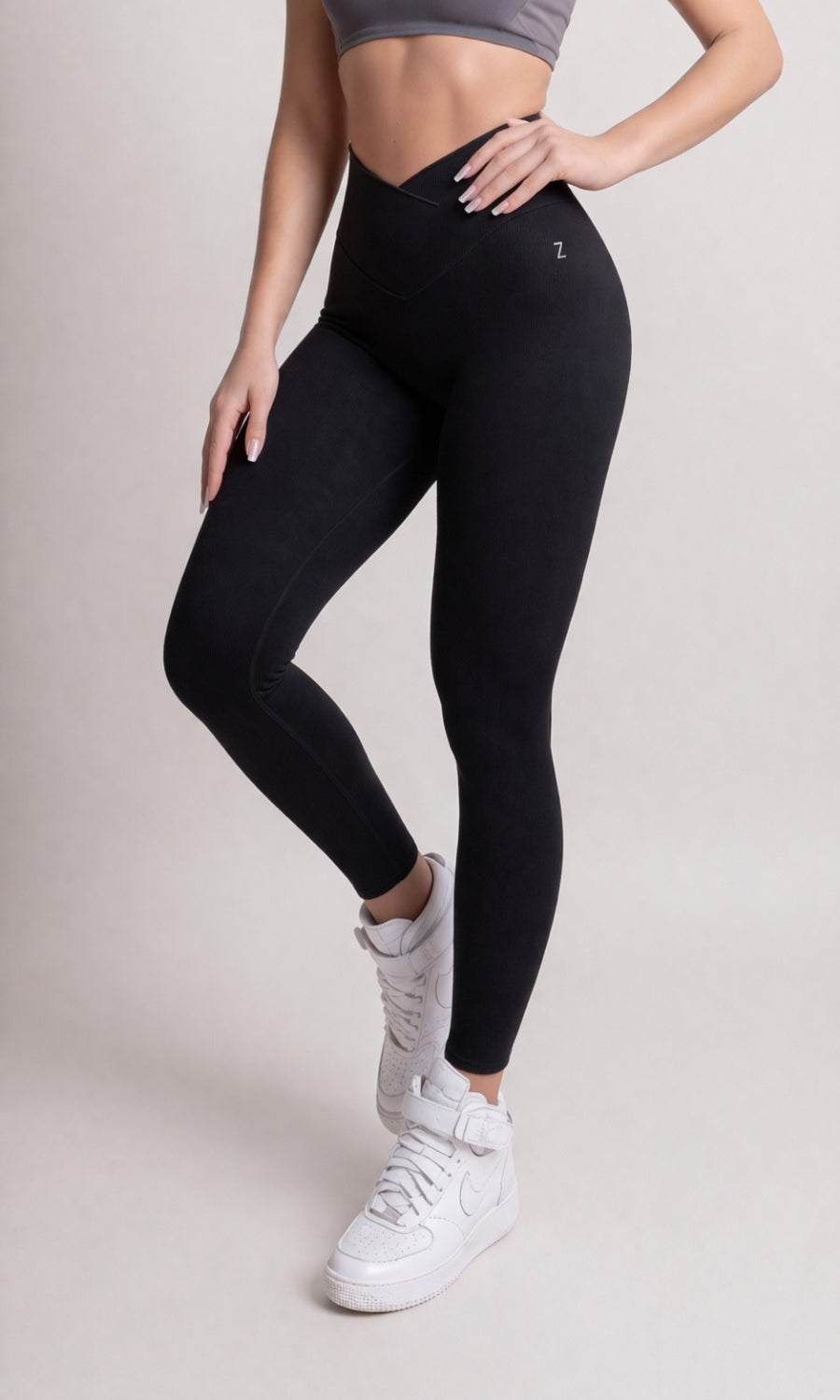
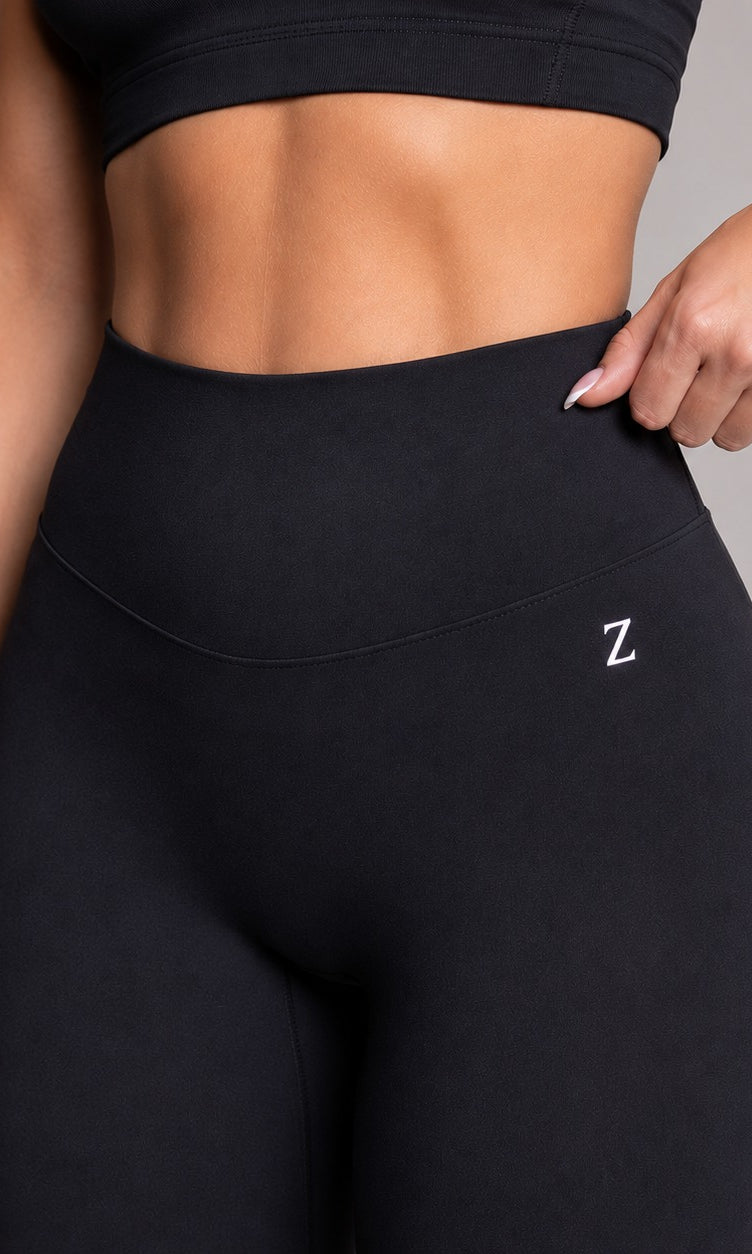
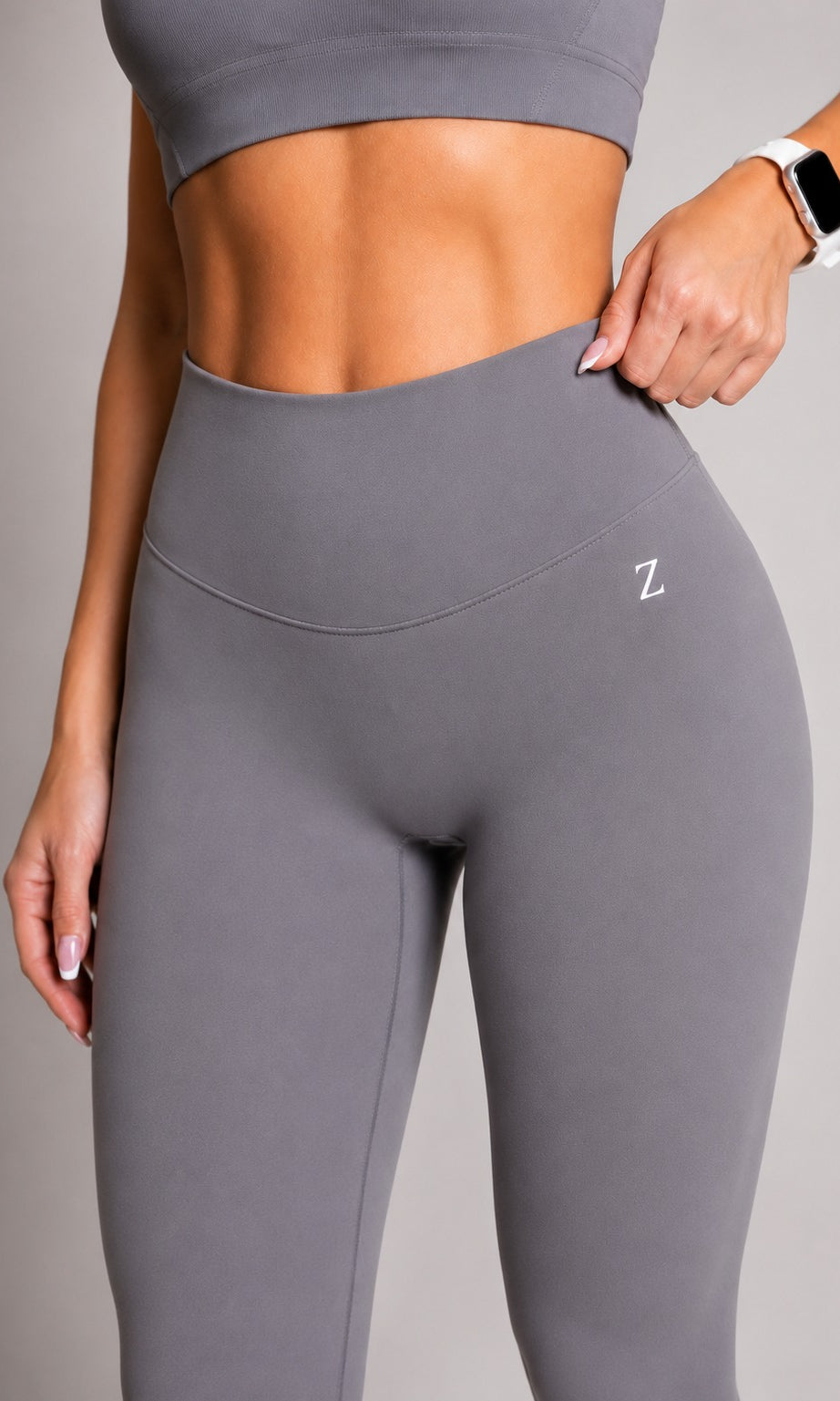
A well-balanced waistband should keep enough contact with the body to remain stable without feeling like a rigid belt. High waist construction can add coverage, but height alone does not guarantee support.
Which Fabric Is Better?
There is no single fibre blend that automatically makes scrunch tights or yoga tights better.
Polyamide, polyester and elastane are all common in activewear. The more important question is how the finished fabric behaves: how far it stretches, how well it returns to shape, how much coverage it retains under tension and how comfortable it feels during repeated movement.
For either category, look for:
- Enough stretch for the movements you perform
- Good recovery after stretching
- Reliable coverage under tension
- A waistband that works with the fabric instead of fighting it
- Seams and construction suited to the activity
Do not judge performance from one fibre percentage alone. Two fabrics with similar labels can behave very differently because yarn, knit structure, weight and finishing also affect the final material.
Can One Pair of Tights Work for Both Gym and Yoga?
Yes. This is where the distinction between construction and use becomes useful.
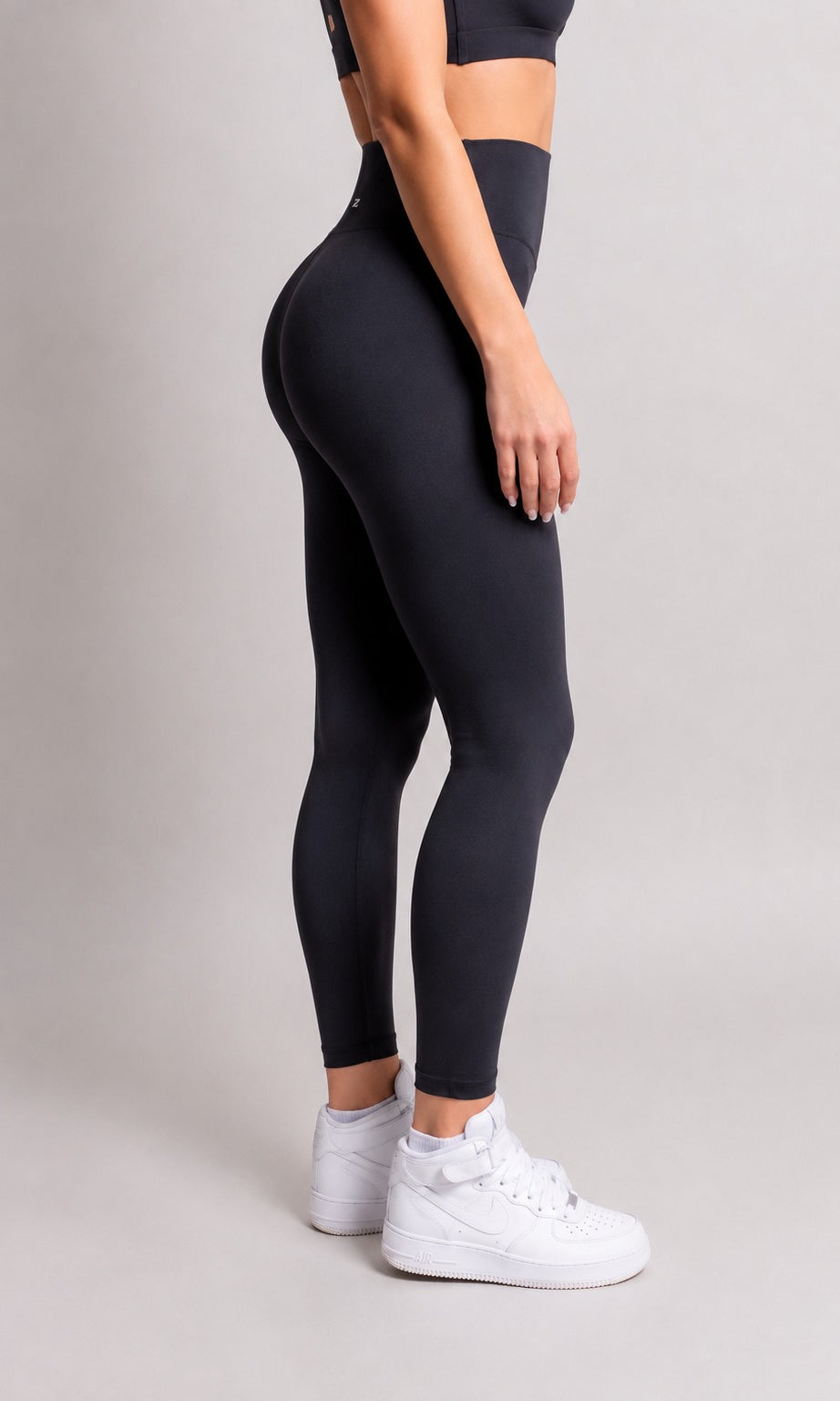
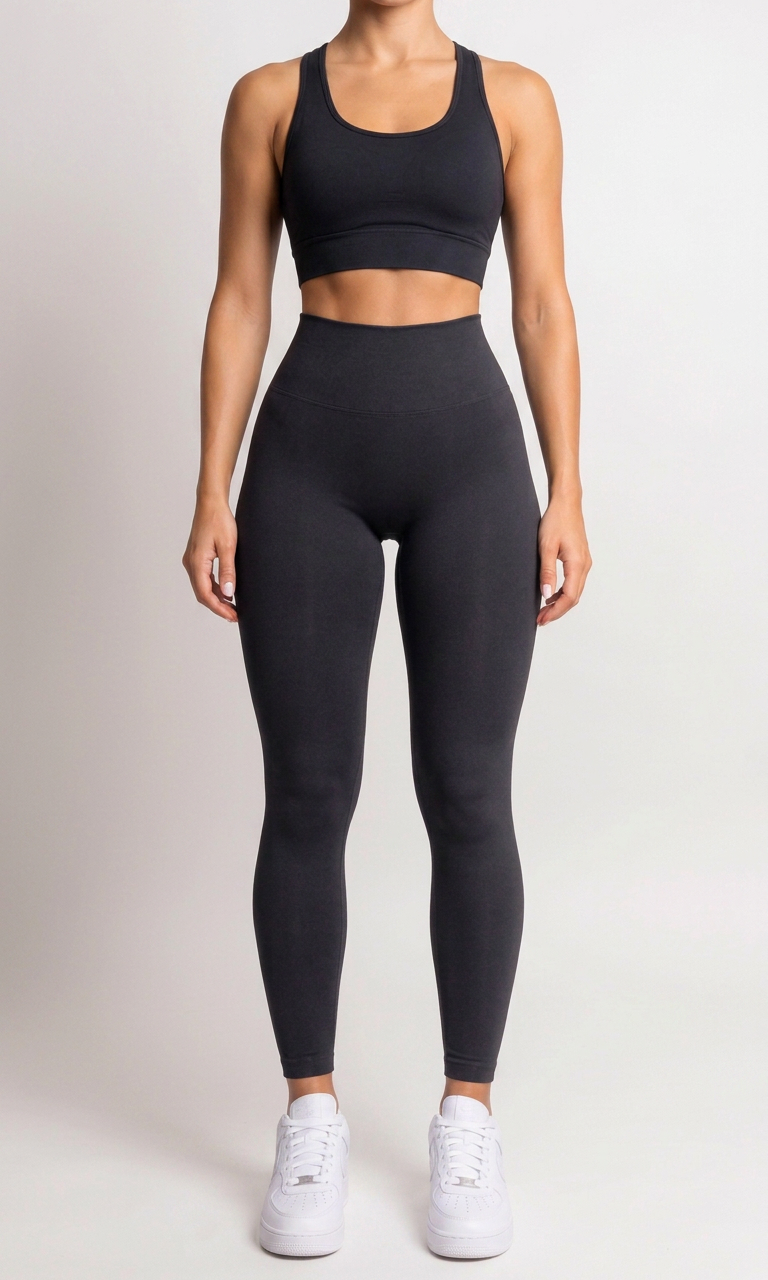
A pair of scrunch tights can work for yoga if the centre-back construction stays comfortable, the material has enough stretch and the waistband remains stable. A pair of yoga tights can work for gym training when coverage, recovery and support are sufficient for the session.
If you regularly combine strength training, mobility and Pilates, choosing one versatile pair can make more sense than buying according to category names alone.
How to Choose Between Scrunch Tights and Yoga Tights
| Your priority | Start with | Why |
|---|---|---|
| More visible definition at the back | Scrunch tights | The centre-back construction is specifically designed for that effect |
| Yoga, Pilates and floor work | Yoga tights | A smoother construction is often the more straightforward option for controlled movement |
| Strength training and glute-focused gym sessions | Either | Choose based on waistband stability, coverage, recovery and preferred back construction |
| Mixed gym and mobility sessions | Either | A versatile fabric and stable fit matter more than the label |
| You dislike noticeable centre-back tension | Yoga tights or a smoother back design | Less shaping at the centre back may feel more neutral |
| You want one pair for everyday wear too | Either | Choose the construction and compression level you are comfortable wearing for longer periods |
Before ordering, compare your measurements with the ZANOS Size Guide. Correct sizing affects coverage, waistband stability and how both the back construction and fabric perform.
Final Takeaway
The difference between scrunch tights and yoga tights is not simply “gym versus yoga”. Scrunch describes a design and construction choice at the back of the leggings. Yoga describes the type of movement the garment is intended to support.
That is why the best decision comes from looking at the complete garment: stretch, recovery, coverage, waistband stability, seam comfort, sizing and the movements you actually perform.
If you specifically want more definition through the back construction, explore ZANOS Scrunch Tights. If you prioritise smooth comfort and controlled movement, compare our Yoga Tights for Women.