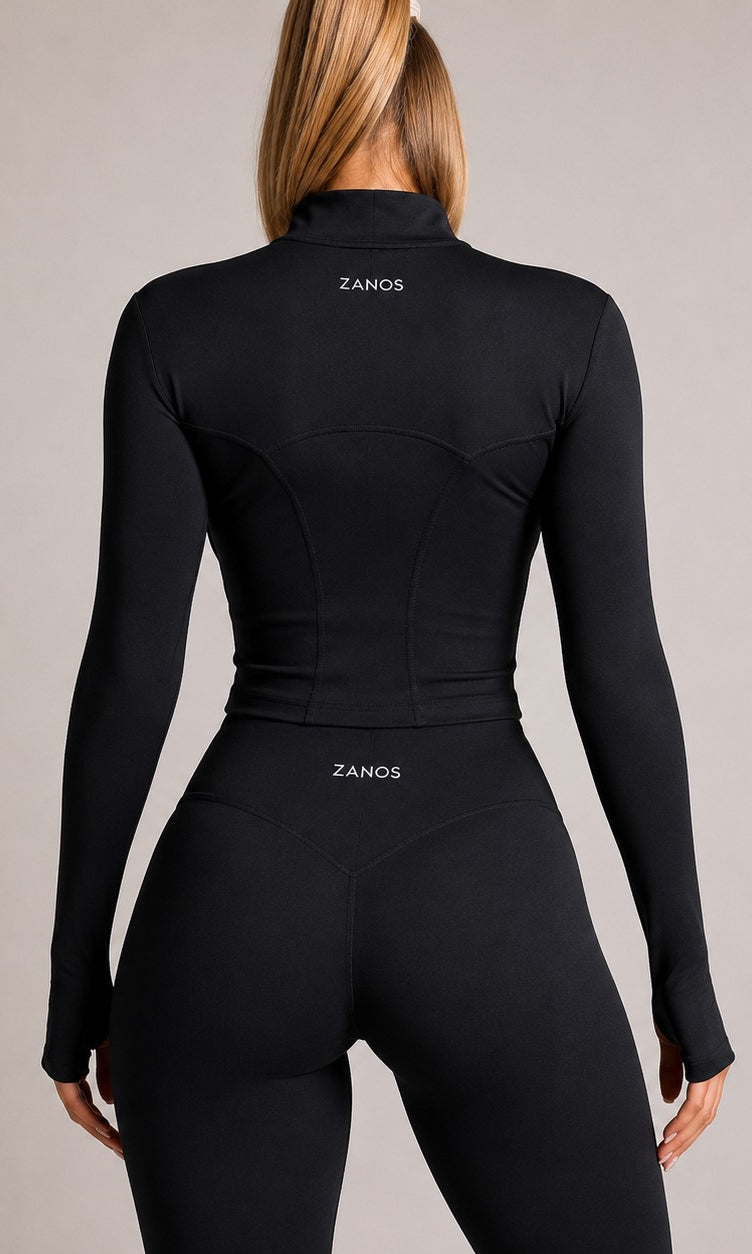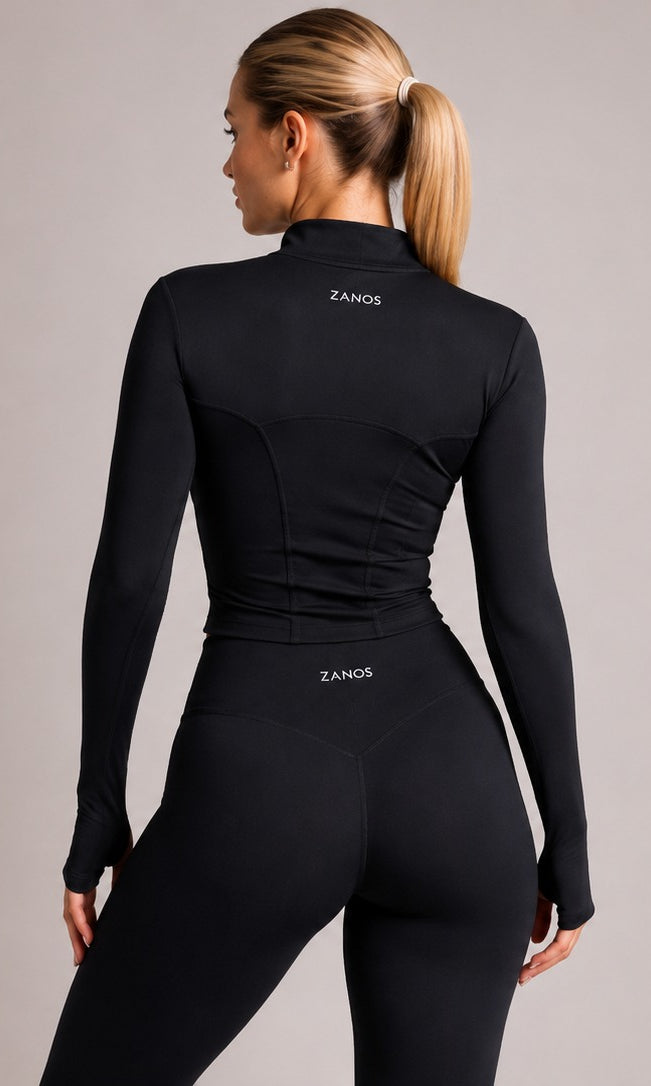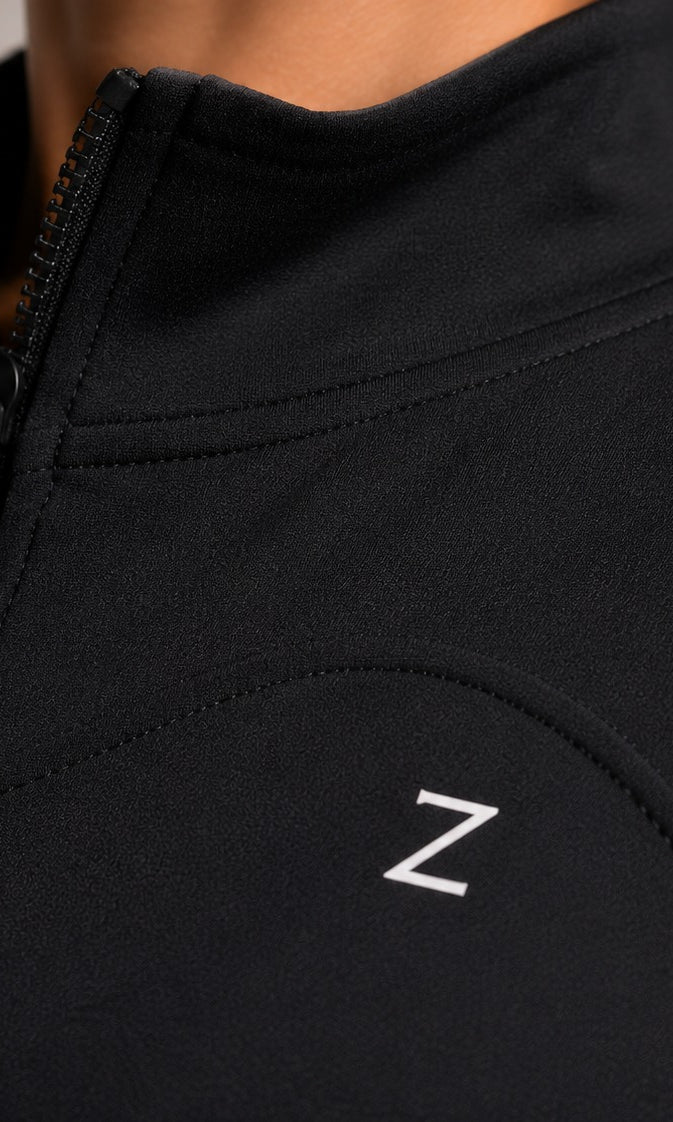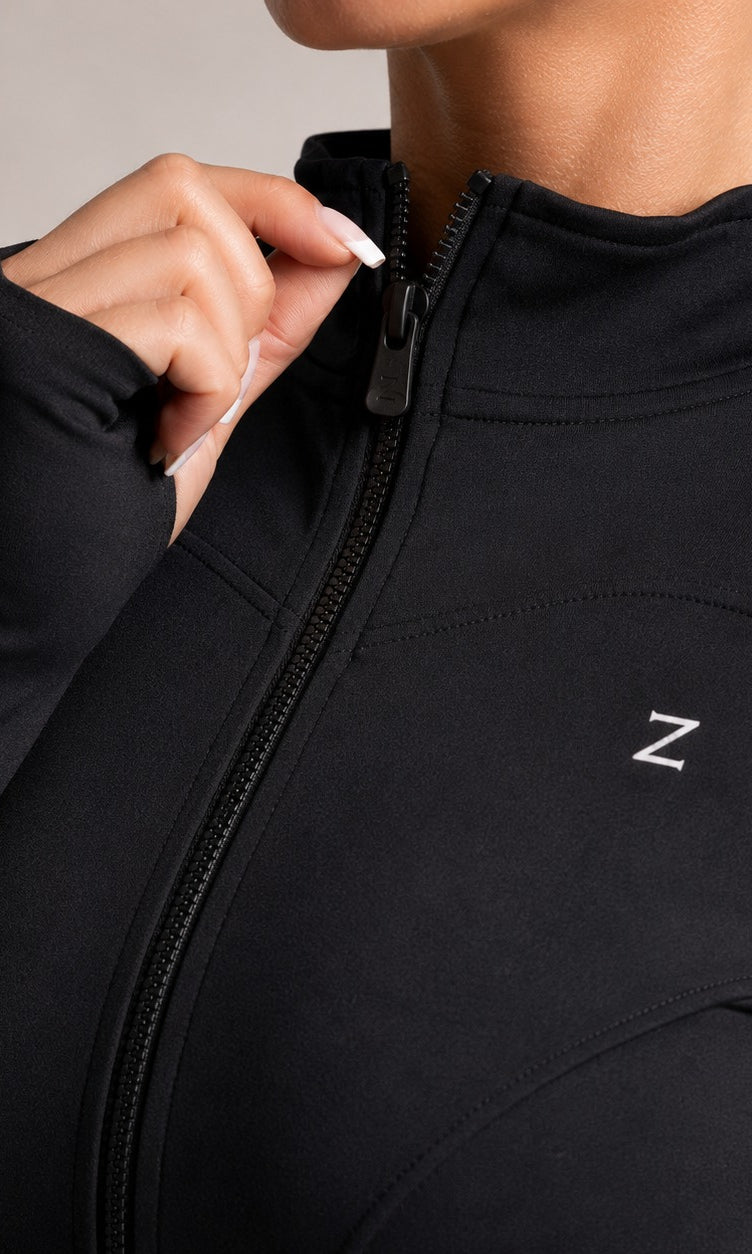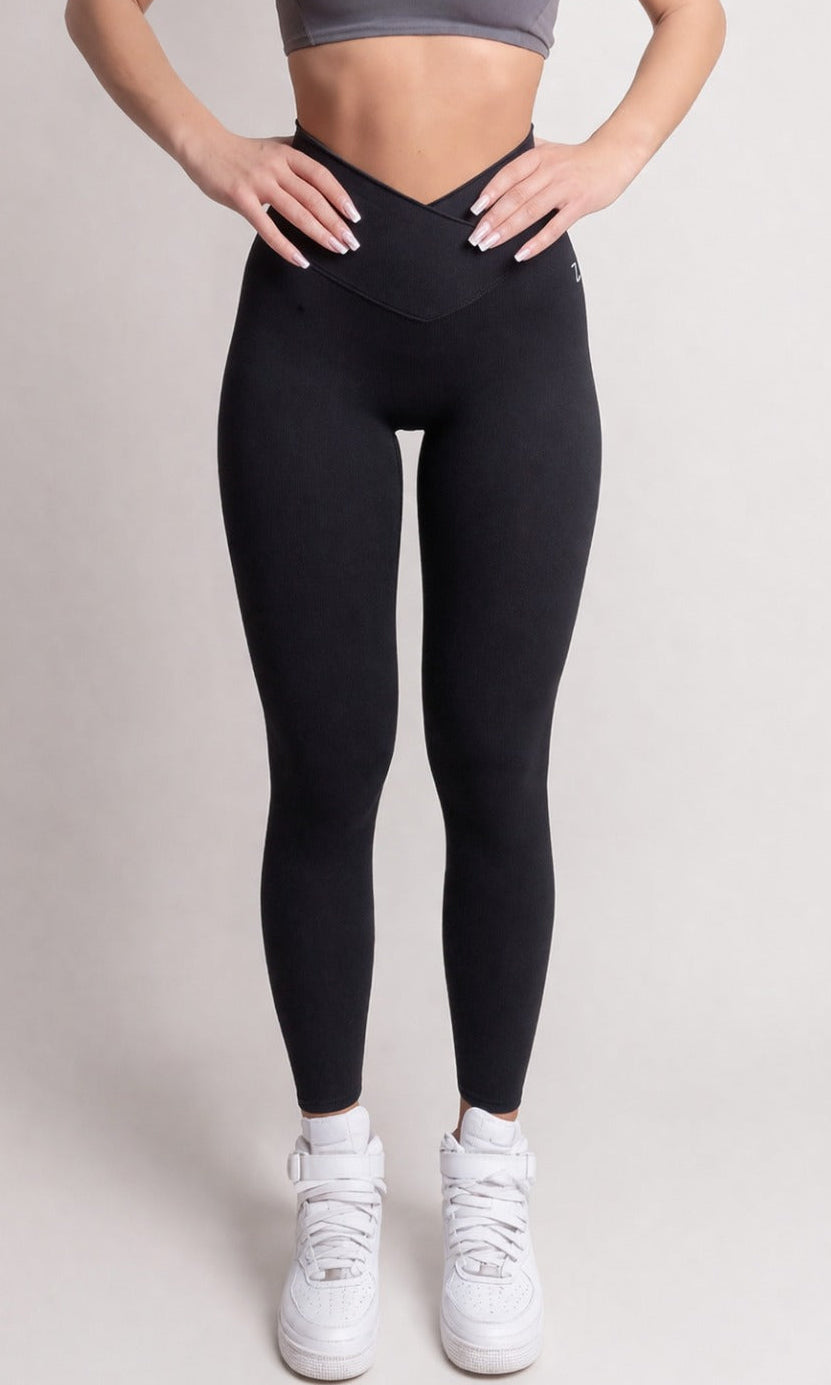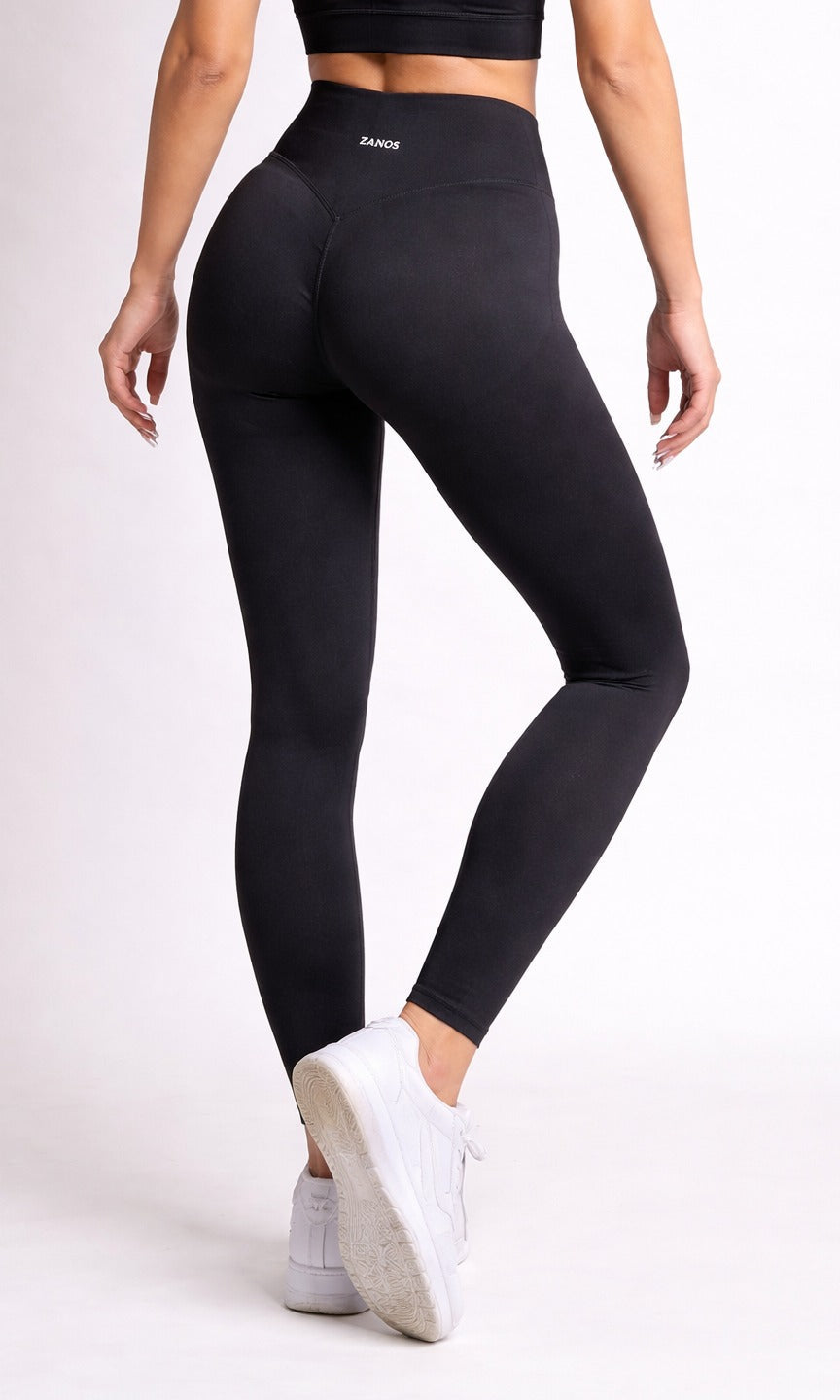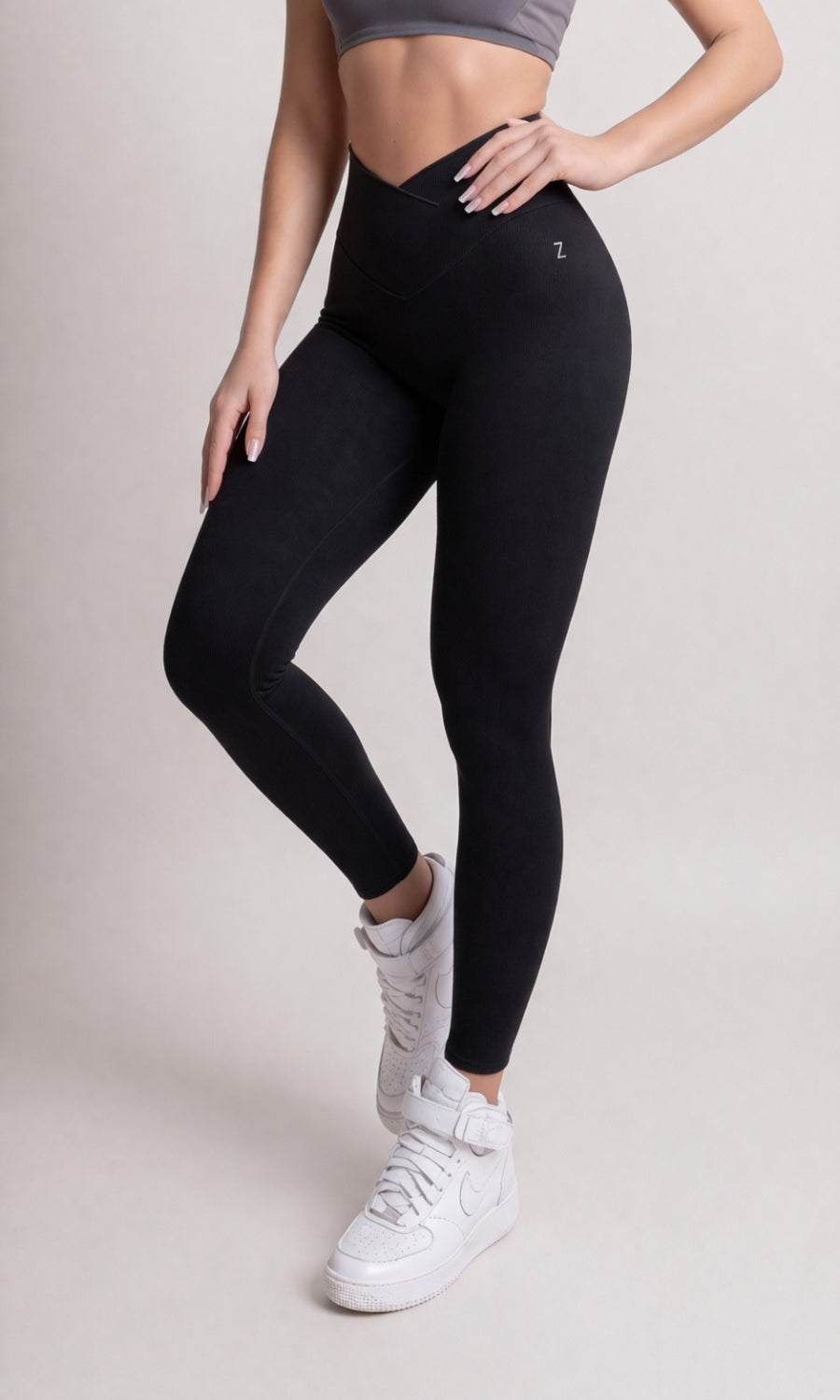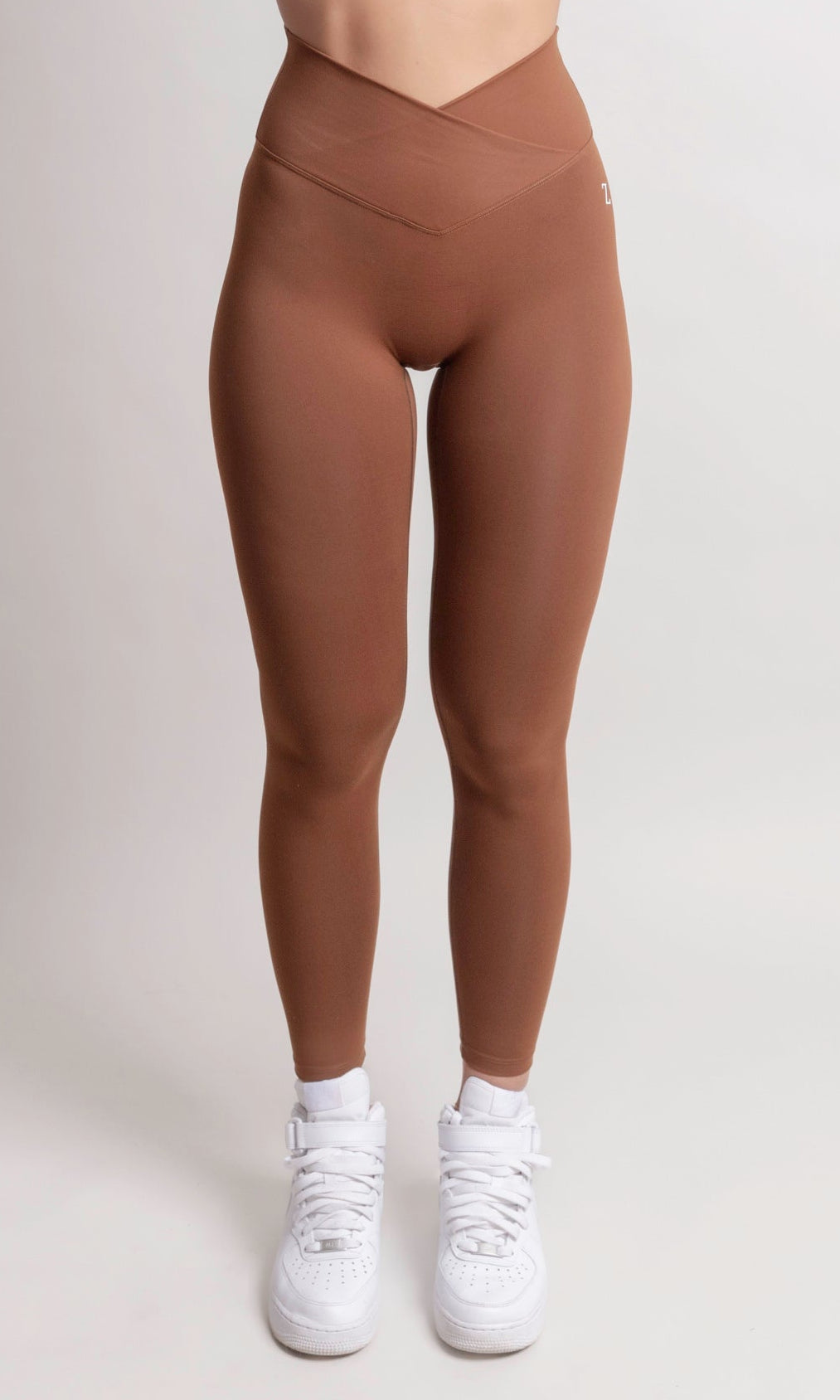
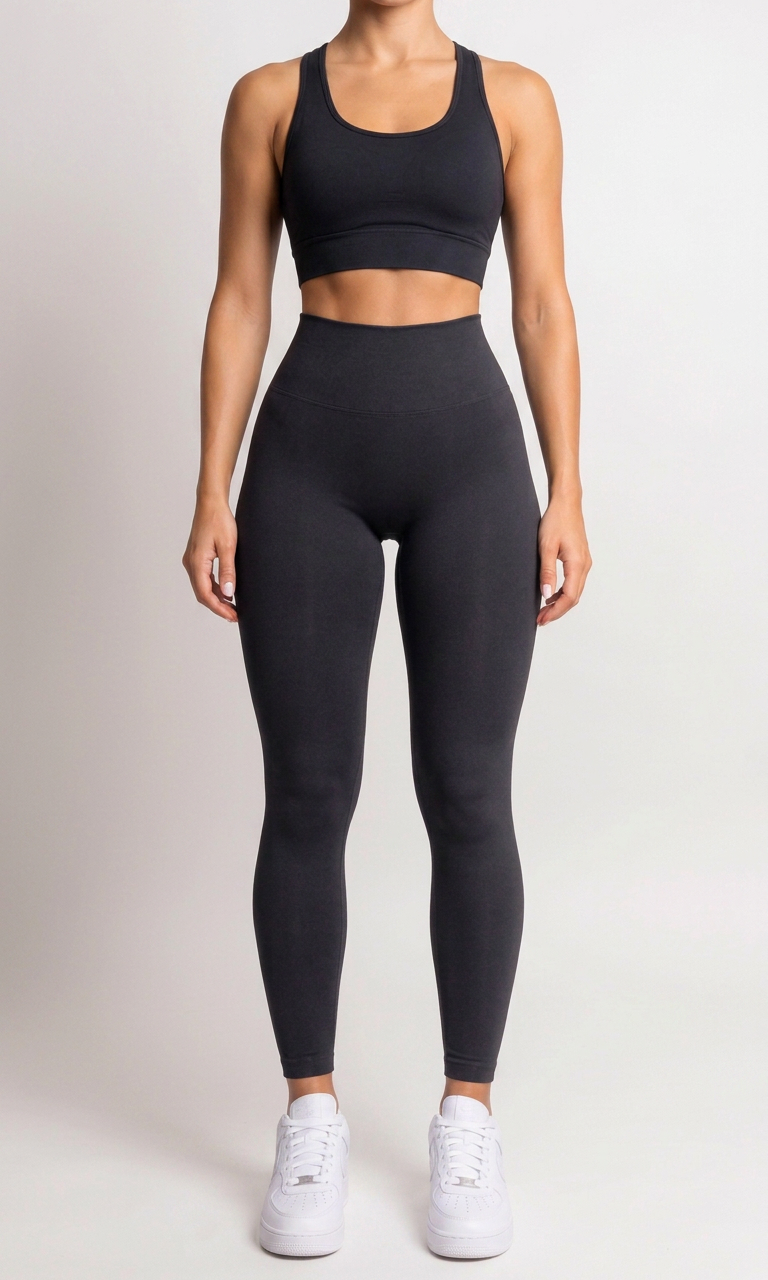
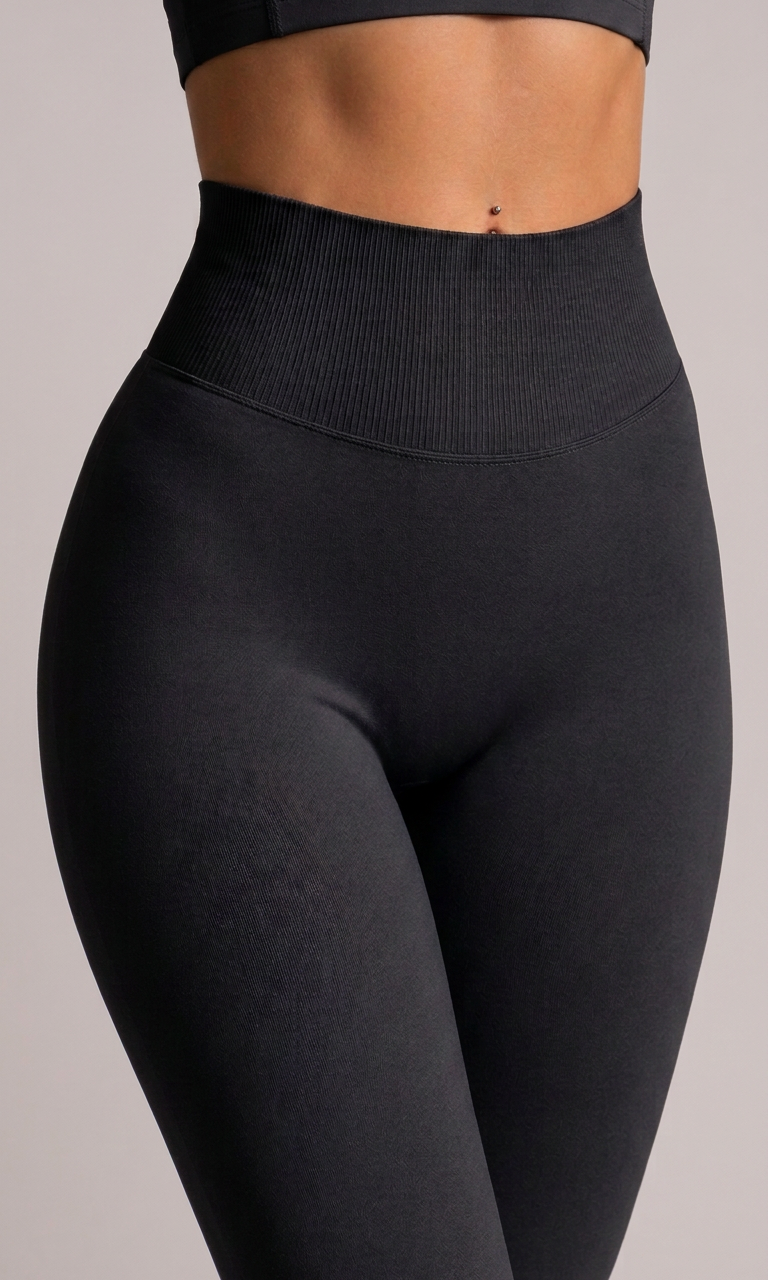
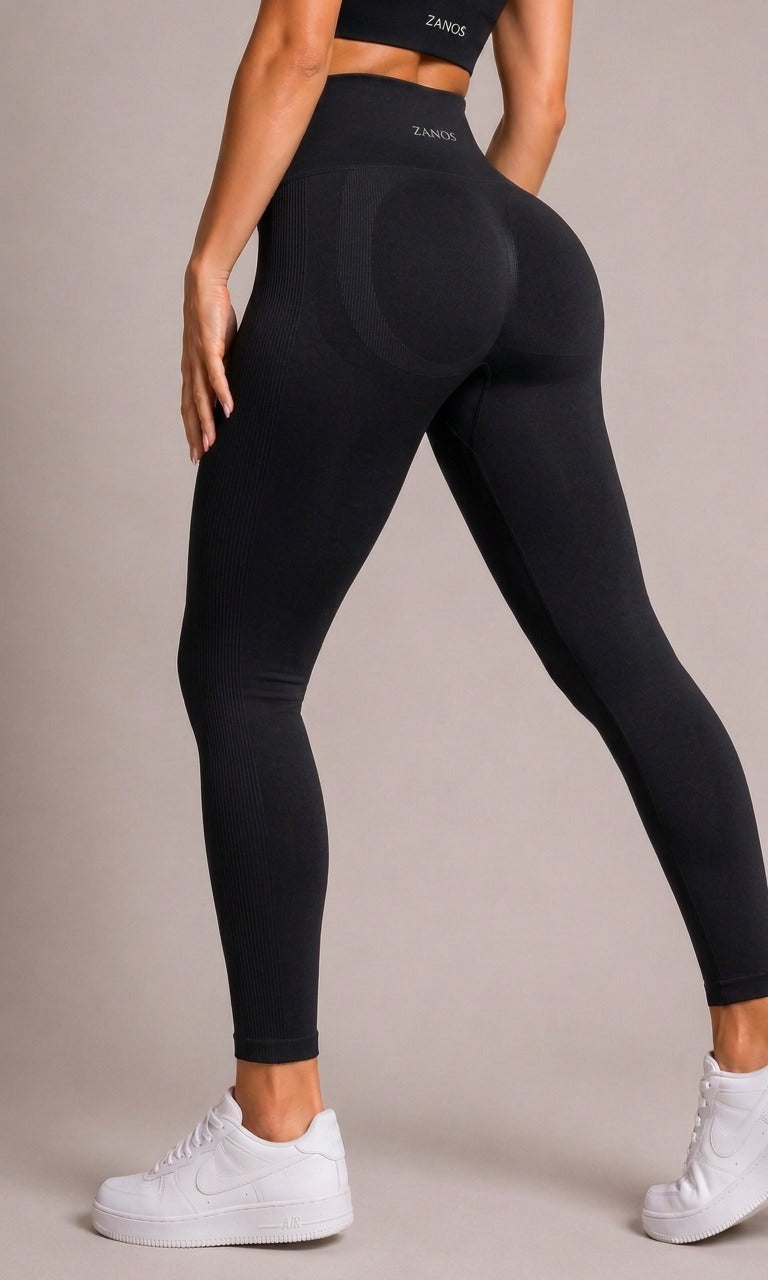
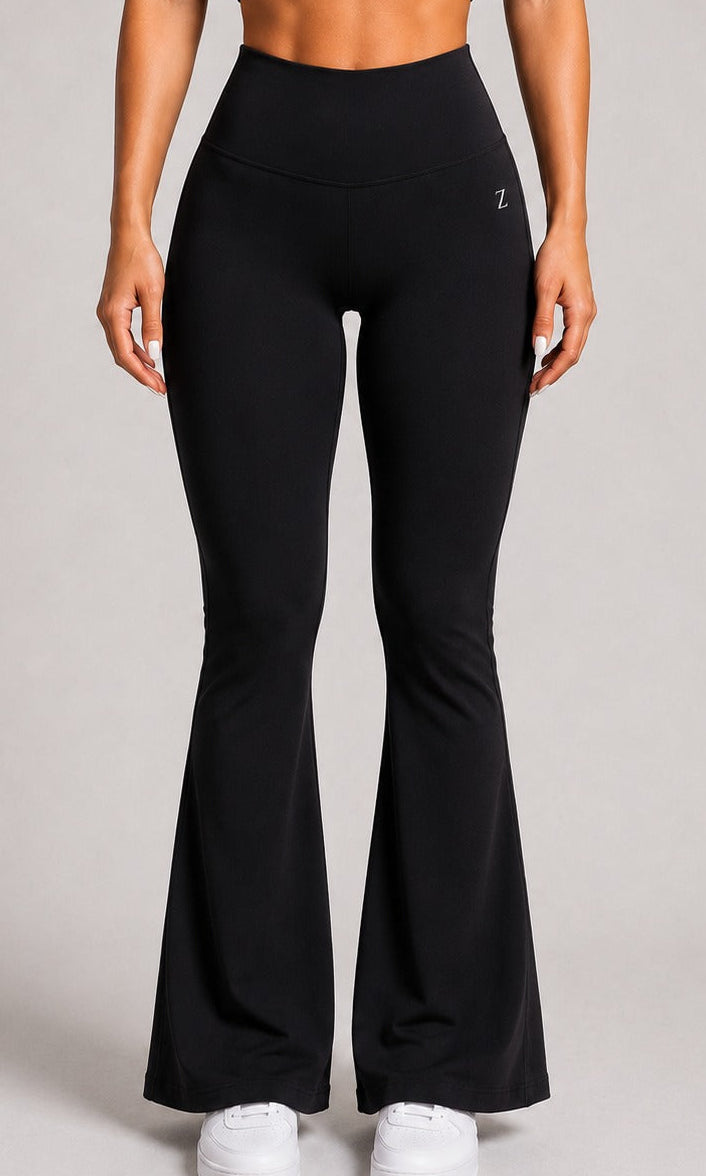
ZANOS CARE
ACTIVEWEAR CARE GUIDE
Wear it well. Wash it right. Make it last.
Wear your activewear correctly
Gentle care helps protect performance
Keep your ZANOS pieces performing longer
How To Care For Your Activewear
Good activewear should support you through repeated training, movement and everyday wear. Correct care helps protect the fit, fabric recovery, waistband stability and shape of your garments for longer.
ZANOS activewear is developed with movement testing, fabric research and long term durability in mind. Even strong performance materials can lose elasticity or softness when exposed to excessive heat, harsh washing products or unnecessary friction.
This guide explains how to wear, wash, dry and store your activewear correctly so every garment can continue performing as intended.
For detailed washing instructions, visit our Activewear Wash Guide.
Before Wearing Your Leggings
Take a moment to check that the garment is facing the correct direction and that the fabric is evenly positioned before pulling it on.
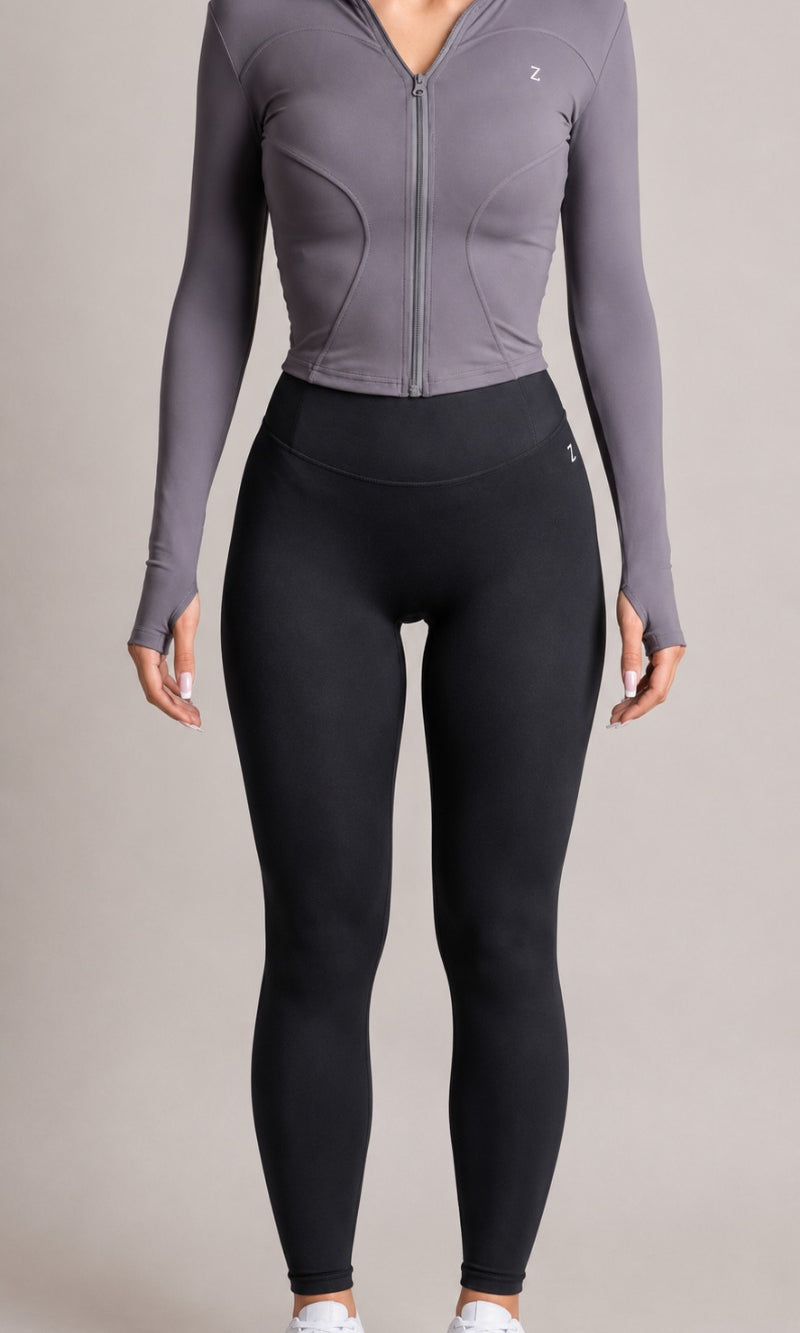
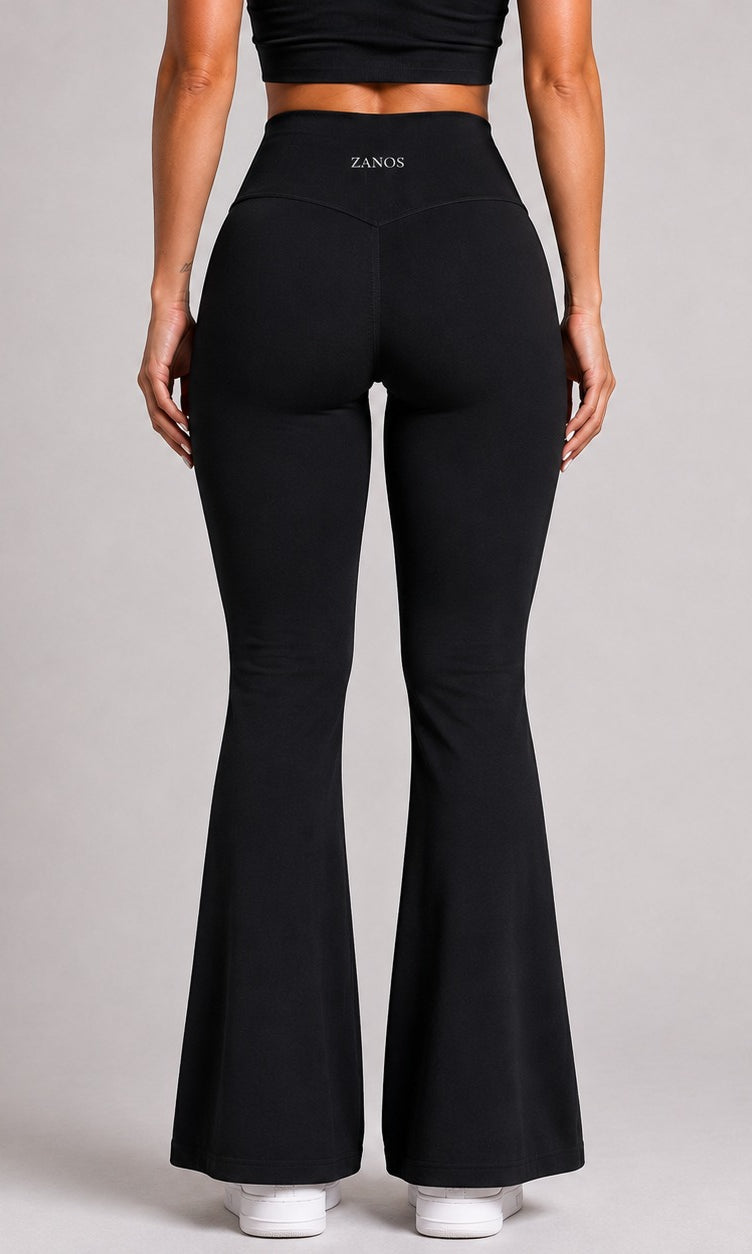
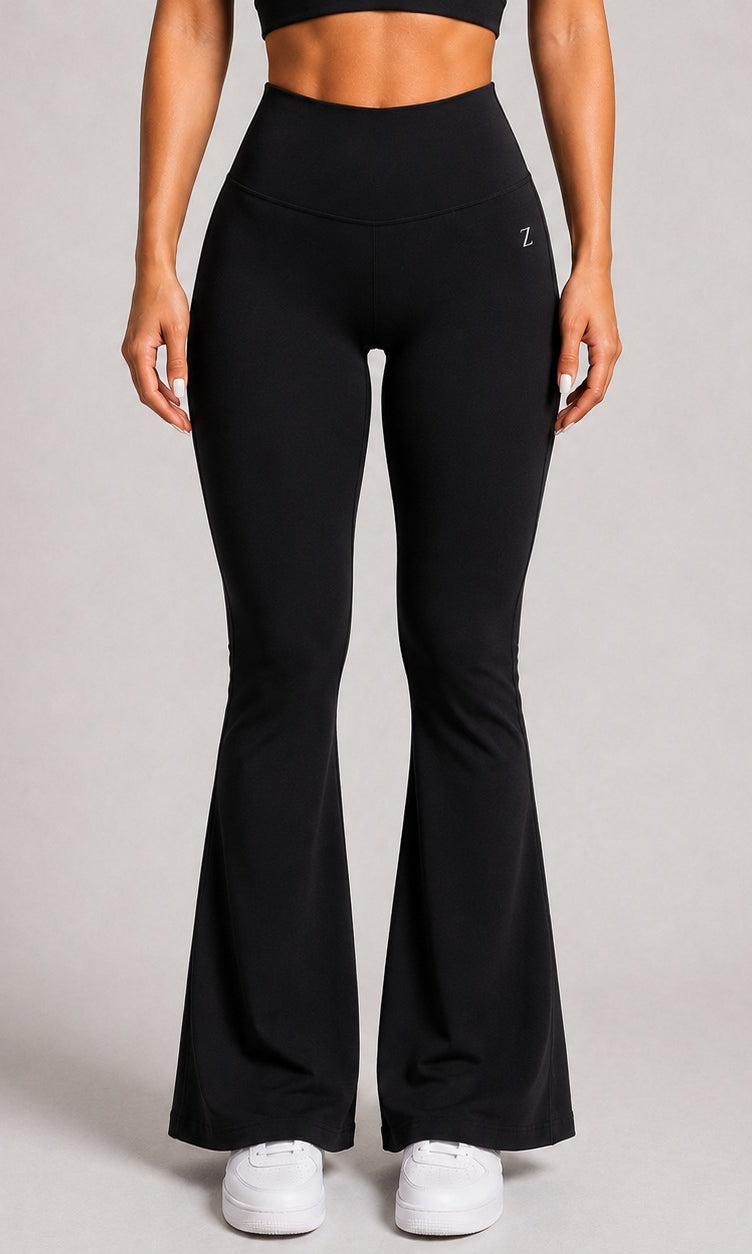
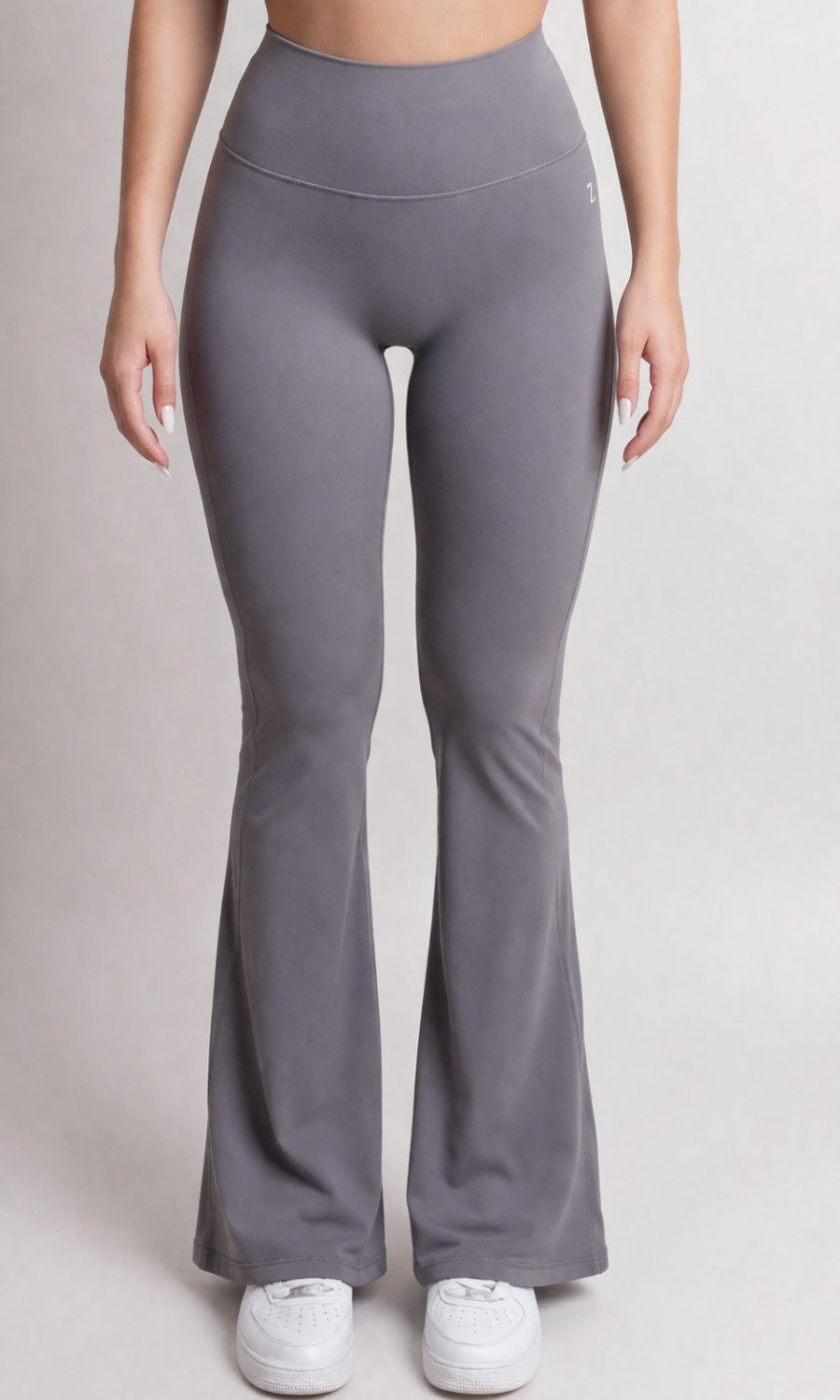
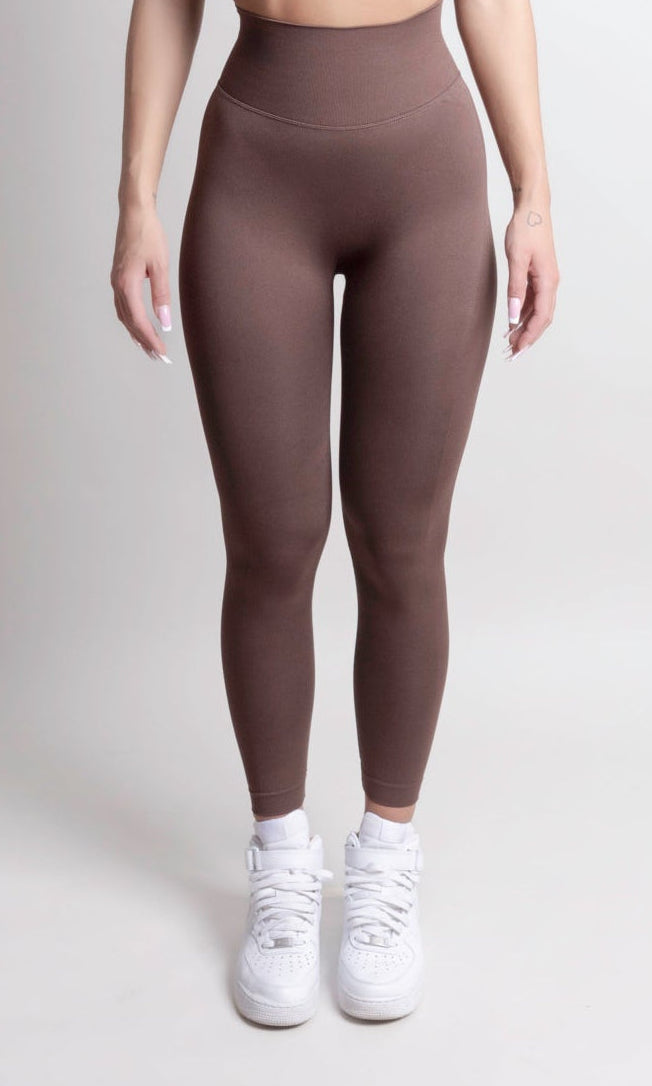
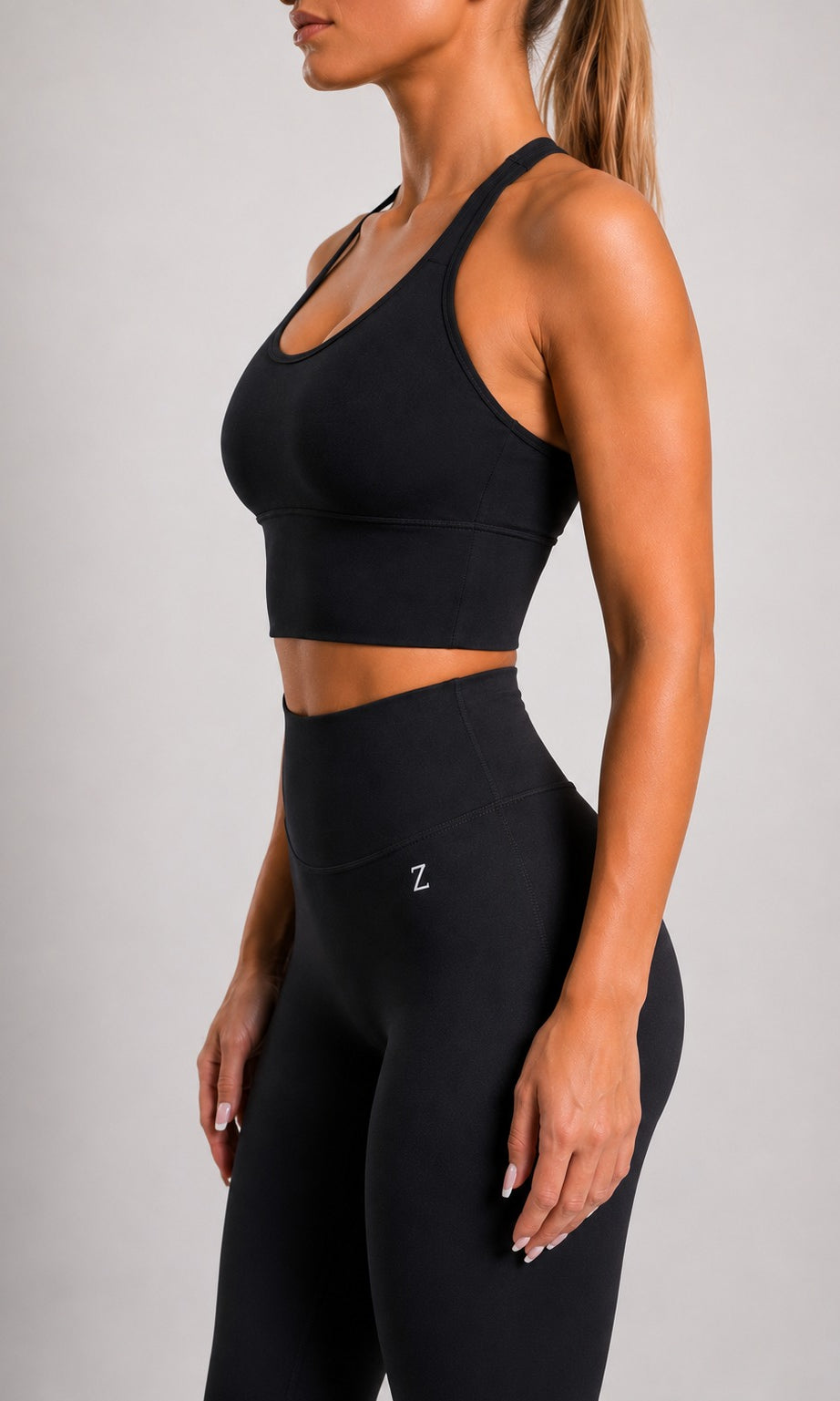
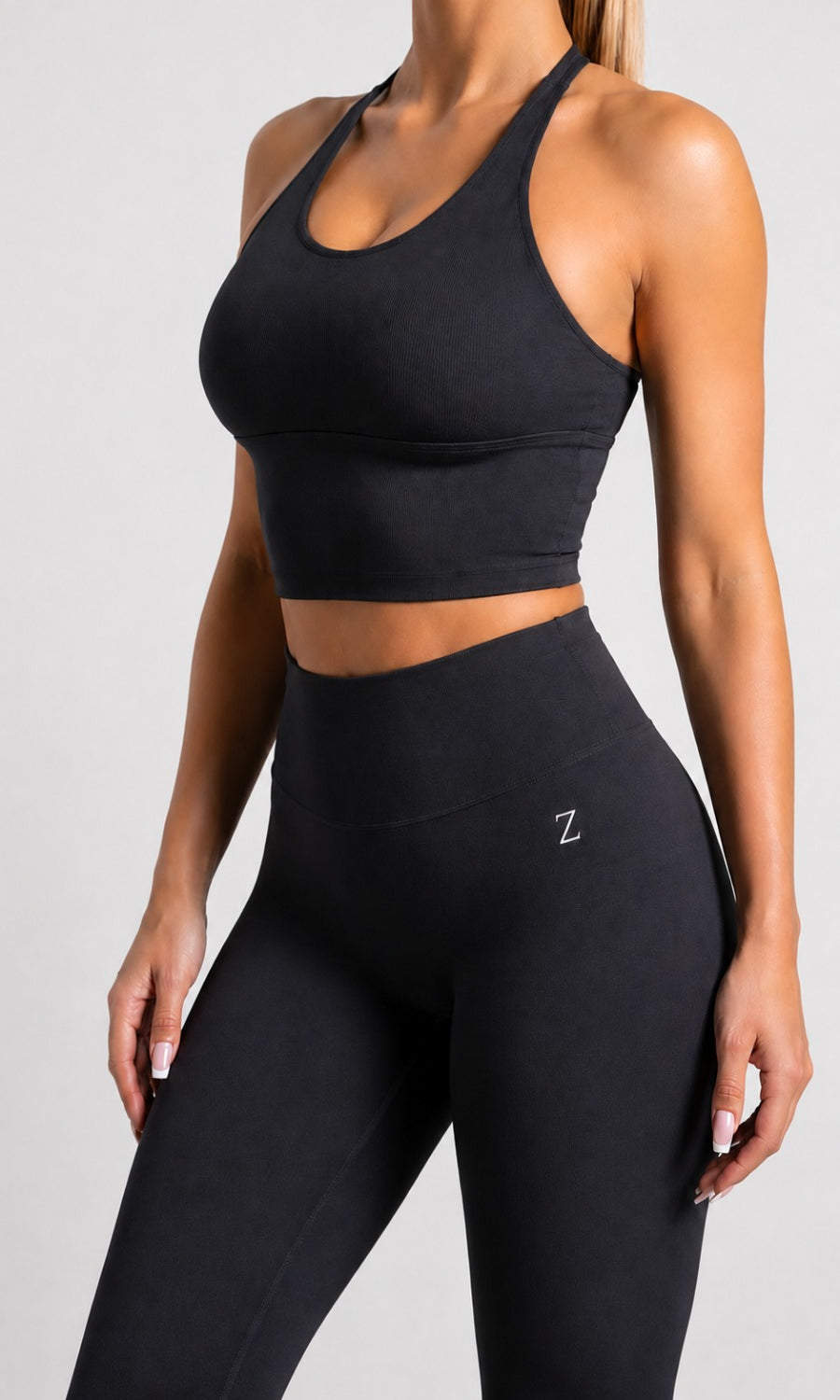
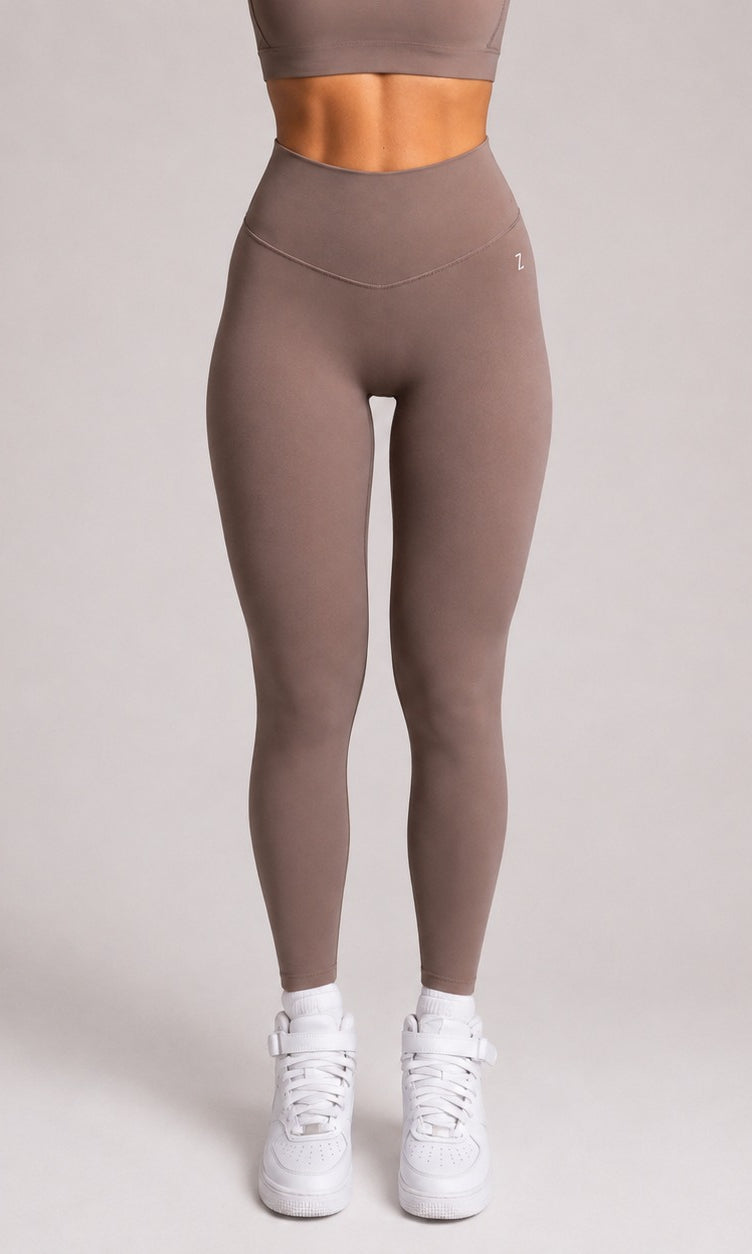
Avoid pulling your leggings up by the waistband alone. Instead, gather the fabric from the lower leg and gradually work it upwards over the calves, thighs and hips.
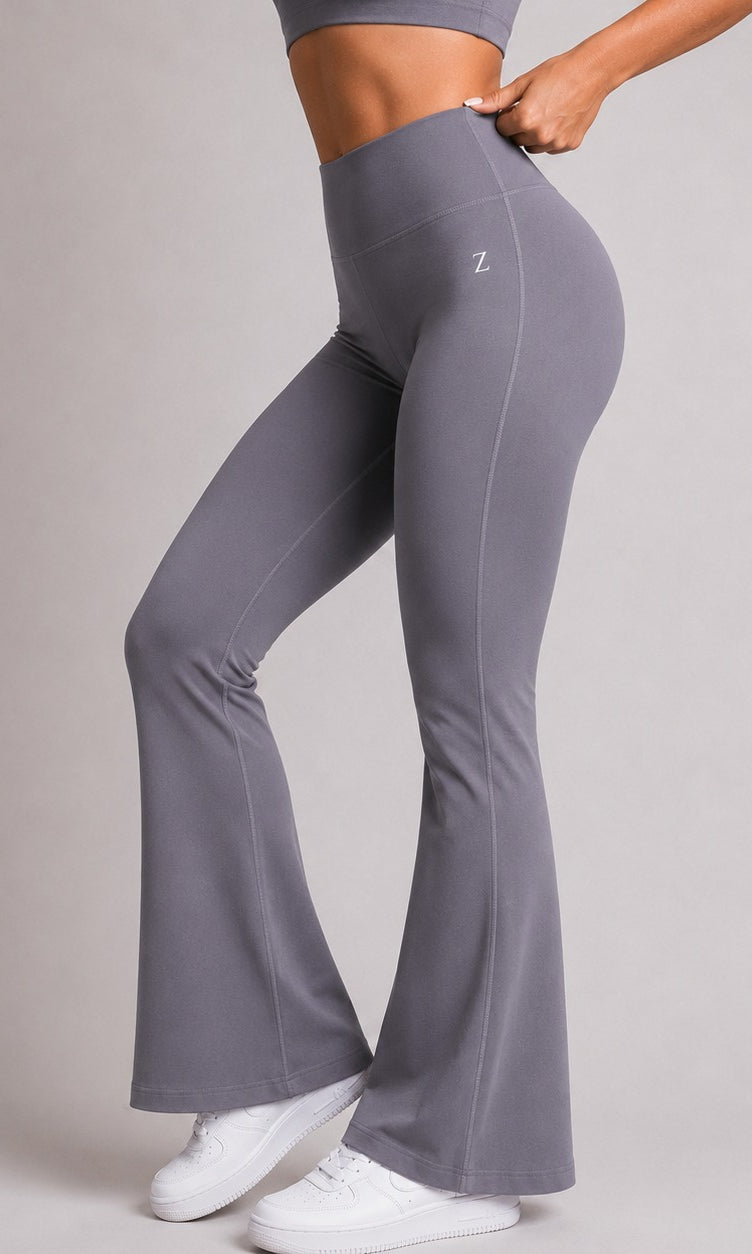
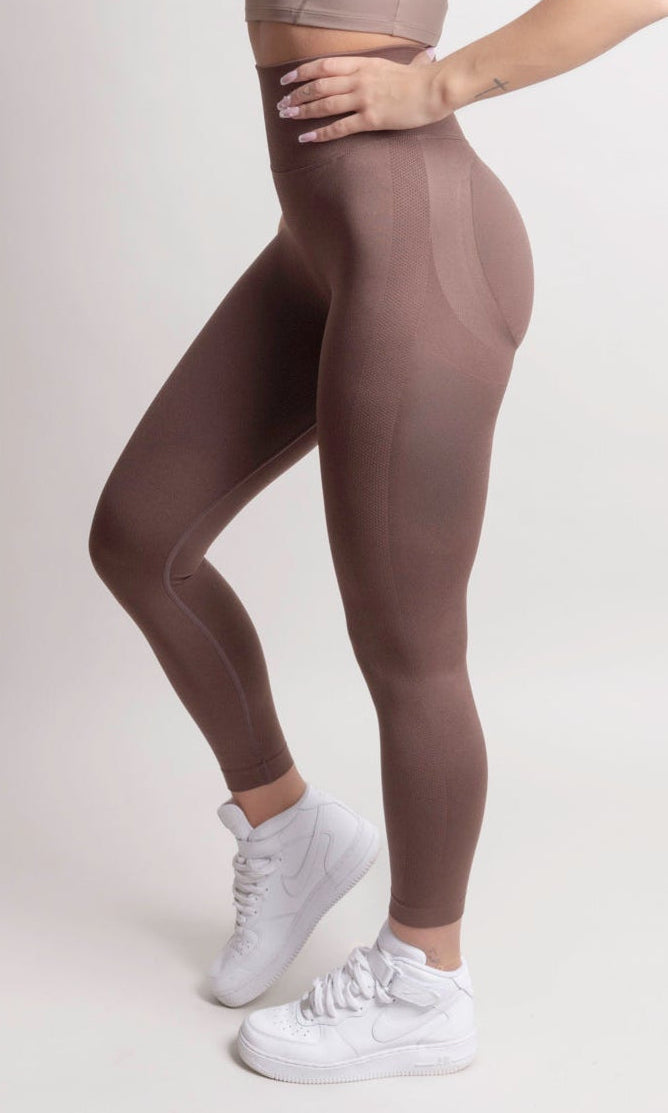
Once the leggings are in place, adjust the fabric evenly around the legs and waist. This reduces unnecessary tension on the waistband and seams.
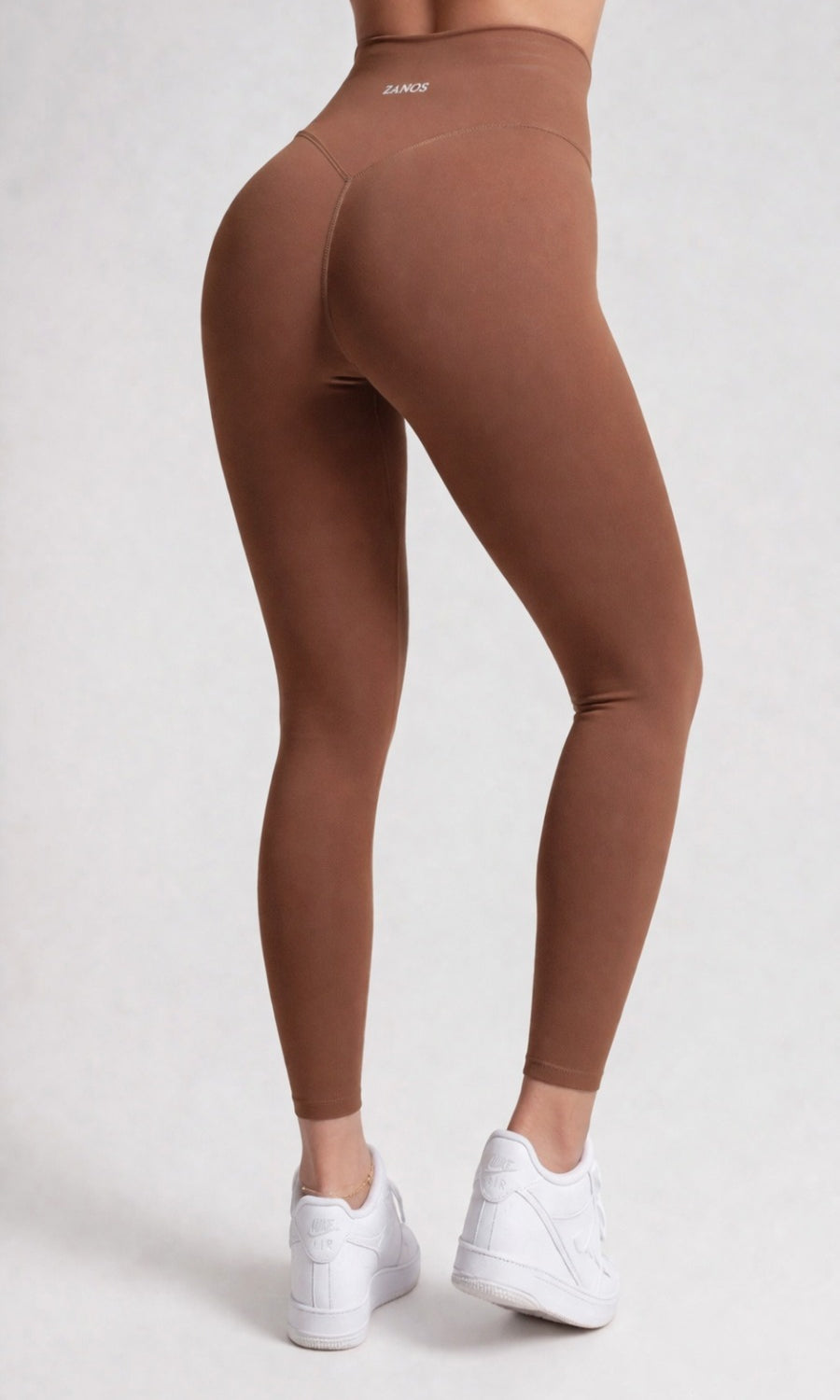
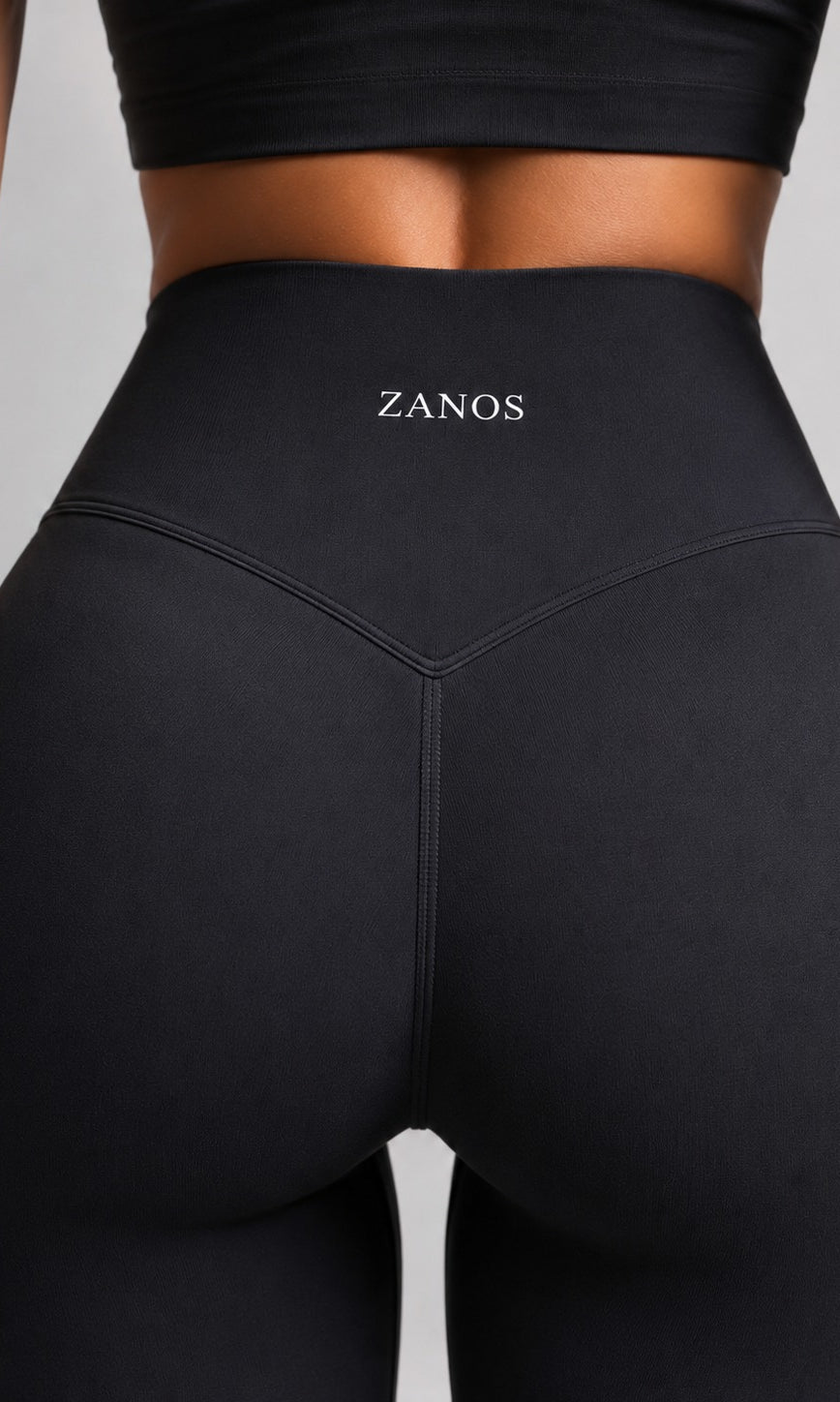
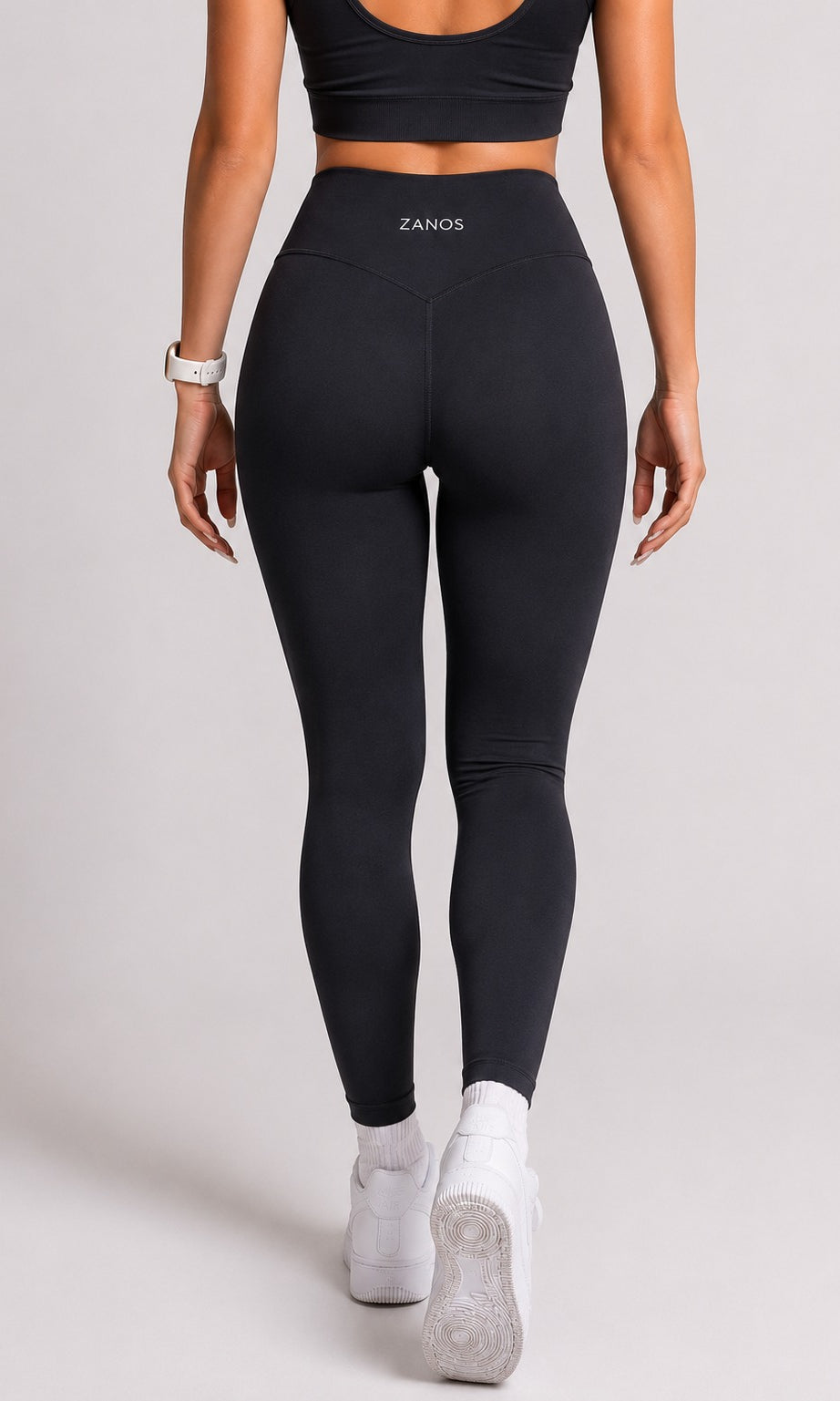
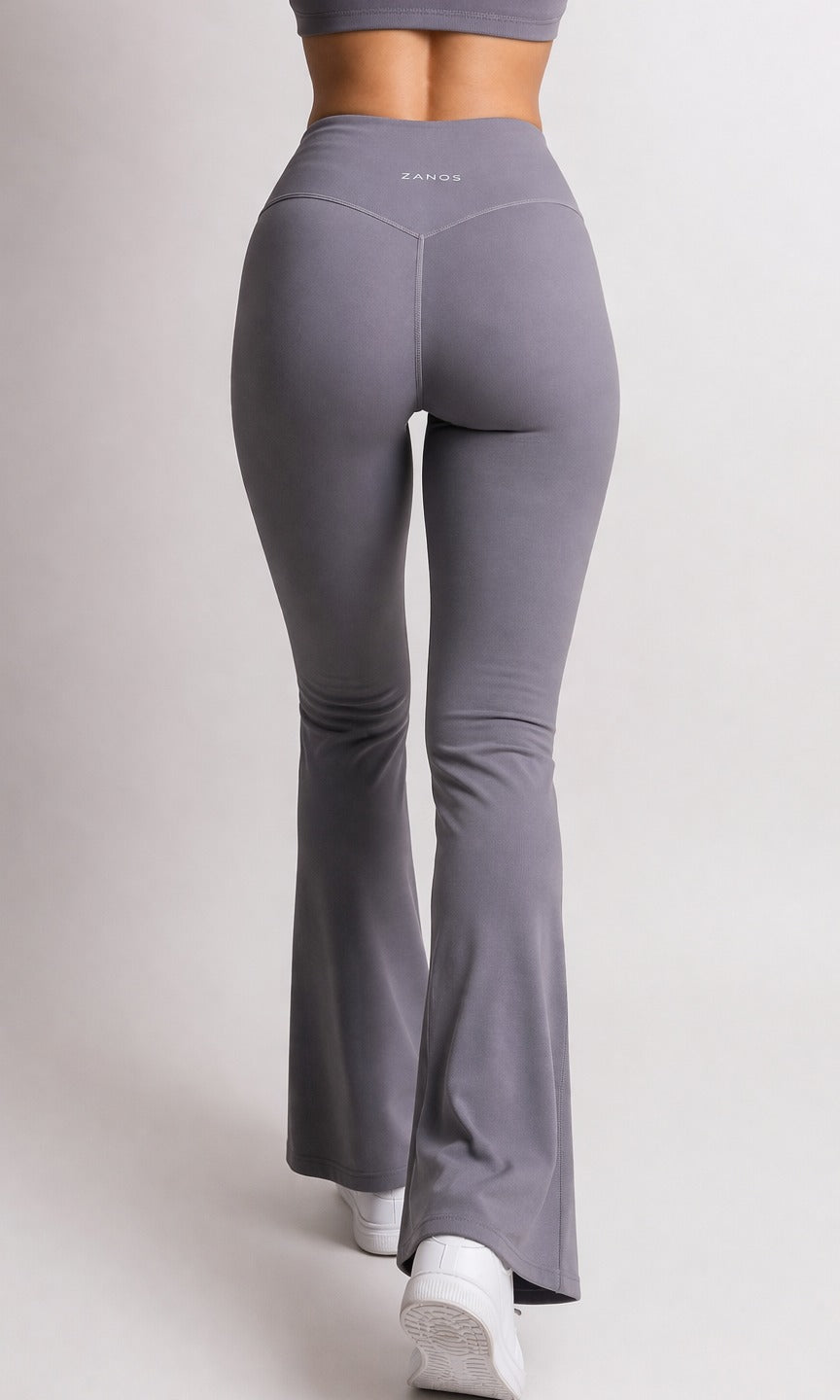
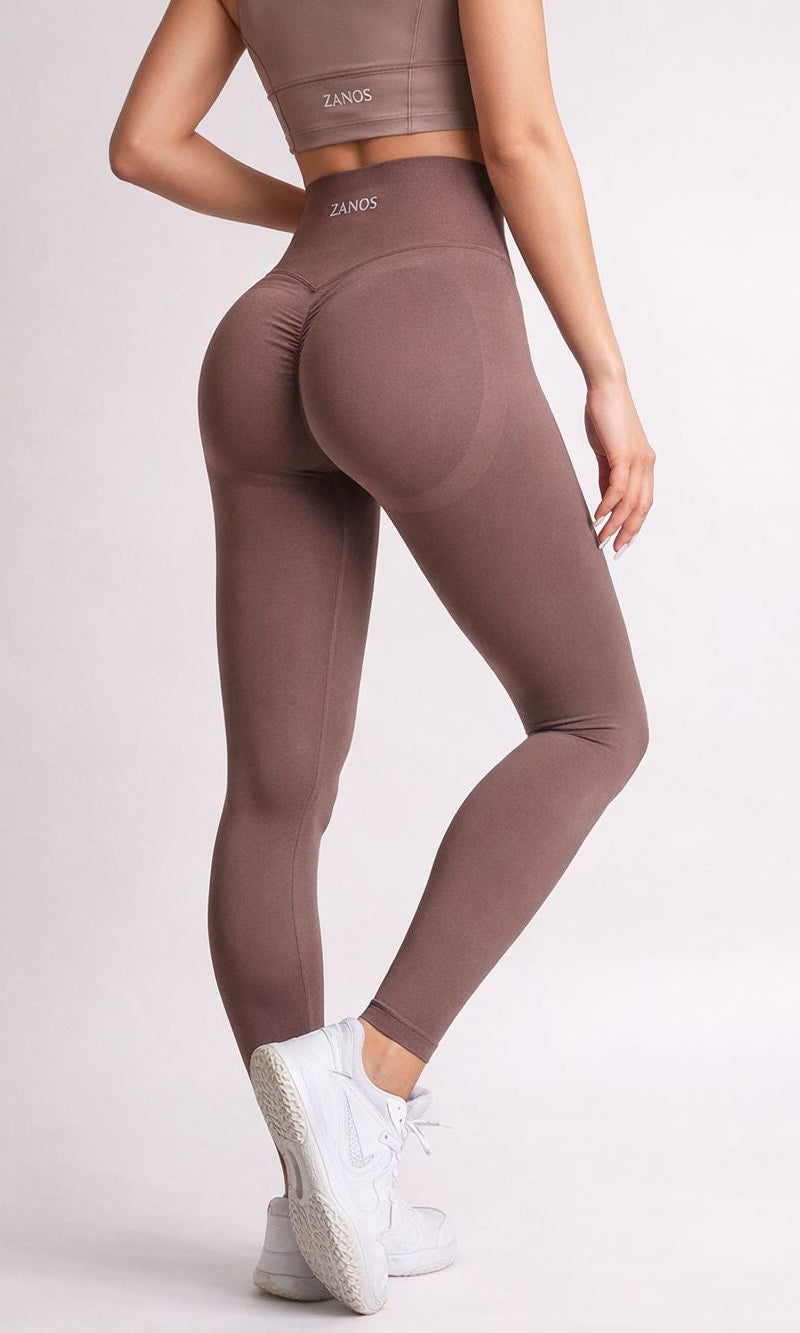
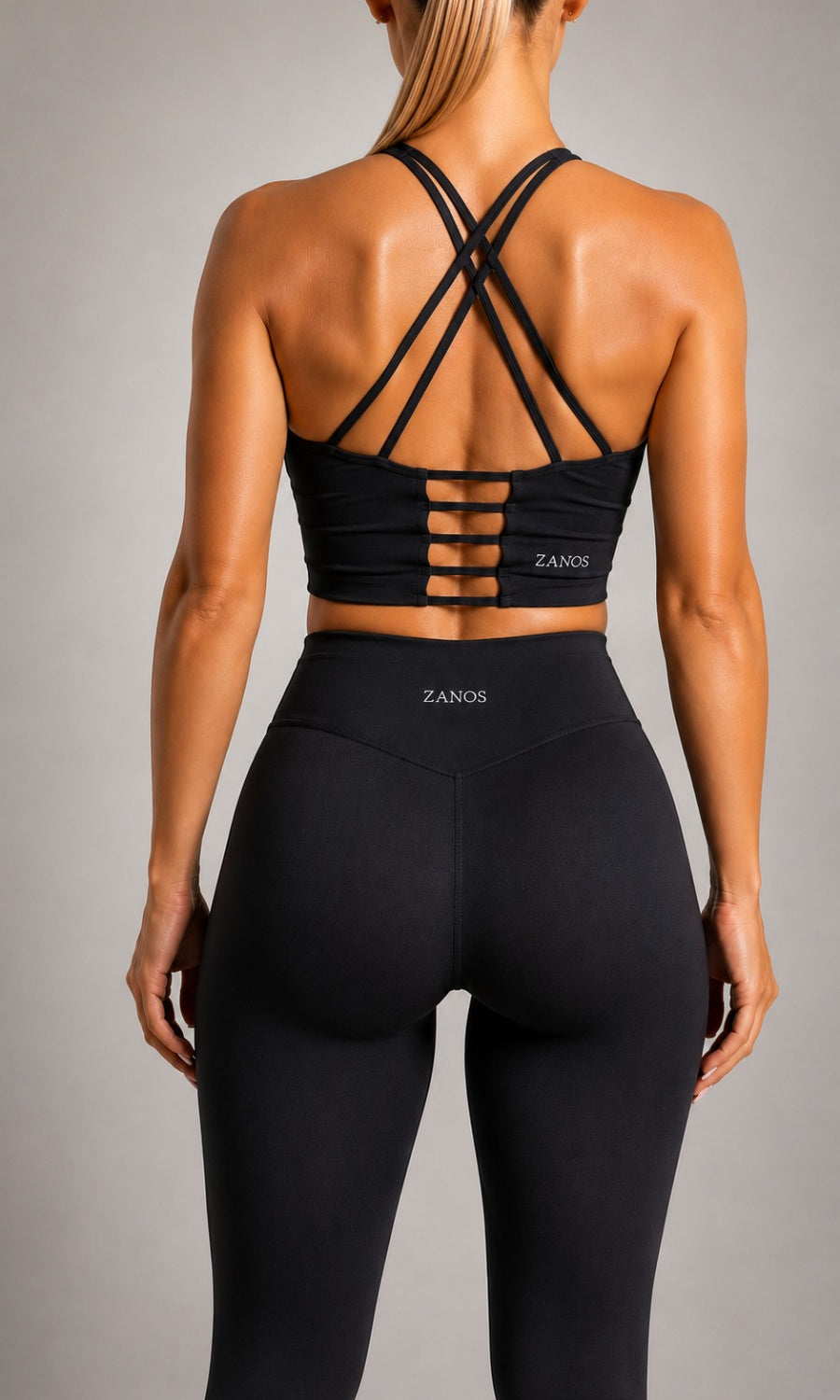
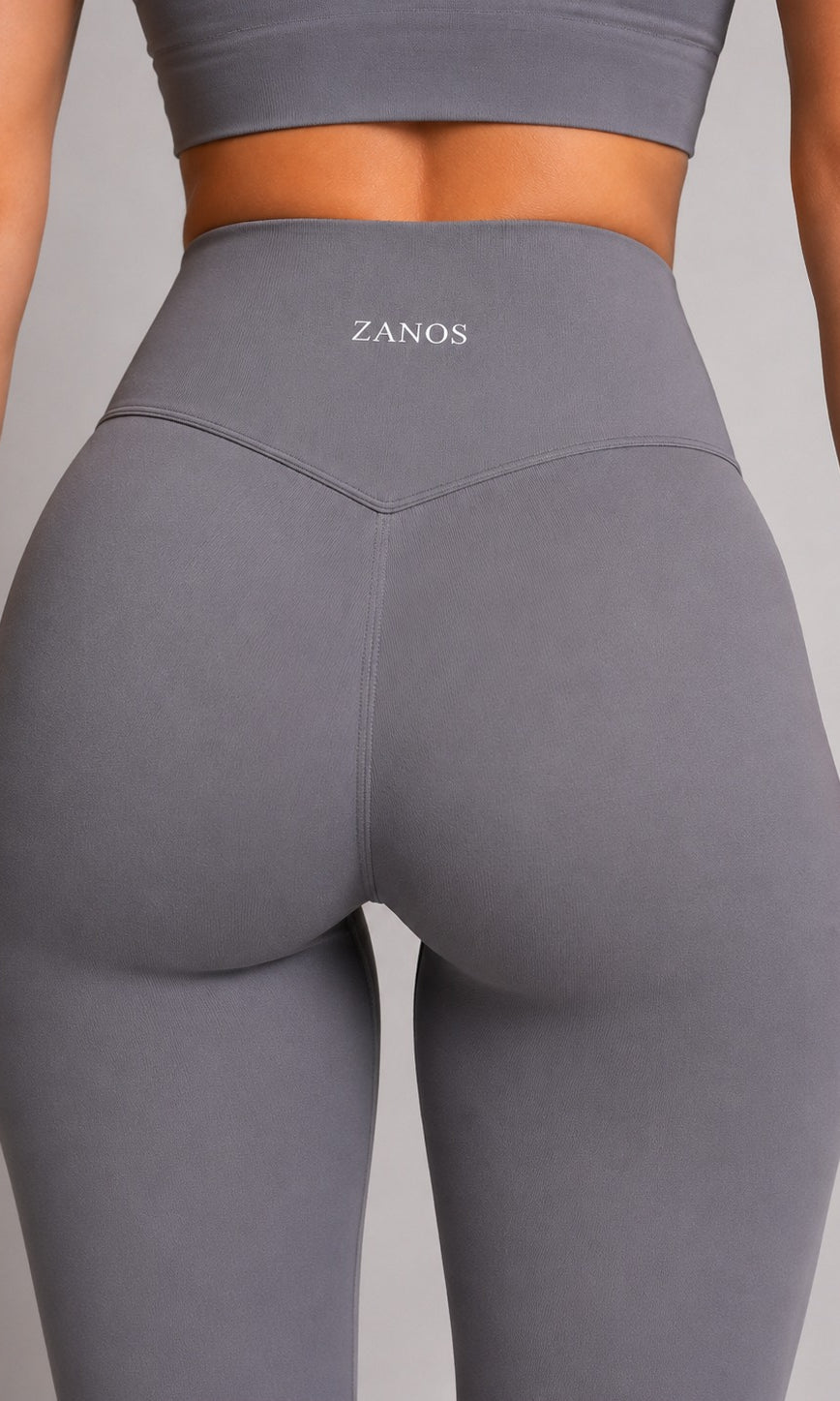
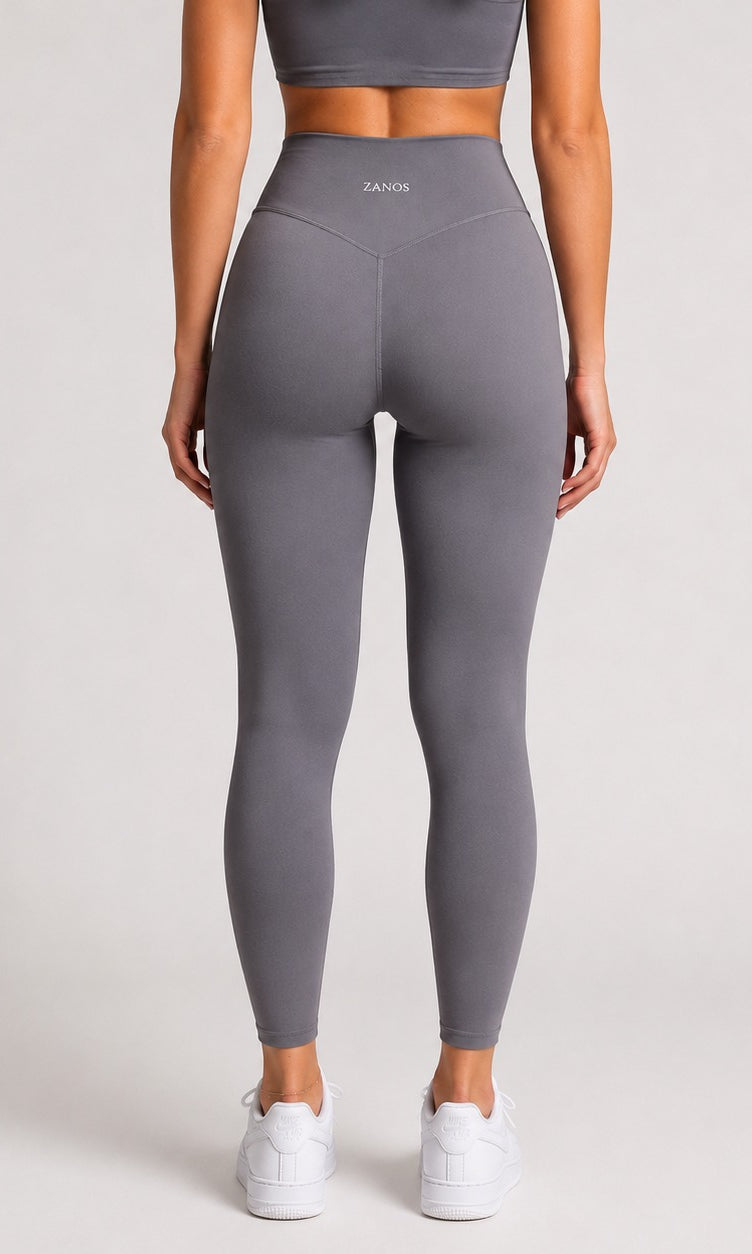
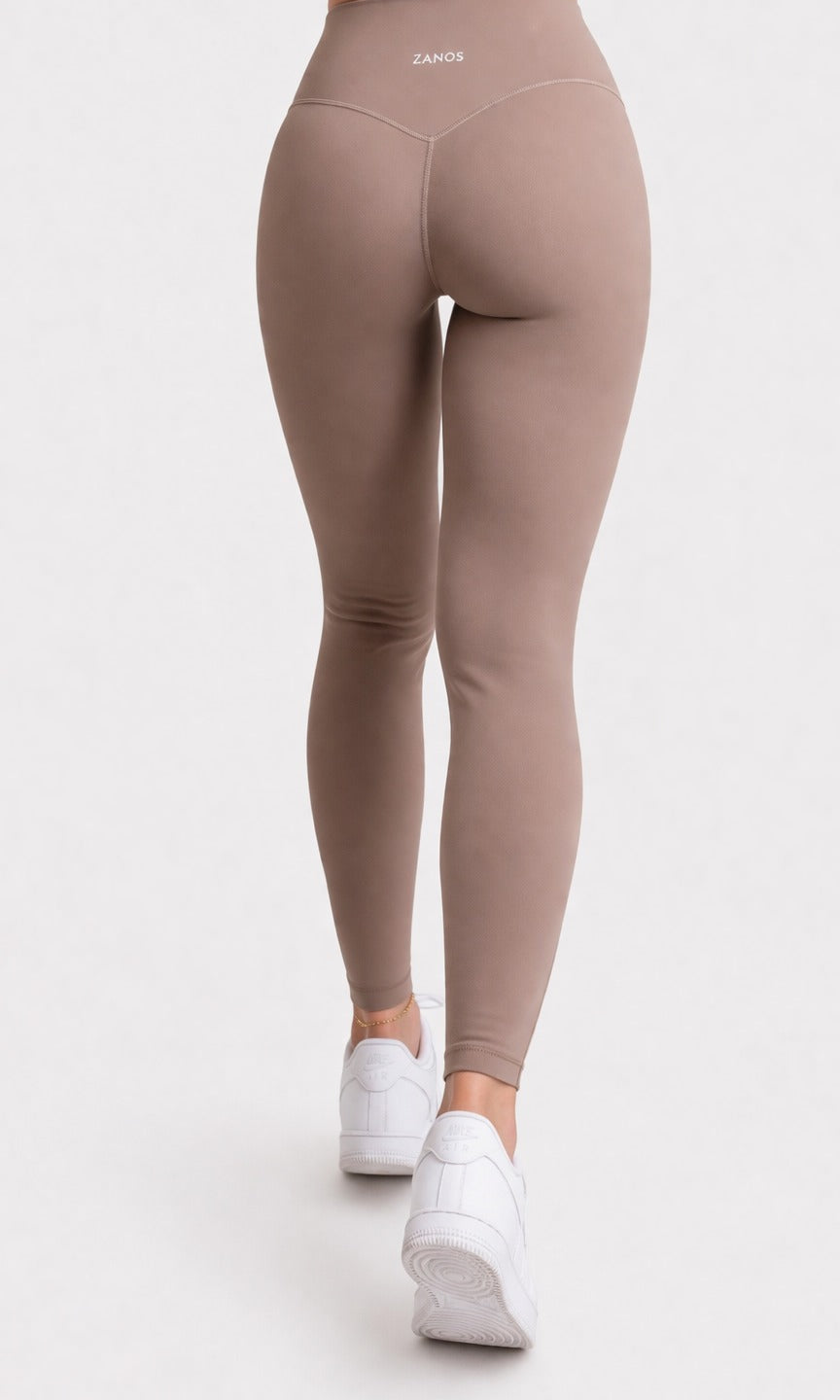
For scrunch leggings, carefully centre the scrunch seam before training. The seam should follow the natural centre of the body without being forcefully pulled into position.
Never pull aggressively on the scrunch seam. The shaping detail is designed to move naturally with the body when the leggings are worn in the correct size.
Explore our Scrunch Tights Collection or discover fantastic prices at our sale collection at Zanos Sales to get the best prices for the buck.
How To Put On Scrunch Tights Correctly
Start by stepping into each leg carefully and pulling the fabric towards the knees.
Continue moving the fabric upwards in small sections. Avoid pulling directly from the waistband because this concentrates unnecessary force in one area.
Once the leggings are positioned over the hips, adjust the fabric around the thighs and glutes. Centre the back seam gently and make sure the scrunch detail follows the body naturally.
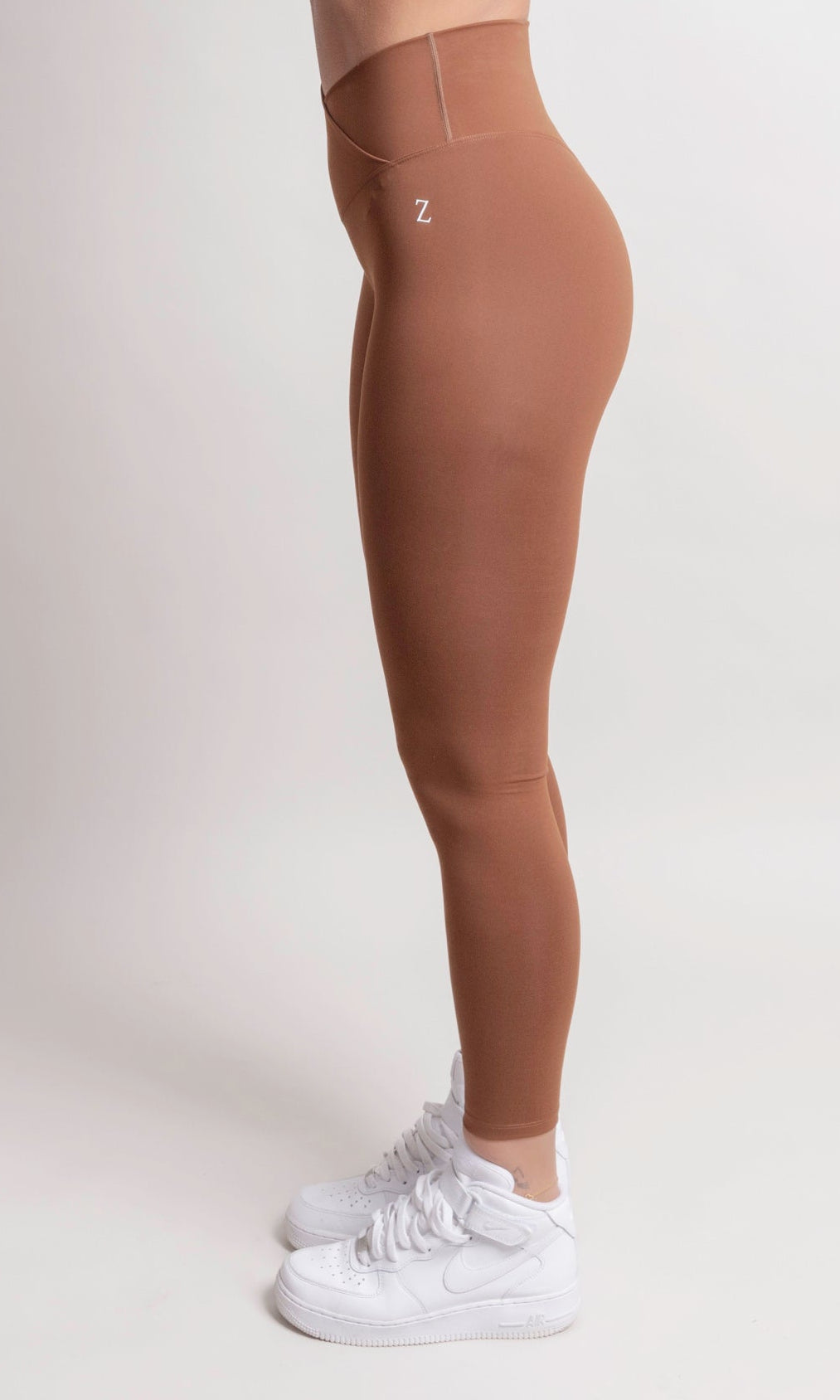
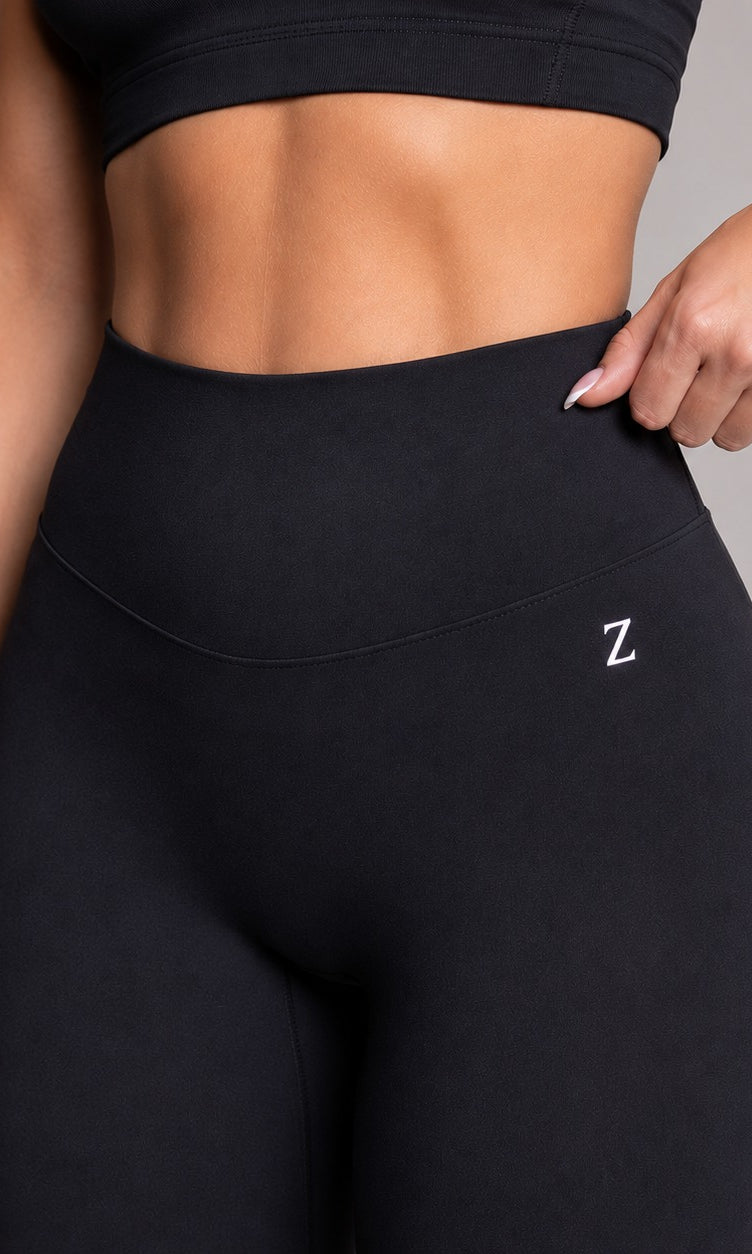
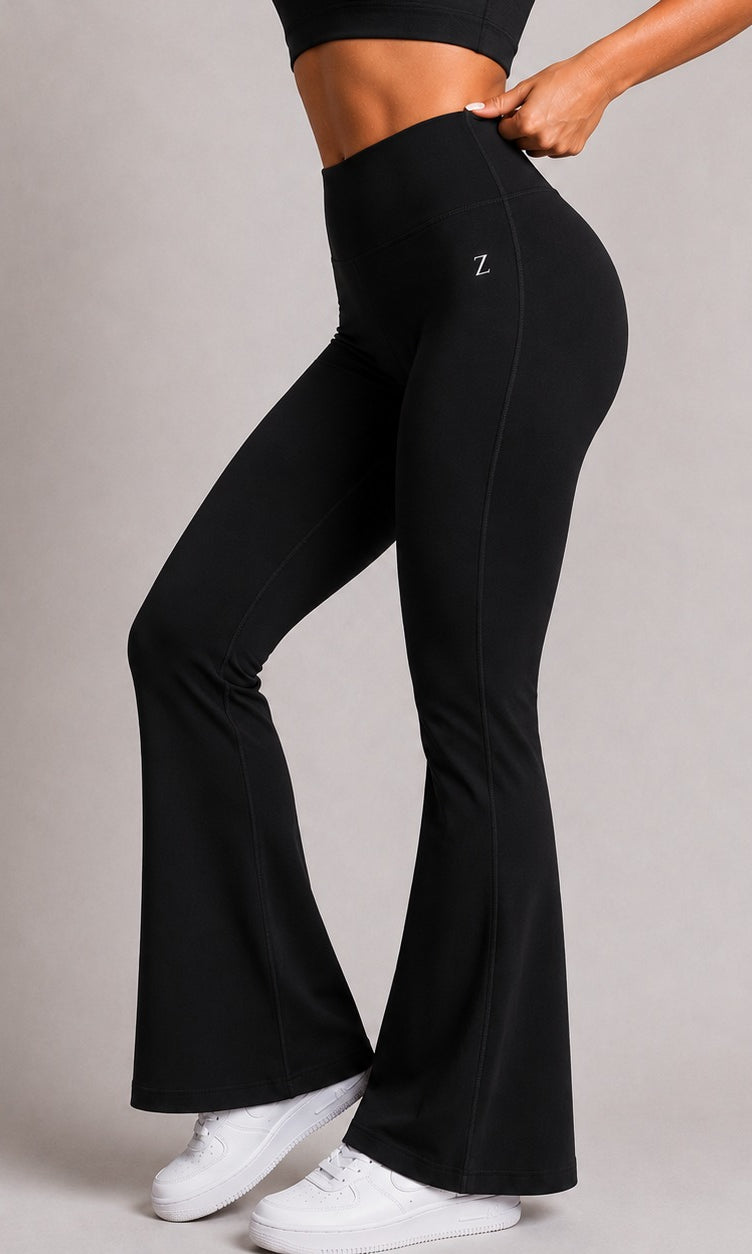
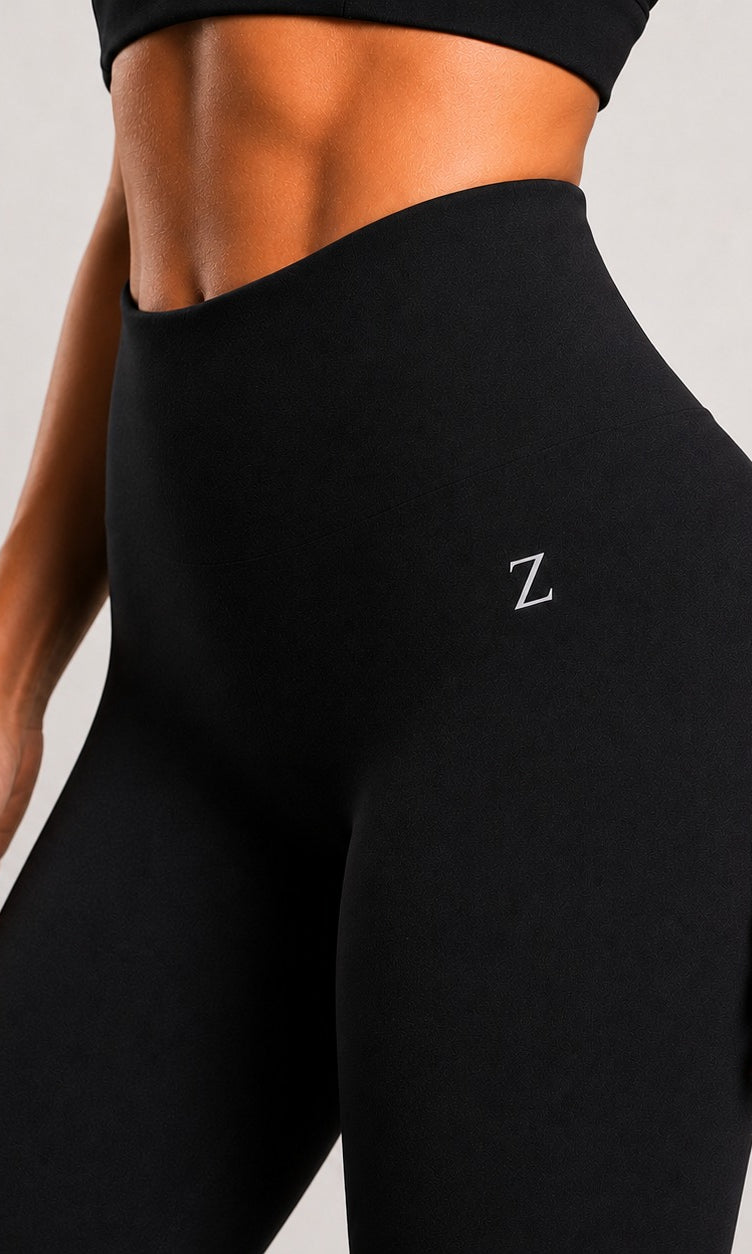
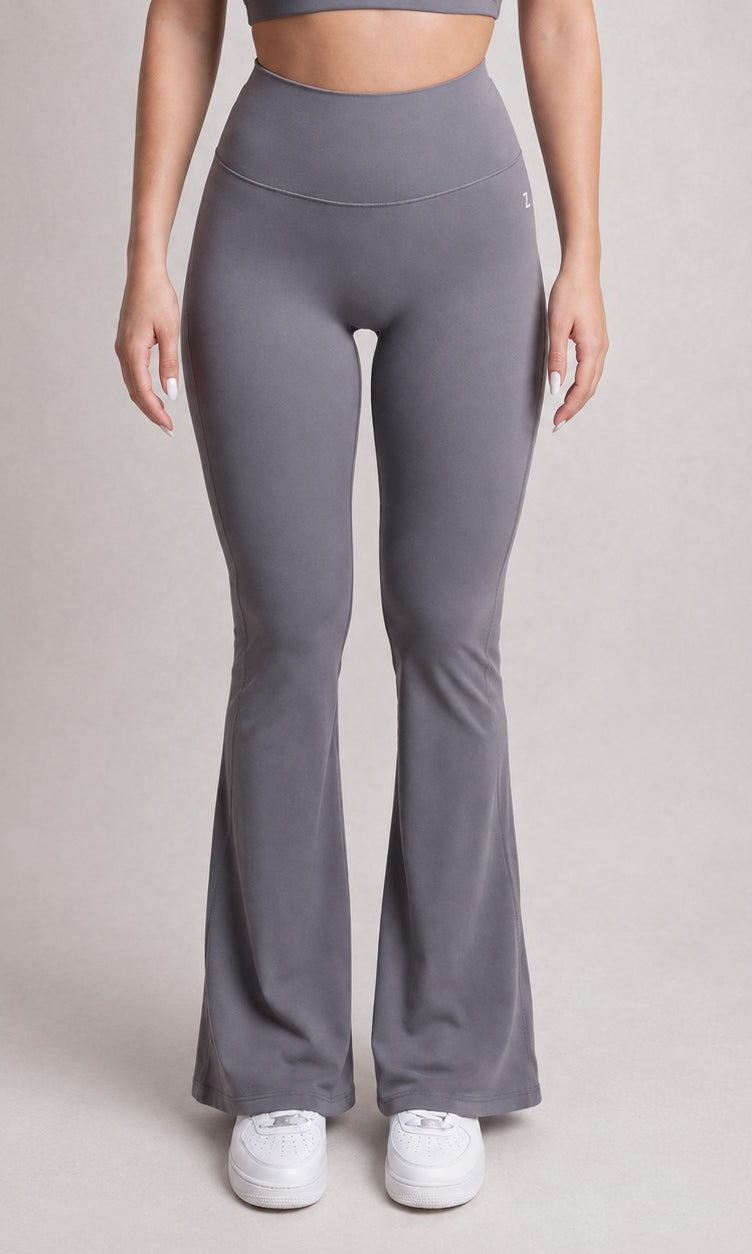
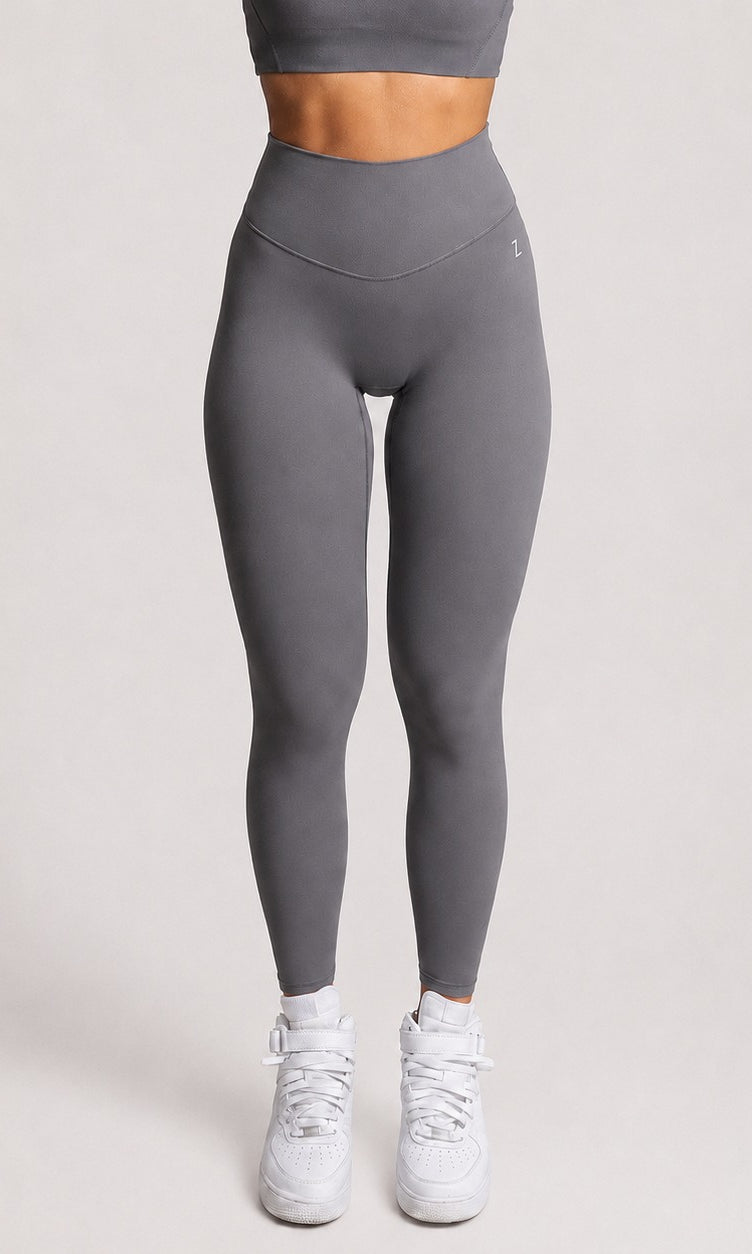
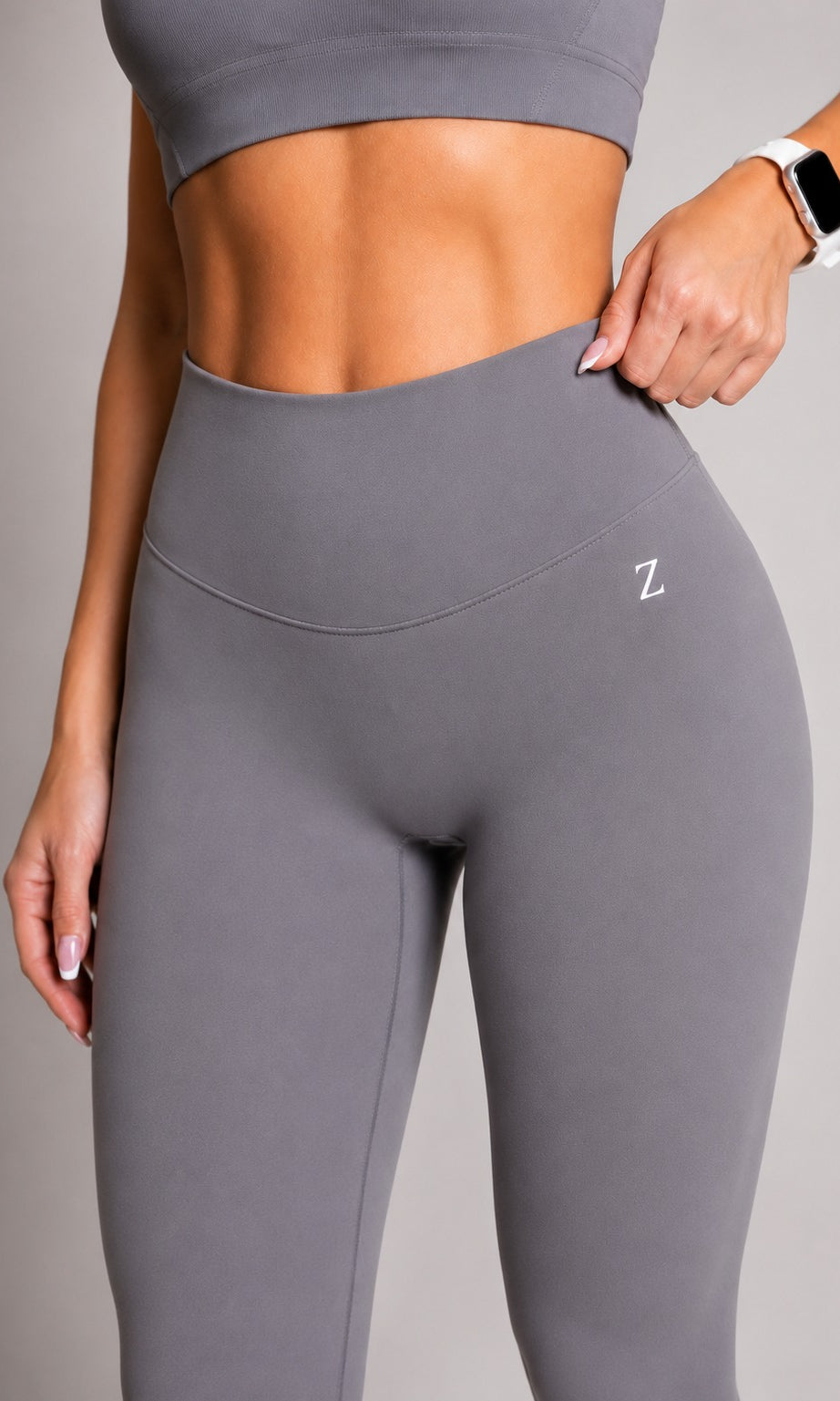
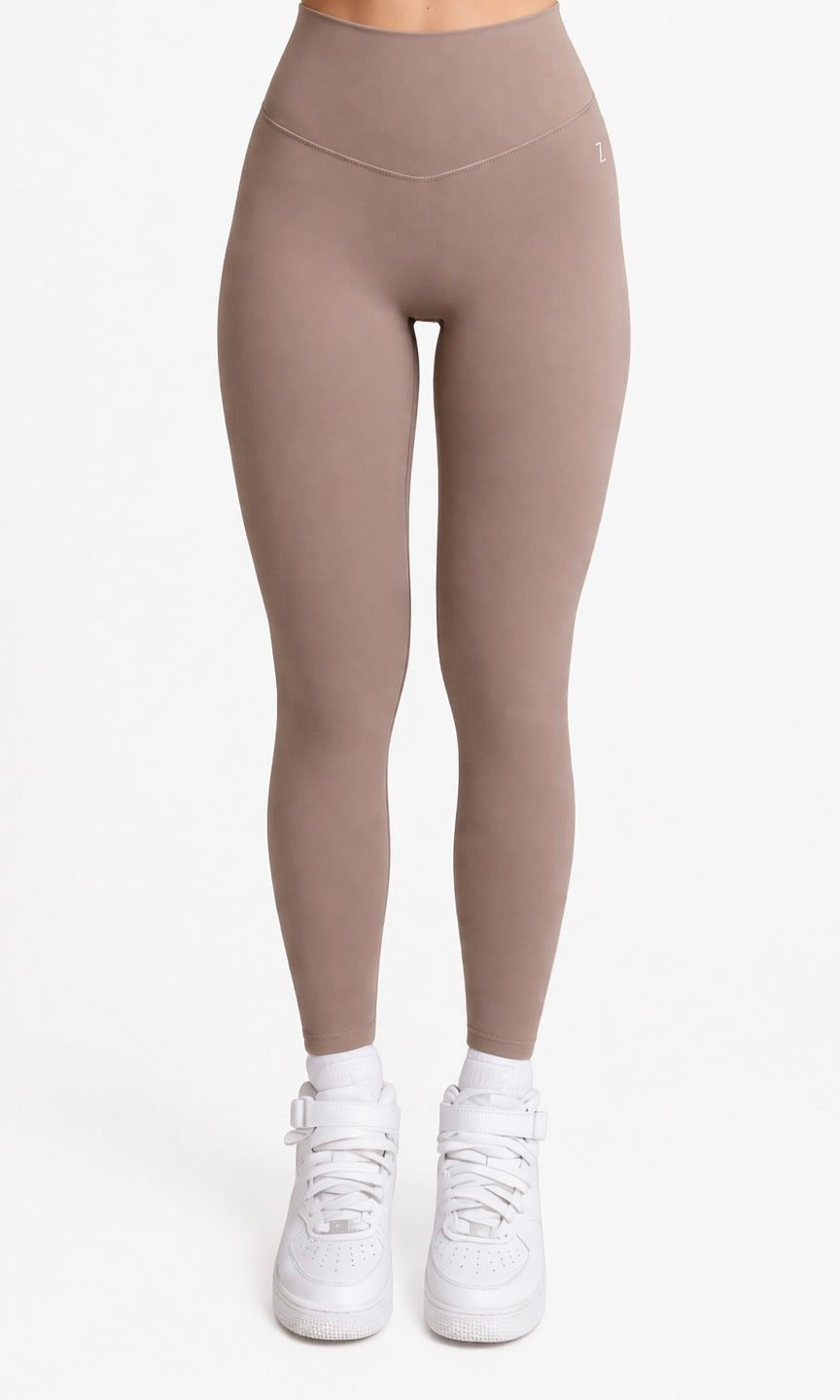
The waistband should sit flat against the waist without rolling, folding or creating sharp pressure.
Correct sizing is essential. Leggings that are too small can create excessive tension through the fabric and scrunch seam. Leggings that are too large may not provide the intended support.
Use the ZANOS Size Guide before choosing your size.
Wash Activewear After Use
Activewear collects sweat, skin oils and product residue during training. Washing it after use helps prevent odour and keeps the fabric feeling fresh.
Turn every garment inside out before washing. This protects the outer surface, printed details and logos from unnecessary friction.
Separate activewear from towels, denim and garments with rough fastenings. Heavy materials can rub against performance fabrics and create pilling.
Close all zippers before washing. Open zippers can catch onto softer fabrics and cause damage.
Wash similar colours together to reduce the risk of colour transfer.
Choose A Gentle Washing Cycle
Use a gentle machine cycle with cool water. High temperatures can place additional stress on elastic fibres and reduce fabric recovery over time.
A lower temperature is normally sufficient when activewear is washed shortly after use.
Use a small amount of mild detergent. Too much detergent can remain trapped inside synthetic fibres and contribute to odour or stiffness.
Do not use bleach or harsh stain removers unless the garment care label specifically allows it.
For complete washing instructions, follow our Activewear Wash Guide.
Avoid Fabric Softener
Fabric softener can leave a coating across performance fibres. This coating may affect breathability, moisture management and the natural feel of the material.
It can also make it more difficult for water and detergent to remove sweat and body oils during future washes.
Use a mild detergent without fabric softener to protect the function and texture of your activewear.
Avoid Excessive Heat
Heat is one of the main factors that can weaken elastic fibres.
Do not place activewear on radiators or other direct heat sources. Avoid hot tumble drying unless the care label clearly permits it.
Allow garments to air dry naturally in a ventilated space. Lay structured items flat or hang them carefully without stretching the waistband.
Avoid leaving dark garments in strong sunlight for long periods because prolonged exposure may affect colour.
Protect Waistband Stability
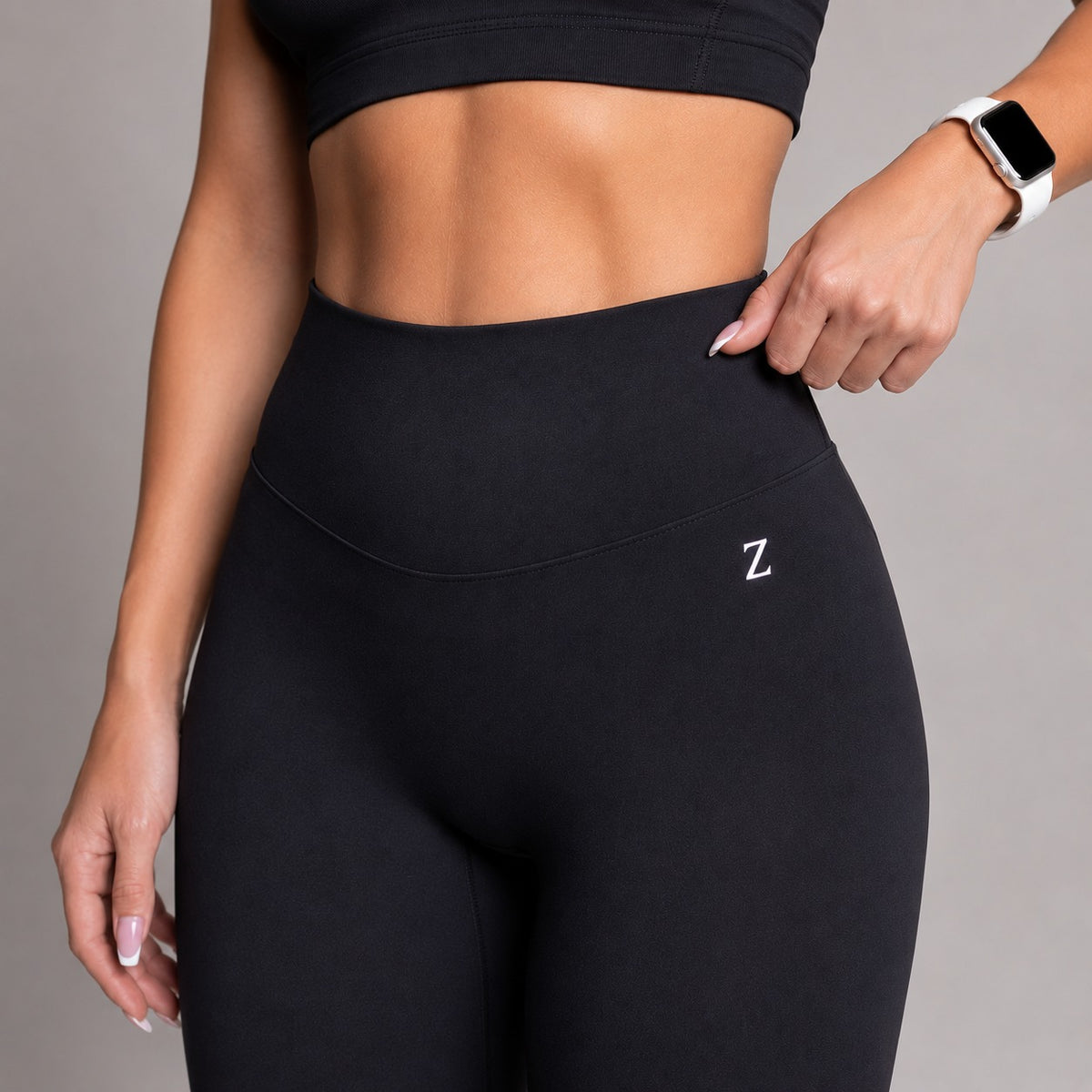
The waistband provides support through a combination of construction, compression and fabric recovery.
Avoid pulling leggings up repeatedly by the waistband. This creates concentrated stress and may gradually affect its shape.
When removing leggings, roll the fabric down gradually rather than pulling sharply from one point.
Store leggings folded without placing heavy objects on top of the waistband. Do not stretch the waistband over wide hangers.
Correct use and care help preserve the stable fit that allows leggings to remain secure during movement.
Read Tights That Don't Slide Down to learn more about waistband construction and fit stability.
Protect The Scrunch Seam
The scrunch seam is a shaping detail and should be handled carefully.
Do not pull directly on the seam when putting on or removing your leggings. Adjust the surrounding fabric instead.
Make sure the scrunch seam is centred before starting your workout. An incorrectly positioned seam can create uneven tension during squats, lunges and seated movement.
Always choose the correct size. Excessive stretching may place unnecessary pressure on both the scrunch seam and the surrounding fabric.
Our Tights With Scrunch Guide explains how scrunch leggings are constructed and how they should fit.
Reduce Pilling And Surface Wear
Pilling occurs when repeated friction causes small fibres to gather on the fabric surface.
Avoid washing activewear with towels, denim, Velcro or garments with rough hardware.
Be aware that repeated contact with rough gym benches, textured bags and abrasive surfaces can also affect the fabric.
Pilling does not always mean the garment is defective. It is often caused by friction between the material and another surface.
Turning garments inside out before washing helps reduce unnecessary wear on the visible side.
Care For Sports Bras And Training Tops
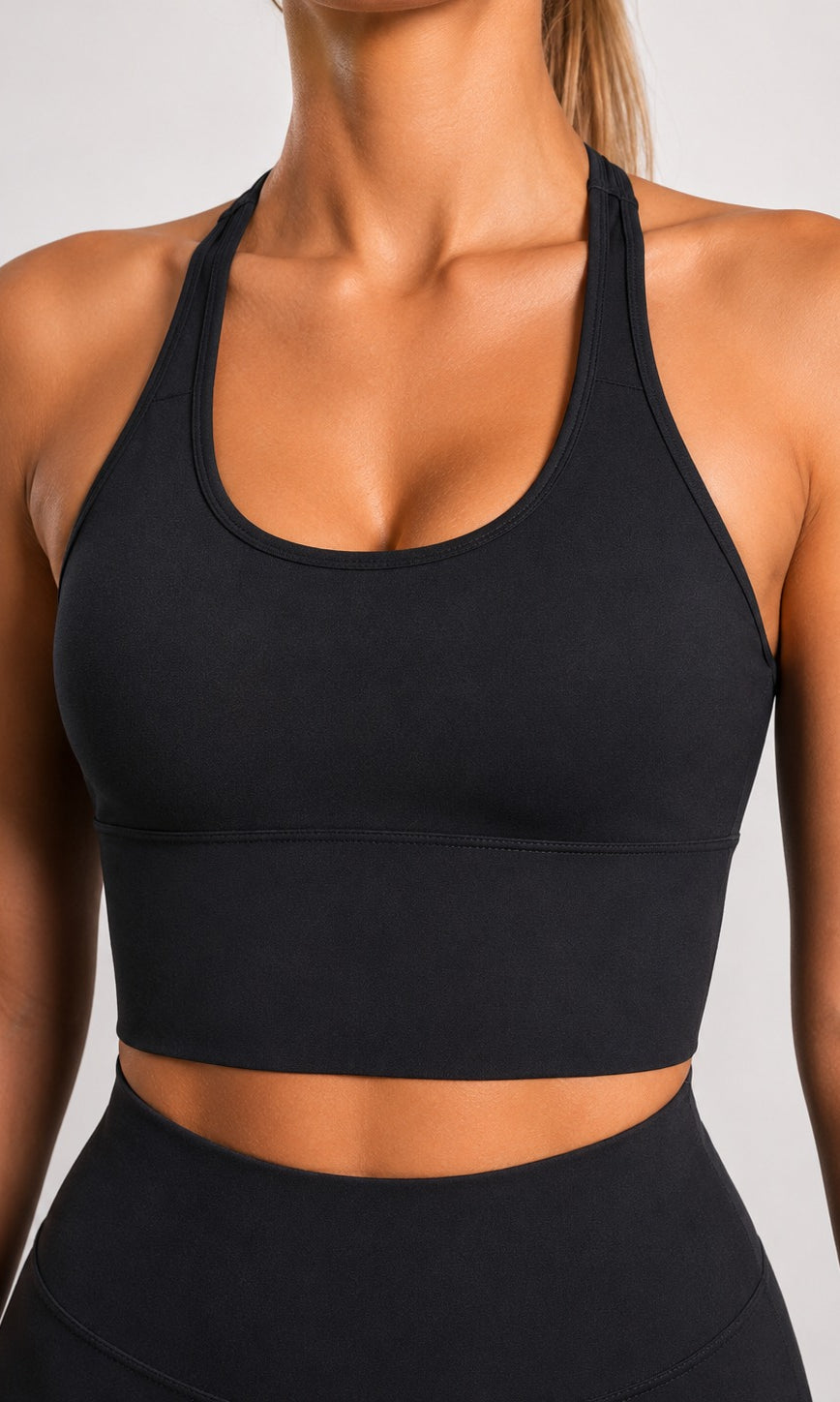
Remove removable padding before washing whenever possible. Wash the padding separately or place it inside a laundry bag to help preserve its shape.
Fasten hooks and close zippers before washing to prevent them from catching on other garments.
Do not twist or wring sports bras and training tops. Press out excess water gently and allow them to air dry.
Avoid hanging wet garments from thin straps because the weight of the water can stretch them.
Explore our Training Tops Collection to find tops designed for training, layering and everyday movement.
Care For Jackets And Zippers
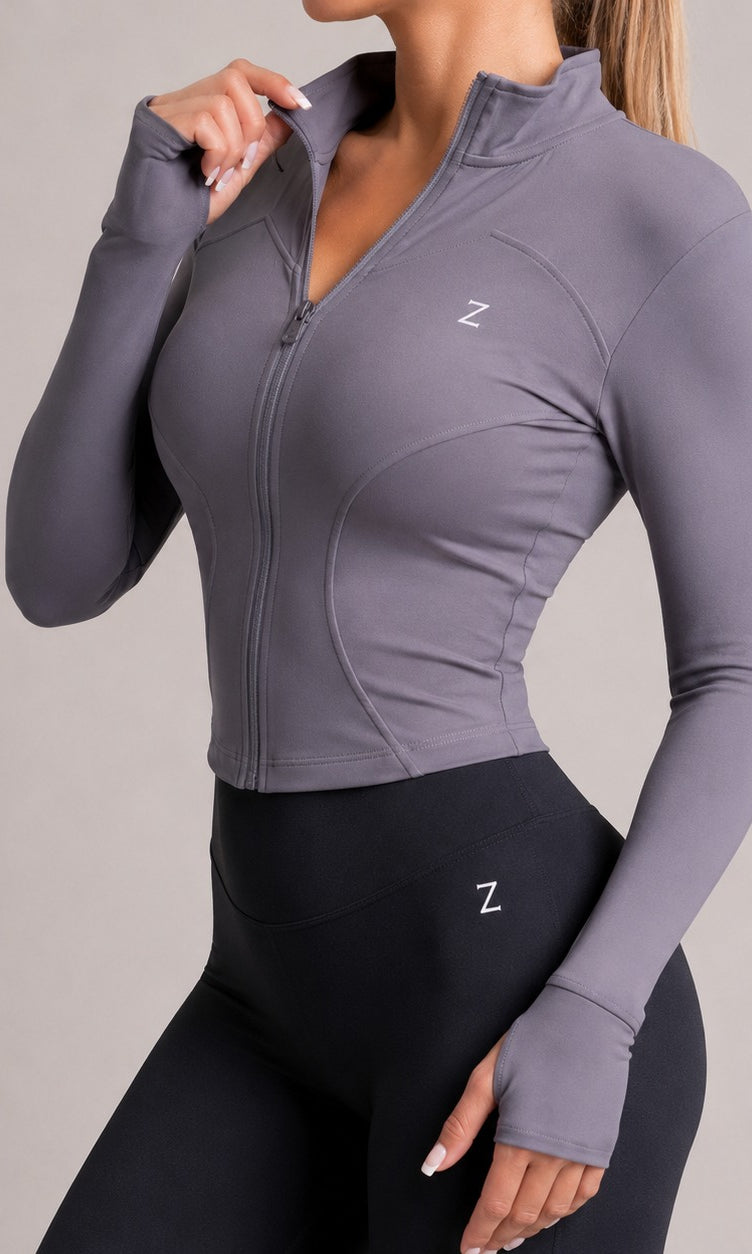
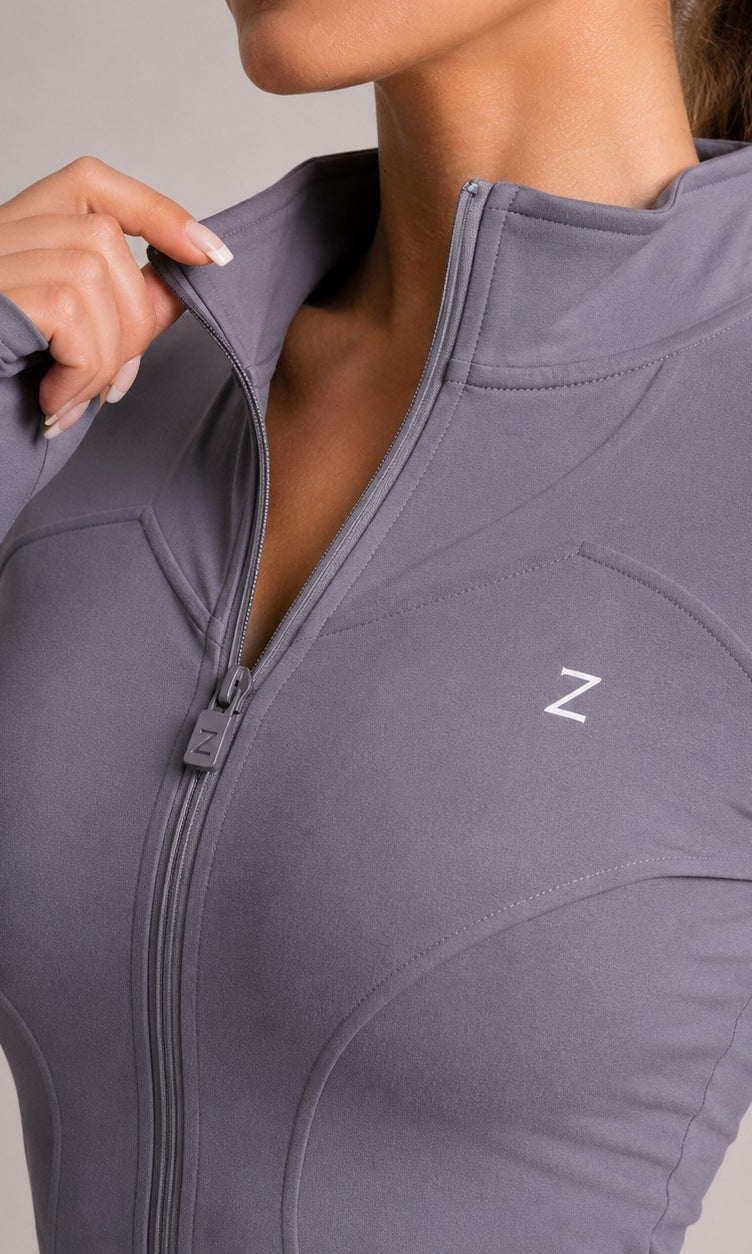
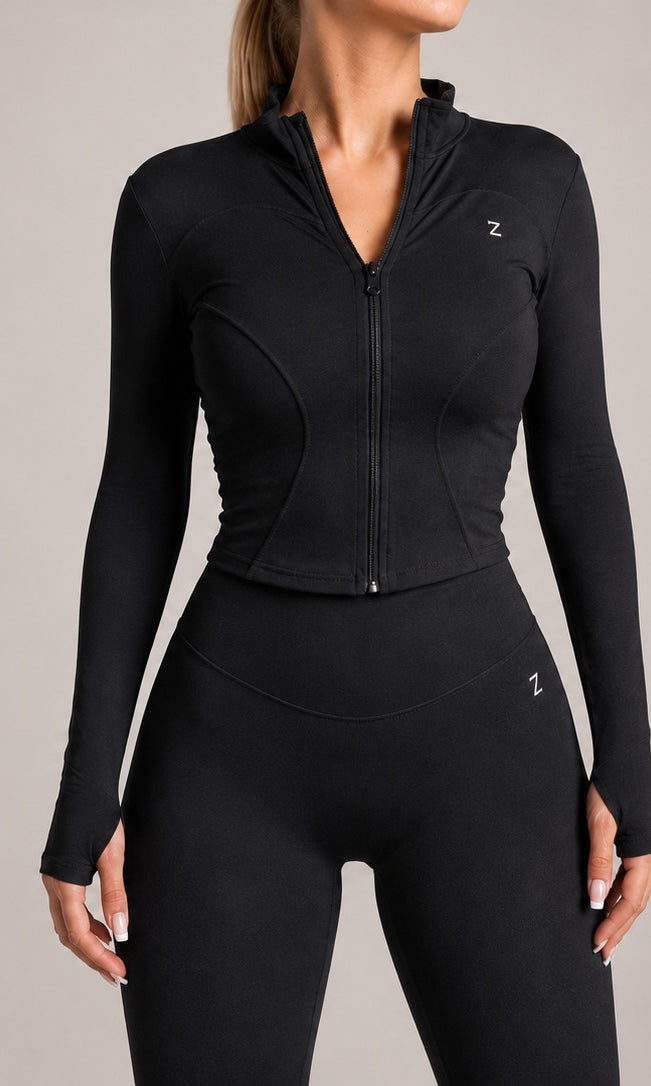
Close all zippers before placing jackets in the washing machine.
Check that pockets are empty and remove any loose accessories.
Wash jackets inside out when the care label allows it. This protects the outer surface and reduces friction around logos and visible details.
Do not force a zipper that feels stuck. Check whether fabric is caught before moving it carefully.
Allow the jacket to dry fully before storing it.
How Often Should You Wash Activewear?
Wash activewear after sweaty or intensive training sessions.
Garments worn for light everyday activity may not always require immediate washing, but they should be allowed to dry and ventilate fully before being worn again.
Avoid leaving damp clothing inside a gym bag. Moist environments encourage odour and can make residue more difficult to remove.
Washing more often is not always better. Gentle washing at the right time protects the garment more effectively than frequent harsh cycles.
How To Store Activewear
Make sure every garment is completely dry before storage.
Fold leggings and place them in a clean, dry drawer. Avoid stretching waistbands around hangers or hooks.
Store sports bras flat when possible to protect their shape.
Keep activewear away from damp rooms and direct sunlight.
Separate garments with zippers or rough hardware from soft leggings to reduce friction while stored.
Signs That Activewear Needs Replacing
Activewear does not have a fixed replacement date. Its condition depends on how often it is worn, how it is washed and how it is used.
Consider replacing a garment when the waistband no longer returns to its original shape, the fabric remains permanently stretched or the garment requires constant adjustment despite fitting correctly.
Visible damage to important seams should also be checked before further use.
Correct care can extend the life of activewear, but every performance fabric will eventually show signs of repeated wear.
Frequently Asked Questions
Can I wash activewear at a high temperature?
Cool water is normally better for protecting elastic fibres, colour and shape. Always follow the care label attached to the garment.
Can I use fabric softener on workout clothes?
Fabric softener is not recommended because it can coat performance fibres and affect breathability, moisture management and washing results.
Can activewear be tumble dried?
Air drying is the safer option for most activewear. Excessive heat can weaken elastic fibres and reduce fabric recovery.
Why do my leggings smell after washing?
Odour may remain when too much detergent or fabric softener becomes trapped inside the fibres. Wash the garment again using a small amount of mild detergent and allow it to dry fully.
How do I protect a scrunch seam?
Put the leggings on gradually, centre the scrunch seam gently and avoid pulling directly on it. Correct sizing reduces unnecessary tension.
Should activewear be washed inside out?
Yes. Washing activewear inside out helps protect the outer fabric, logos and visible surface from friction.
Why has my waistband become loose?
Repeated stretching, high washing temperatures, tumble drying or incorrect sizing can gradually reduce fabric recovery and waistband stability.
Care Designed Around Longevity
ZANOS focuses on quality over quantity. Our approach is based on fit engineering, fabric research, movement testing, front comfort, shape retention and long term durability.
Correct care helps preserve the properties built into each garment. Put your activewear on carefully, wash it gently, avoid excessive heat and allow it to dry naturally.
Explore our Scrunch Tights Collection or use the Activewear Wash Guide for exact washing instructions.
THE ESSENTIALS
5 CARE RULES
ZANOS CARE
CARE FOR THE PIECES THAT MOVE WITH YOU
Sculpting Fit
Designade för att forma naturligt utan att kännas stela. Den höga midjan ger stöd samtidigt som materialet följer kroppen mjukt och bekvämt.
Squat Proof Comfort
CloudFit™ material med mjuk stretch och täckande känsla. Skapade för gym, yoga och vardag utan genomskinlighet eller obekvämt tryck.
Unikt Material
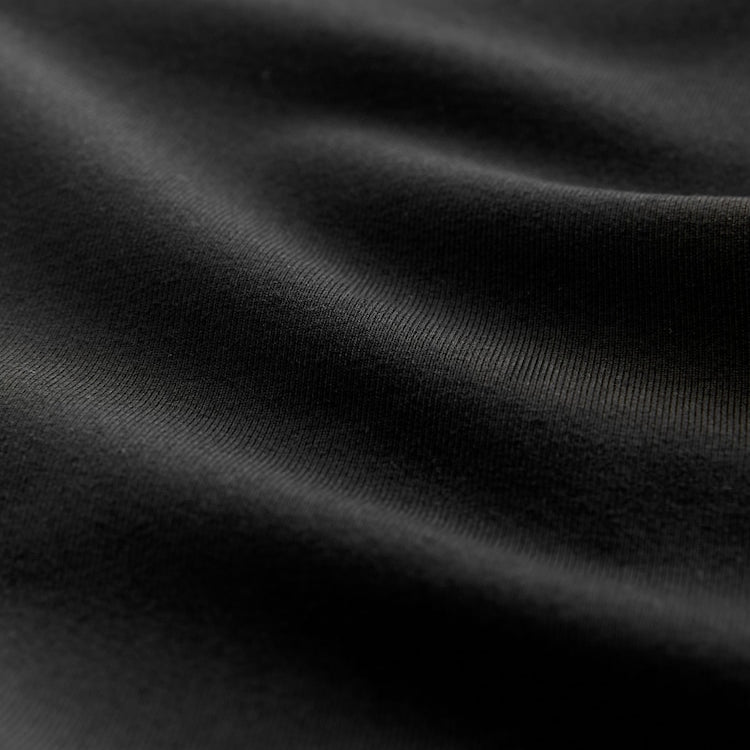
Materialet avgör hur scrunch tights känns, formar och håller över tid. Det ska vara mjukt mot huden, följsamt i rörelse och stabilt nog att behålla passformen.
ZANOS använder noggrant utvalda performance material med fokus på stretch, komfort, täckande känsla och långsiktig kvalitet.
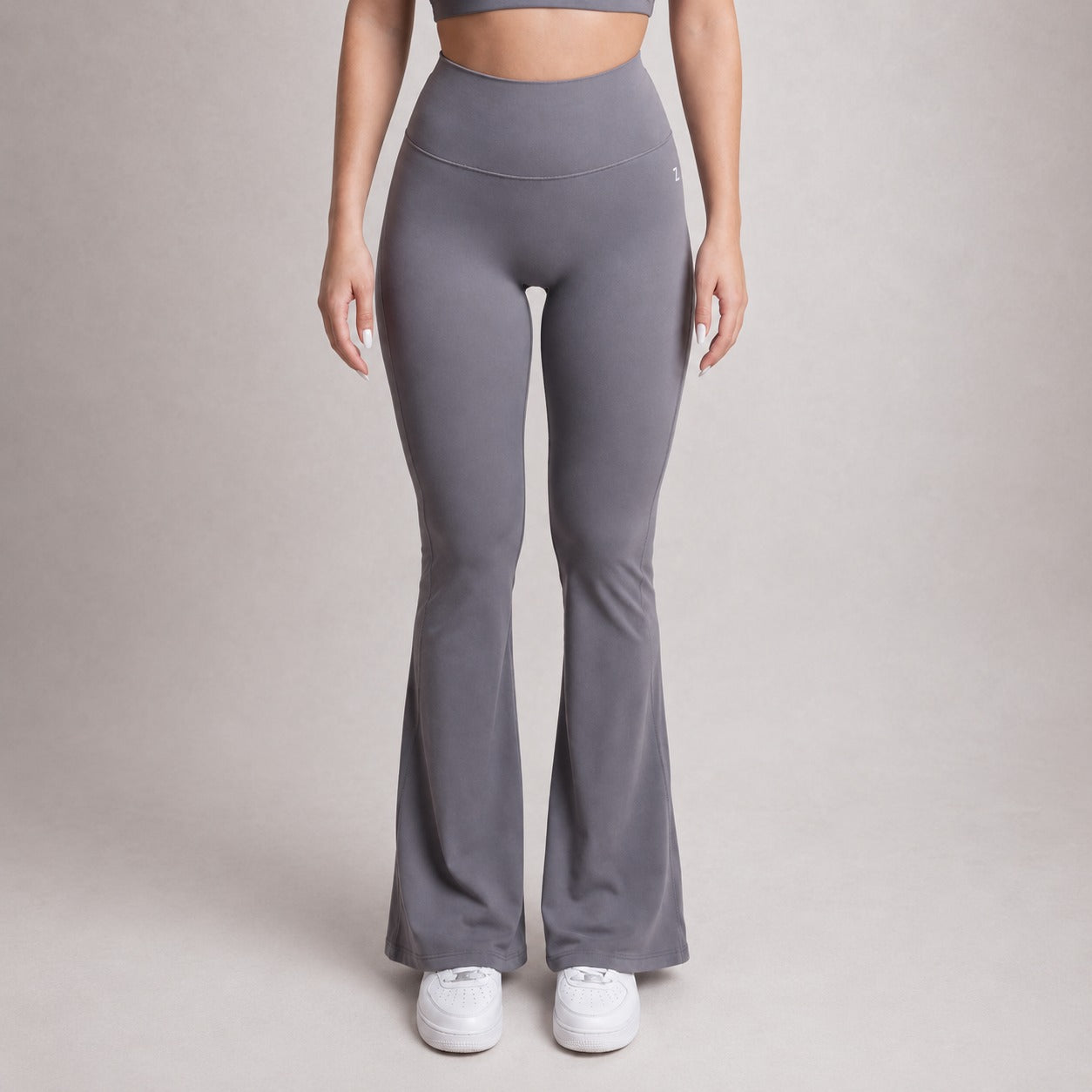
Yoga / Everyday passform för hela dagen
Passformen avgör hur plagget sitter när du rör dig. Ett par bra scrunch tights ska sitta stabilt, forma naturligt och ge stöd utan att kännas stelt eller begränsande.
Vi fokuserar på hög midja, balanserad kompression och en följsam känsla för gym, promenader och vardag.
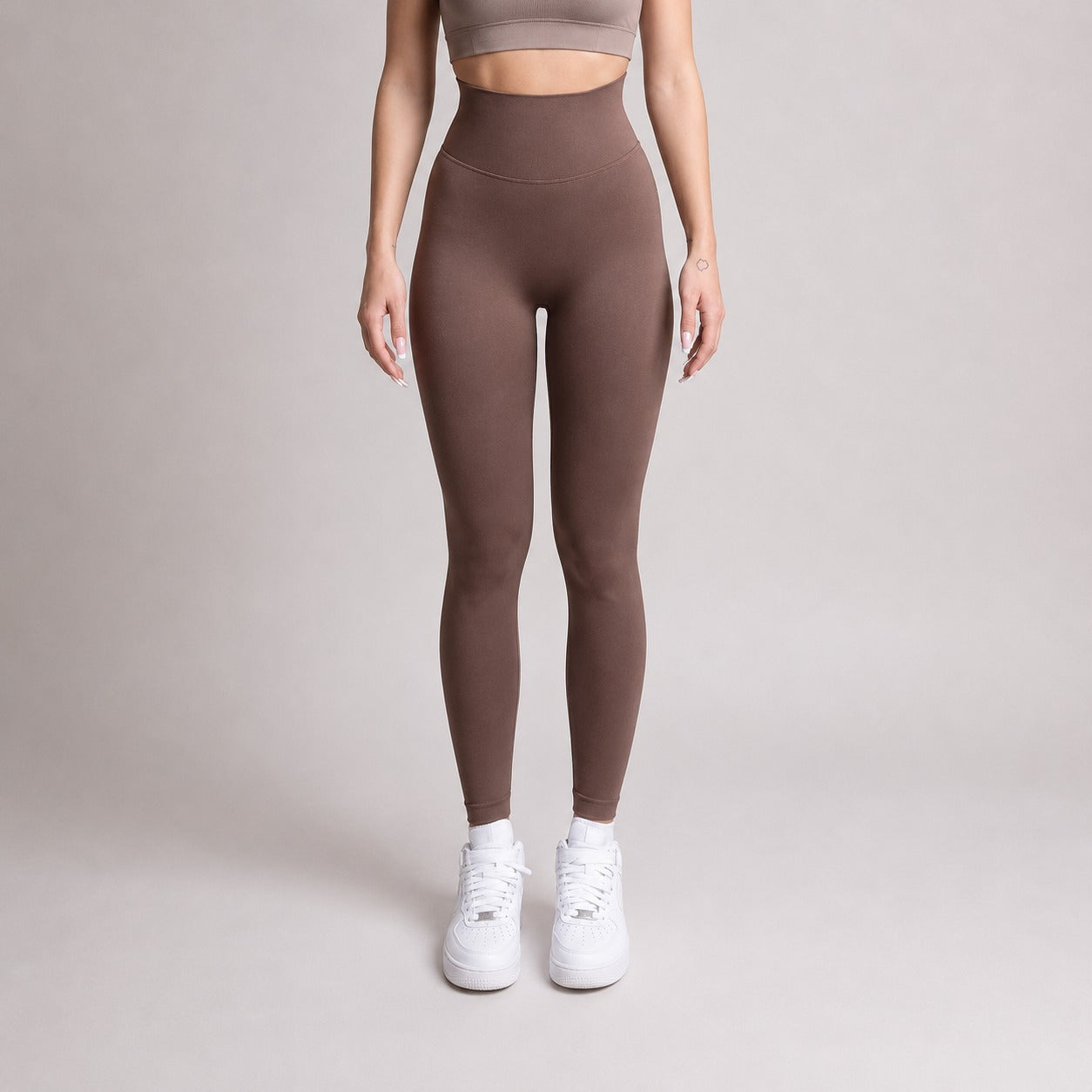
Squat proof konstruktion
Squat proof handlar om tygdensitet, opacitet, stretch och hur materialet beter sig när kroppen rör sig.
Målet är scrunch tights som känns täckande, trygga och bekväma vid squats, gymträning, yoga och vardagsrörelse.