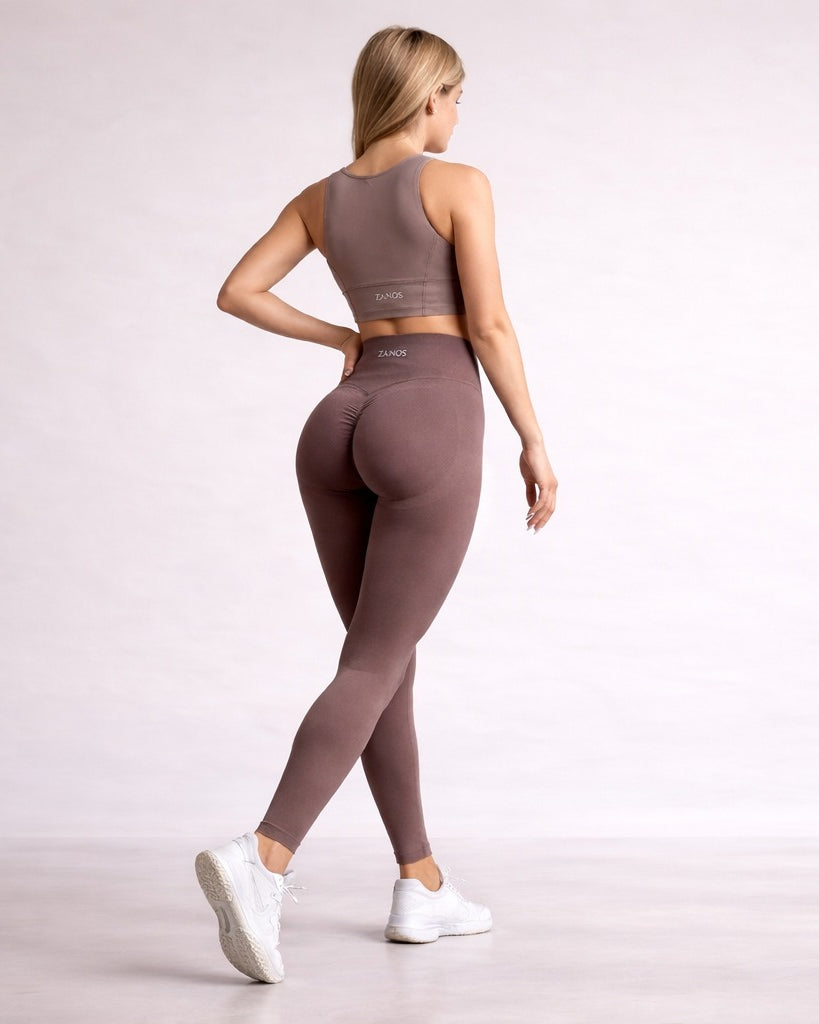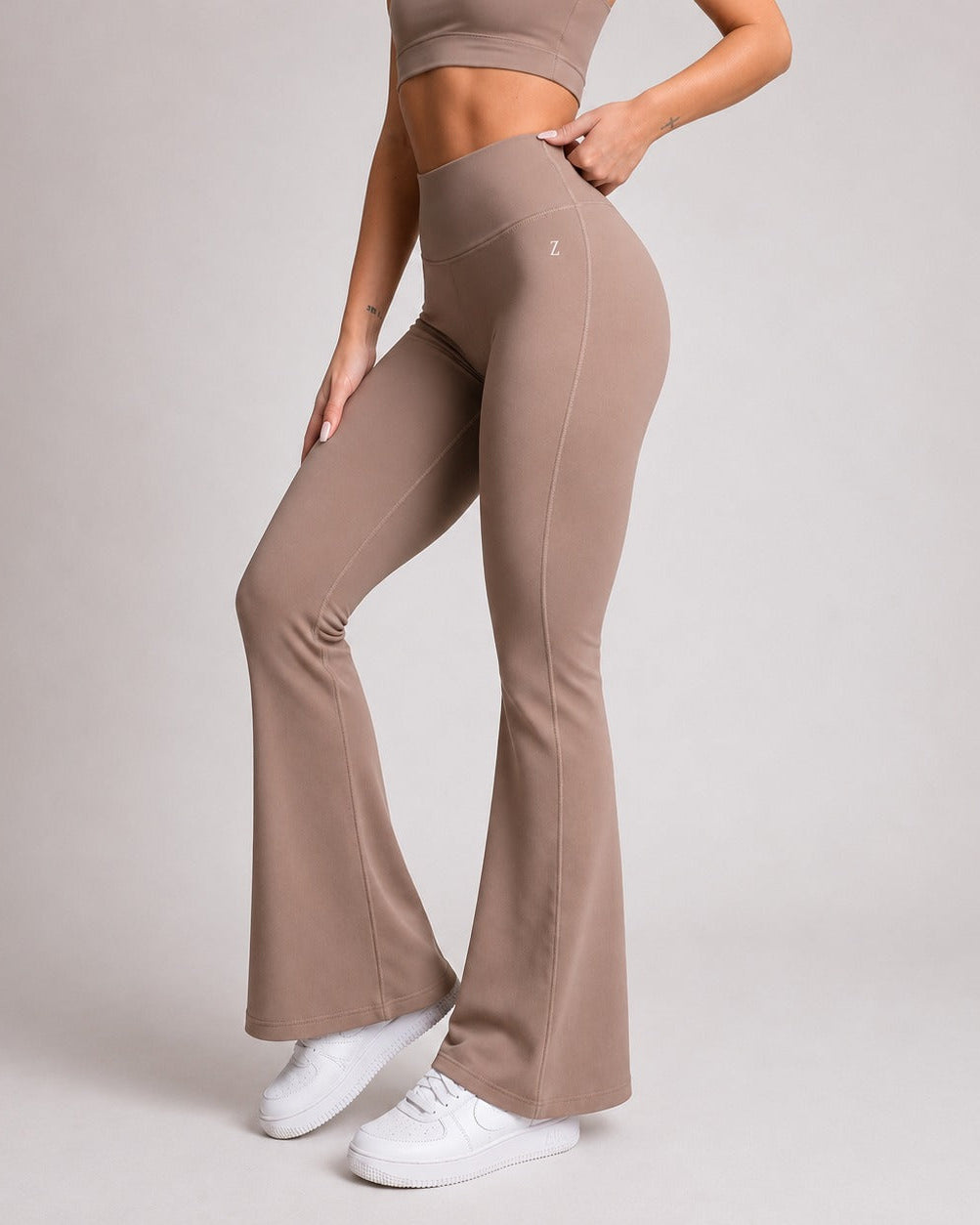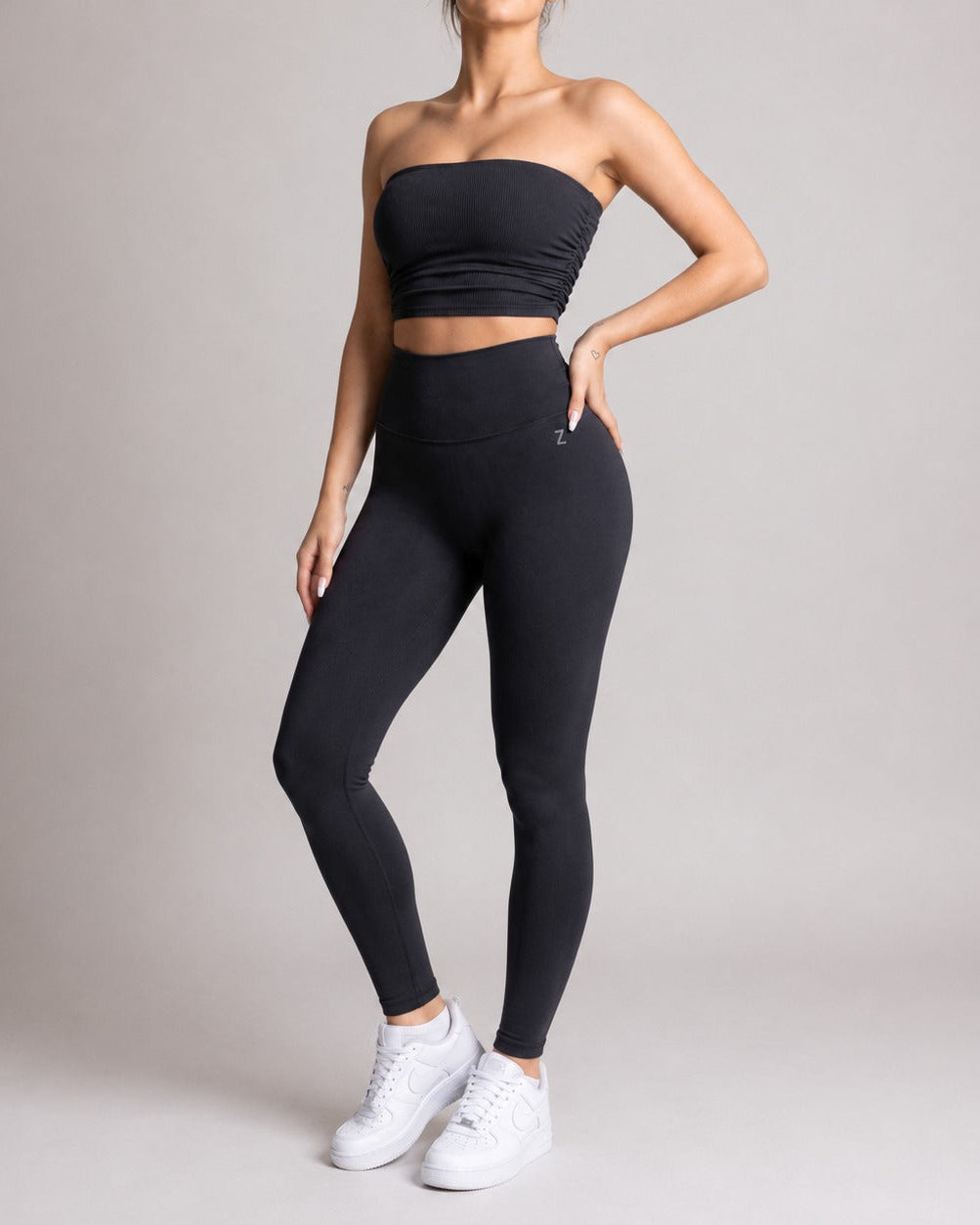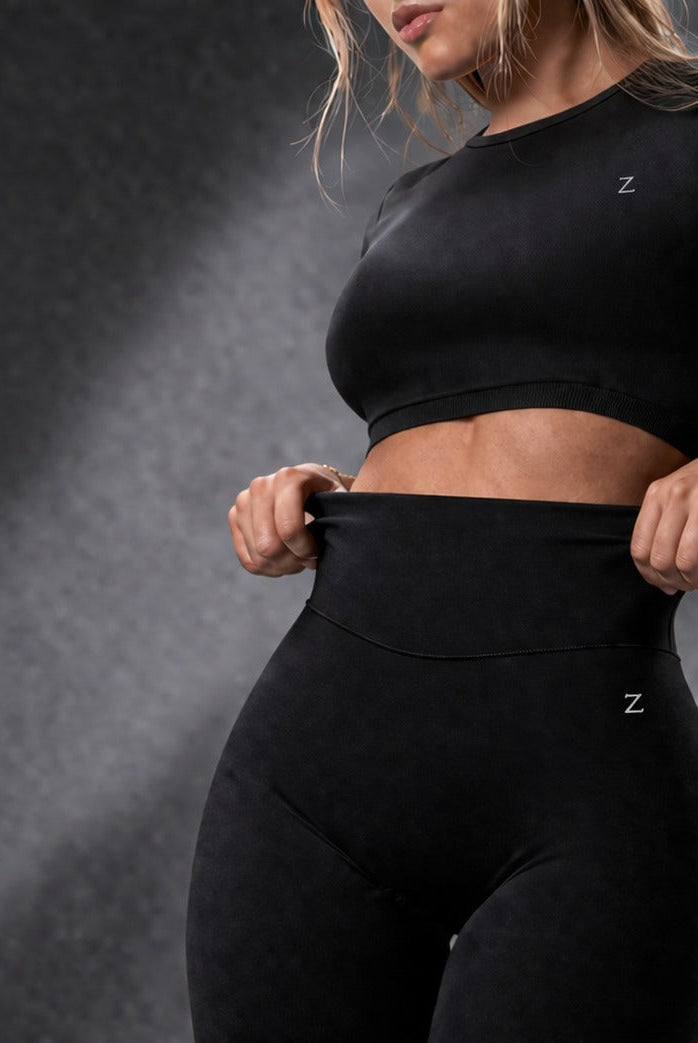
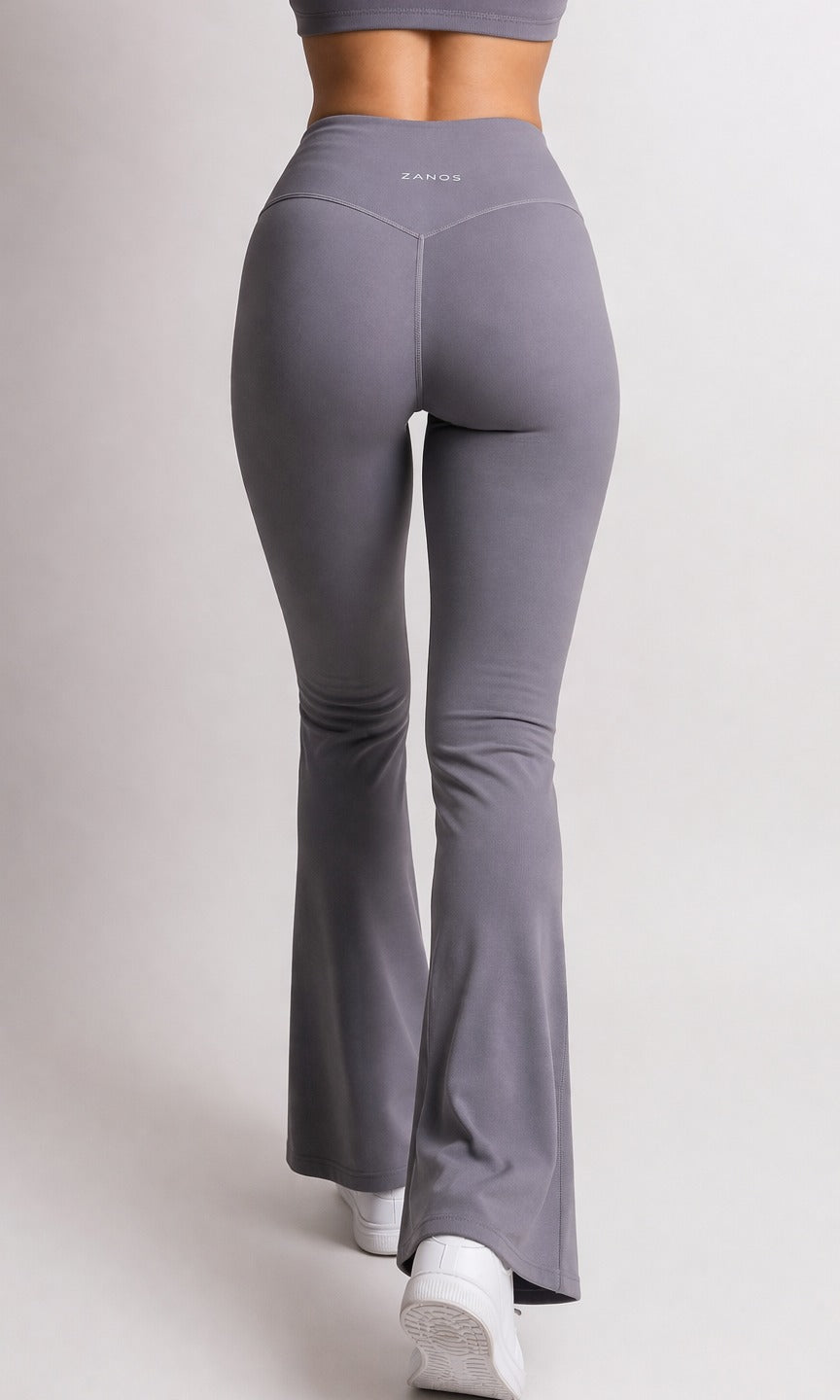
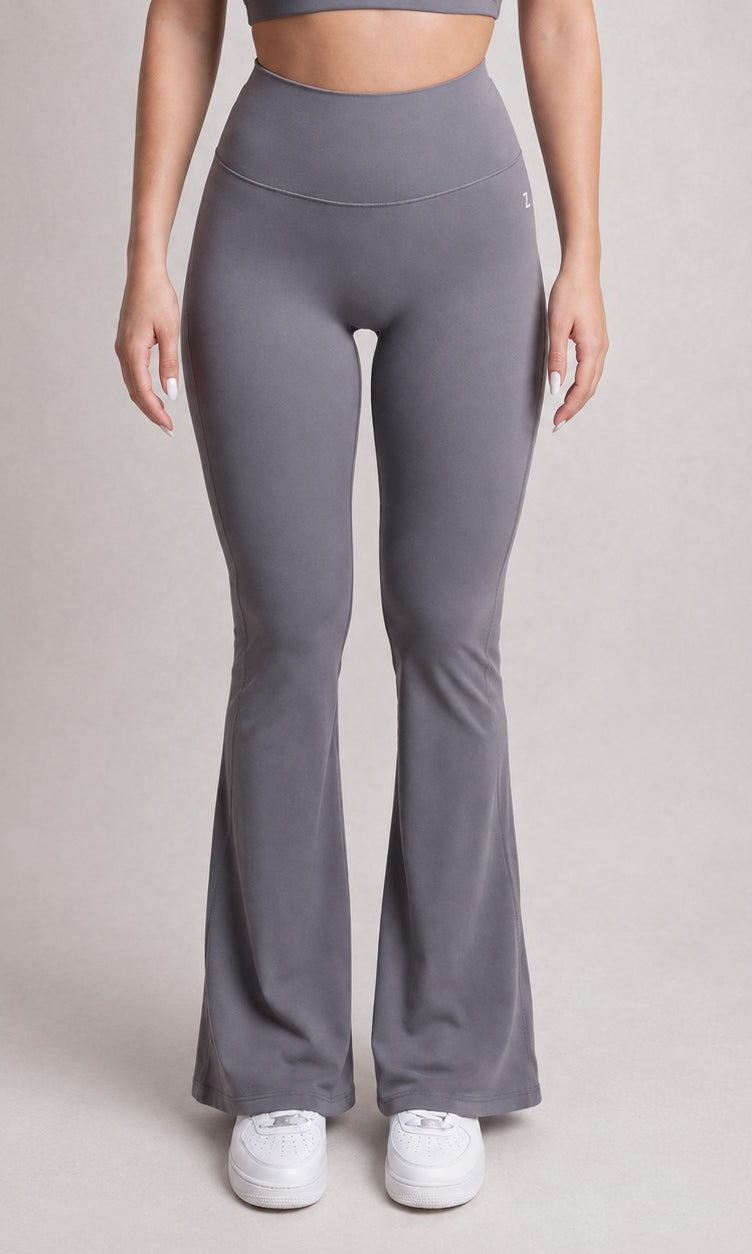
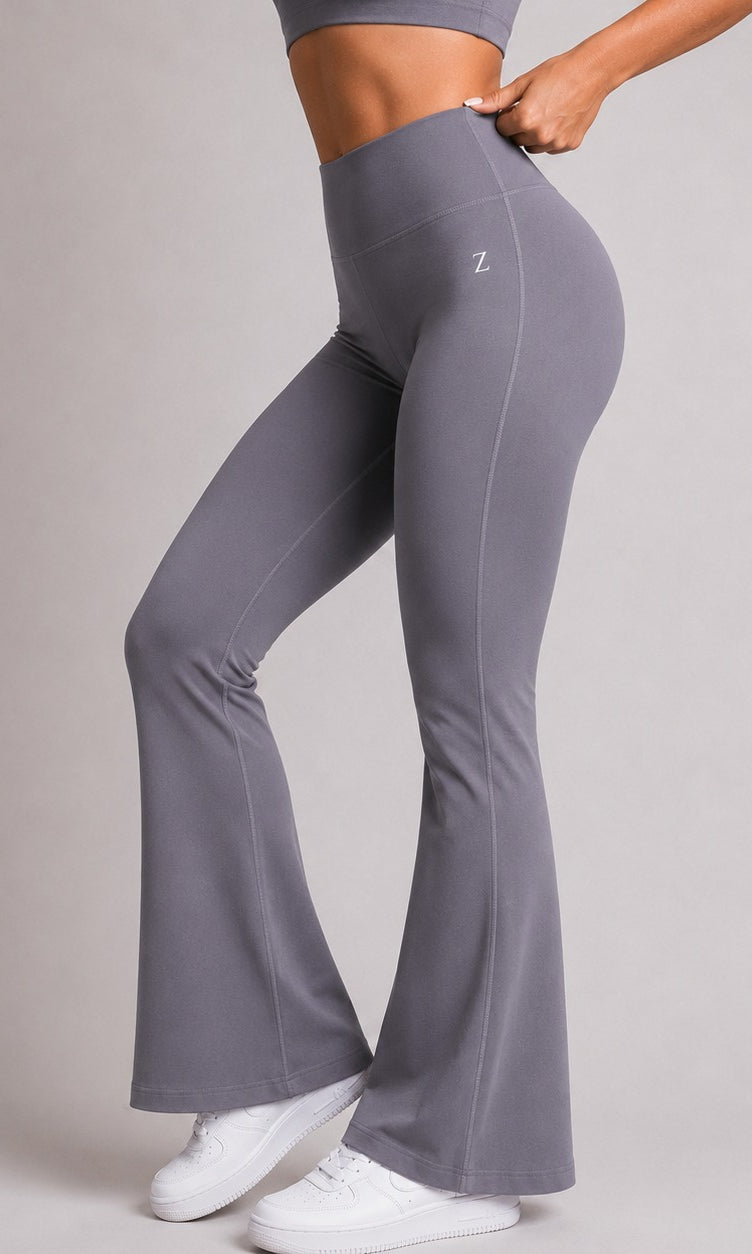
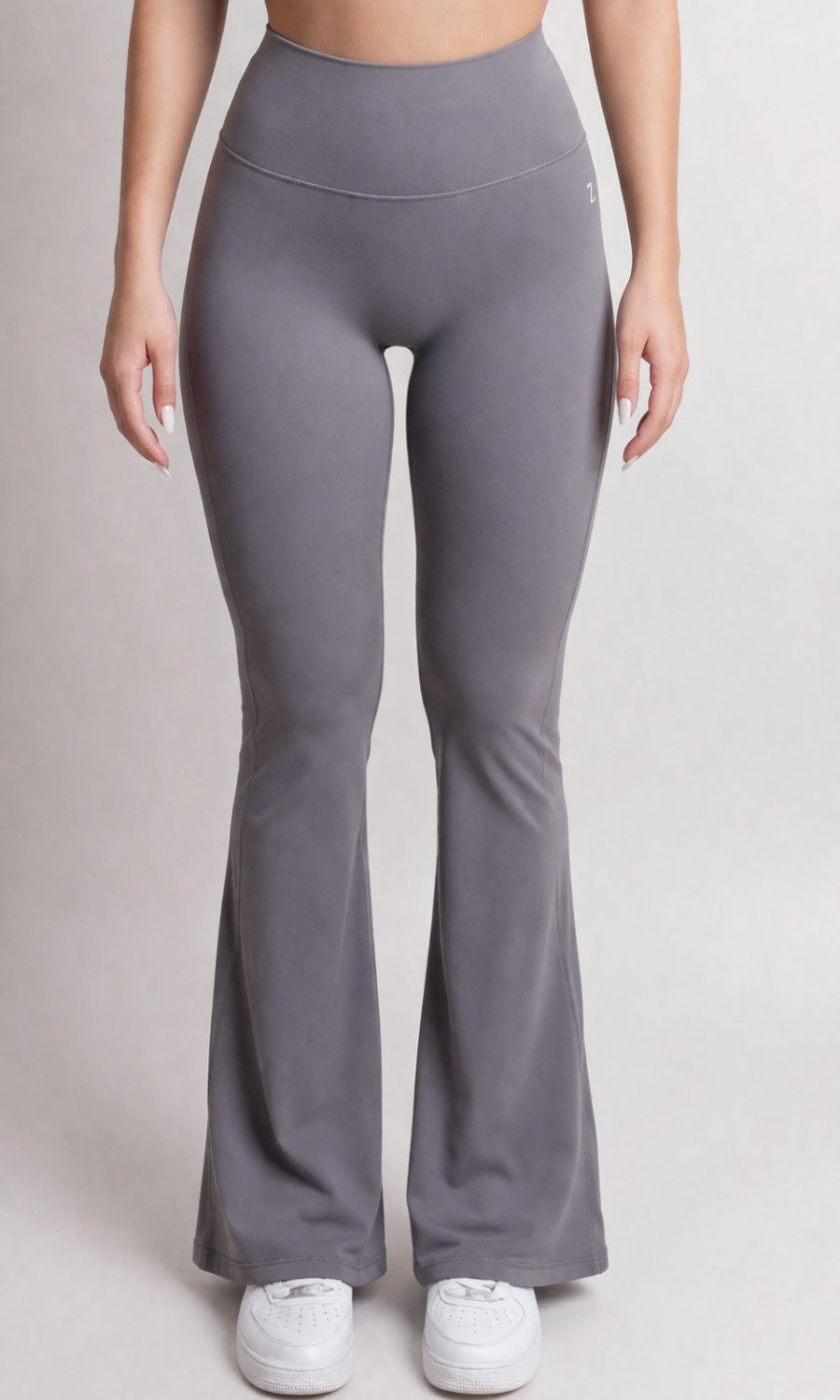
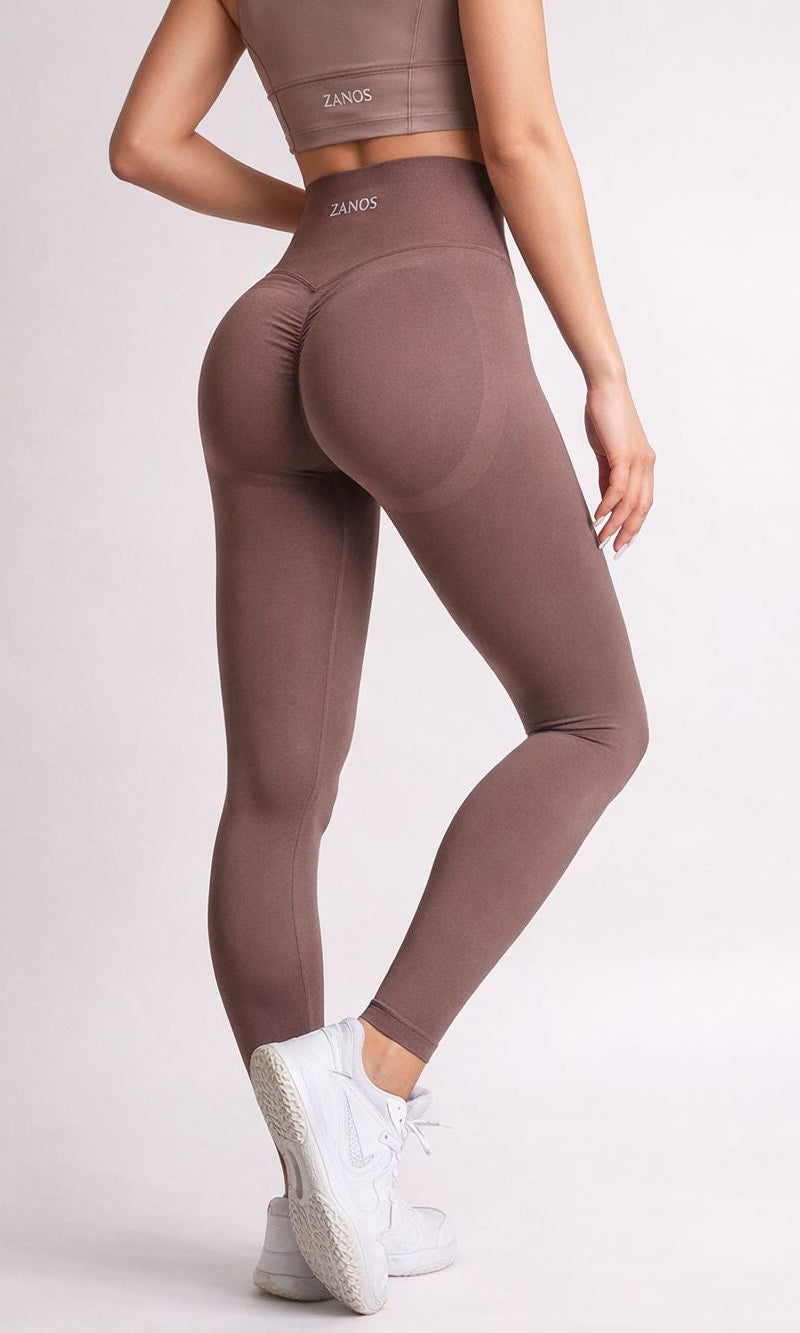
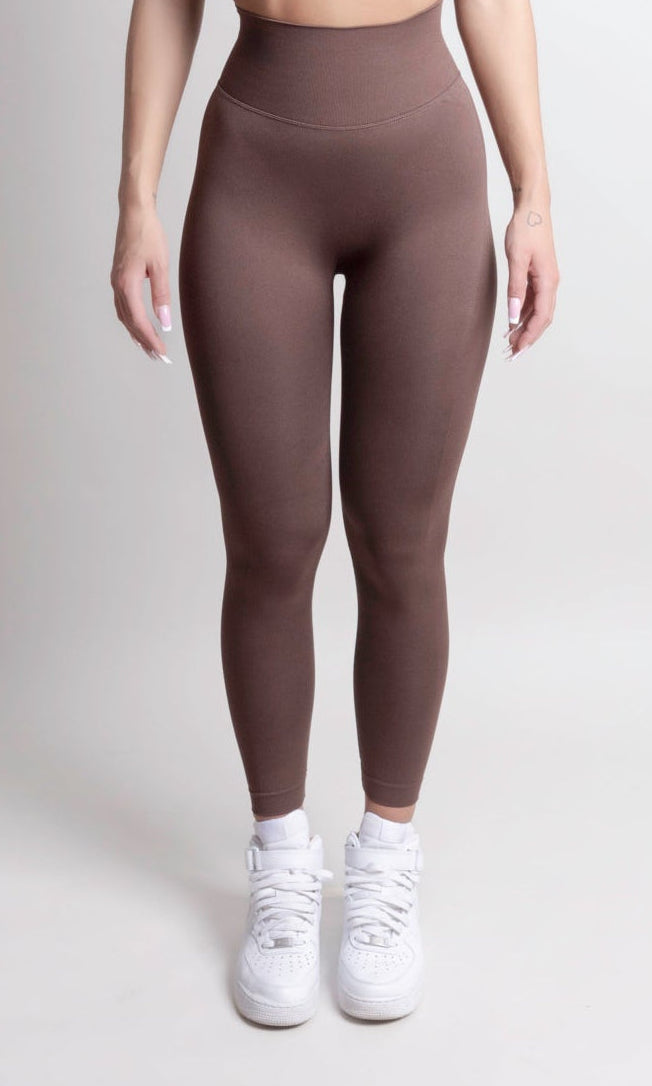
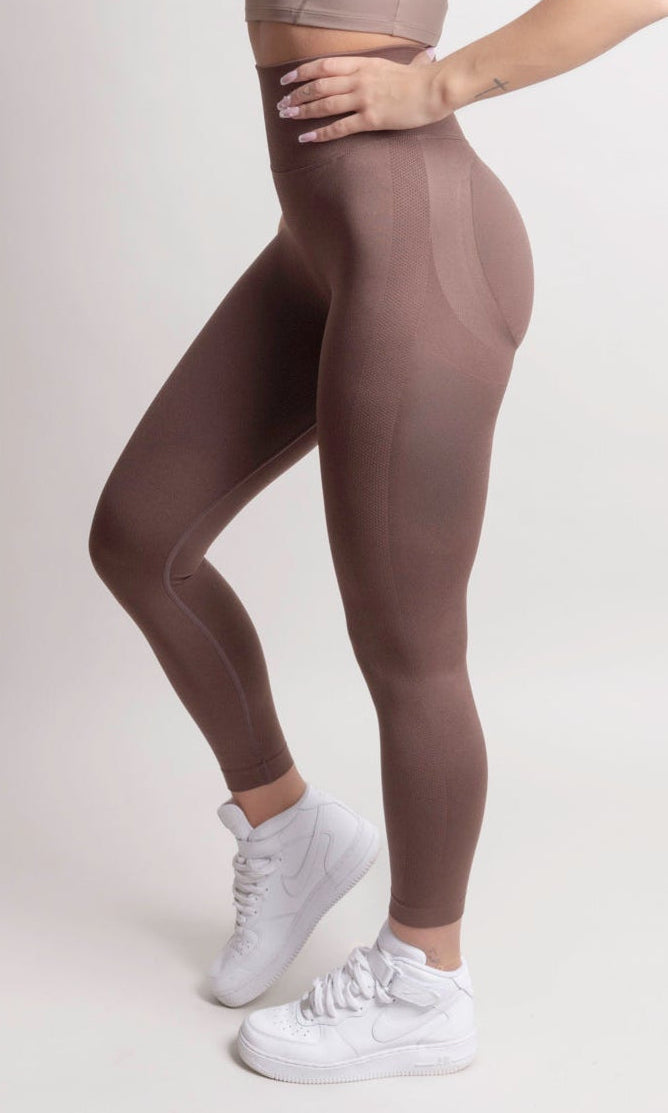
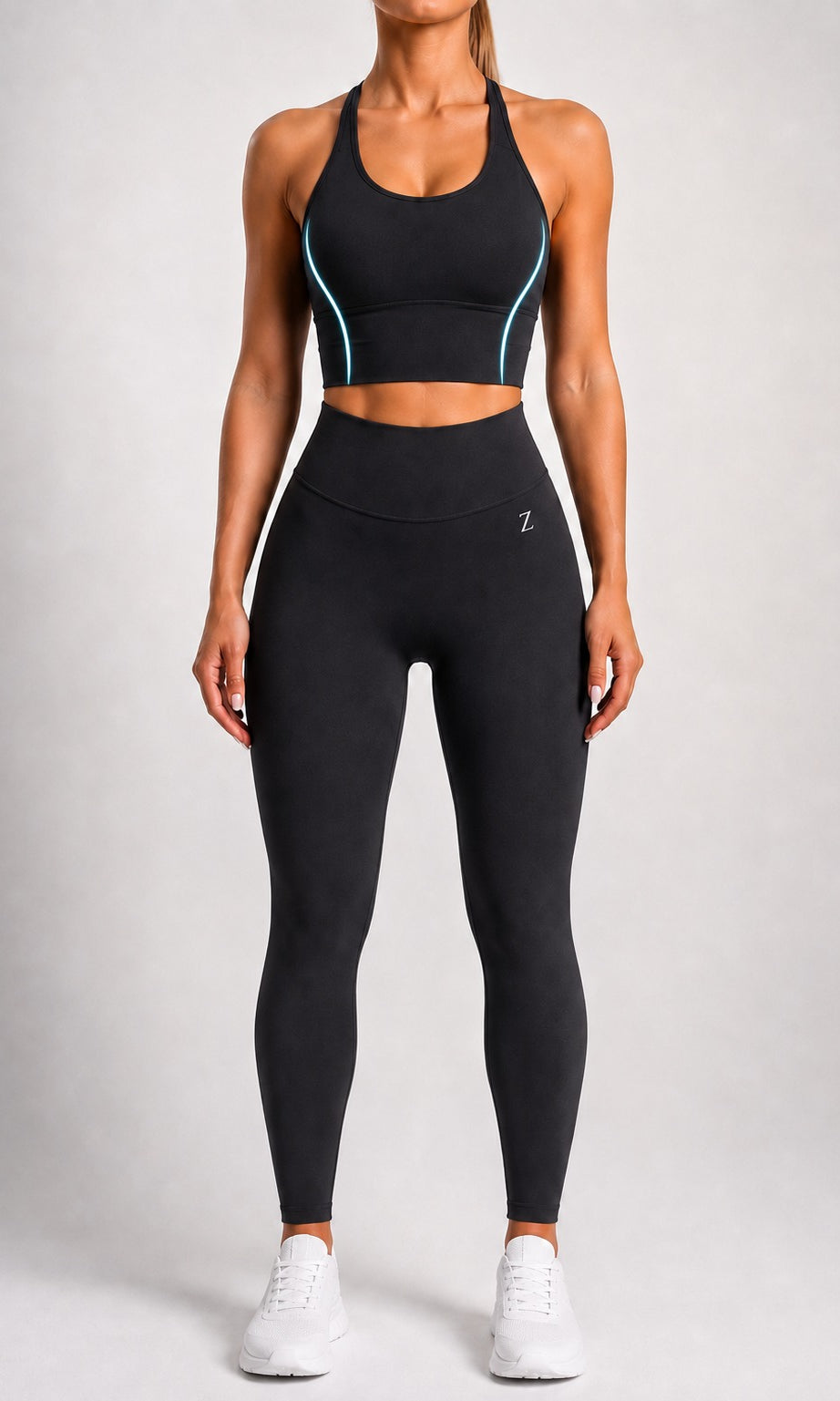
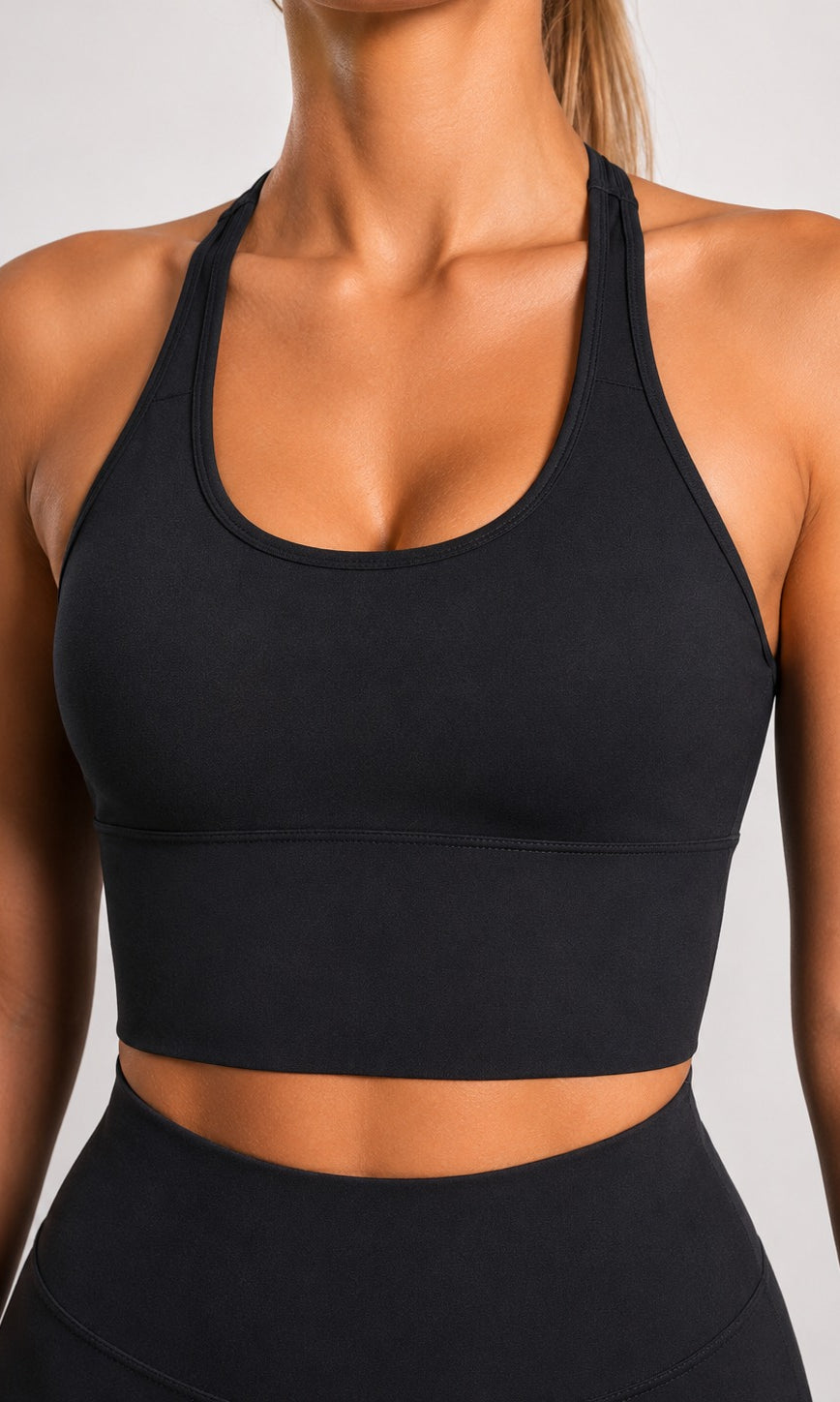
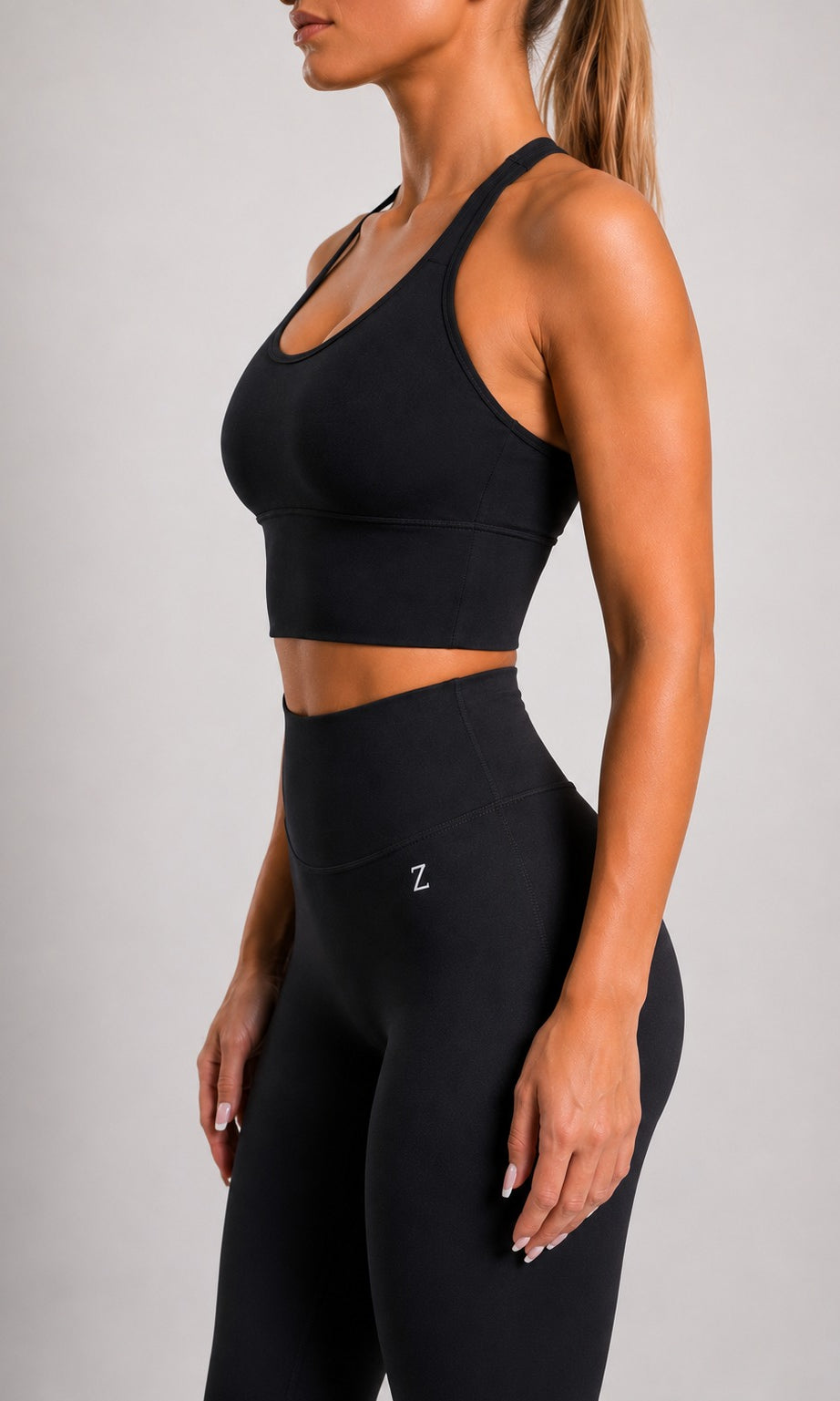
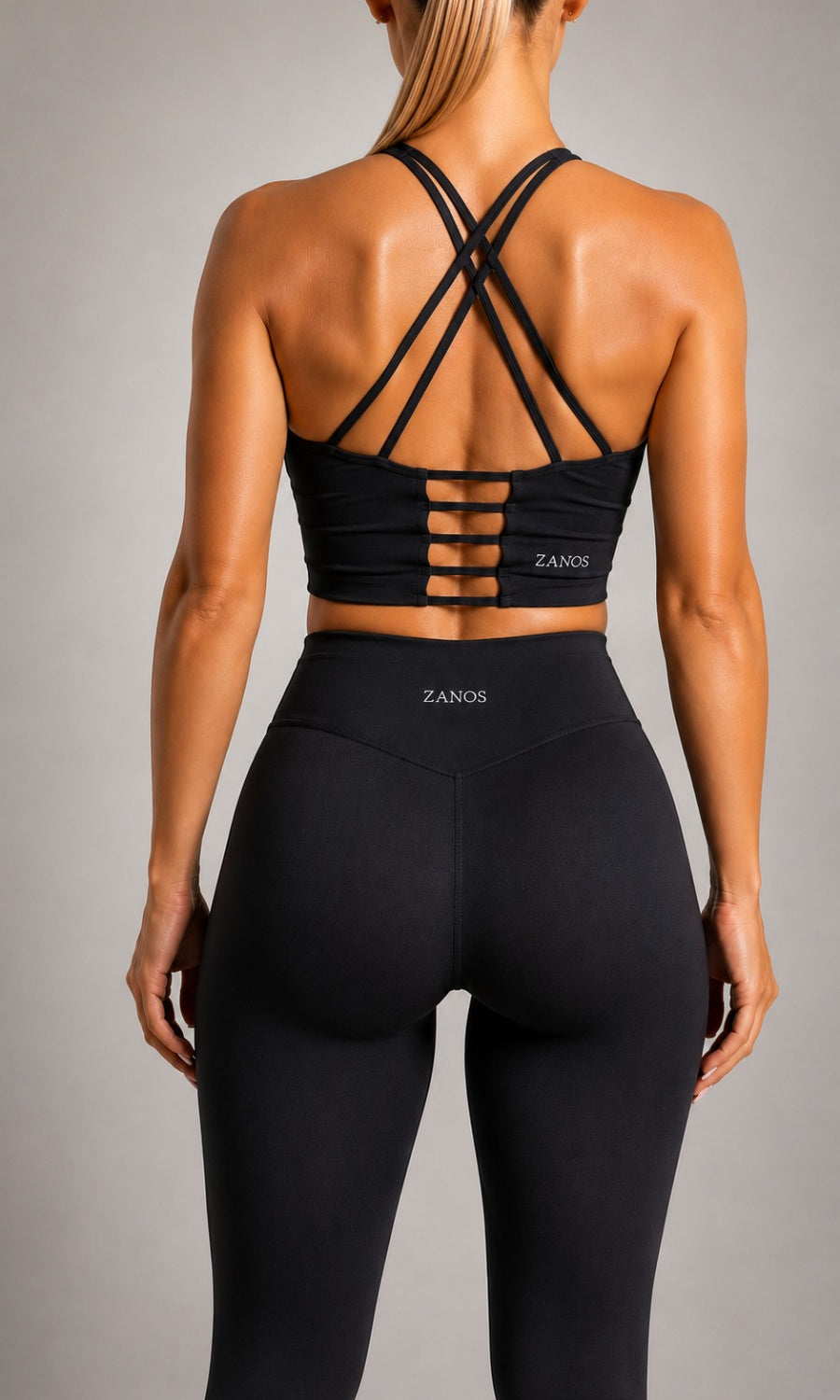
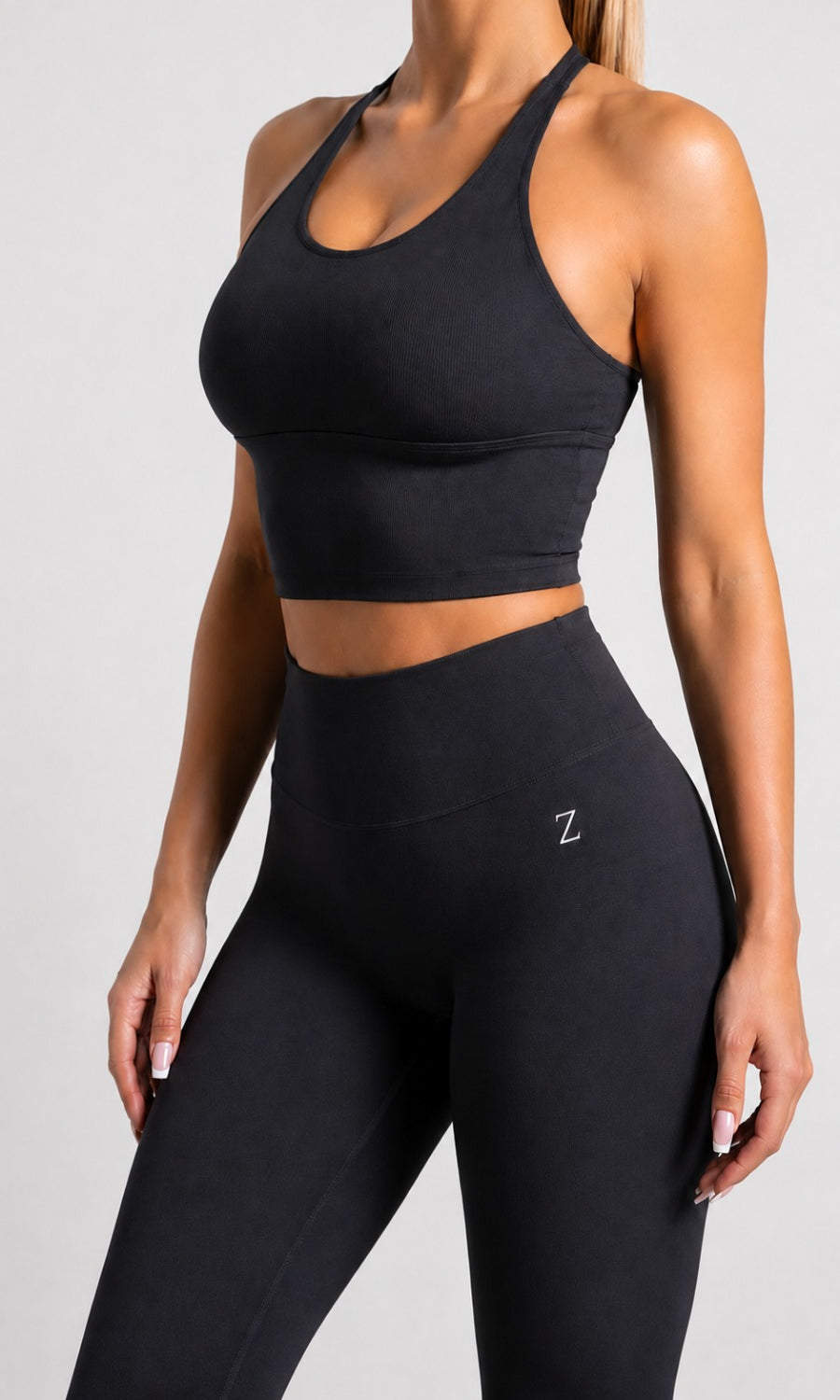
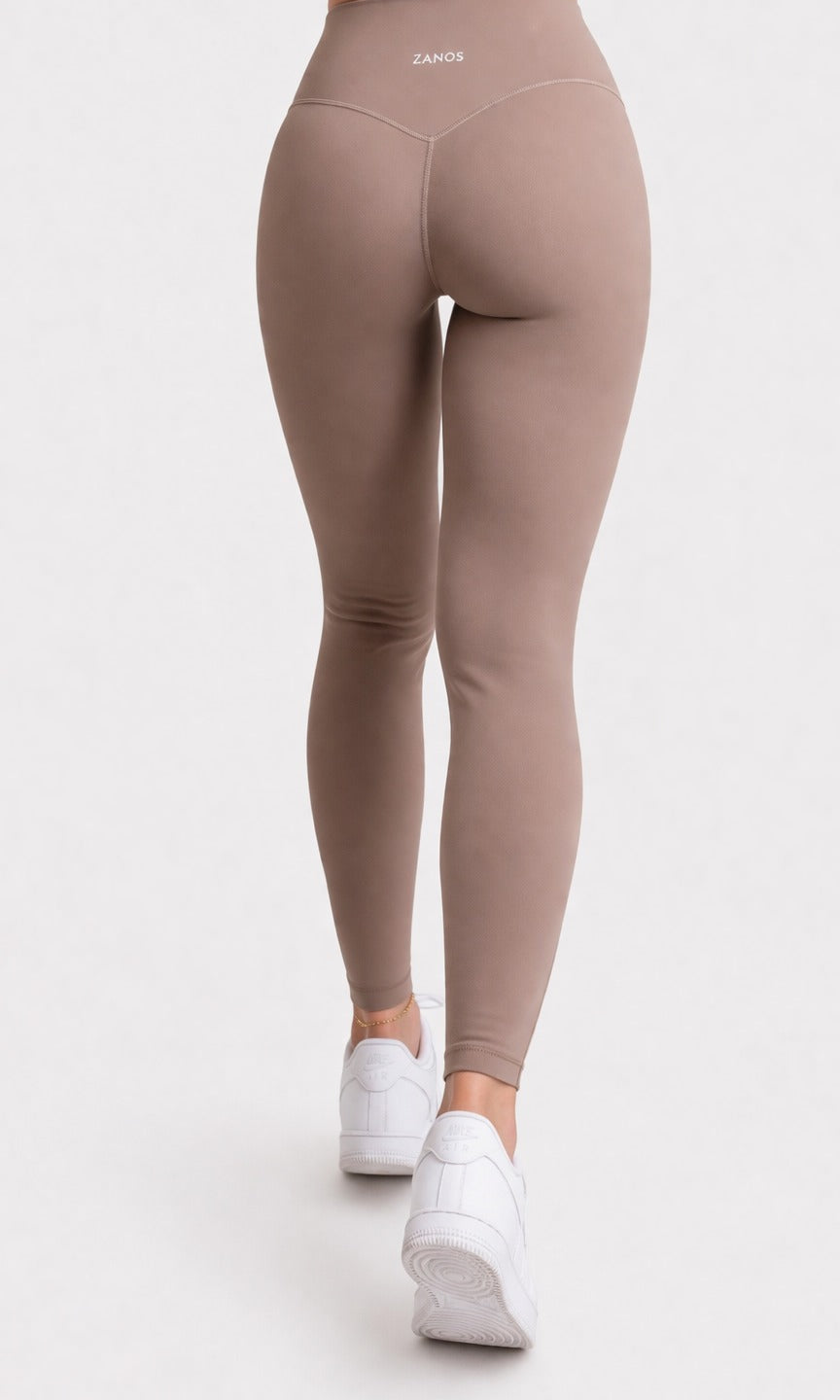
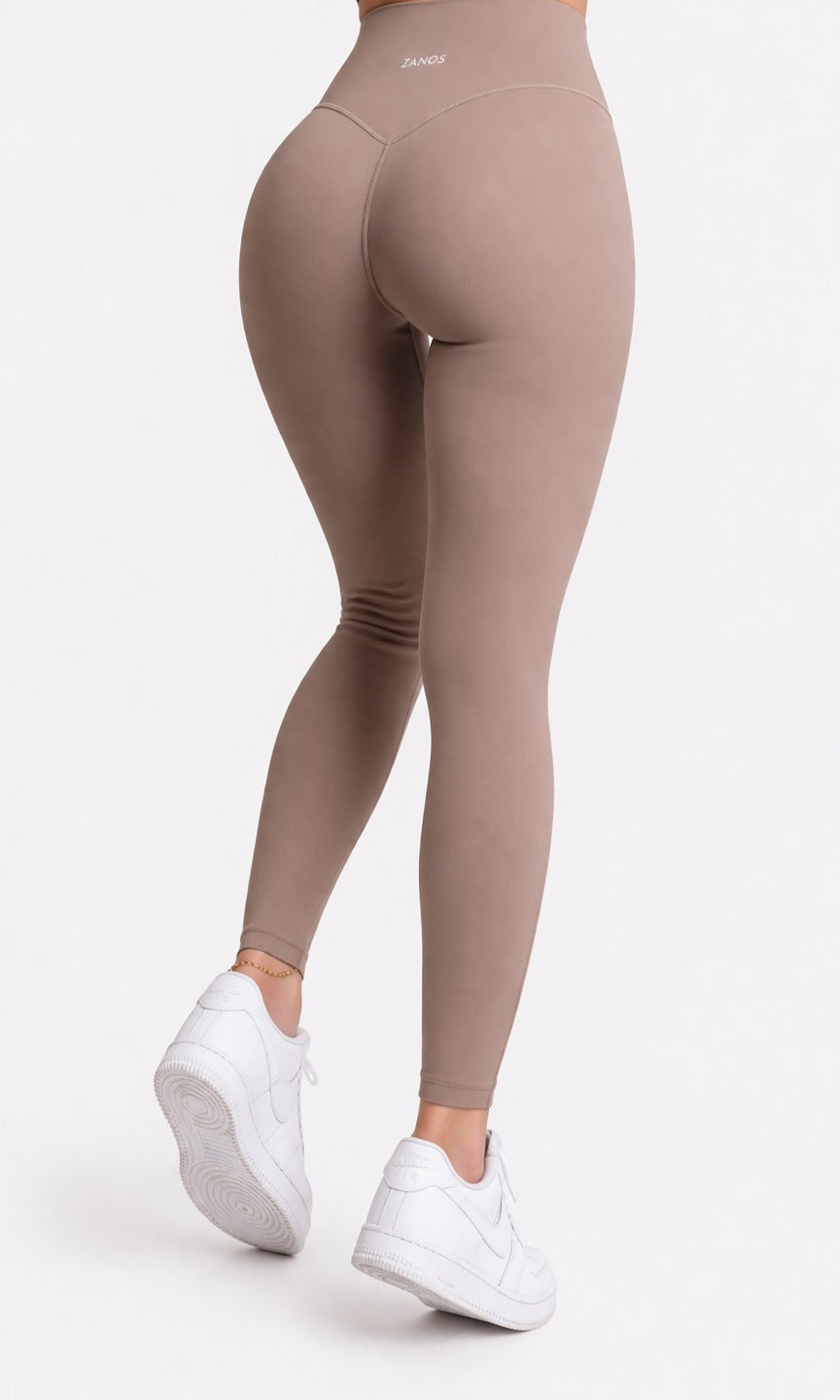
Why Do Tights Keep Sliding Down?
Stopping in the middle of a workout to pull your leggings back into place is more than a small inconvenience. It interrupts your rhythm, affects your confidence and makes it harder to focus on movement.
Finding tights that do not slide down is not simply about choosing the tightest pair available. Leggings remain secure when the waistband, fabric, pattern and size work together as one complete system.
A waistband can feel firm when you first put the leggings on and still begin moving after several squats. This often happens when the fabric below the waistband creates more downward tension than the waistband can control.
The leggings are not necessarily too large. Pressure may simply be distributed incorrectly across the garment.
The best workout leggings should create stability without forcing the body into uncomfortable compression. They should support movement, remain comfortable and return to their original position after bending, walking or training.
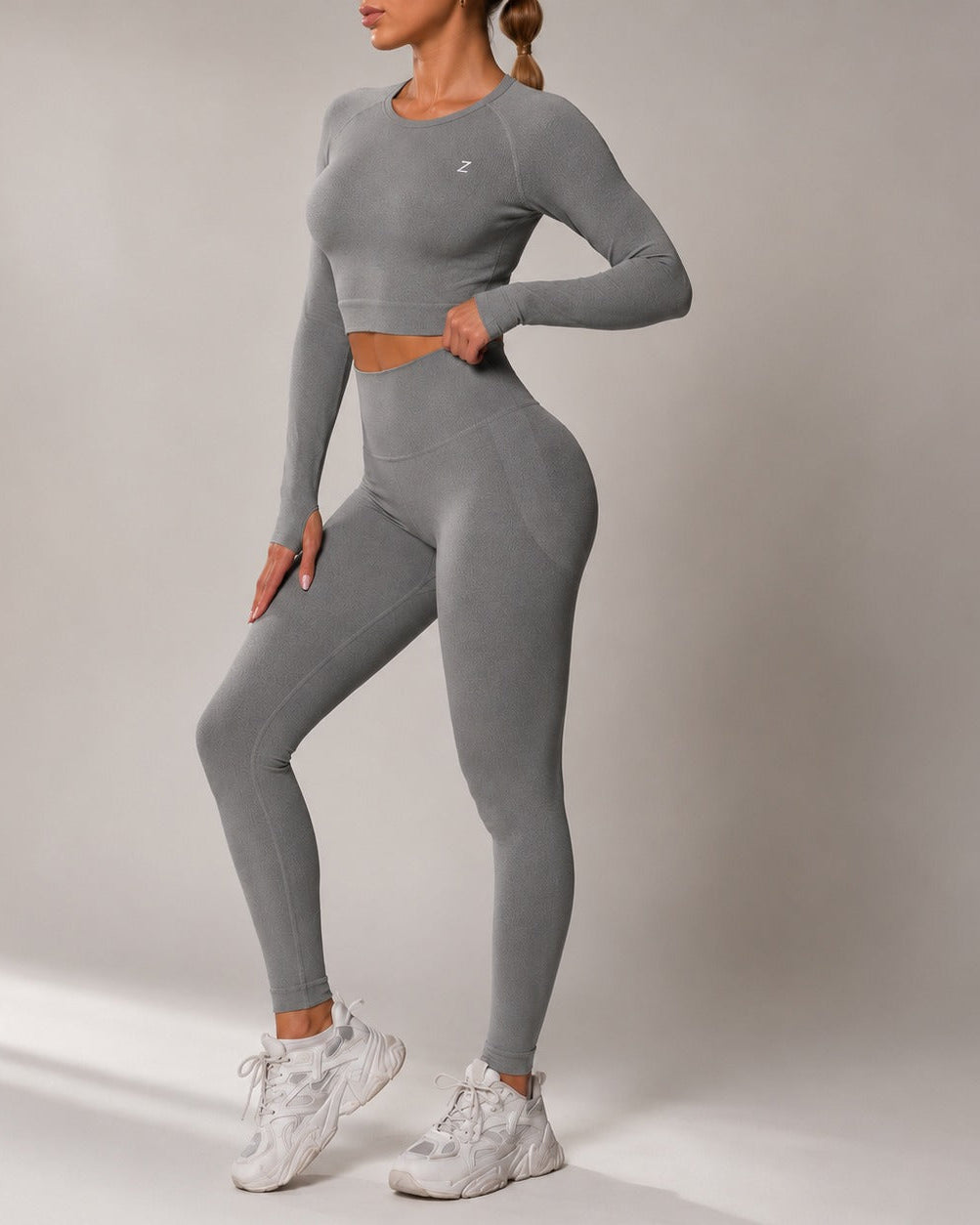
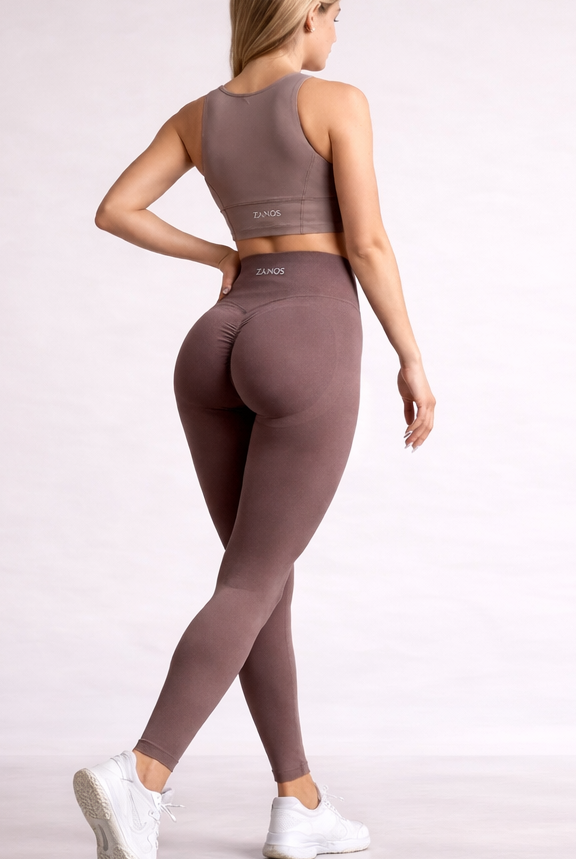
Women looking for secure support with additional shaping can explore our complete collection of scrunch tights for women. You can also read our guide explaining what scrunch tights are and how their construction affects fit and movement.
Why Do Leggings Lose Their Support?
Leggings rarely lose their support after one workout. The change normally happens gradually.
Every time the material stretches, it needs to return towards its original shape. This ability is called fabric recovery. When recovery becomes weaker, the leggings may still look normal while feeling less secure around the waist.
Repeated stretching, excessive heat and incorrect washing can all affect fabric recovery. Lower quality materials may begin relaxing earlier, while carefully selected performance fabrics are designed to maintain their shape for longer.
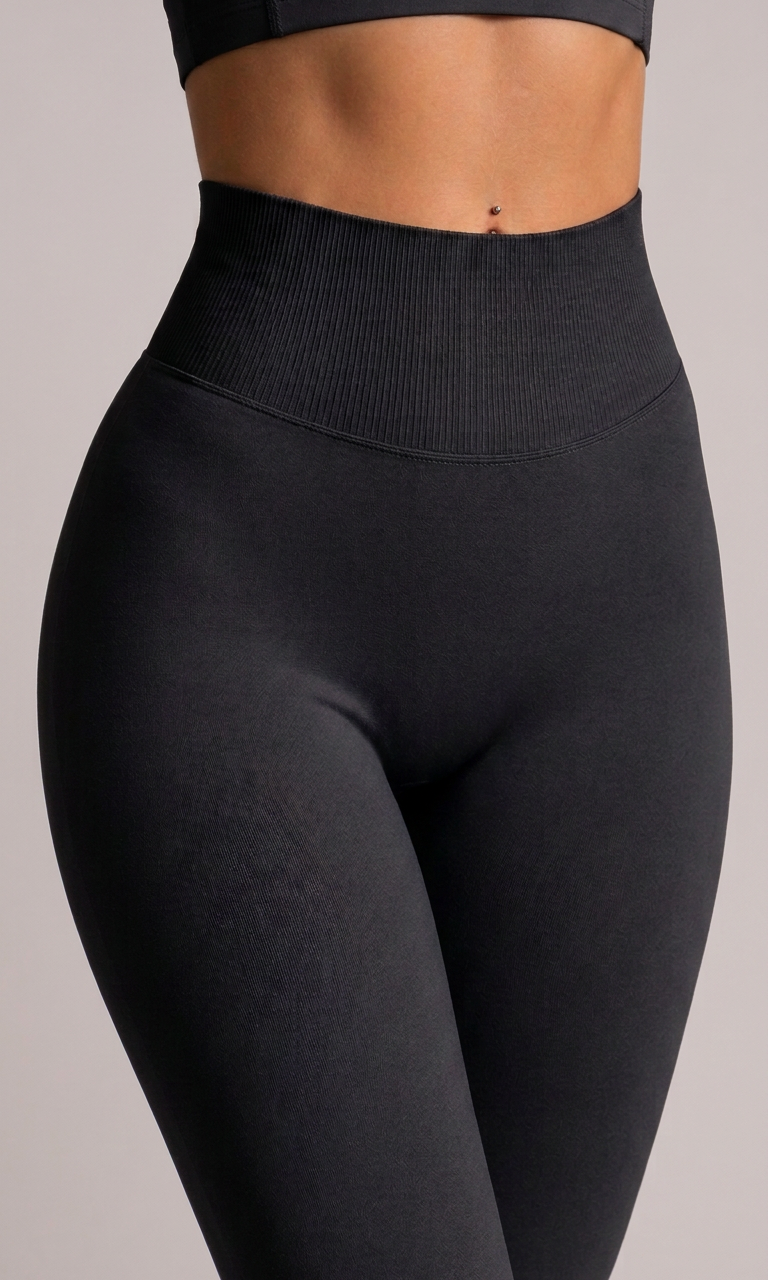
Waistband construction is equally important. A waistband that is too soft may fold or move. One that is excessively rigid may create pressure without adapting naturally to the body.
Both problems can result in constant adjustments during training.
Reliable workout tights balance structure with flexibility. The waistband should remain stable while the material around the hips and legs follows the body naturally.
Correct care also matters. Our activewear care guide explains how to wash, dry and protect your tights so the material and waistband retain their performance.
What Makes Leggings Stay Secure?
Secure leggings are not created by one isolated feature. Their stability comes from several connected design decisions.
The waistband needs enough structure to resist downward movement. At the same time, it must adapt to breathing, bending and changes in posture.
The fabric must stretch without remaining permanently extended. Strong recovery helps the waistband return to position after squats, lunges and seated movement.
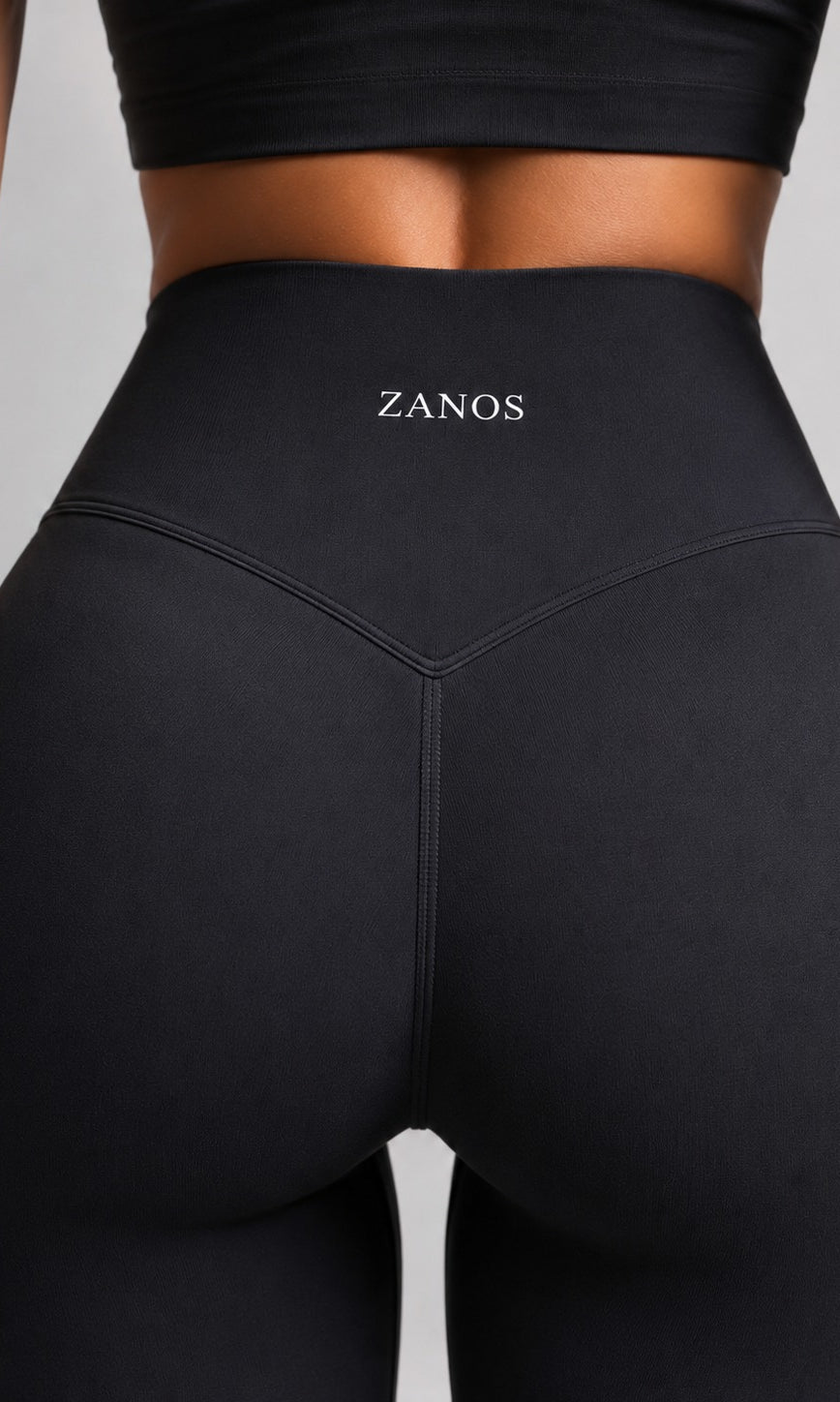
Pattern construction also plays an important role. If the material pulls too strongly across the thighs or hips, that tension can gradually drag the waistband down.
A balanced pattern distributes stretch across the garment instead of concentrating it in one area.
Finally, the size must fit both the waist and hips. Leggings that are too small can slide because overstretched material creates continuous downward tension. Leggings that are too large may not have enough contact with the waist to remain stable.
Good leggings should feel supportive without requiring constant adjustment. They should remain close to the body while allowing controlled and unrestricted movement.
Does a High Waist Help Leggings Stay Up?
A high waistband can improve stability, but height alone does not guarantee support.
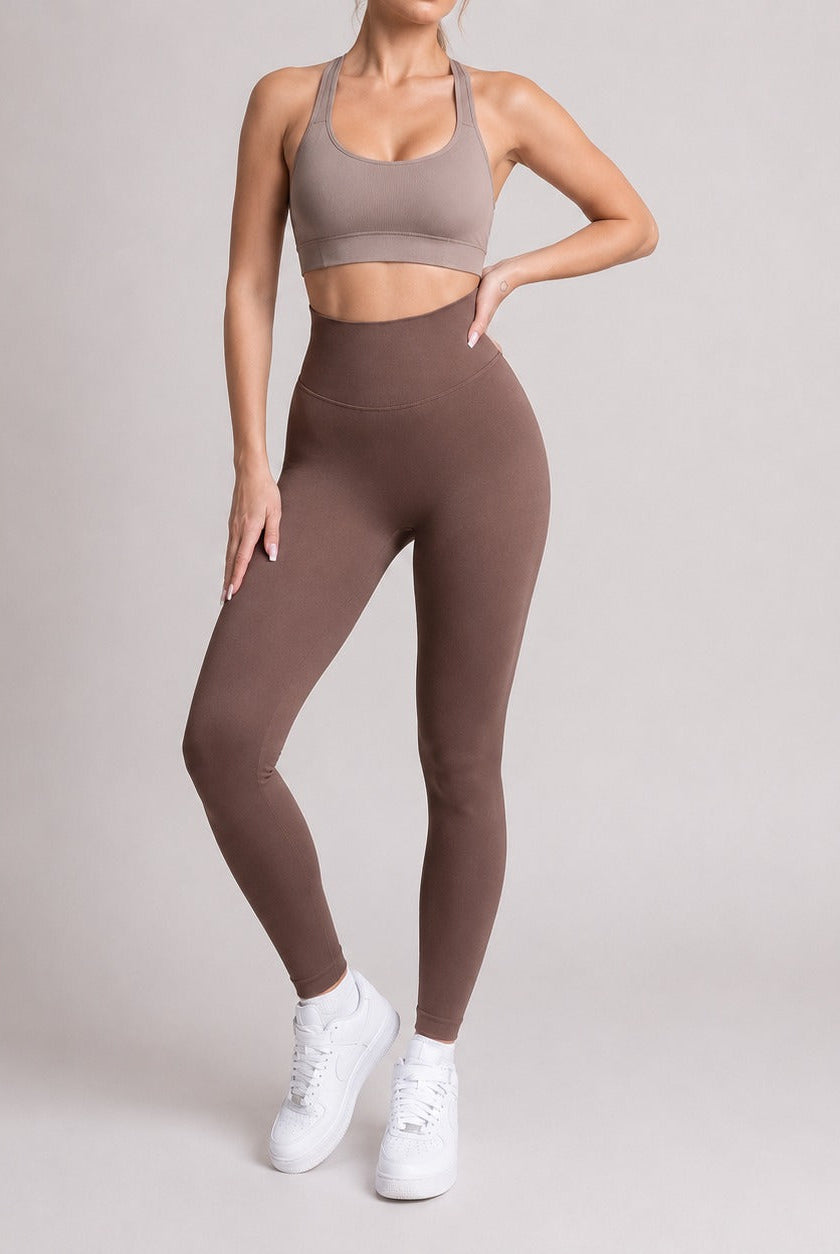
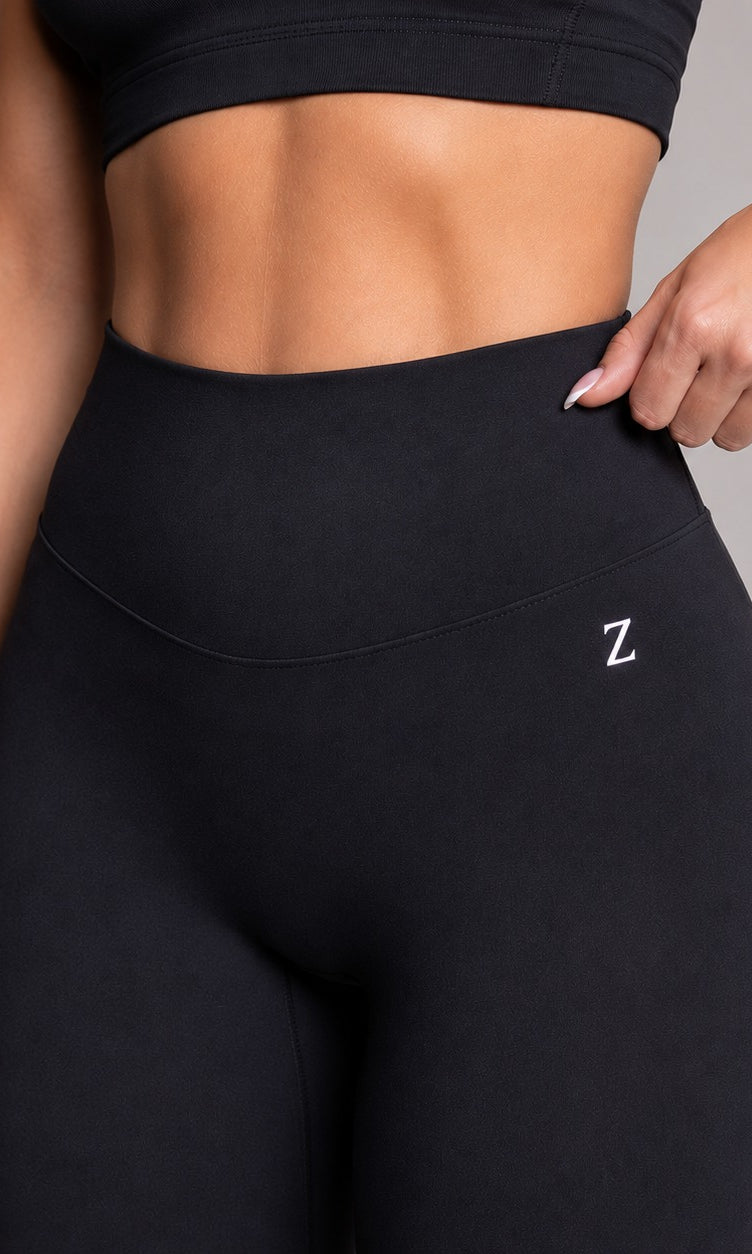
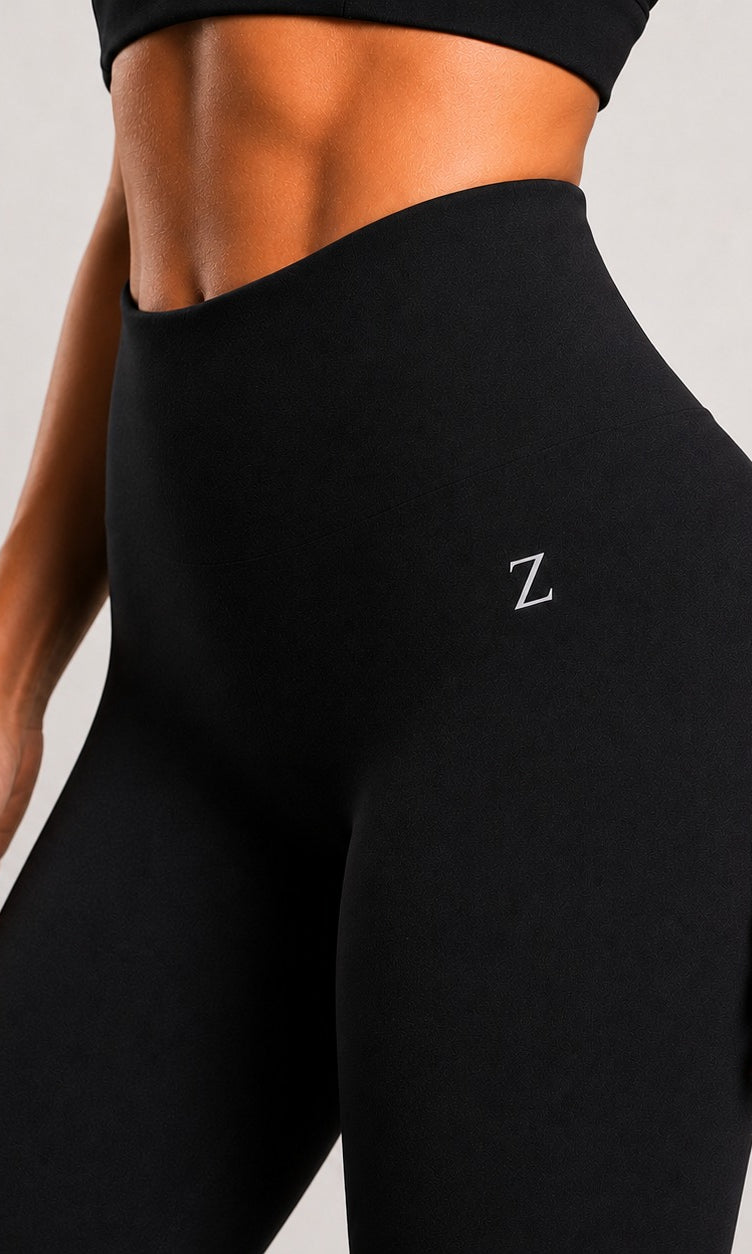
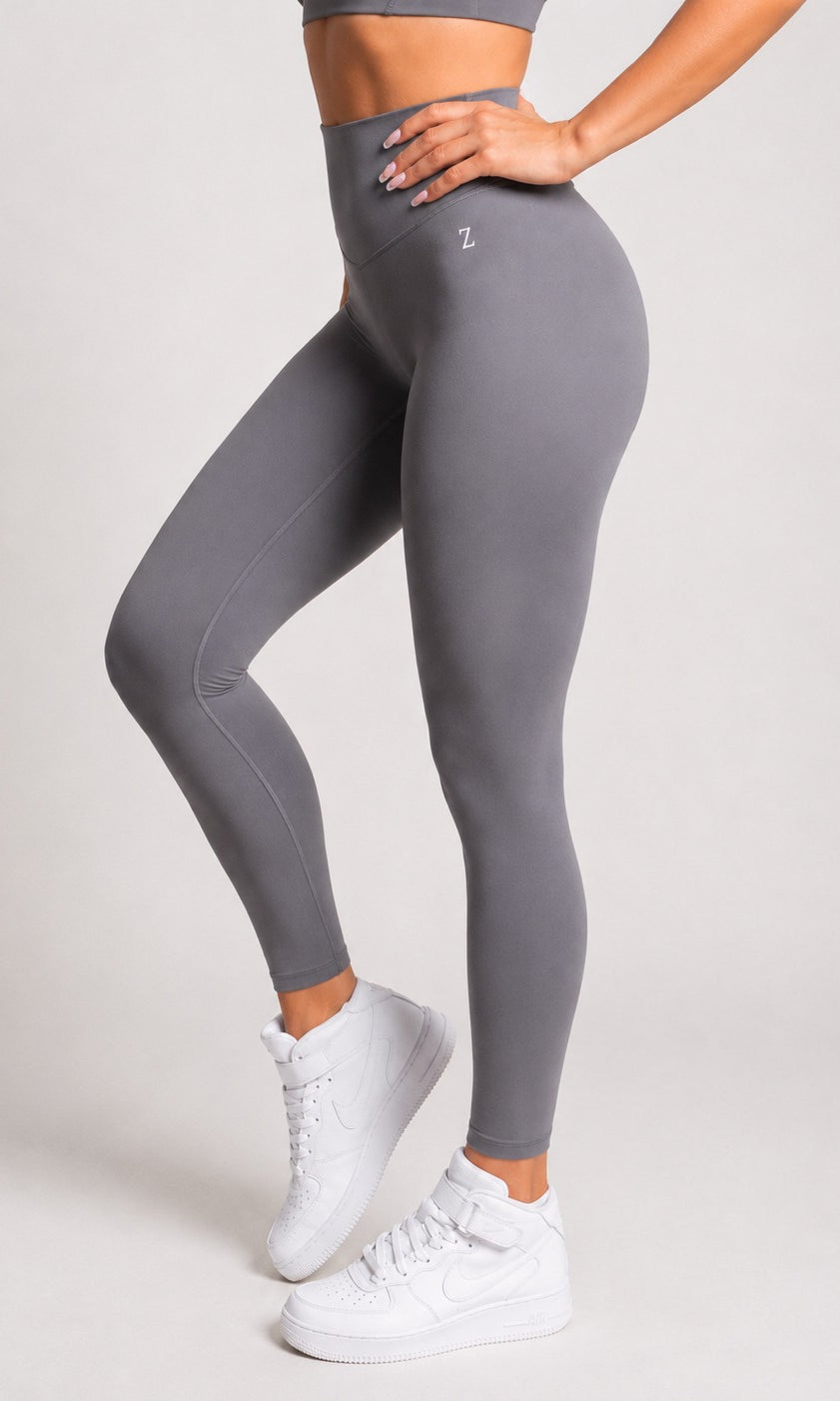
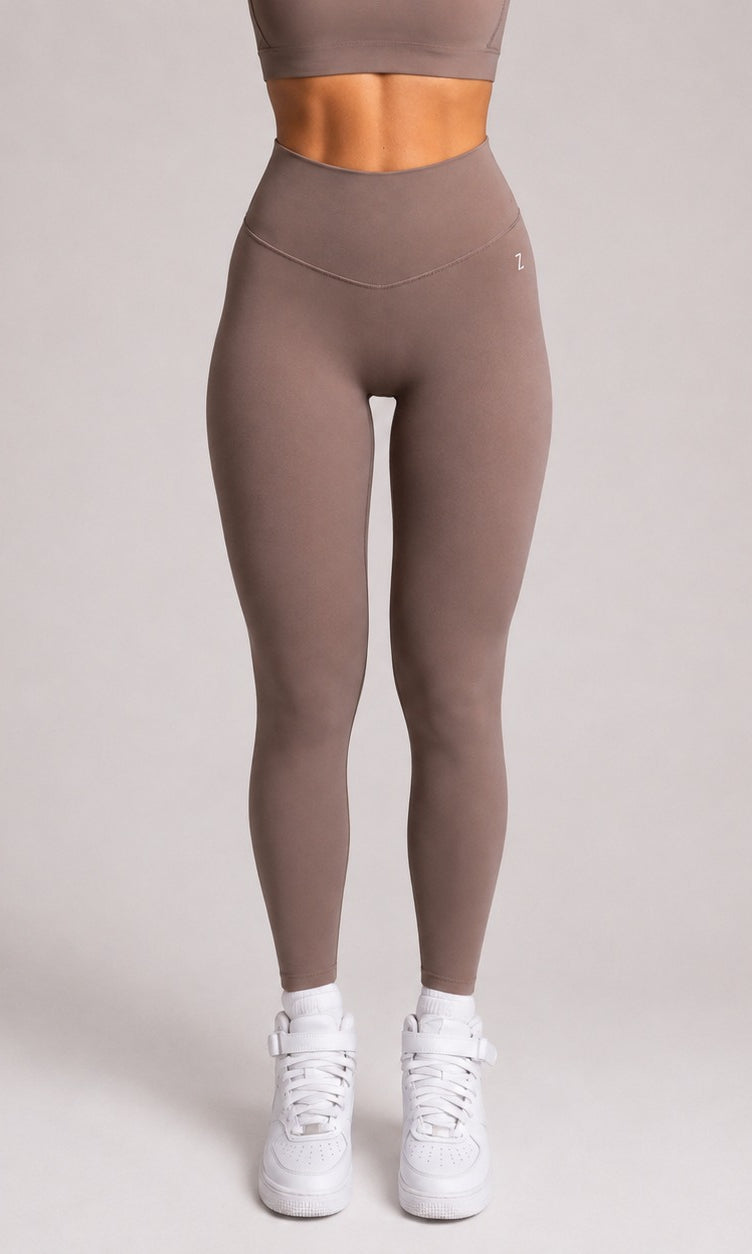
A taller waistband creates a larger contact area against the body. This can distribute pressure more evenly and reduce movement during squats, walking and strength training.
However, a high waistband made from weak fabric can still loosen. A thick waistband can still roll if it is poorly proportioned. A tight waistband can still move when the rest of the leggings creates excessive downward tension.
The important factor is not simply how high the waistband reaches. It is how the waistband interacts with the fabric, pattern and body.
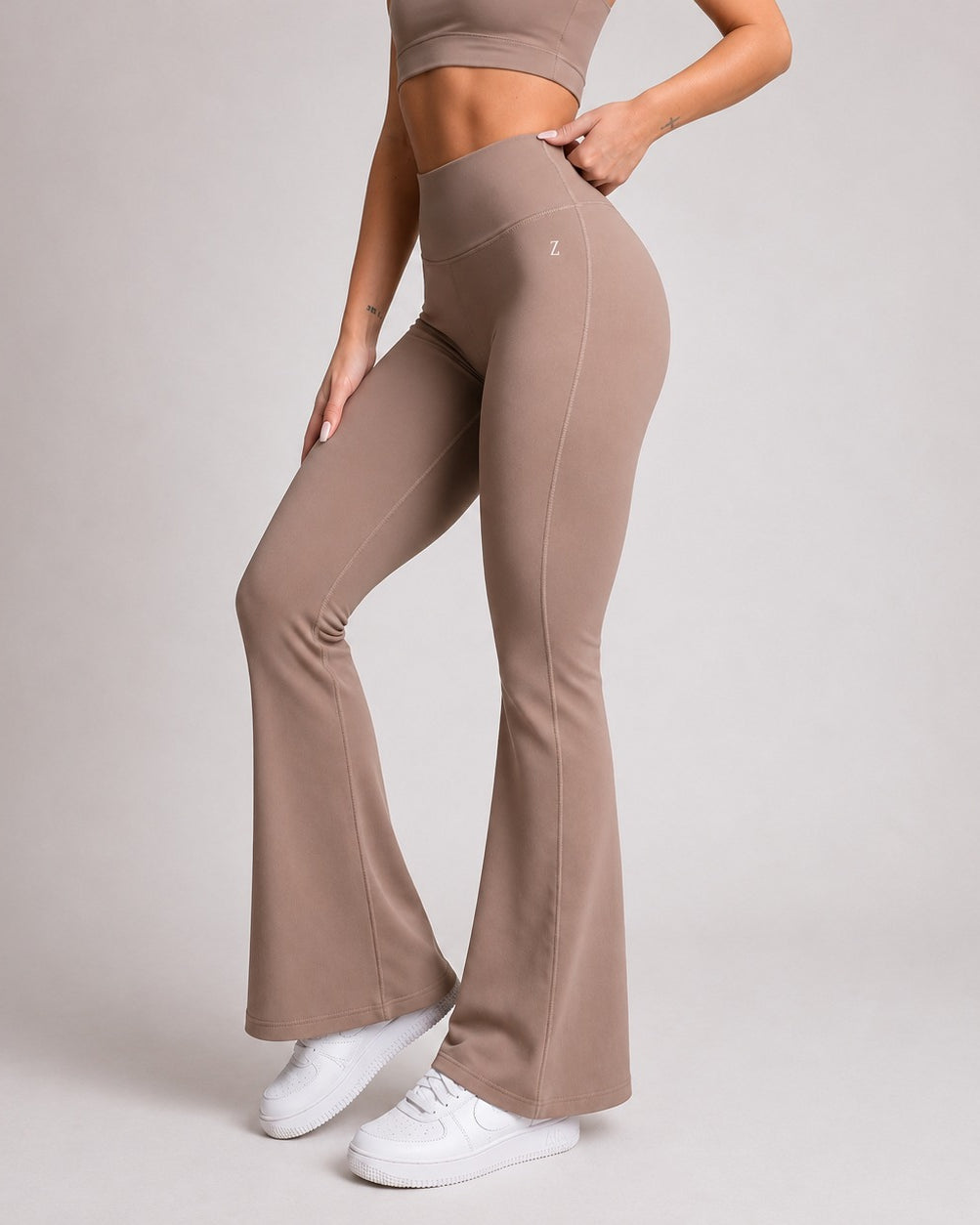
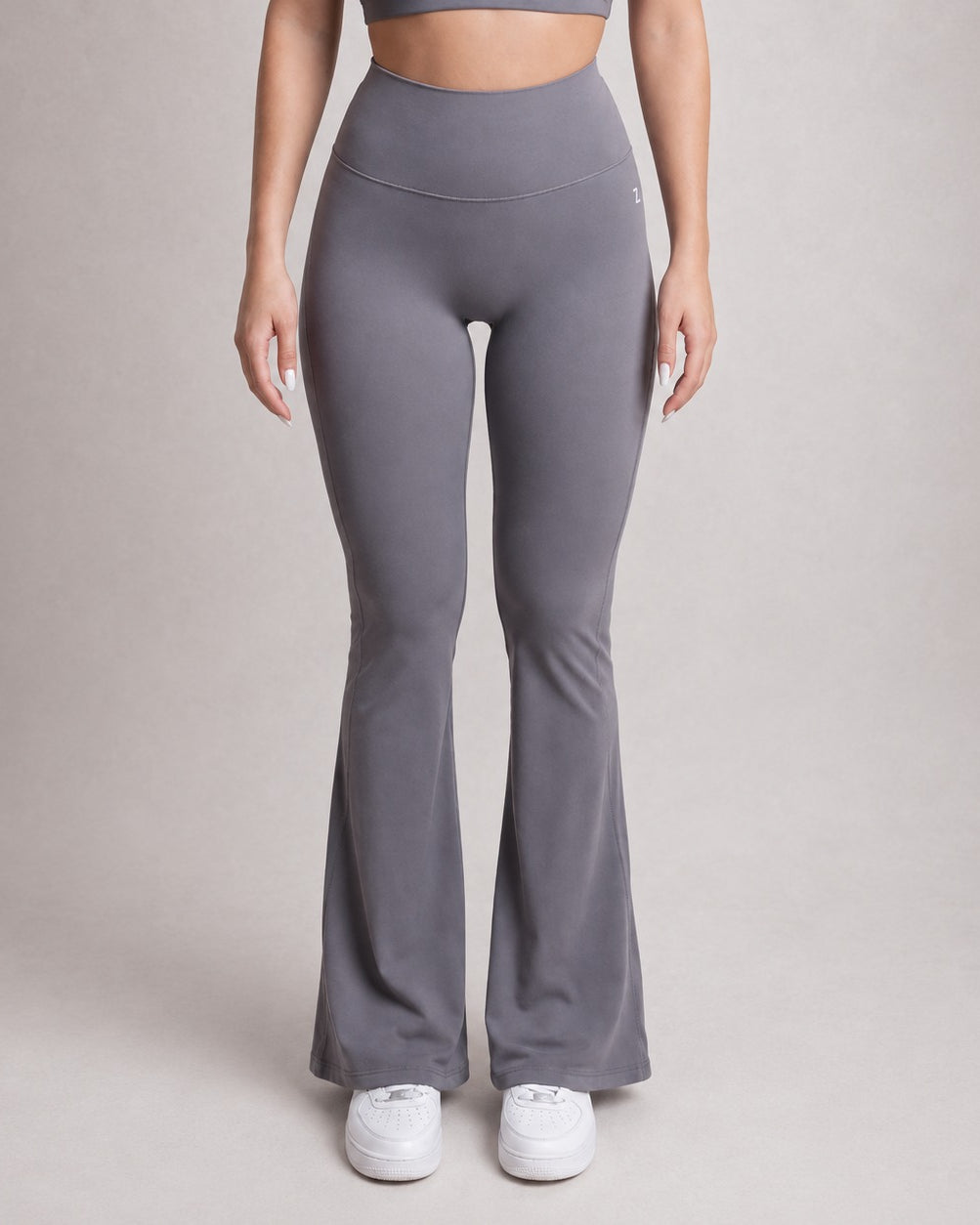
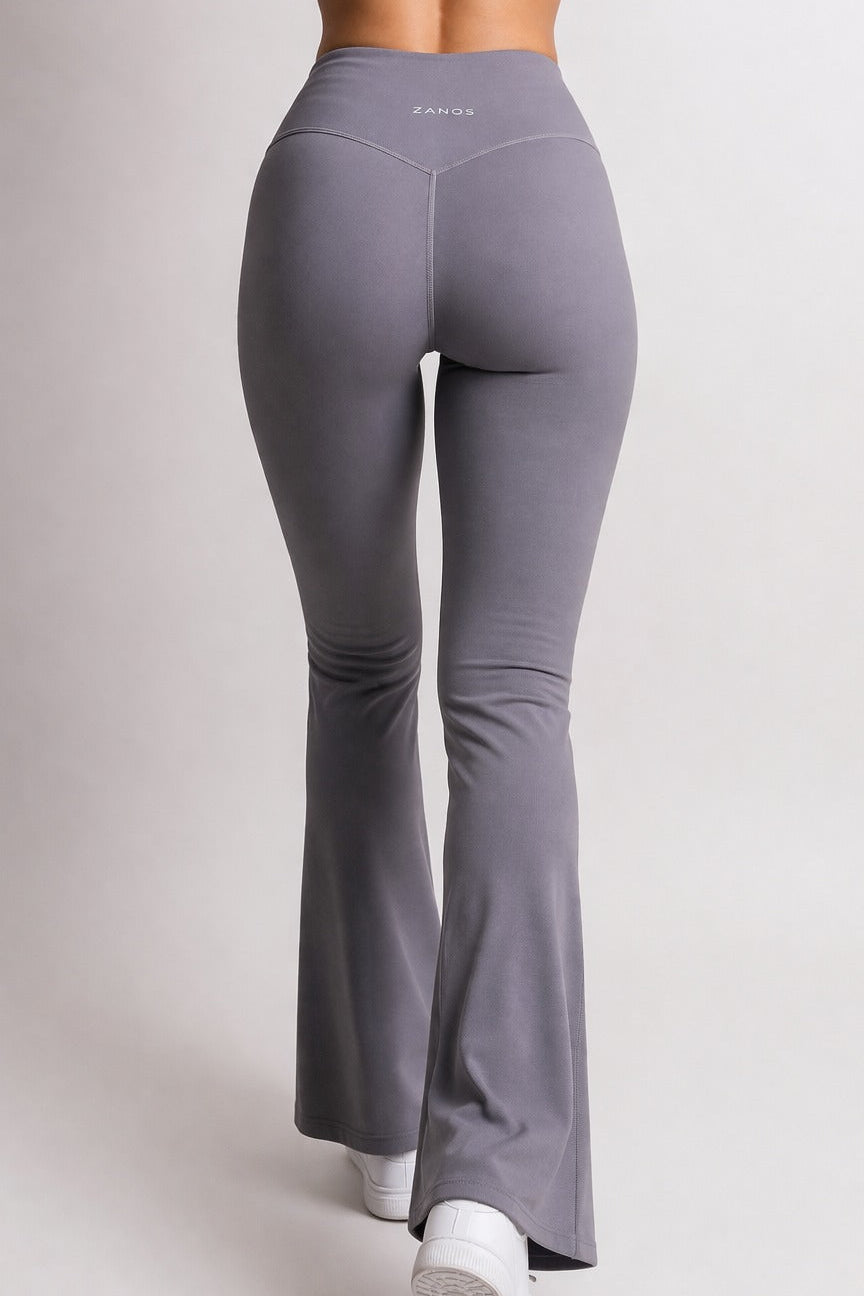
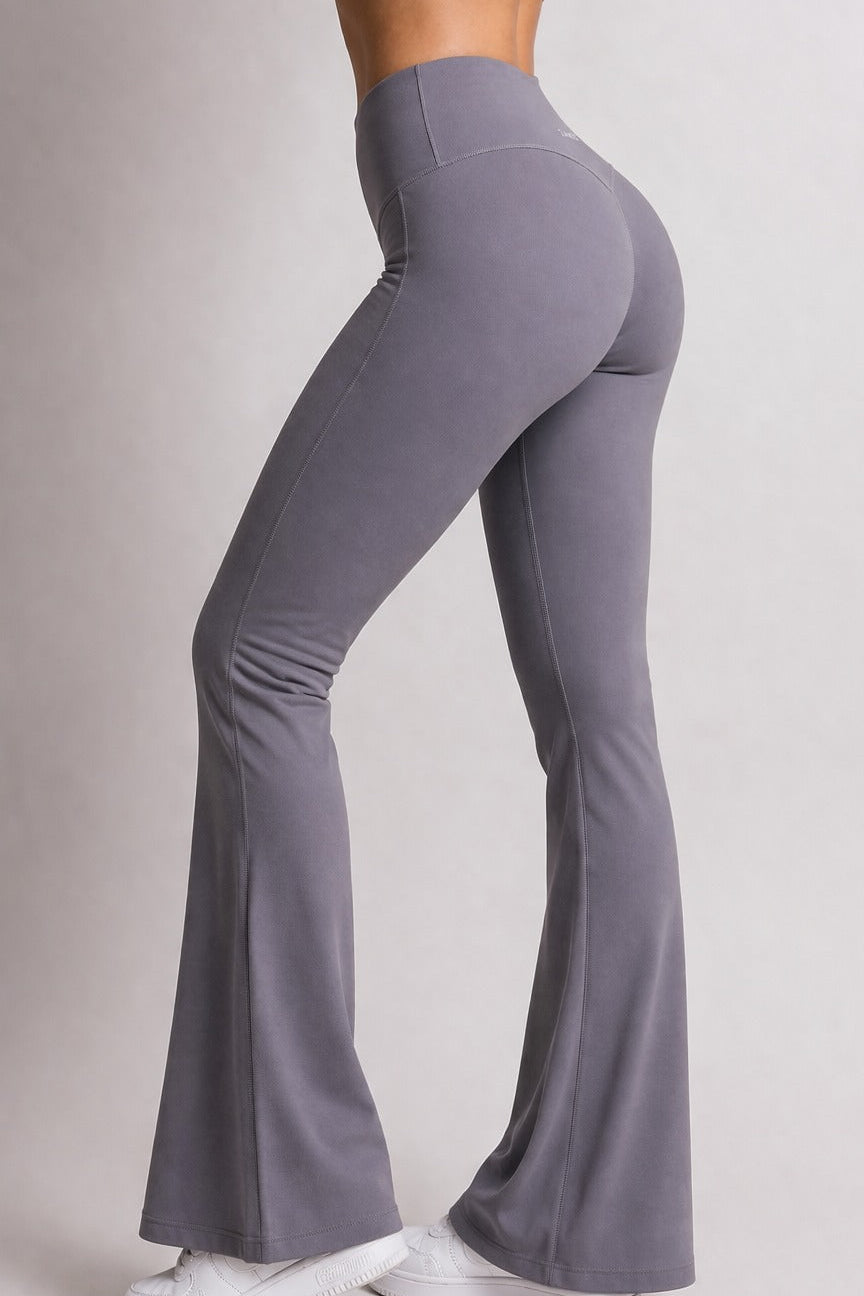
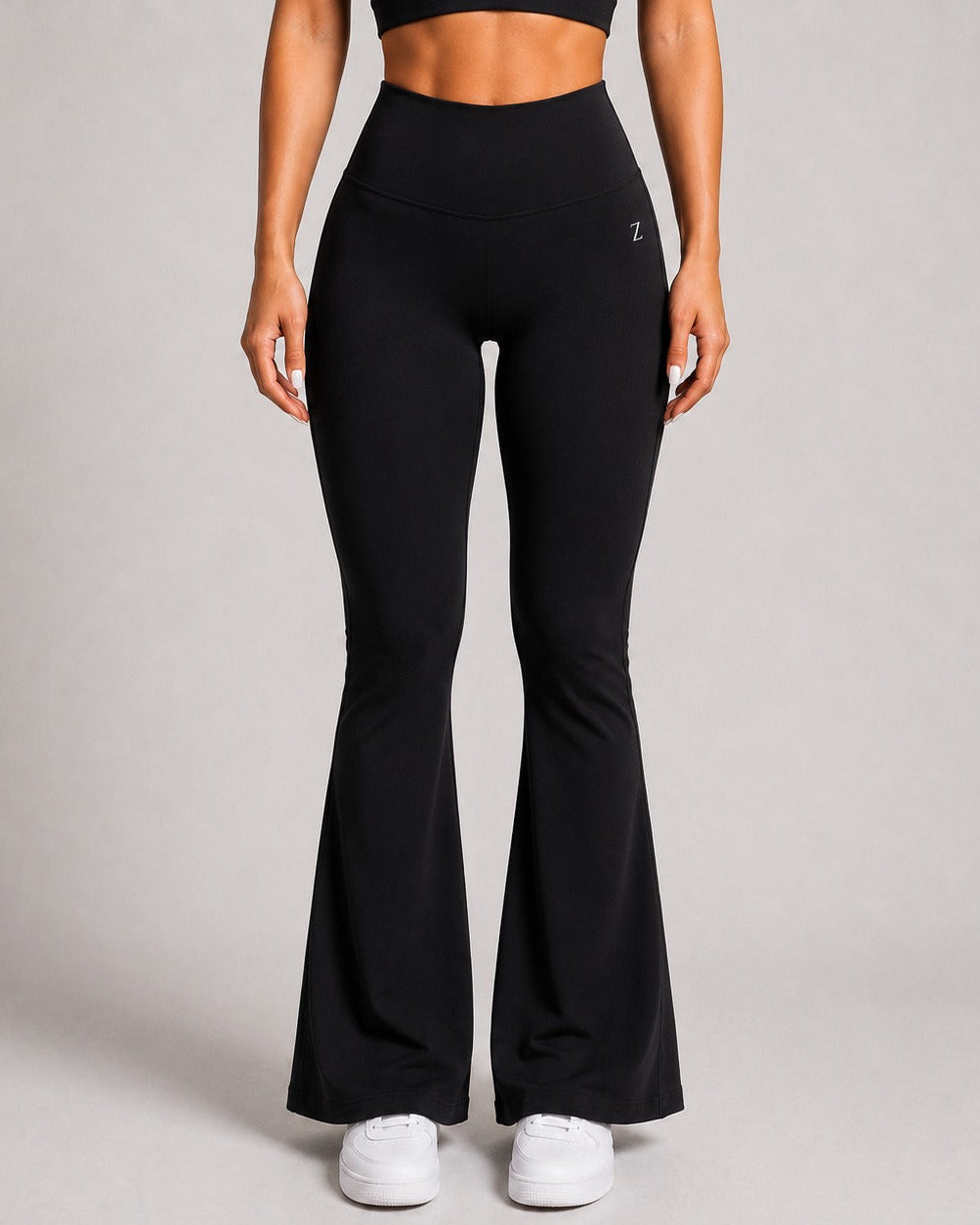
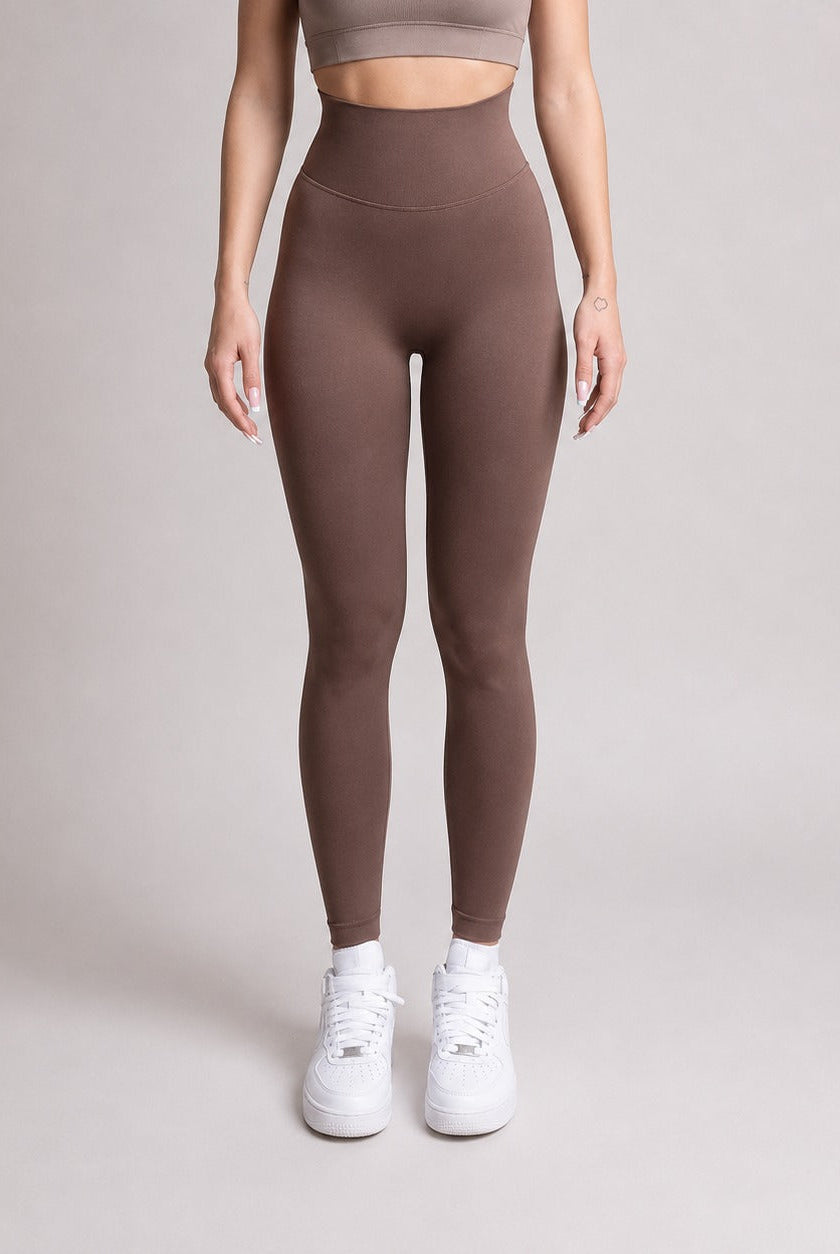
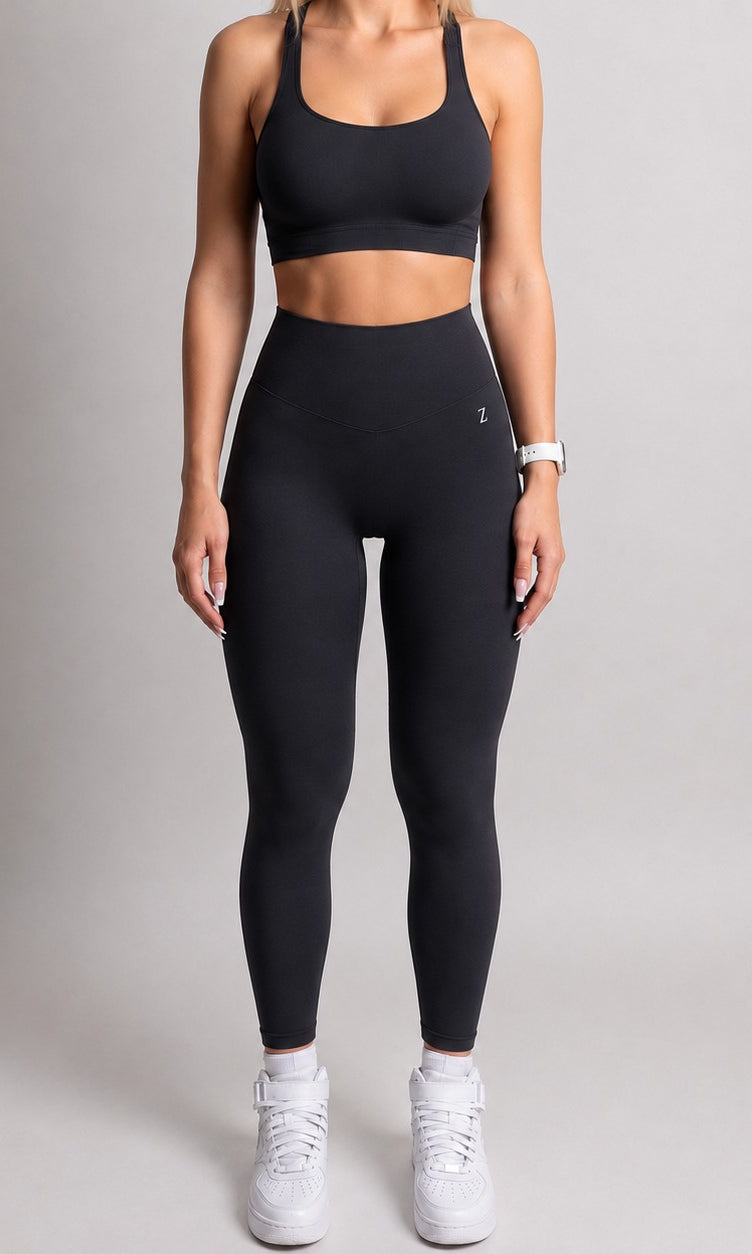
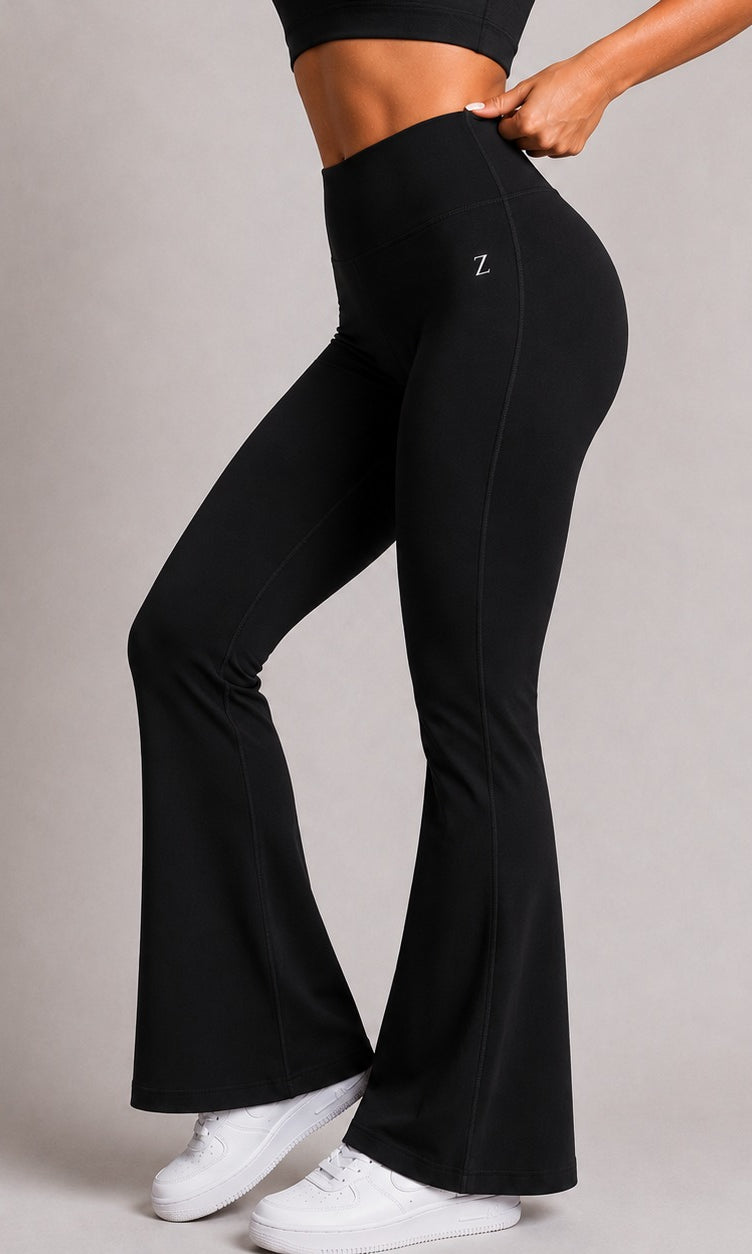
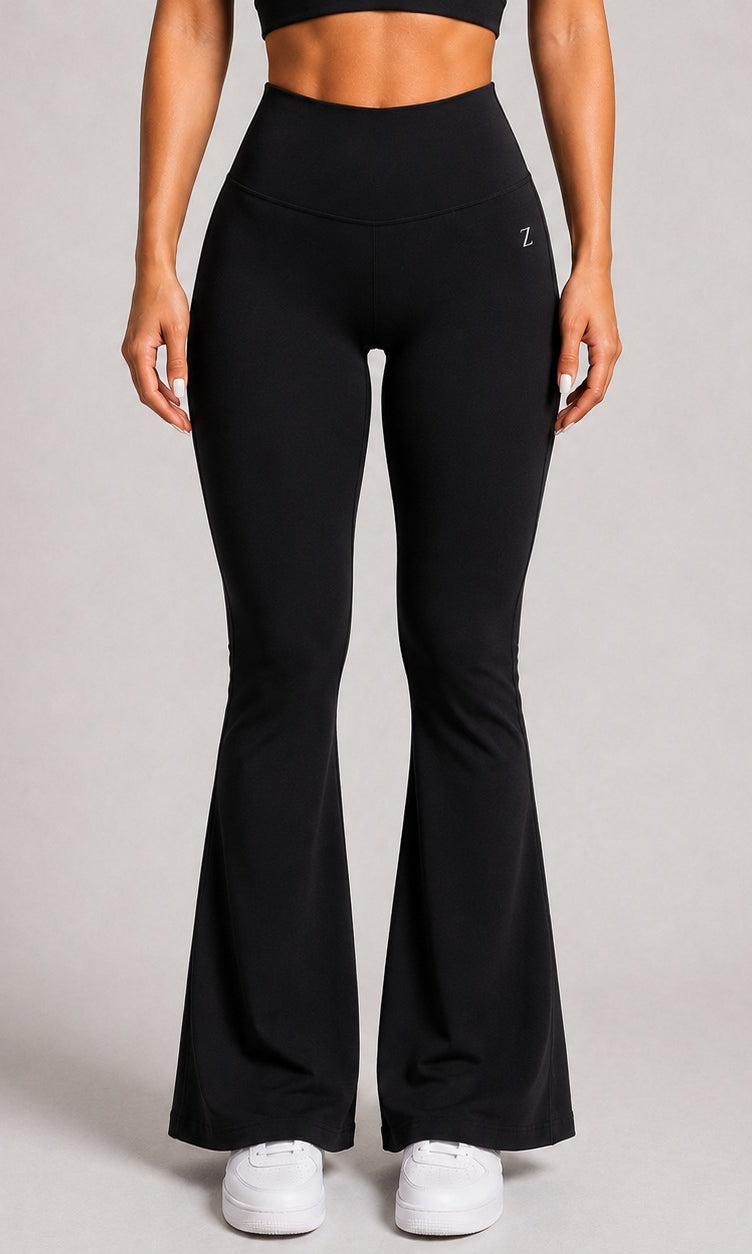
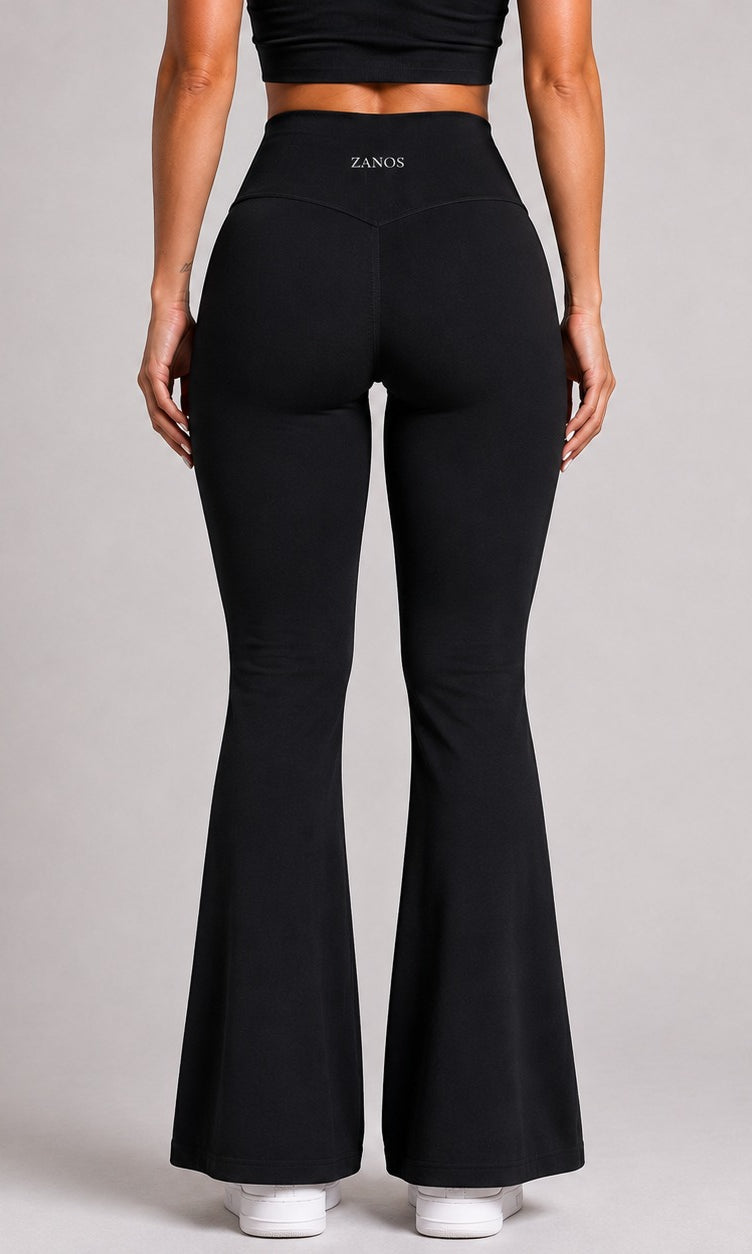
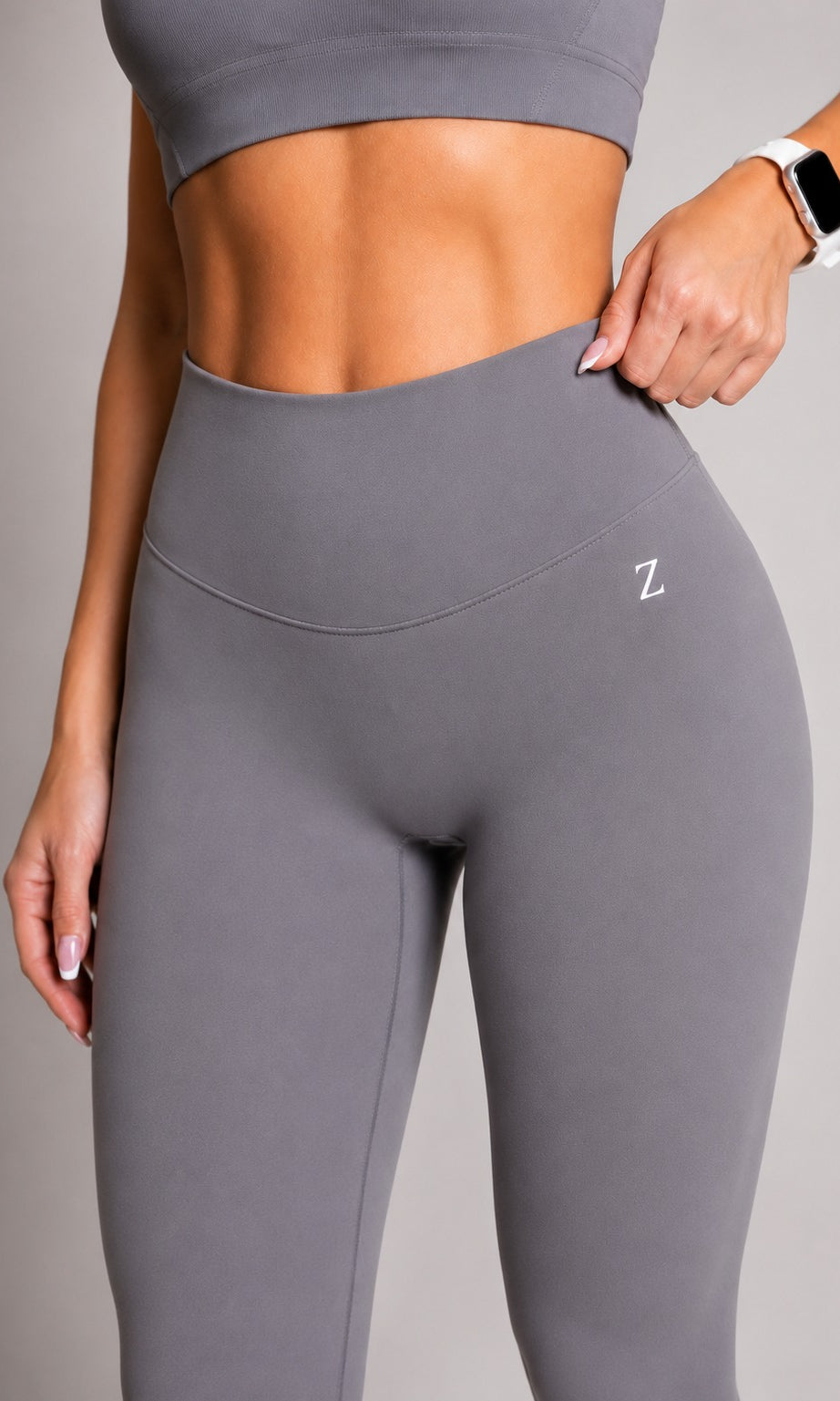
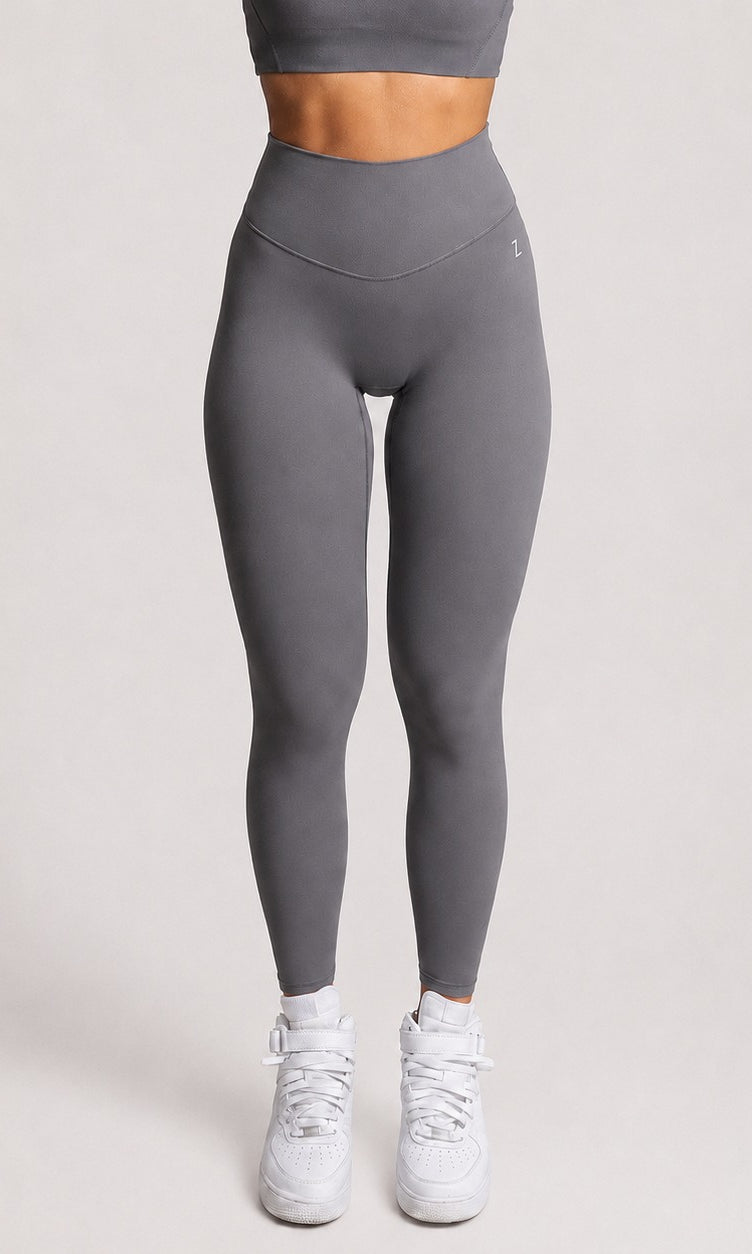
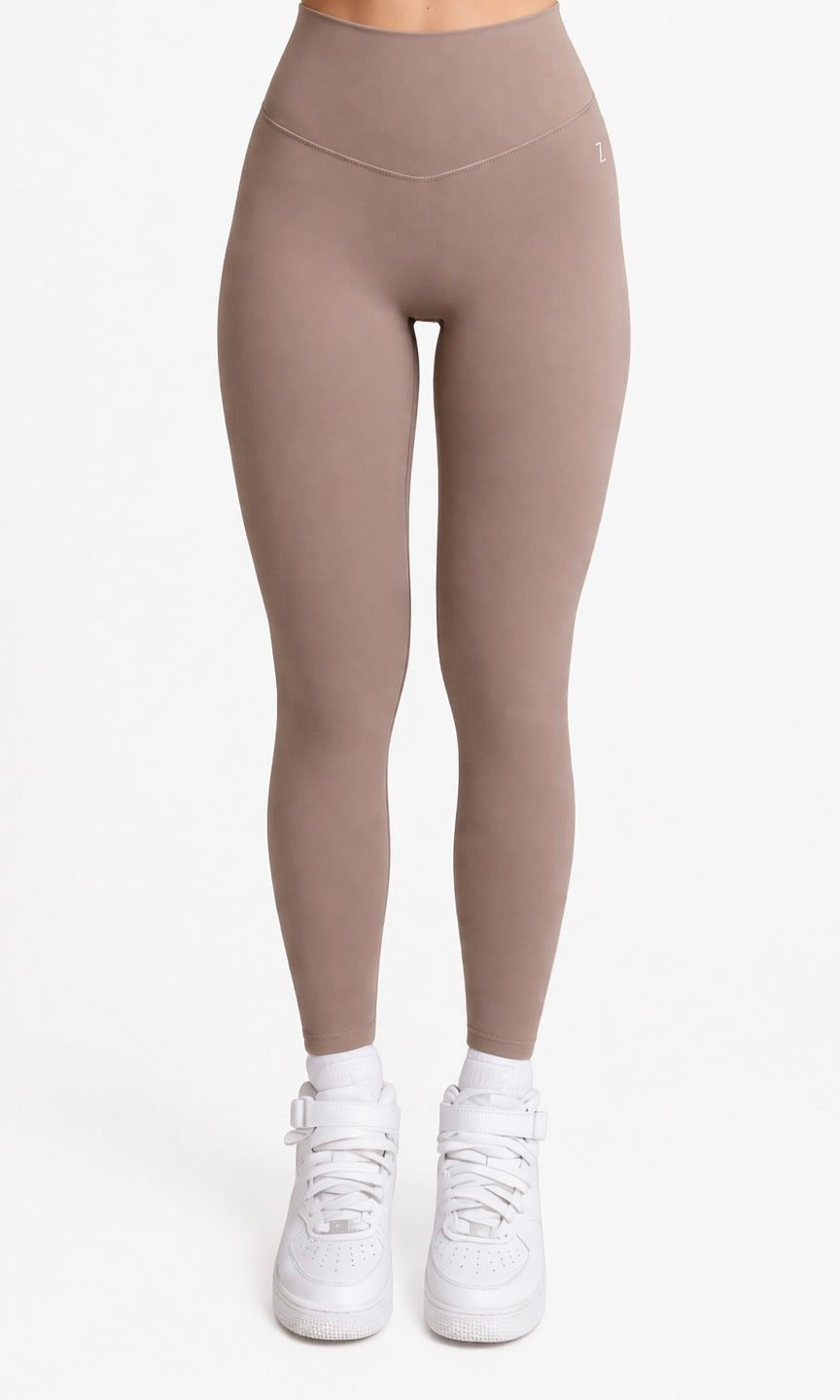
Well designed high waisted leggings for women use the waistband as one part of a complete fit system. The upper section provides stability while the lower sections move without pulling it out of position.
For a closer look at shaping and waistband construction, visit our guide to scrunch tights with a high waist.
Can Leggings Be Too Tight and Still Slide Down?
Yes. Tighter does not always mean more secure.
When leggings are too small, the fabric becomes excessively stretched across the hips, thighs and glutes. This tension can create a continuous downward pull.
The waistband may feel firm, but the rest of the garment is working against it.
Excessive compression can also make the waistband roll. Instead of sitting flat against the body, the upper edge may fold when you bend or sit. Once the fold begins, the waistband becomes less stable.
Correctly fitted leggings should feel close and supportive without creating sharp pressure around the waist. You should be able to squat, bend and walk without the waistband folding or the material pulling uncomfortably.
A secure fit is created through balance, not maximum tightness.
How Should Workout Leggings Fit?
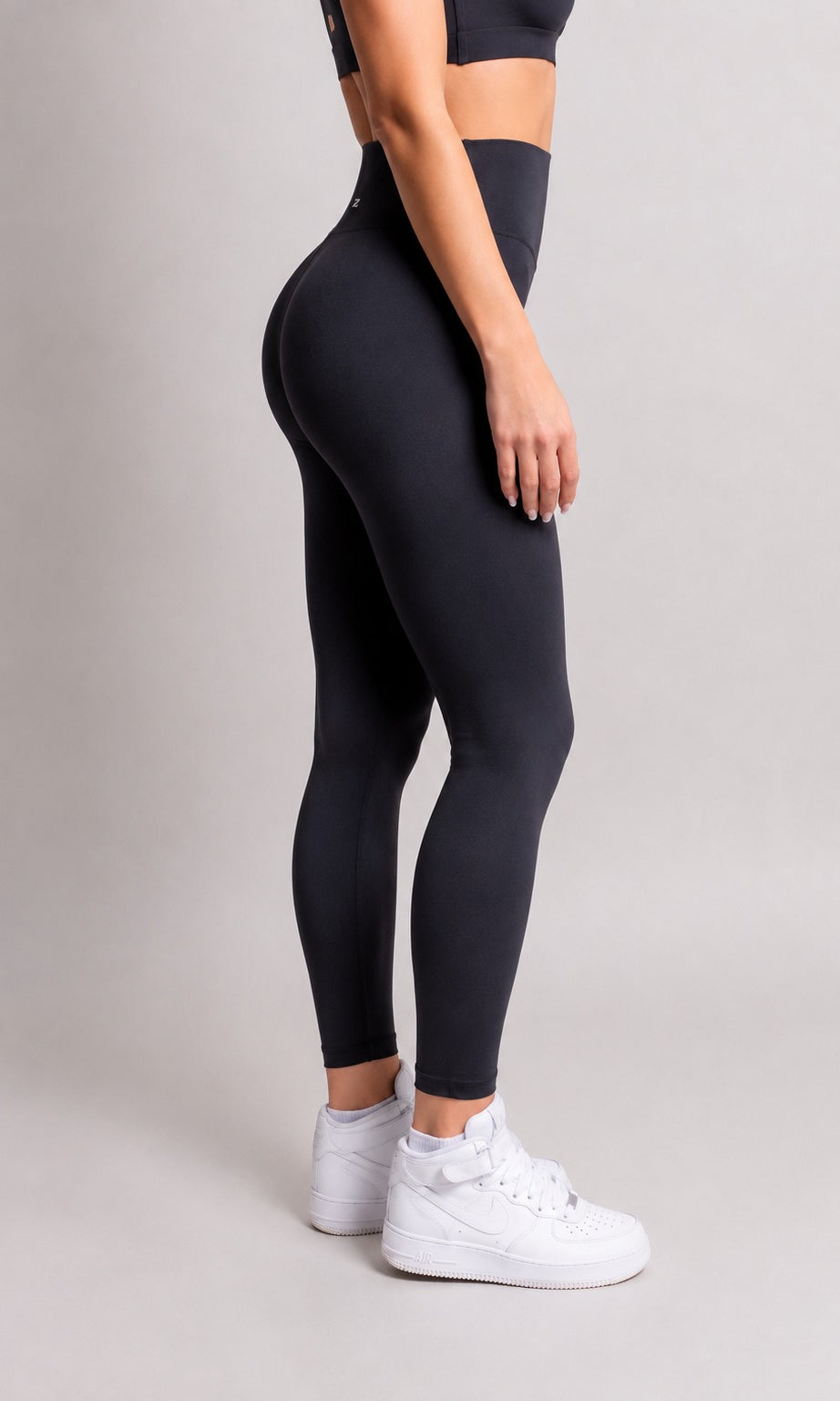
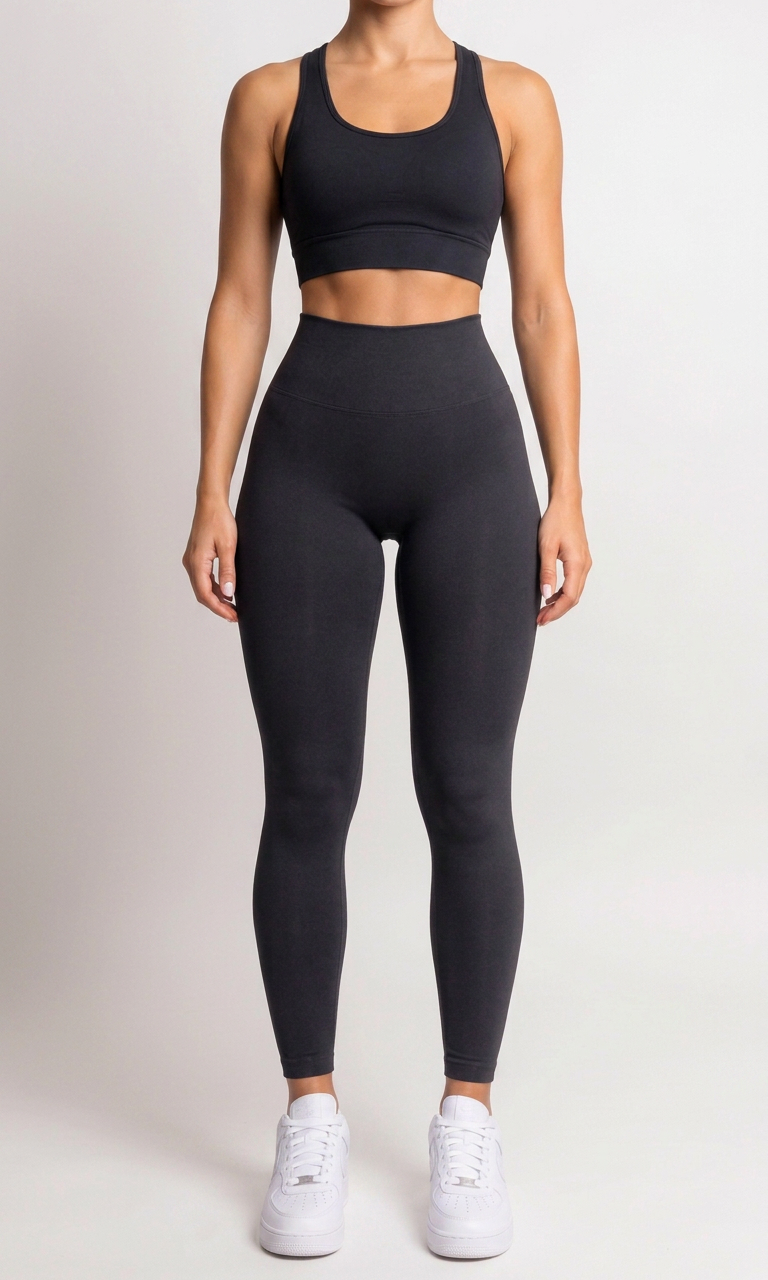
Workout leggings should remain close to the body without restricting natural movement.
The waistband should sit flat when you stand, bend and sit. It should not create a gap at the back or dig sharply into the waist.
The fabric around the hips should feel smooth rather than overstretched. Excessive pulling, visible distortion or discomfort may indicate that the size is too small.
During a squat, the leggings should follow the body without moving significantly at the waist. After standing again, the fabric should return to position without needing to be pulled upwards.
Good workout tights should feel stable during both intense training and ordinary movement. The same construction principles matter when walking, travelling or wearing leggings throughout the day.
Choosing the correct size is essential because even well constructed leggings cannot perform as intended when the fit is wrong.
Why Fabric Recovery Matters More Than Initial Tightness
Initial tightness only describes how leggings feel when they are new. Fabric recovery determines how they perform over time.
Material with strong recovery returns towards its original dimensions after being stretched. This helps the waistband maintain consistent contact with the body through repeated movement.
Fabric with weaker recovery may gradually remain extended. The change can be small after each use, but over time the waistband begins feeling looser and the leggings require more adjustment.
This is why long term shape retention matters when selecting workout leggings. A good fit should not disappear after several workouts or washes.
ZANOS prioritises movement, waistband stability and materials selected to maintain their shape during regular use.
The goal is not to create leggings that only feel supportive when they are first tried on. The goal is consistent comfort and support during training and everyday movement.
Do Scrunch Tights Stay Up During Training?
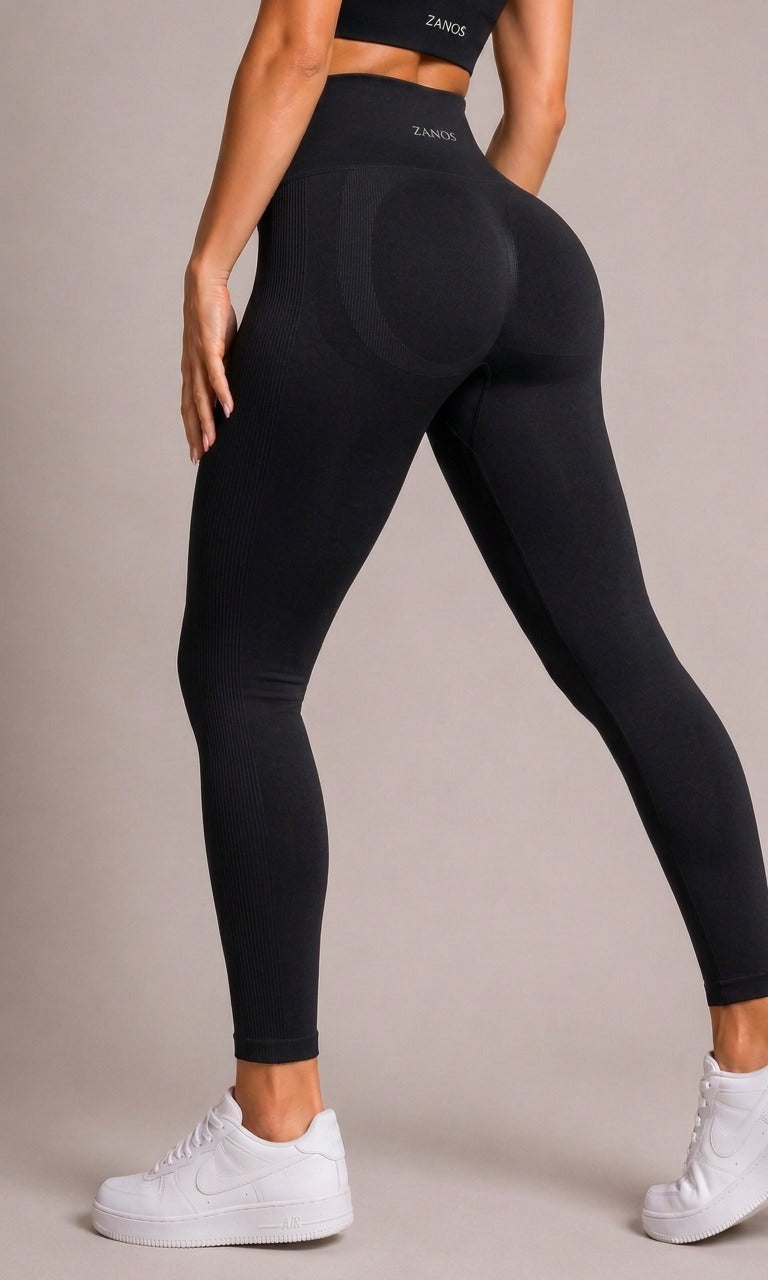
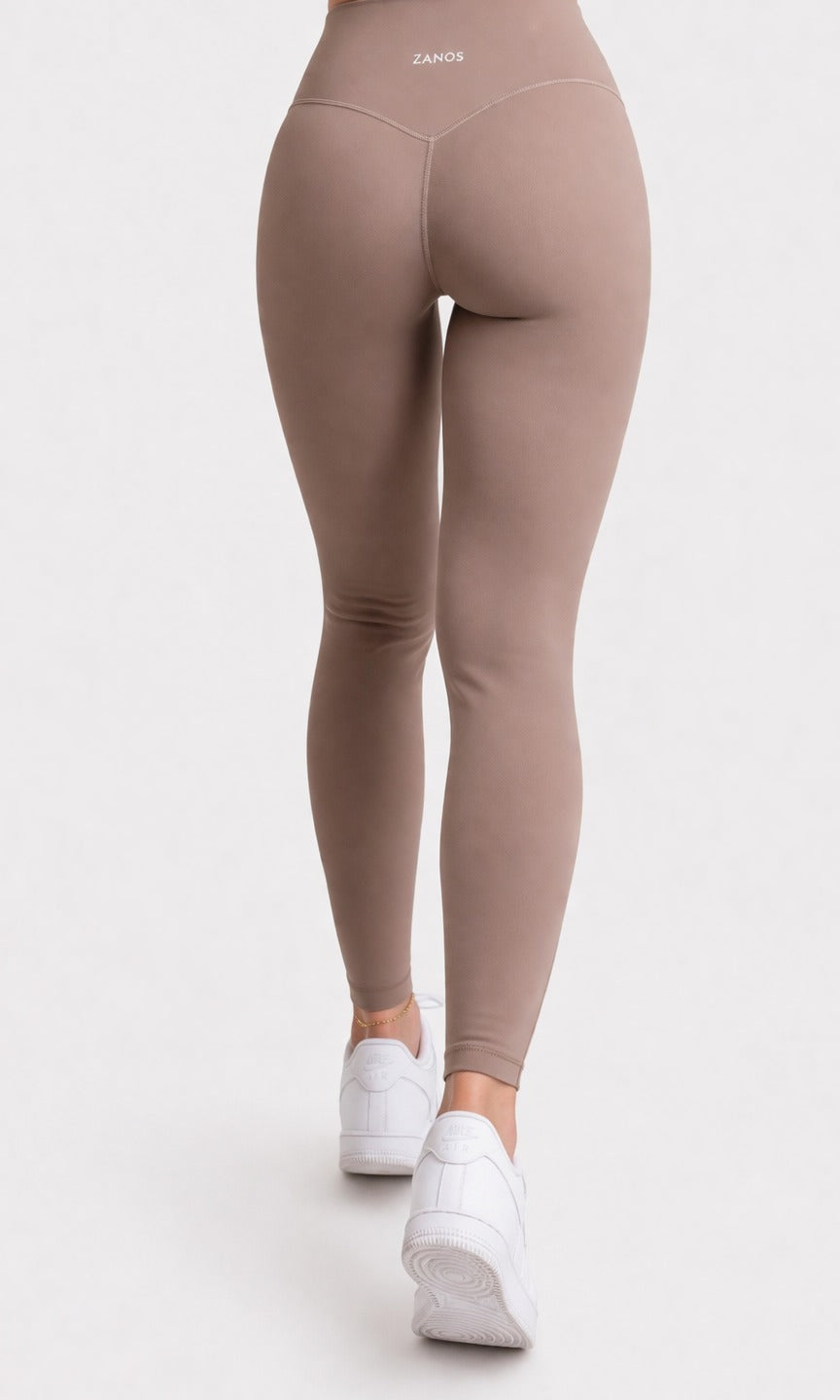
Scrunch construction primarily affects shaping and how the fabric follows the glutes. It does not automatically determine whether leggings remain in place.
The waistband, fabric recovery, sizing and overall pattern are still responsible for stability.
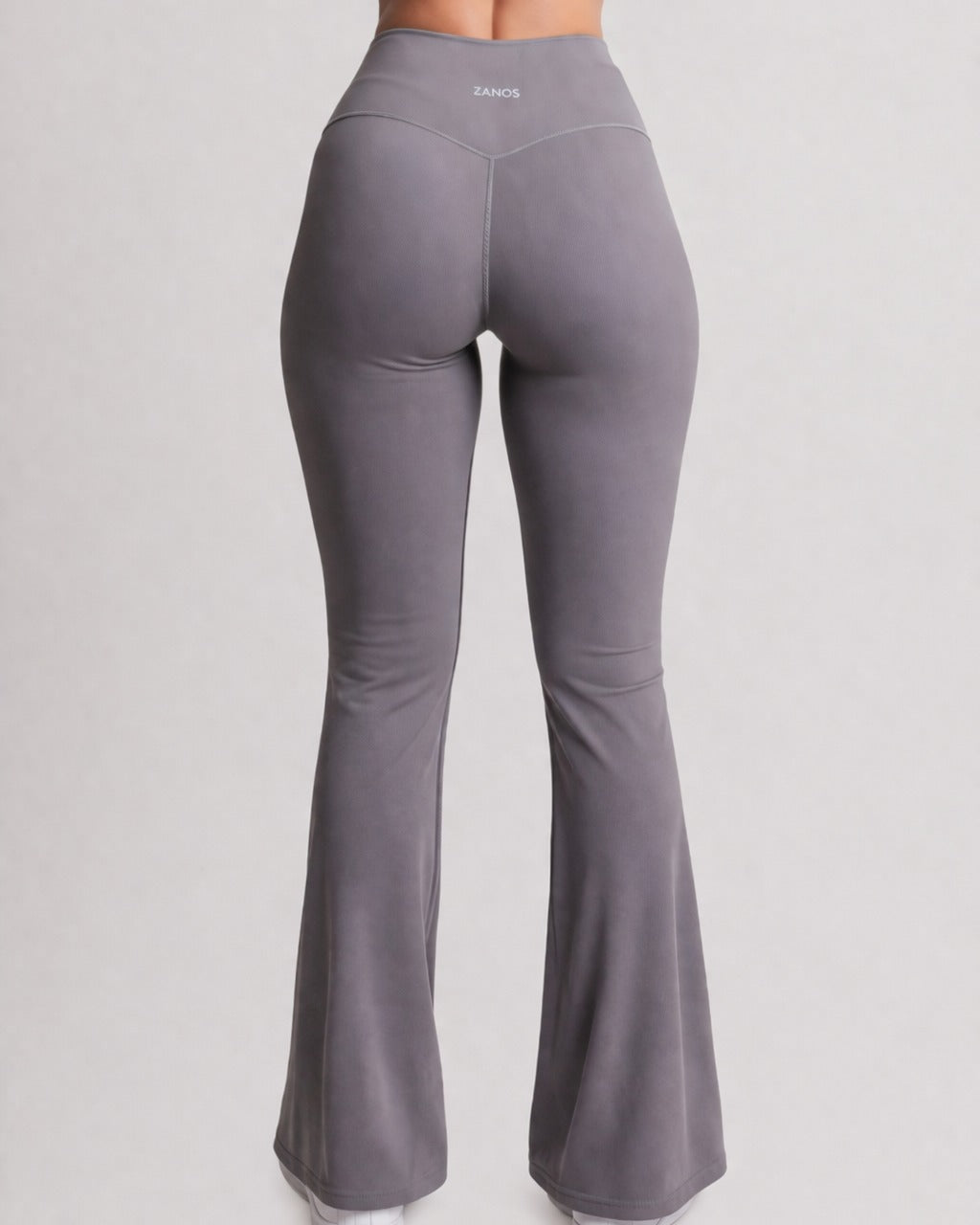
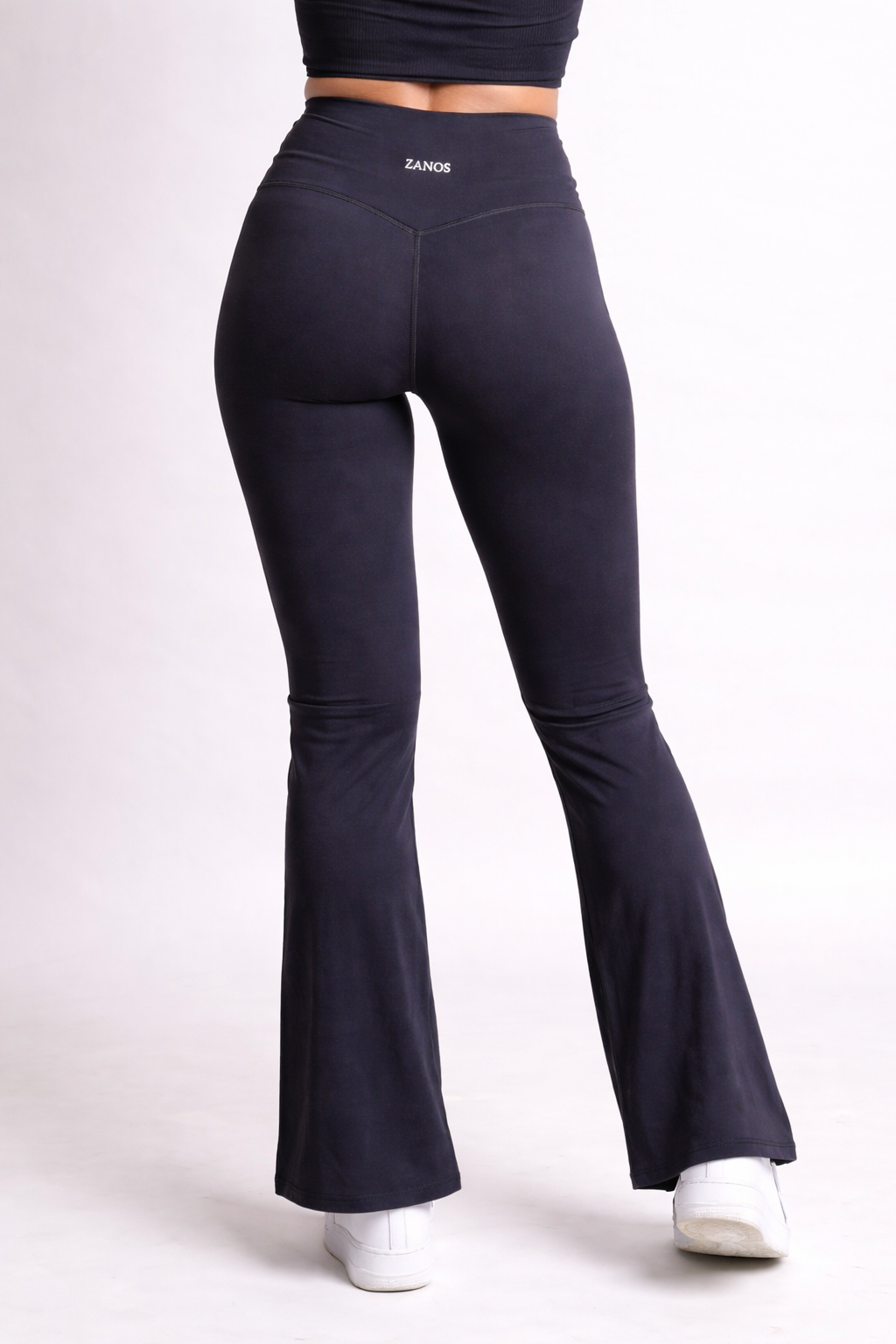
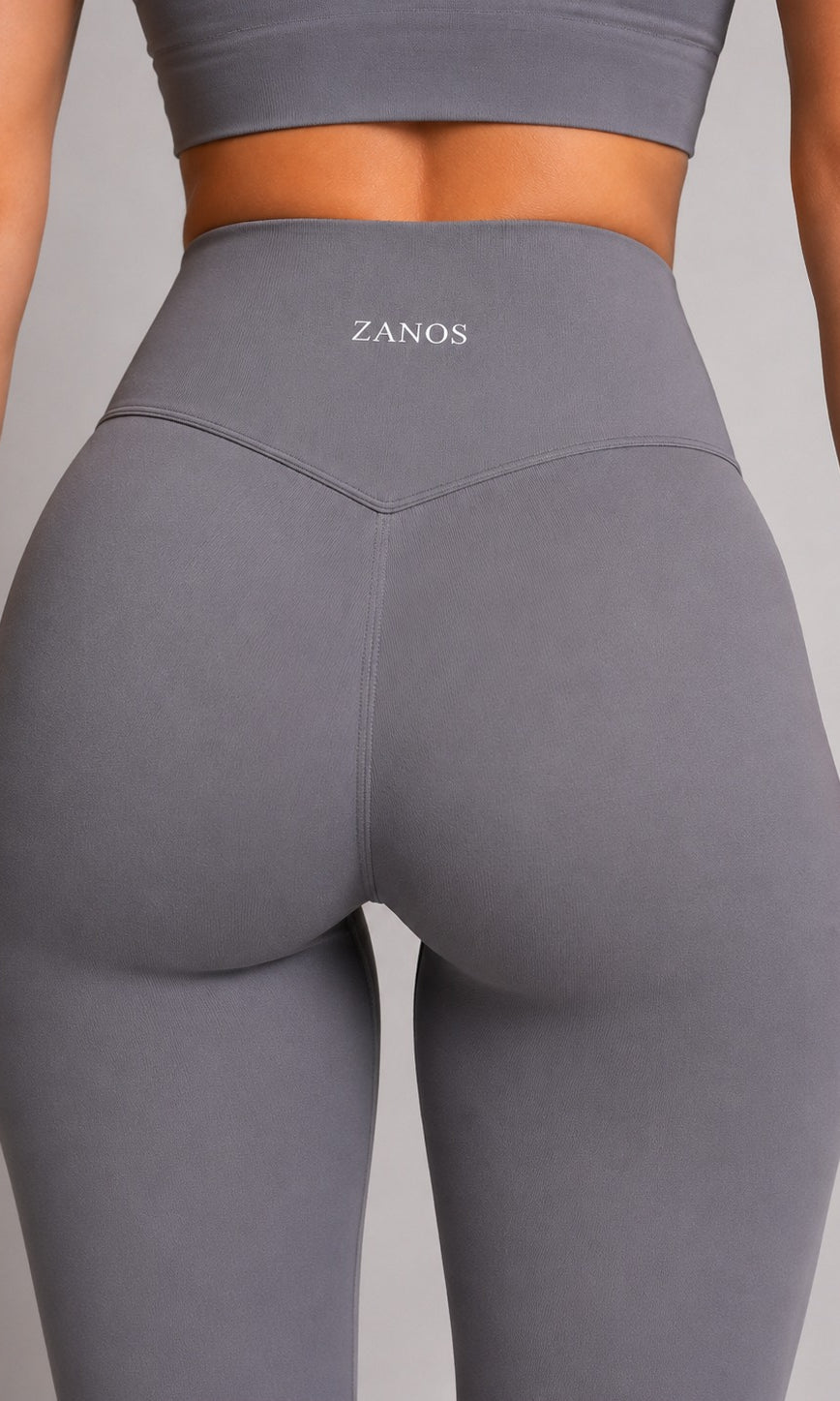
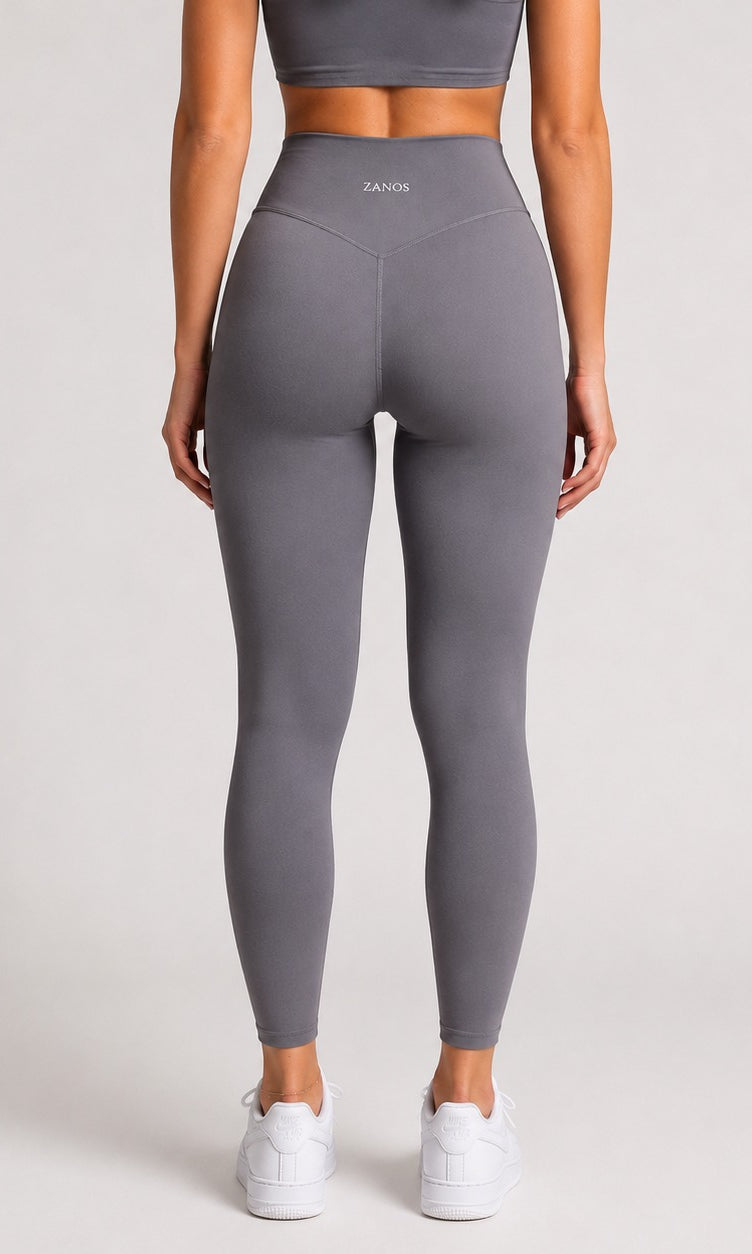
A well constructed scrunch design can move naturally with the body without creating unnecessary downward tension.
Poorly balanced scrunch leggings may feel restrictive around the back or hips. This can place additional tension on the waistband during squats and lunges.
The strongest designs combine shaping with controlled movement. This allows the scrunch detail to enhance the fit without reducing comfort or support.
You can compare the different constructions in our guide to scrunch tights compared with regular leggings or browse the complete ZANOS scrunch tights collection.
Why Do Some Leggings Roll Down at the Waist?
Sliding and rolling are related, but they are not always the same problem.
Leggings slide when the waistband gradually moves lower. Rolling happens when the upper edge folds over itself.
A waistband may roll because it is too tight, too soft or too tall for the way it has been constructed. It can also happen when the waistband sits across an area of the body that changes shape significantly during bending or sitting.
The waistband needs enough structure to remain flat while still following the body through movement.
When the balance is correct, it should feel supportive without cutting into the waist or folding during normal activity.
How Washing Affects Waistband Stability
Even well constructed leggings can lose performance when they are washed incorrectly.
High temperatures can affect elastic fibres and reduce fabric recovery. Fabric softener may leave a coating that changes moisture management and the way the material feels.
Tumble drying can expose the garment to repeated heat and place additional stress on elastic components.
Wash leggings according to the care label and avoid unnecessary heat. Allowing them to air dry can help protect both their shape and waistband performance.
Correct care cannot transform poorly constructed leggings into supportive workout tights, but it can help quality leggings maintain their original fit for longer.
Read the complete ZANOS activewear care guide for detailed instructions.
How to Choose Tights That Stay in Place
Start by looking beyond colour and appearance.
Check whether the waistband is wide enough to distribute support without folding. Consider whether the fabric feels resilient after stretching.
Examine how the leggings fit across both the waist and hips instead of judging only one area.
Move before deciding. Squat, bend, sit and walk. A stable waistband should remain flat and close to the body through each position.
Avoid assuming that a smaller size will automatically provide more support. Correct sizing allows the pattern and material to perform as intended.
The best tights combine:
• A stable and comfortable waistband
• Strong fabric recovery
• Balanced compression
• Squat proof coverage
• A correct fit around the waist and hips
• Enough flexibility for natural movement
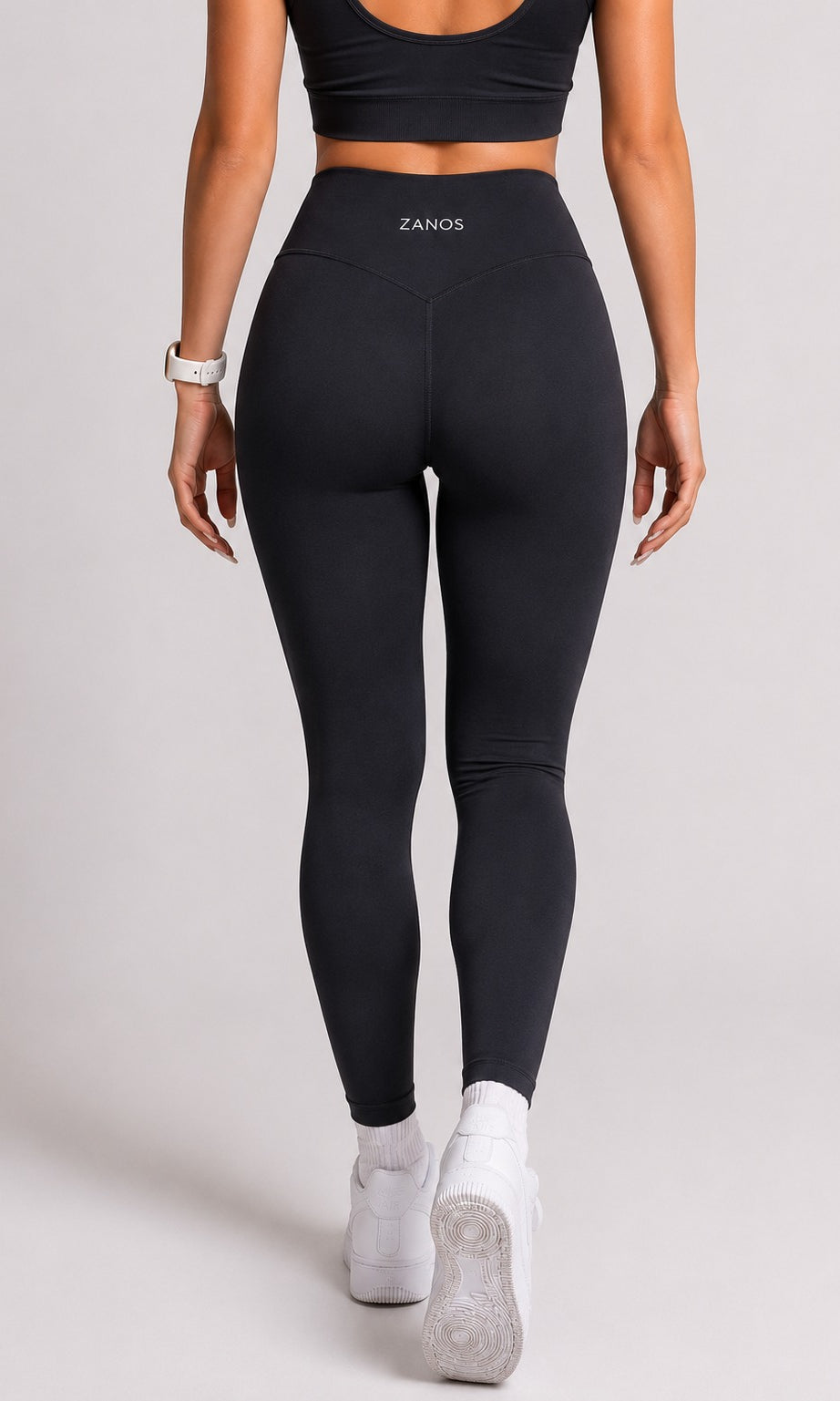
Women who want to compare shaping, support and different fits can explore our scrunch tights collection or our smoother seamless tights for women.
Frequently Asked Questions
Why do my leggings keep falling down?
Leggings often fall down because the waistband cannot balance the tension created across the hips and thighs. Weak fabric recovery, incorrect sizing and poor waistband construction can all contribute.
Should I choose a smaller size when my leggings slide?
Not automatically. Leggings that are too small can also slide because overstretched fabric creates downward tension. Assess both the waist and hip fit before changing size.
Are high waisted leggings better for staying up?
They can be, but only when the waistband, material and pattern work together. Waistband height alone does not guarantee that leggings will remain secure.
Do scrunch tights stay up better?
Scrunch construction mainly affects shaping. Waistband stability, fabric recovery, pattern construction and sizing still determine whether the leggings remain in place.
How can I stop leggings from rolling down?
Choose the correct size, look for a stable waistband and avoid leggings that create excessive pressure around the waist. Proper washing can also help preserve elasticity and fabric recovery.
What are the best tights that do not slide down?
The best tights combine a stable waistband, strong fabric recovery, balanced compression and a size that fits both the waist and hips correctly.
How often should workout leggings be replaced?
There is no fixed period. Replace them when the waistband no longer recovers, the fabric remains stretched or the leggings require frequent adjustment despite fitting correctly.
Final Thoughts
Leggings slide down when the balance between the waistband, fabric, pattern and size breaks down.
Fixing only one part of the garment rarely creates lasting stability.
A secure waistband should support the body without digging in. The fabric should stretch and recover. The pattern should distribute tension across the body instead of pulling the leggings down.
When these elements work together, your tights can remain comfortable and stable through training, walking and everyday wear.
Explore the complete ZANOS scrunch tights collection to find leggings designed around movement, shape retention and dependable waistband support.