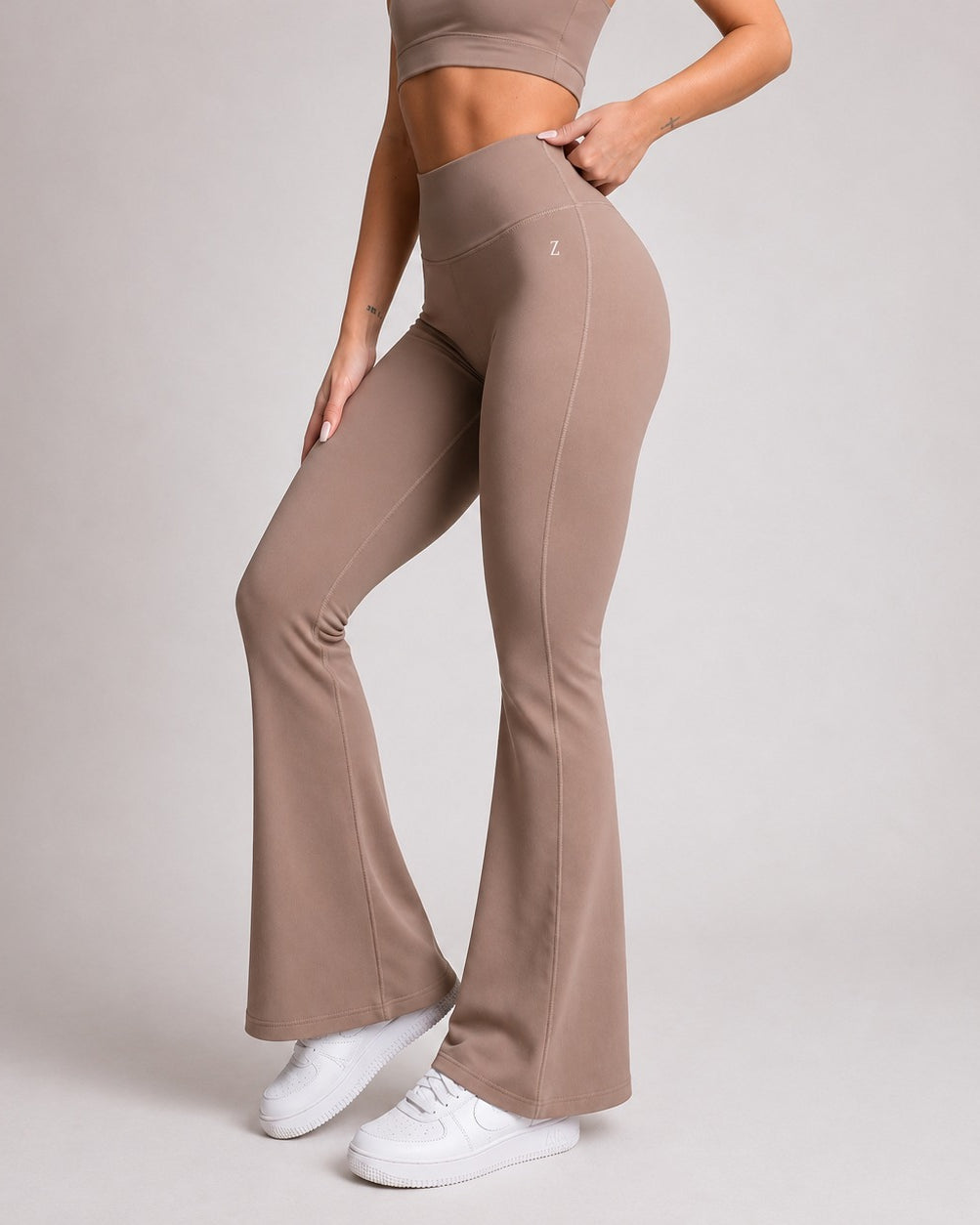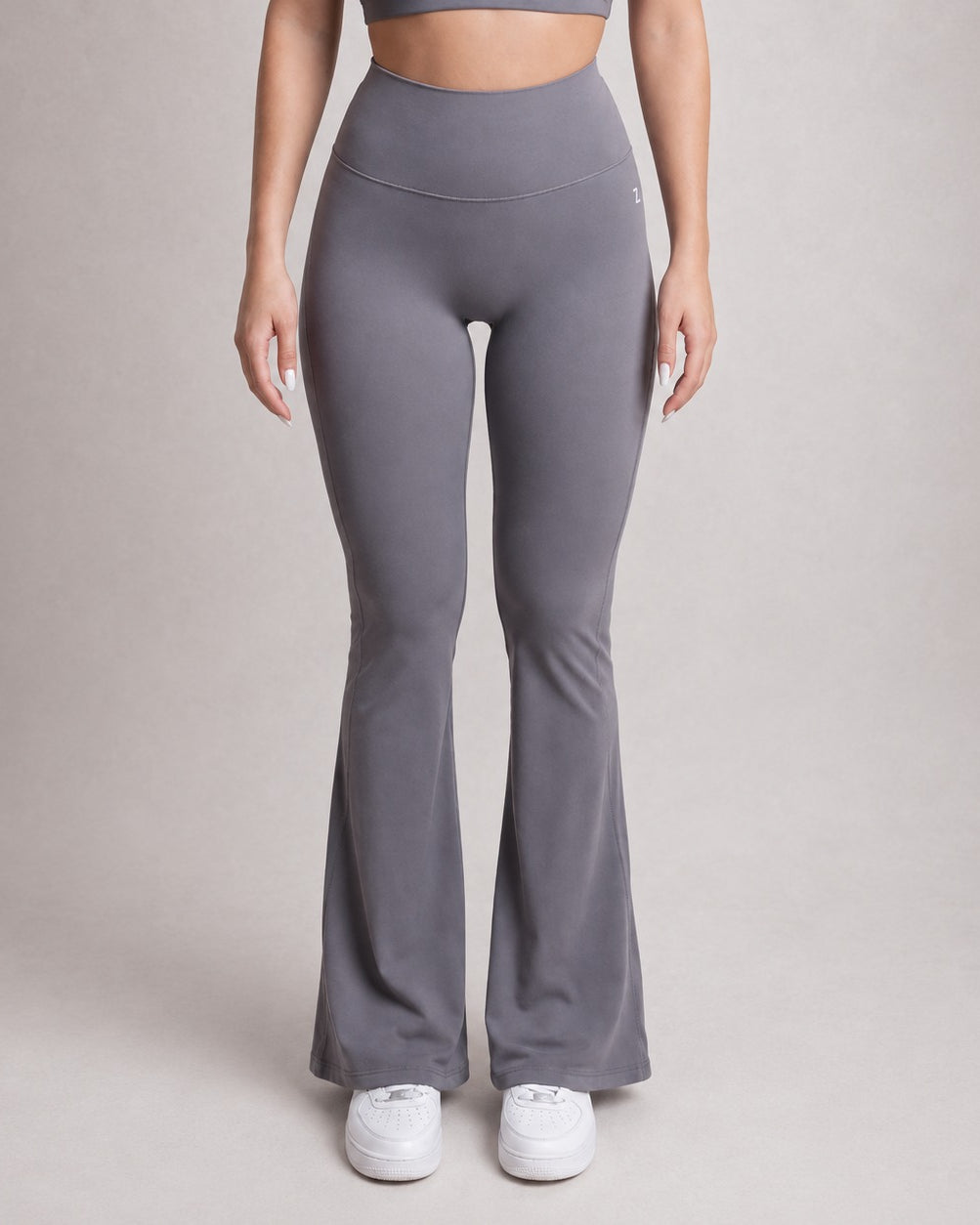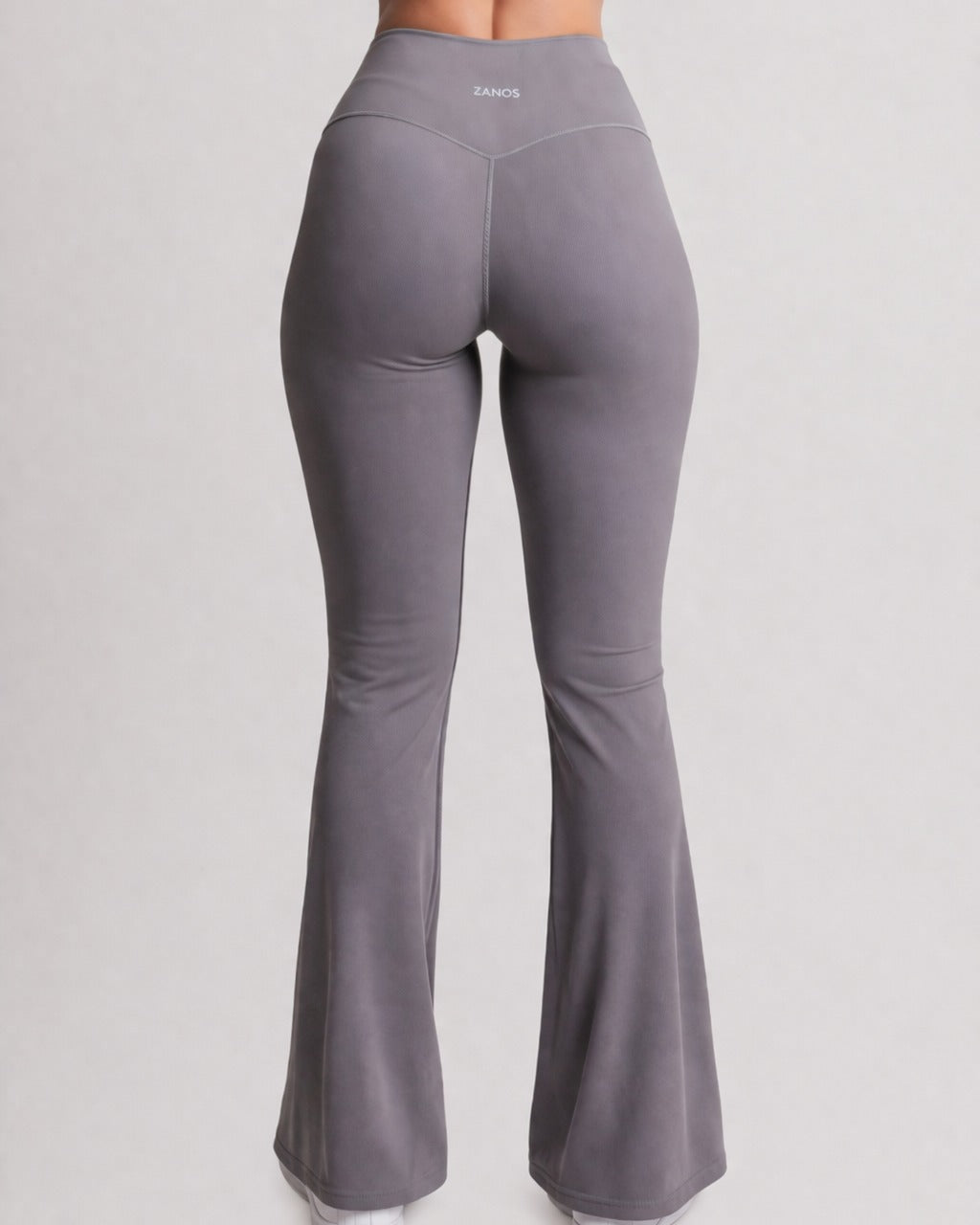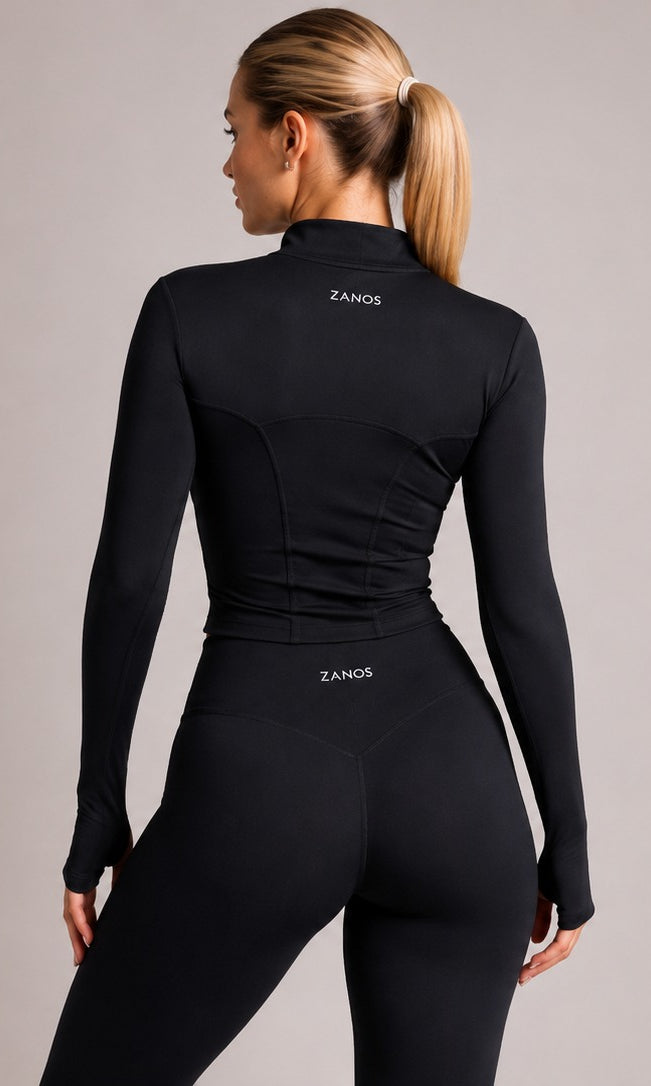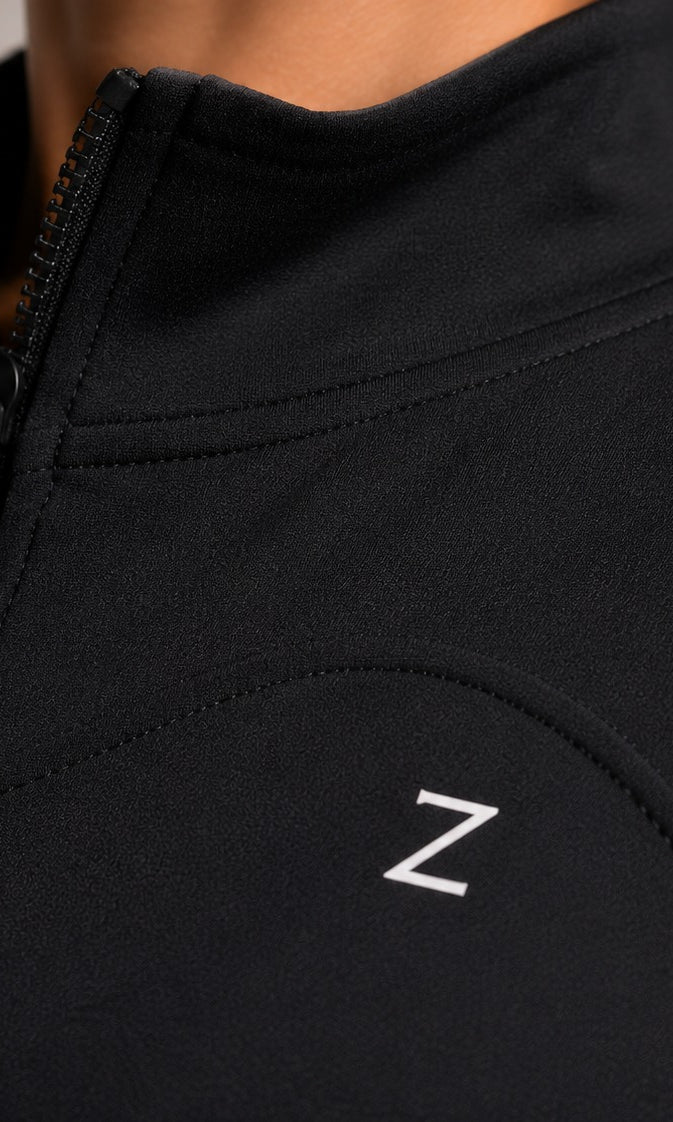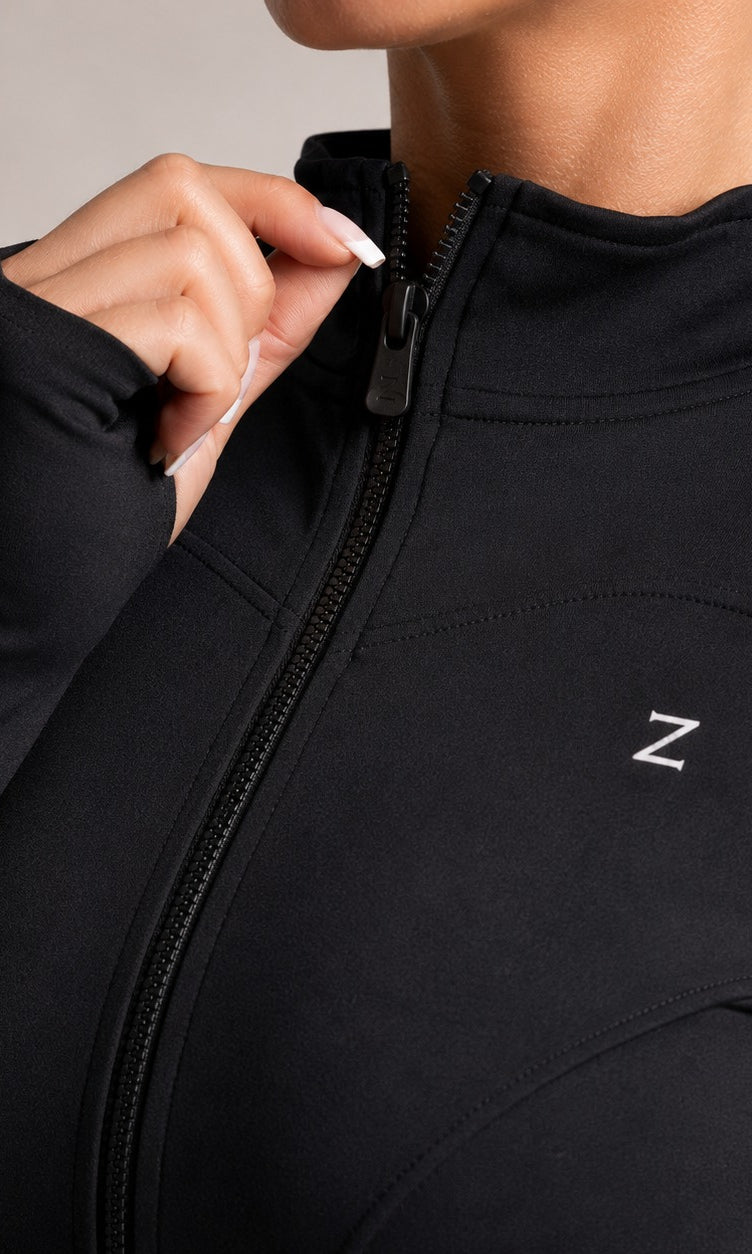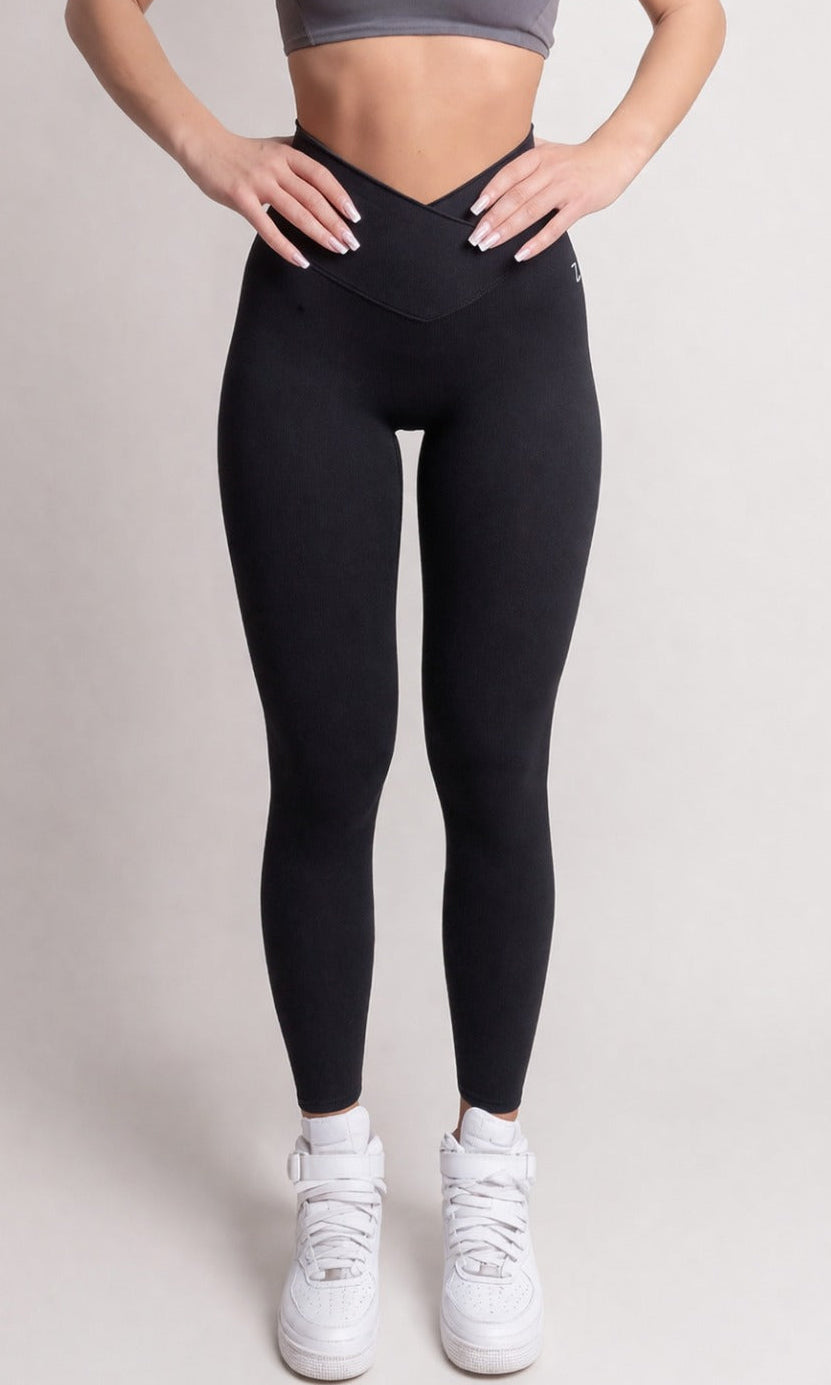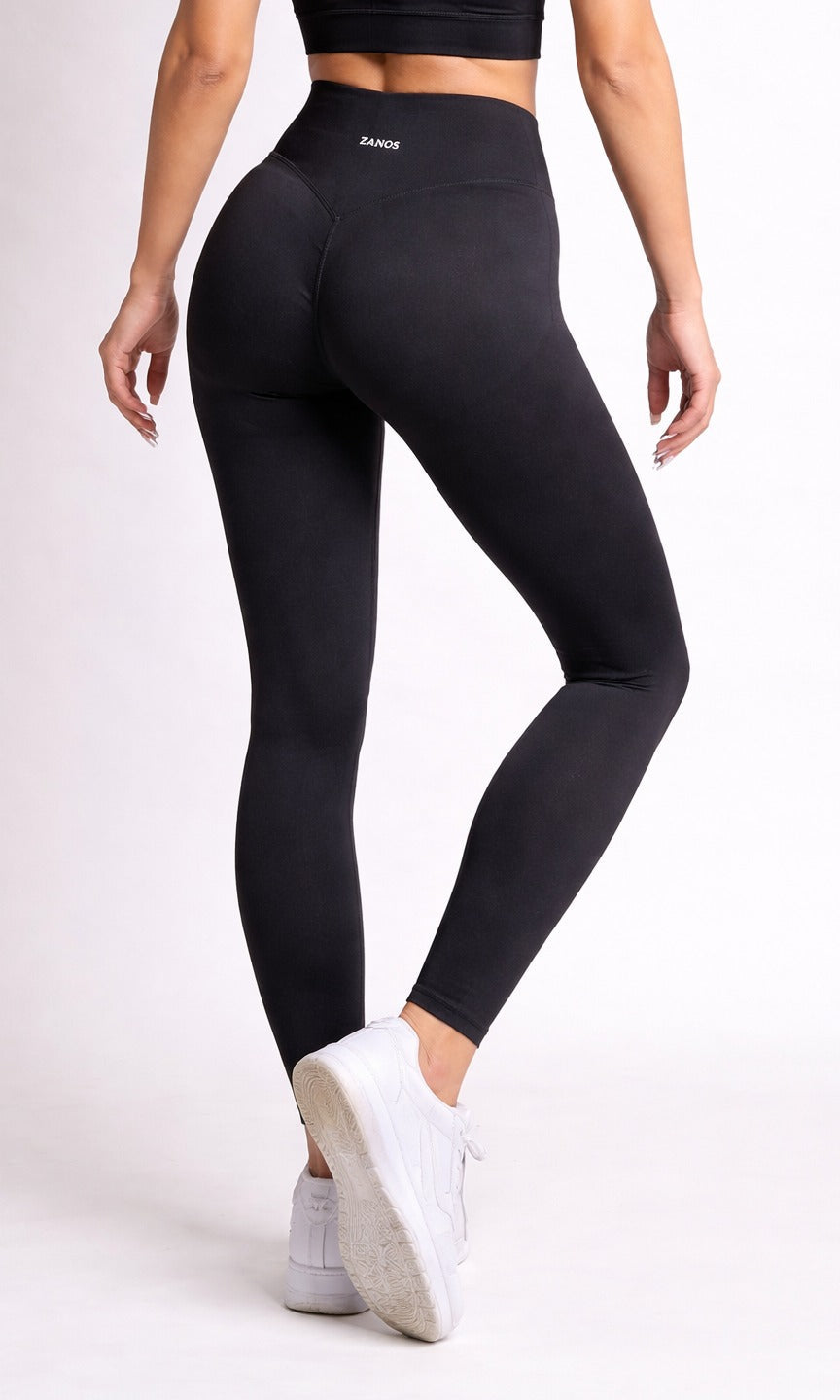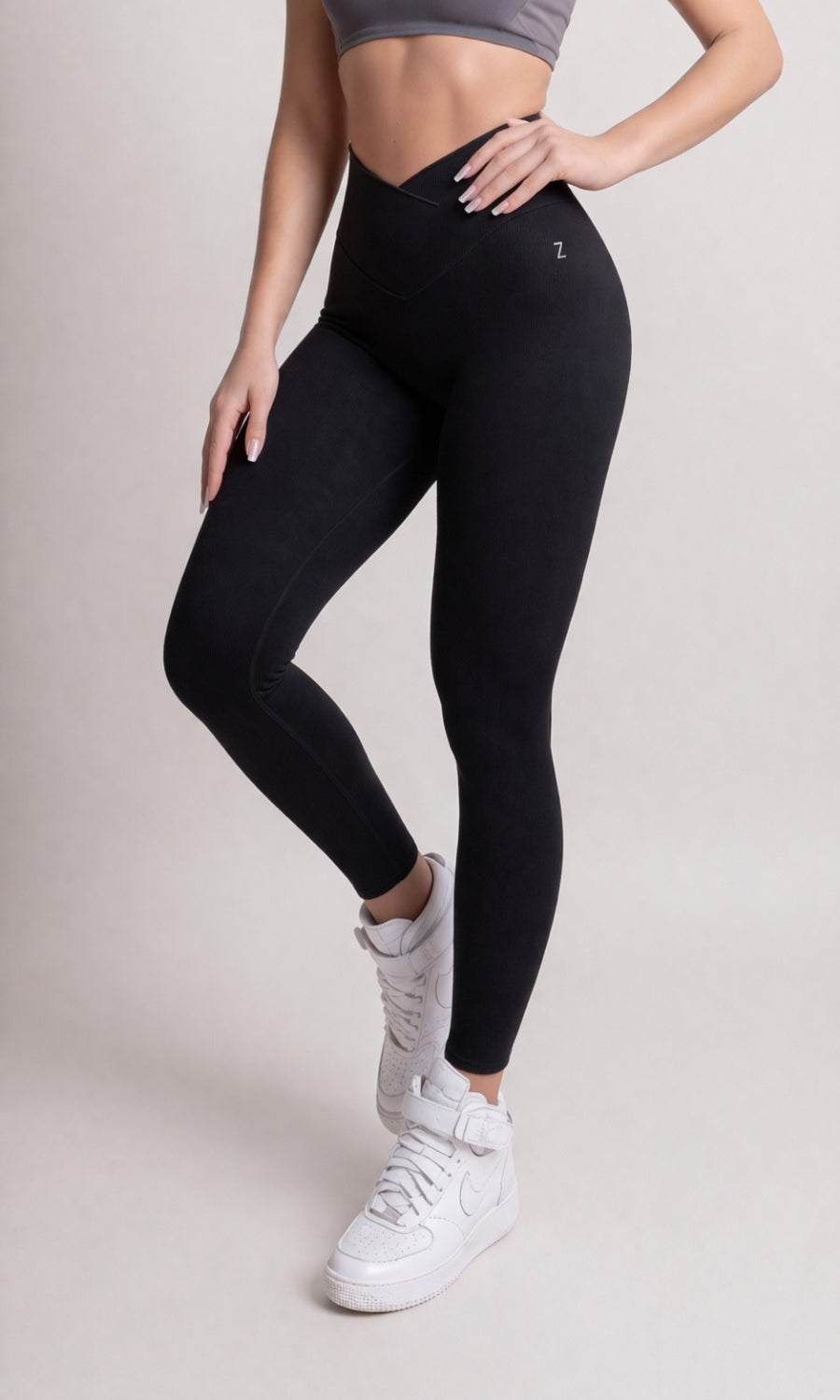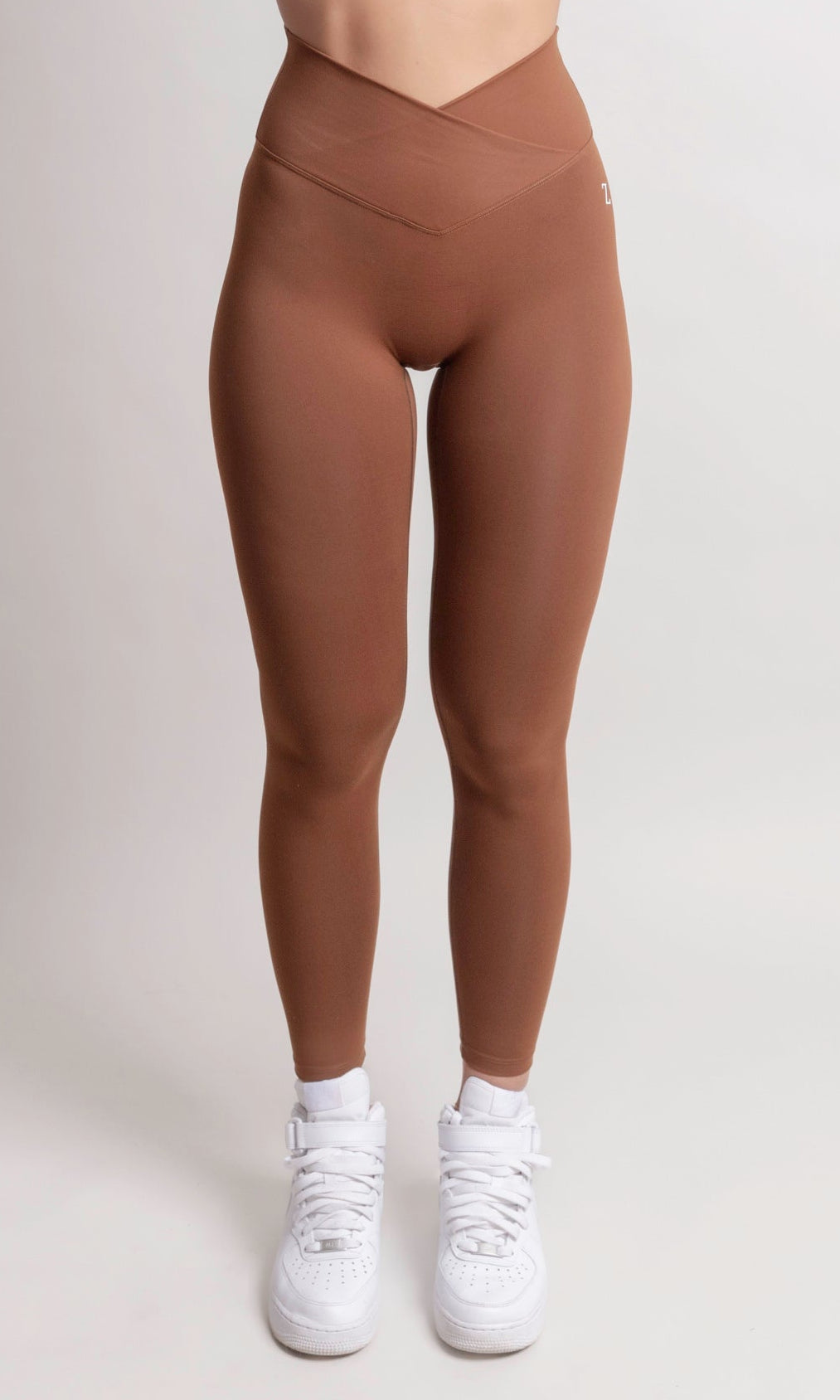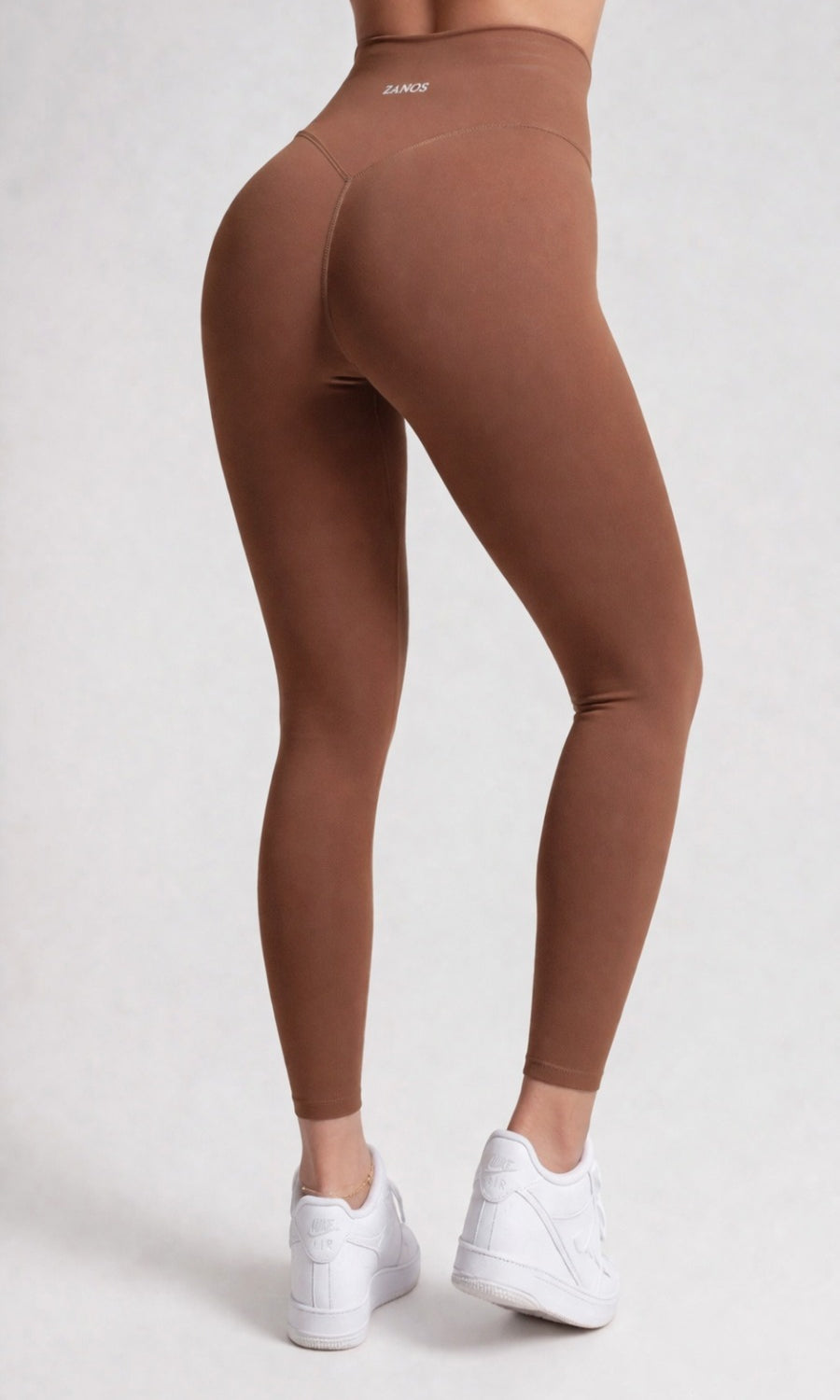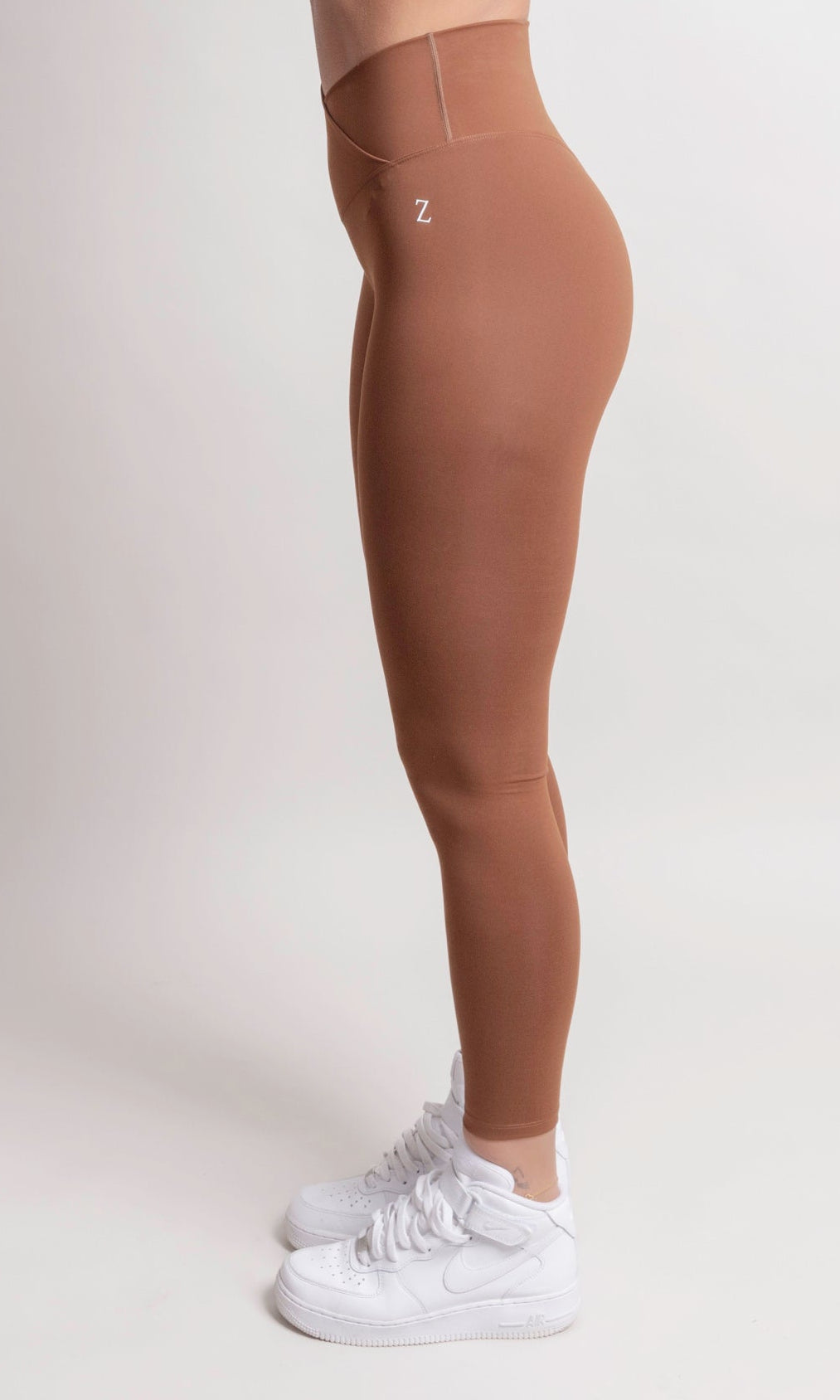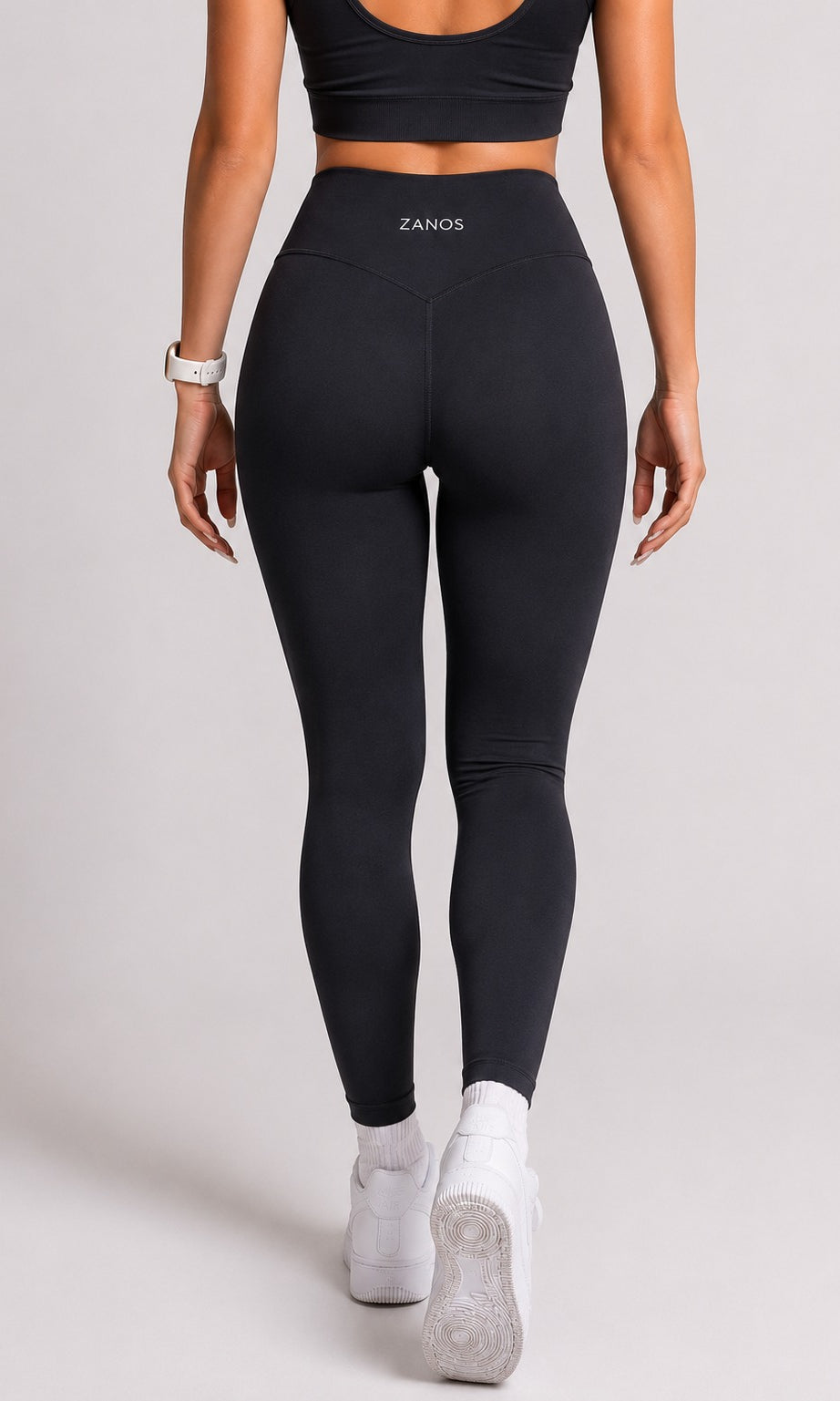
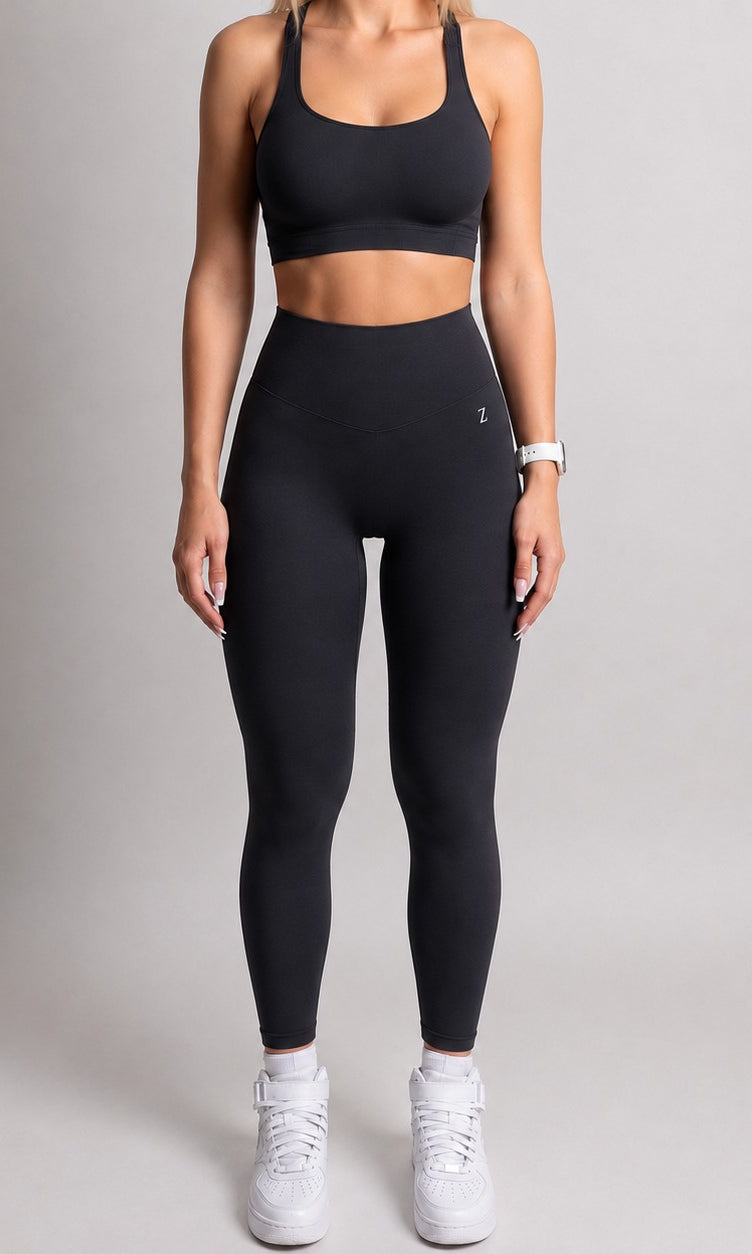
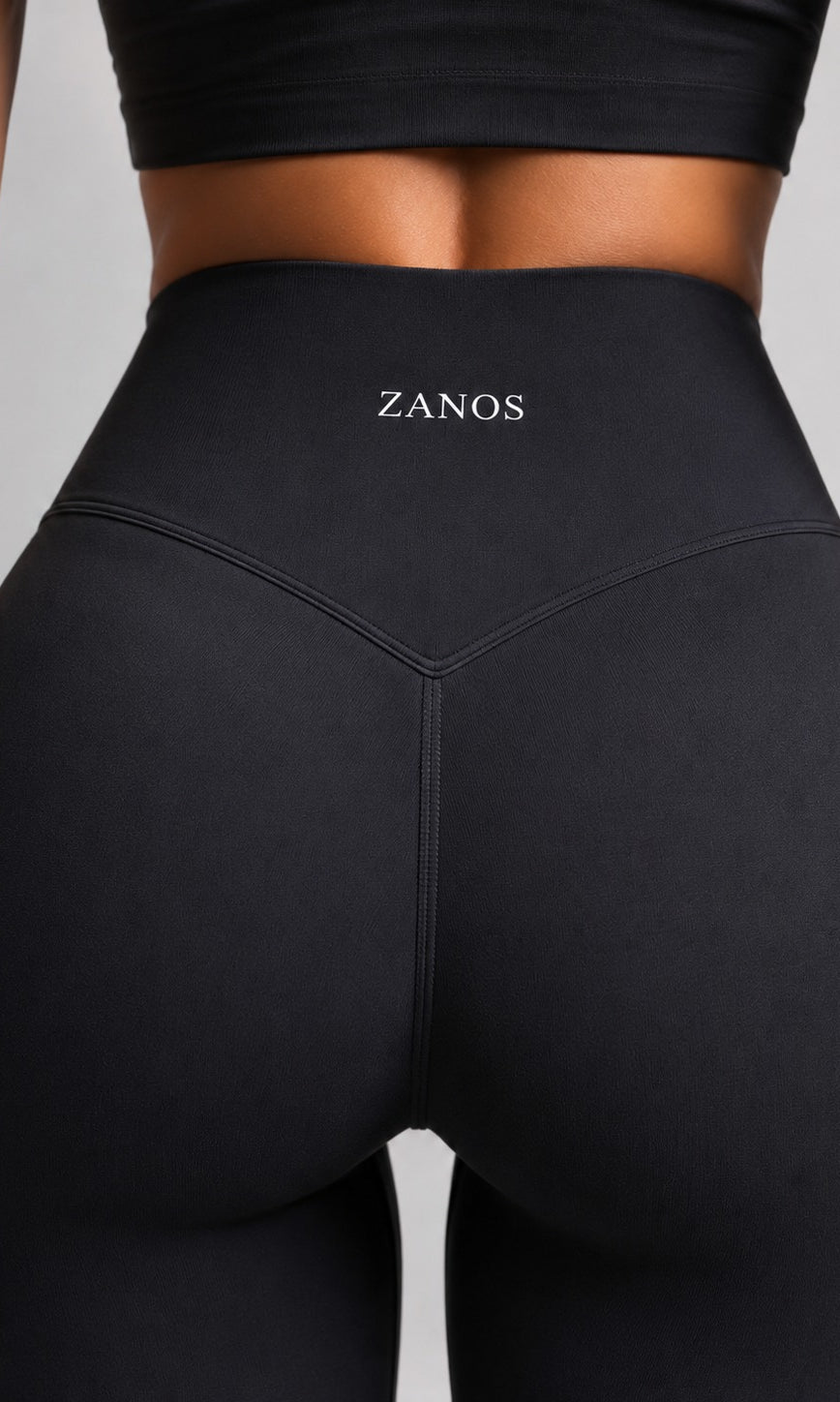
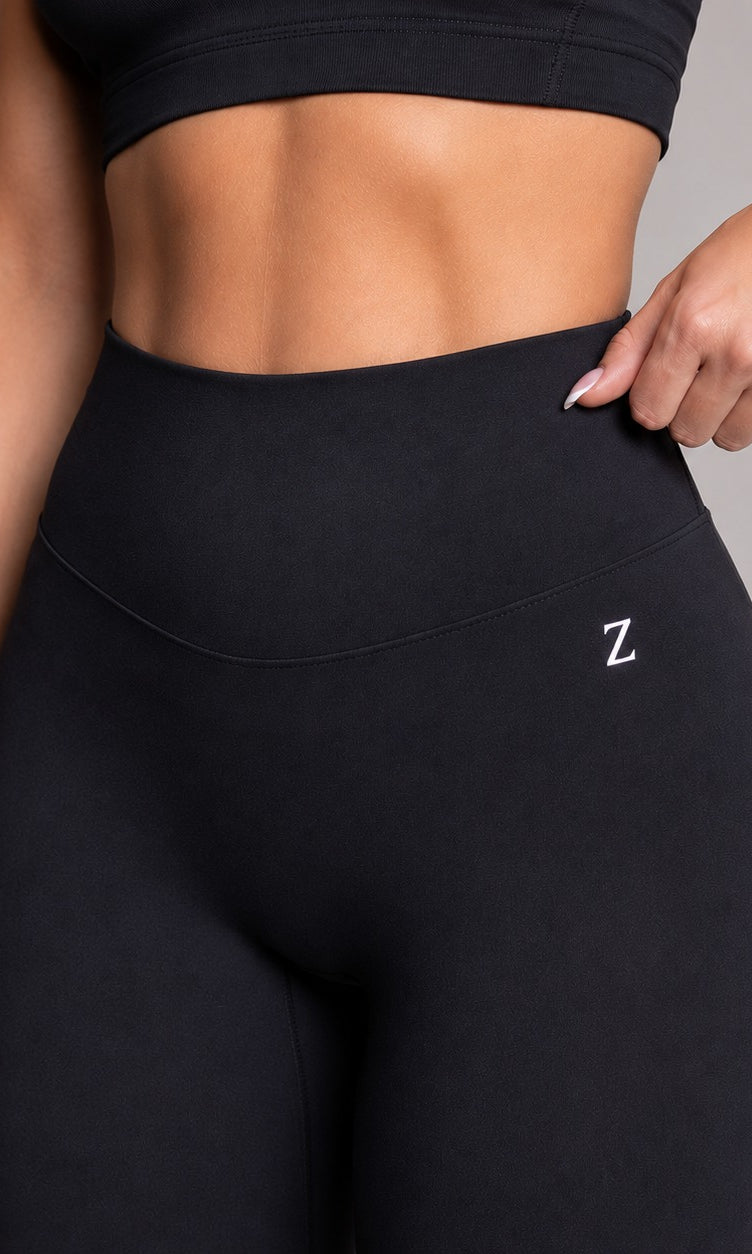
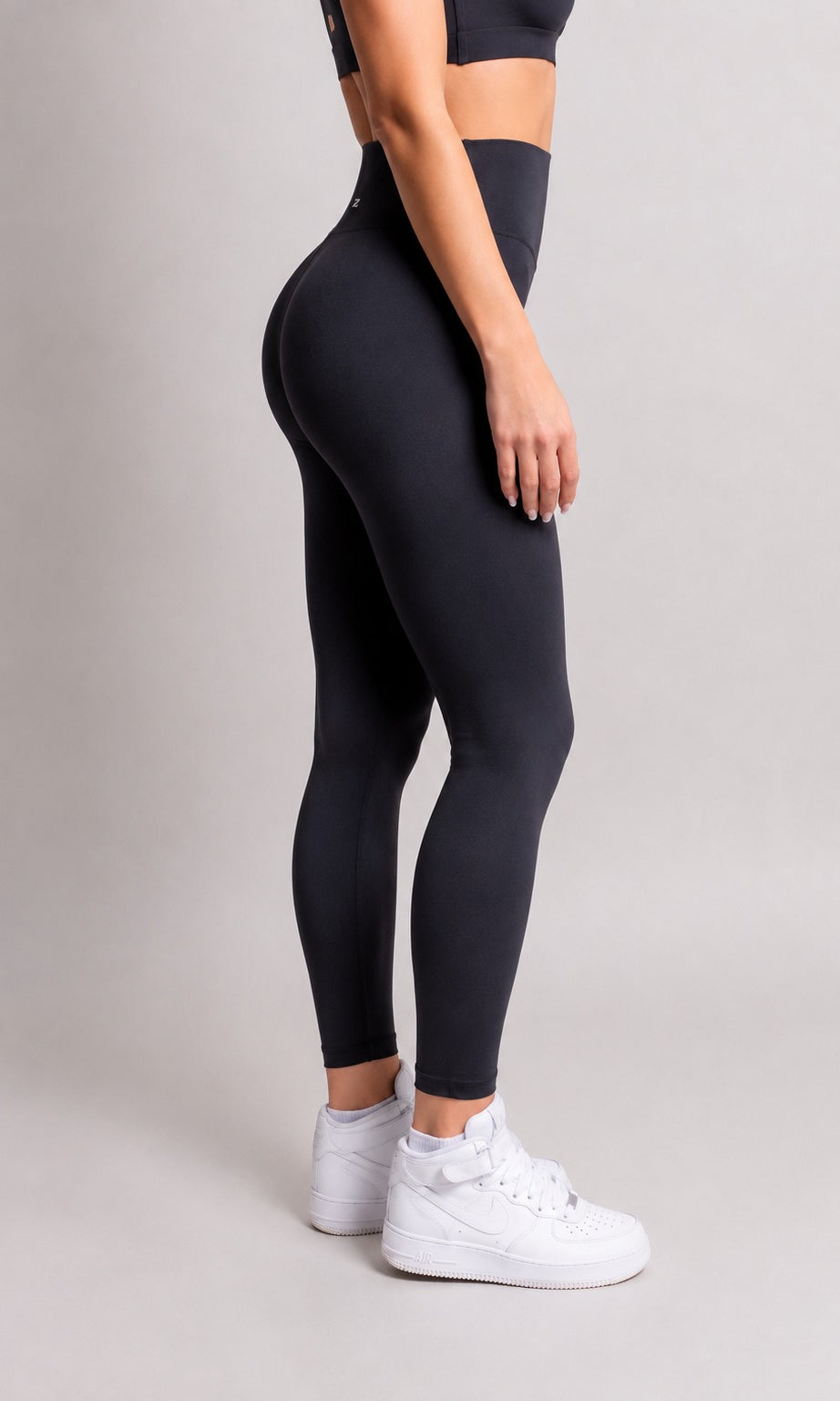
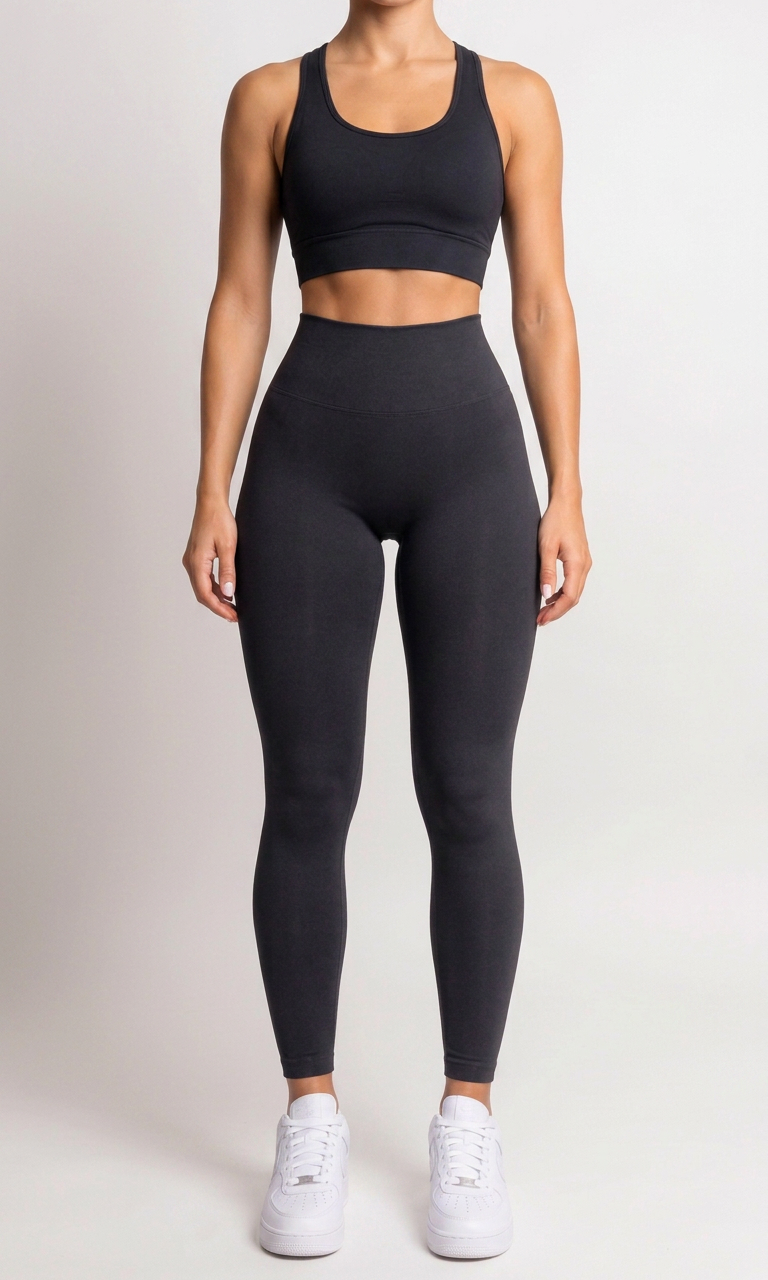
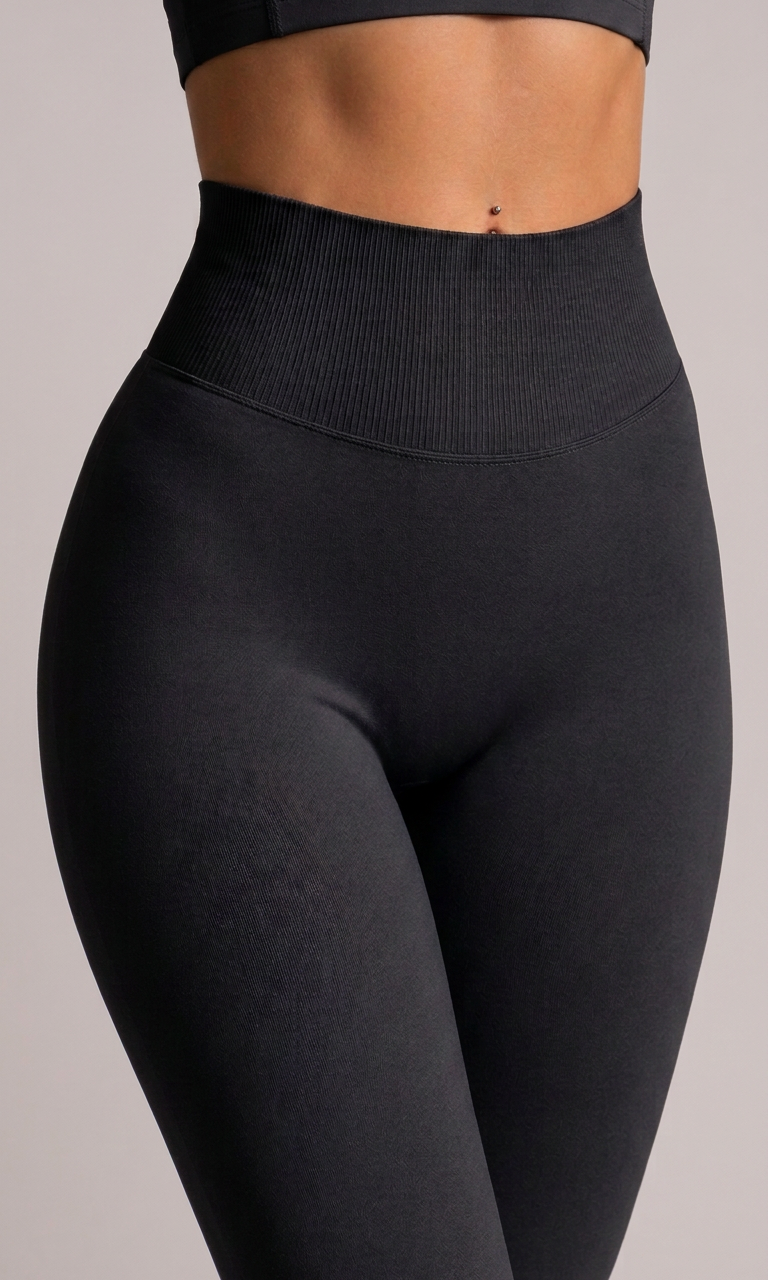
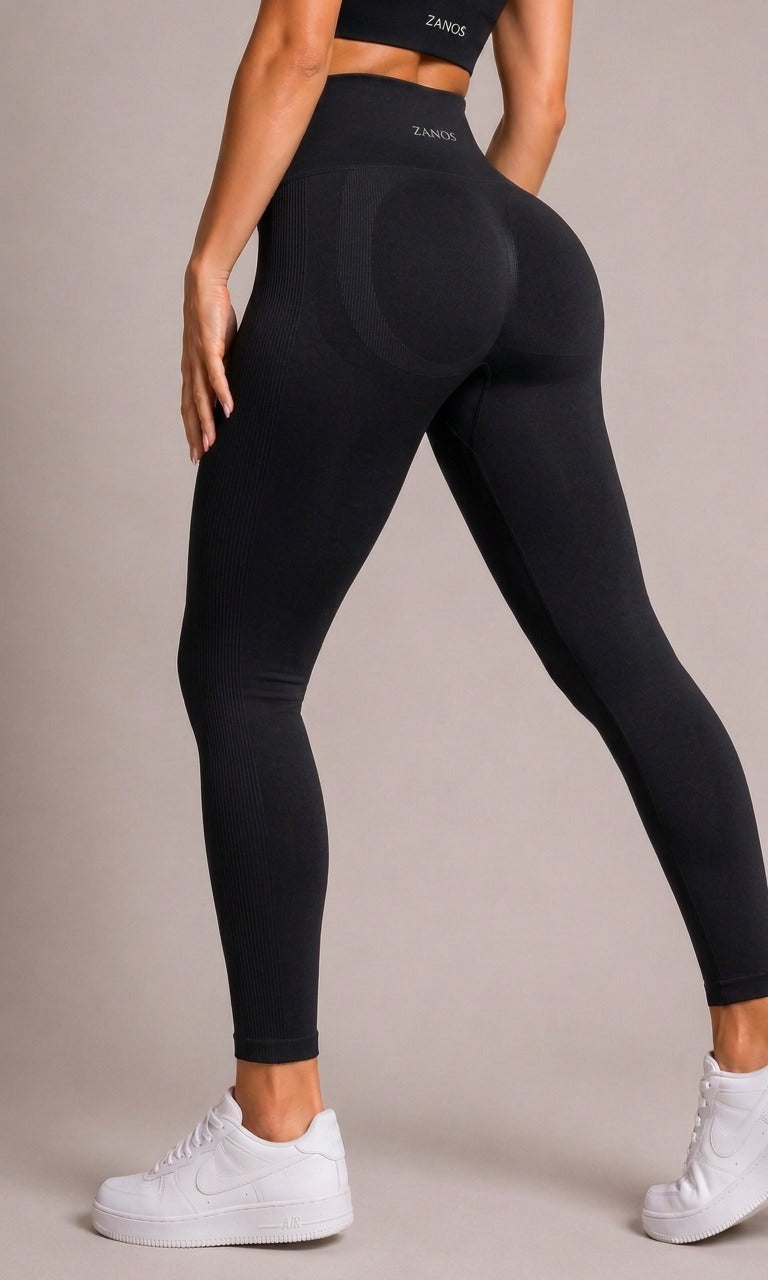
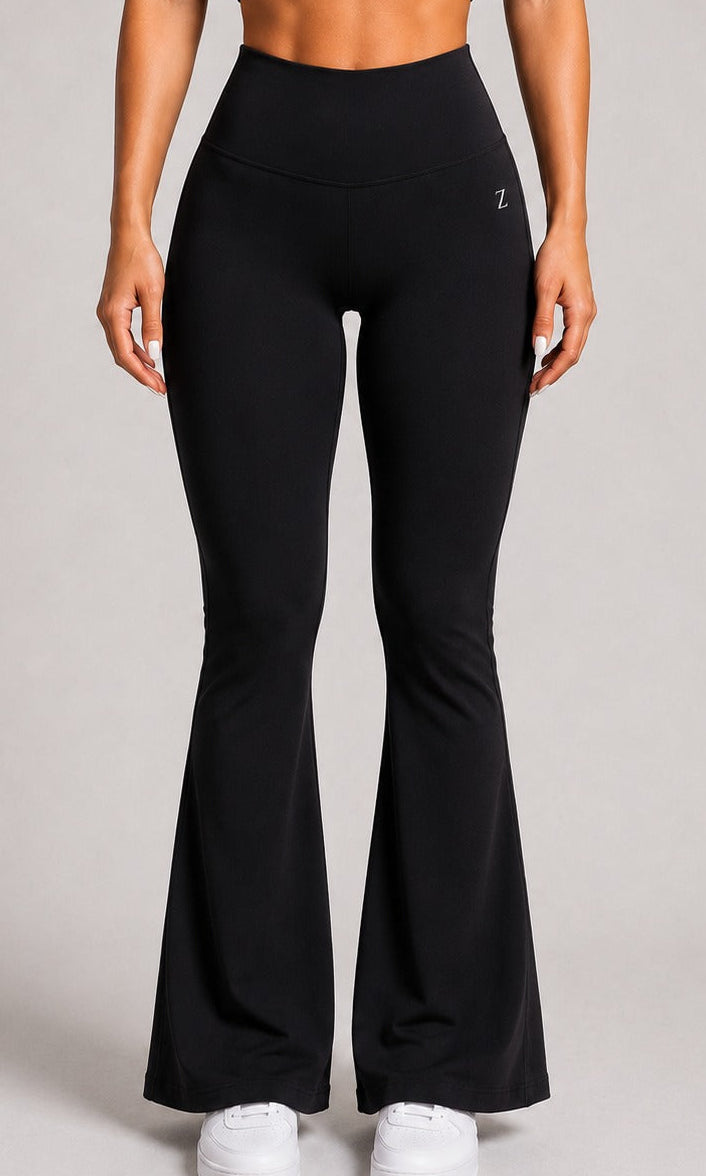
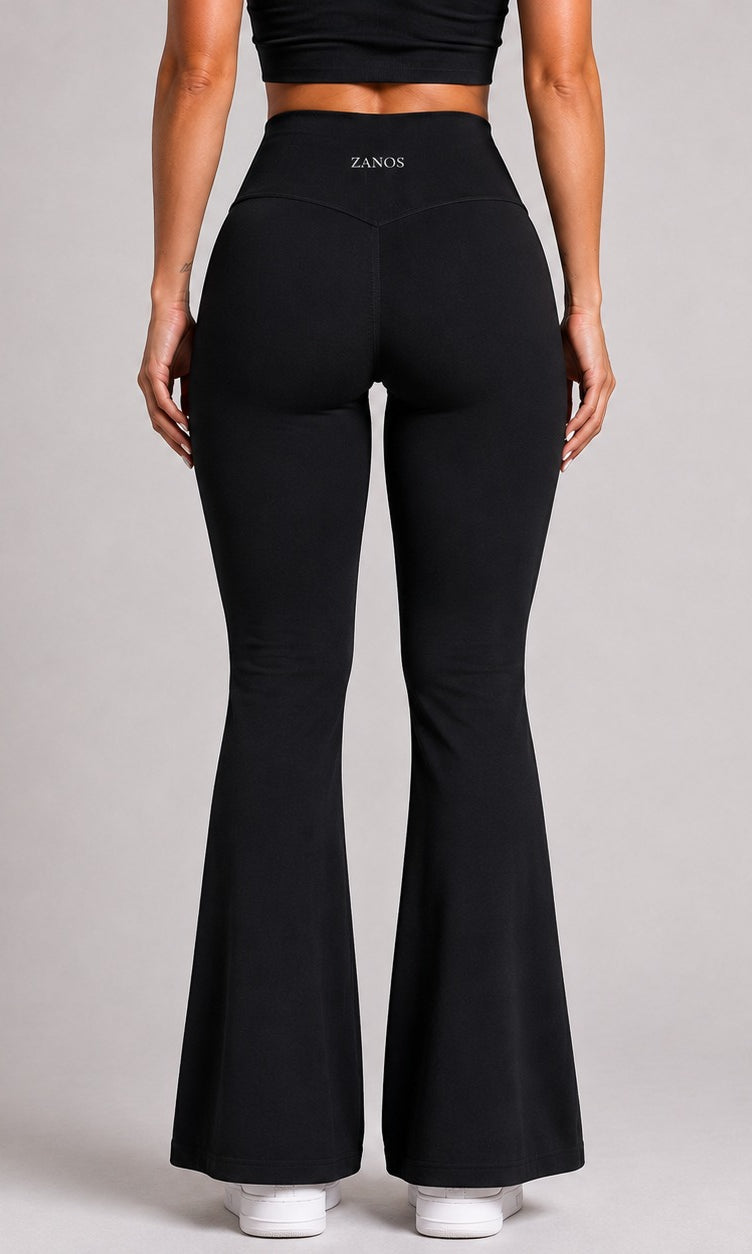
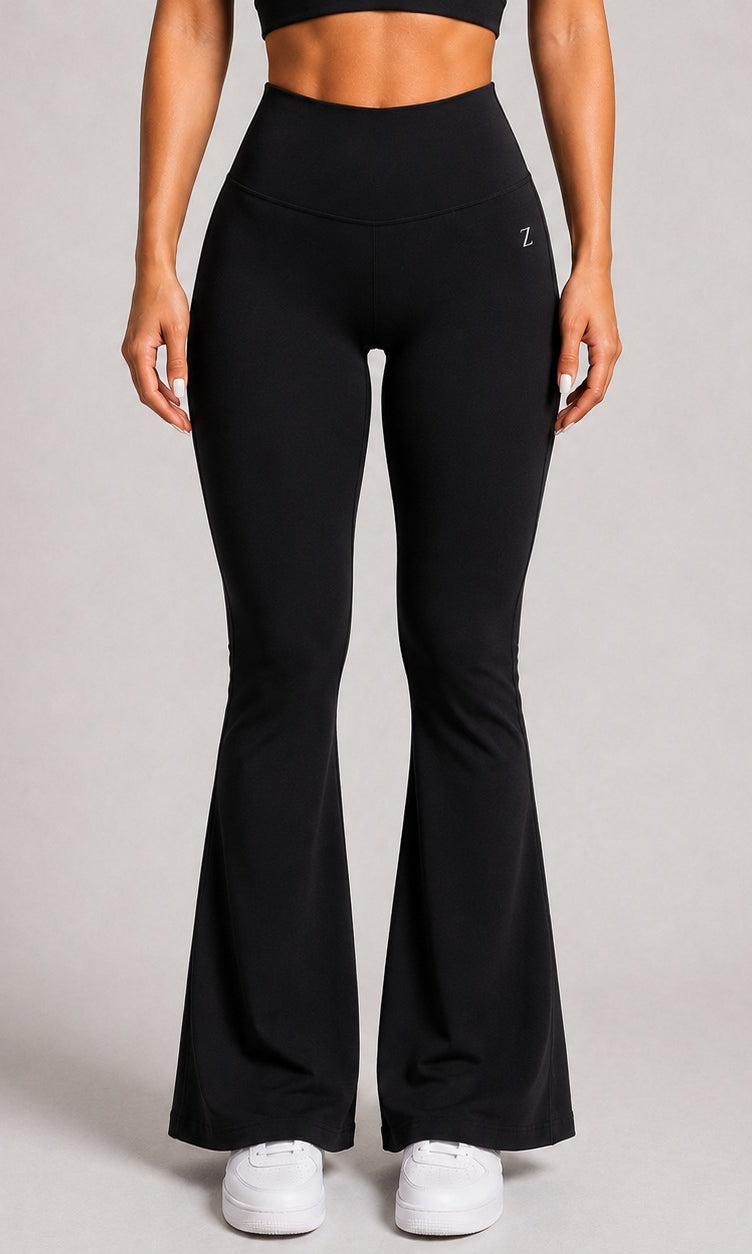
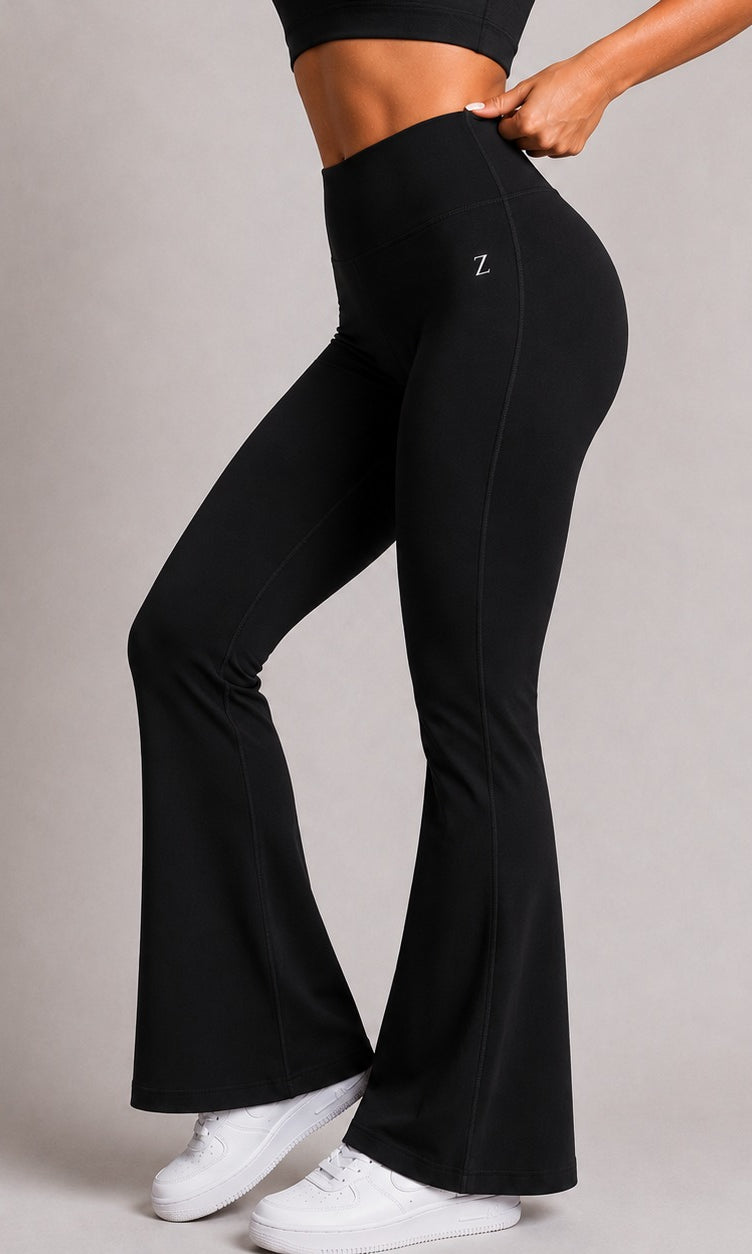
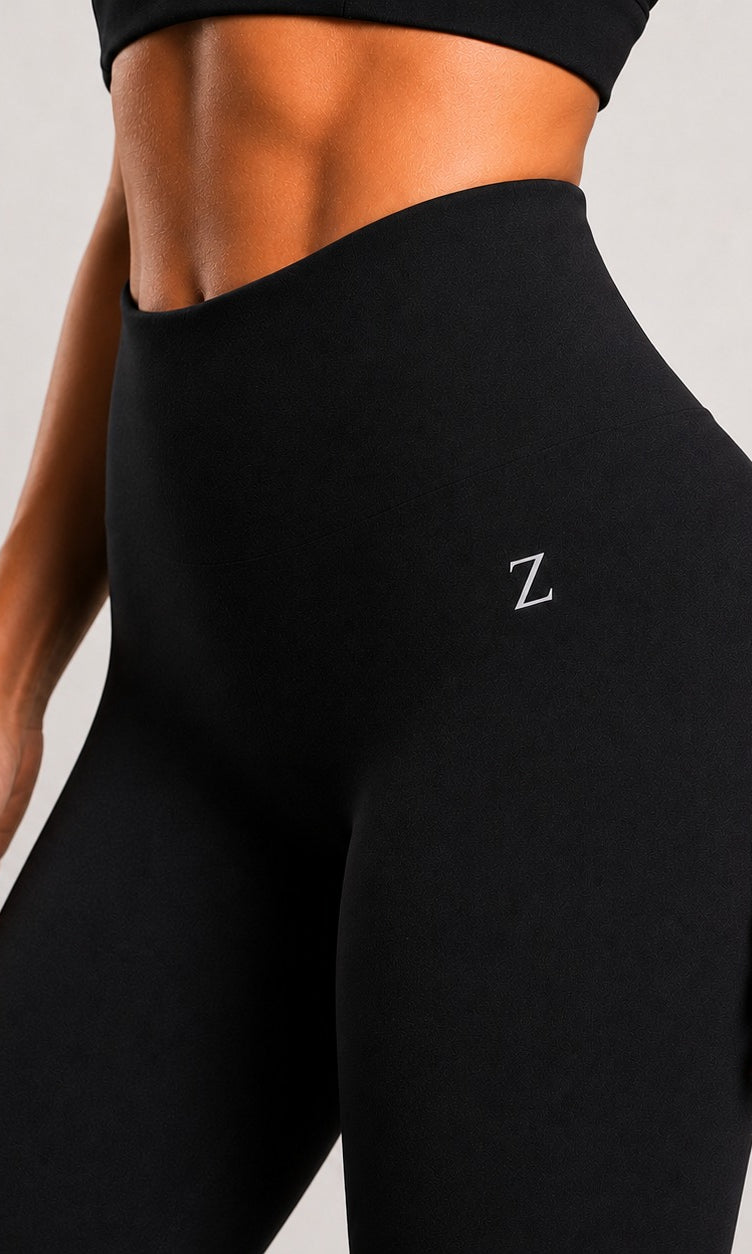
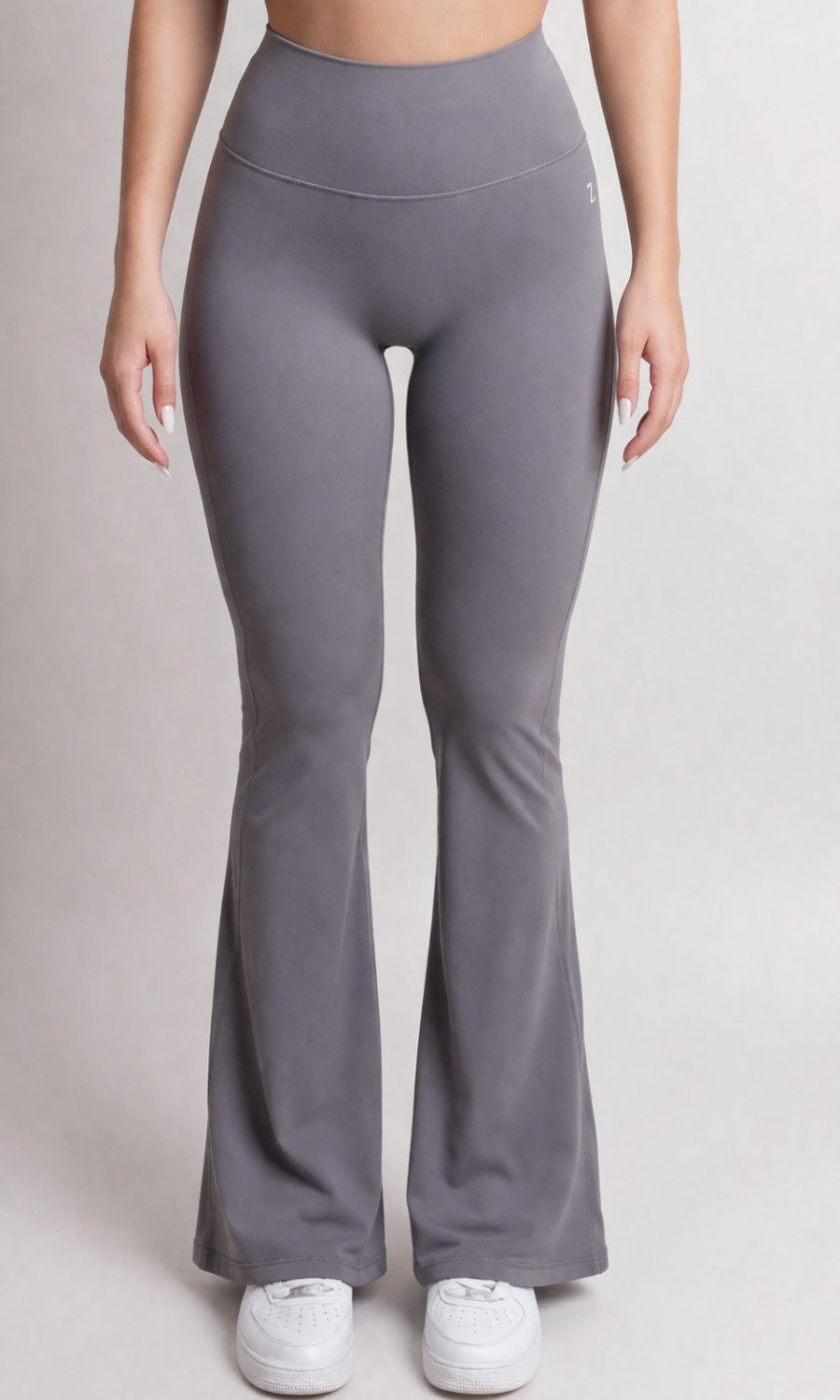
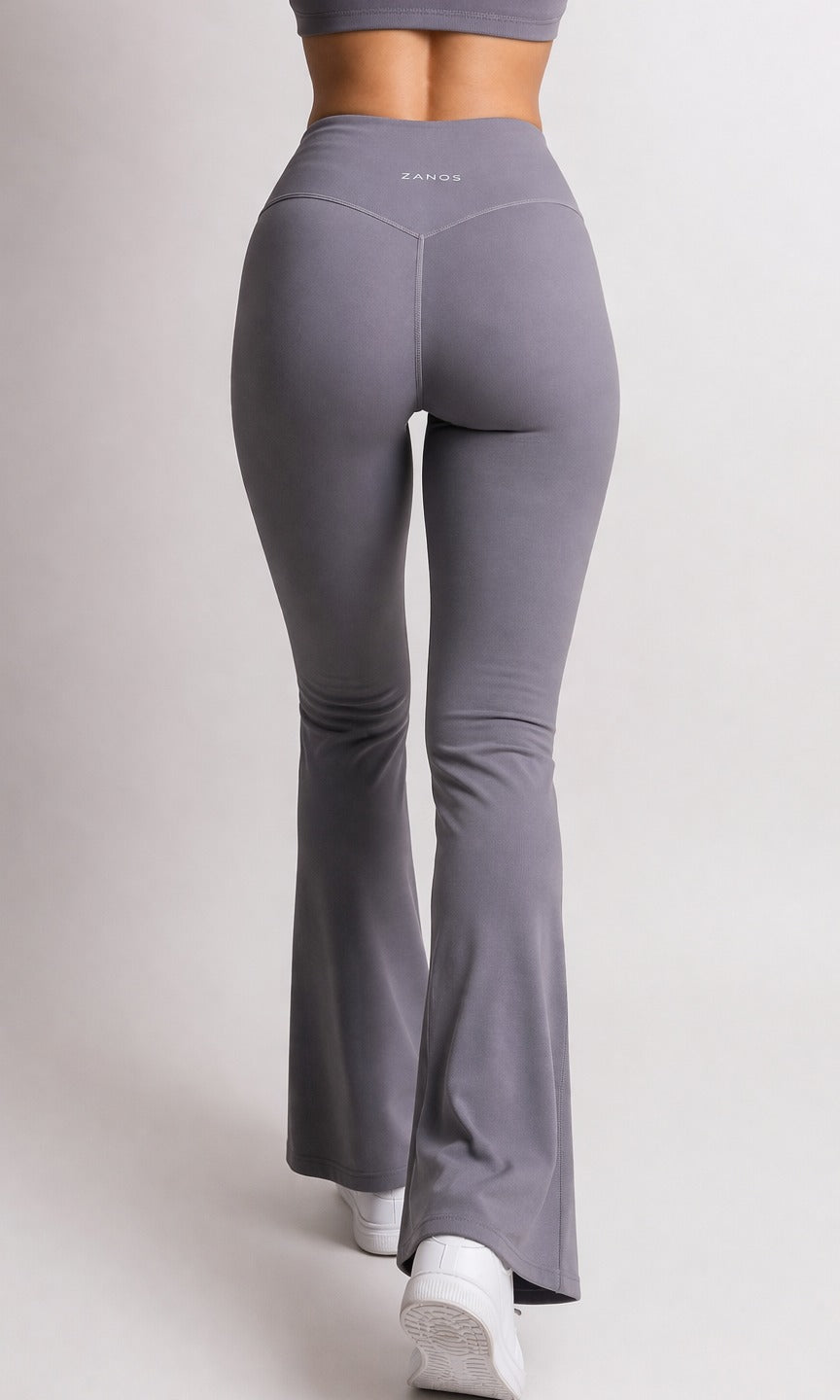
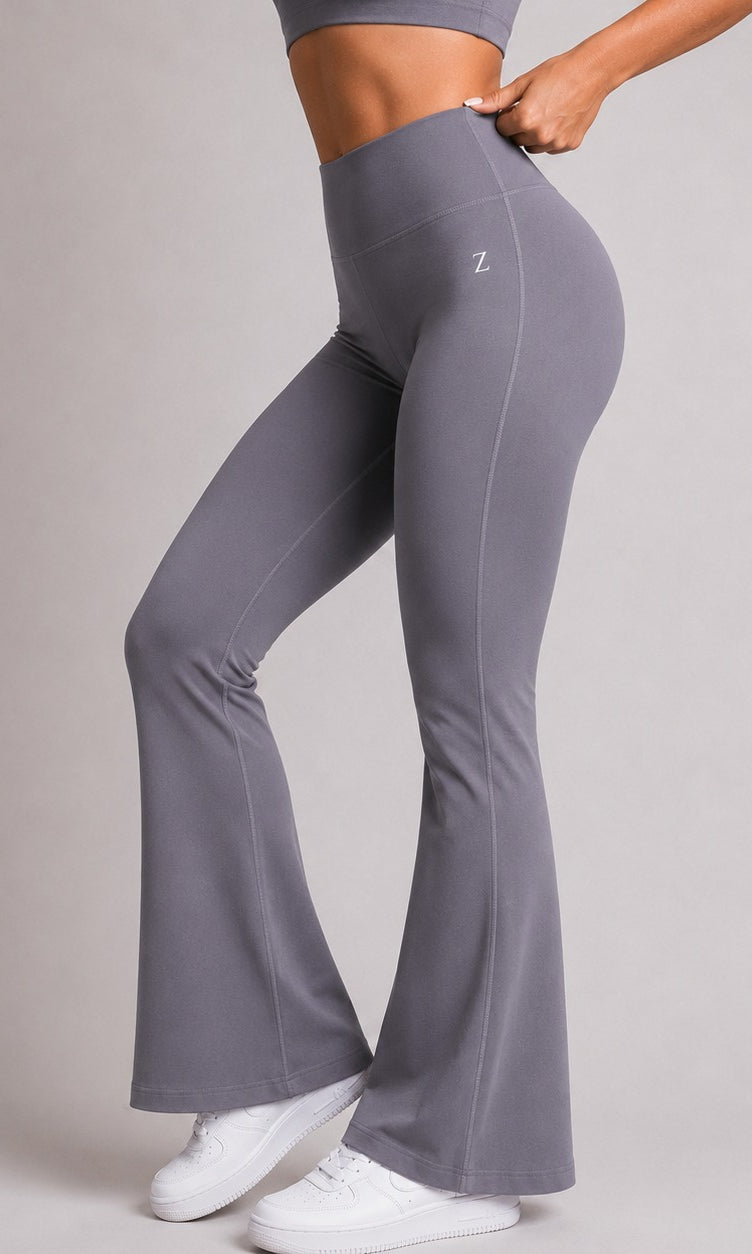
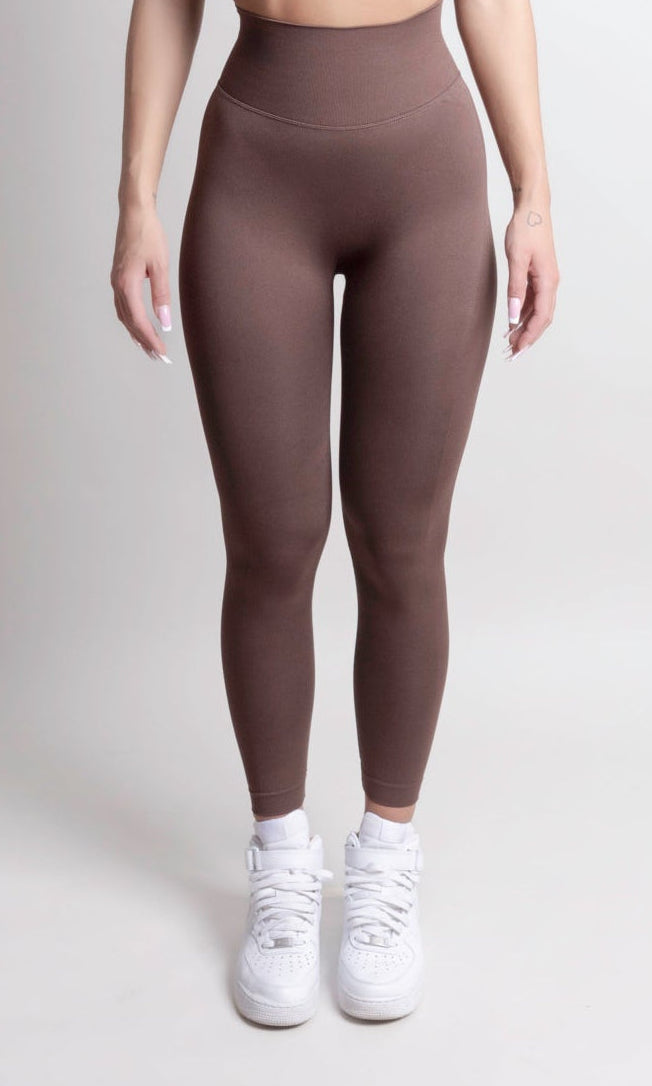
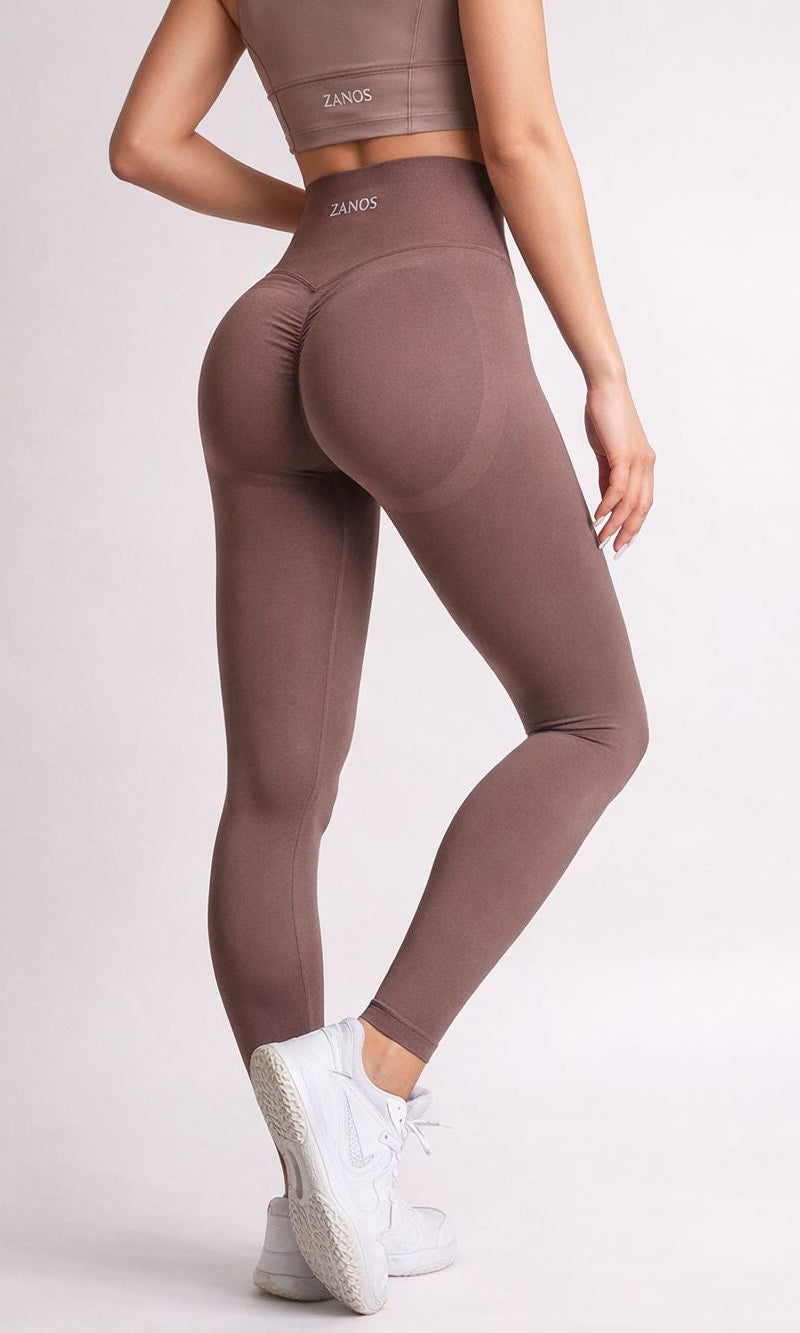
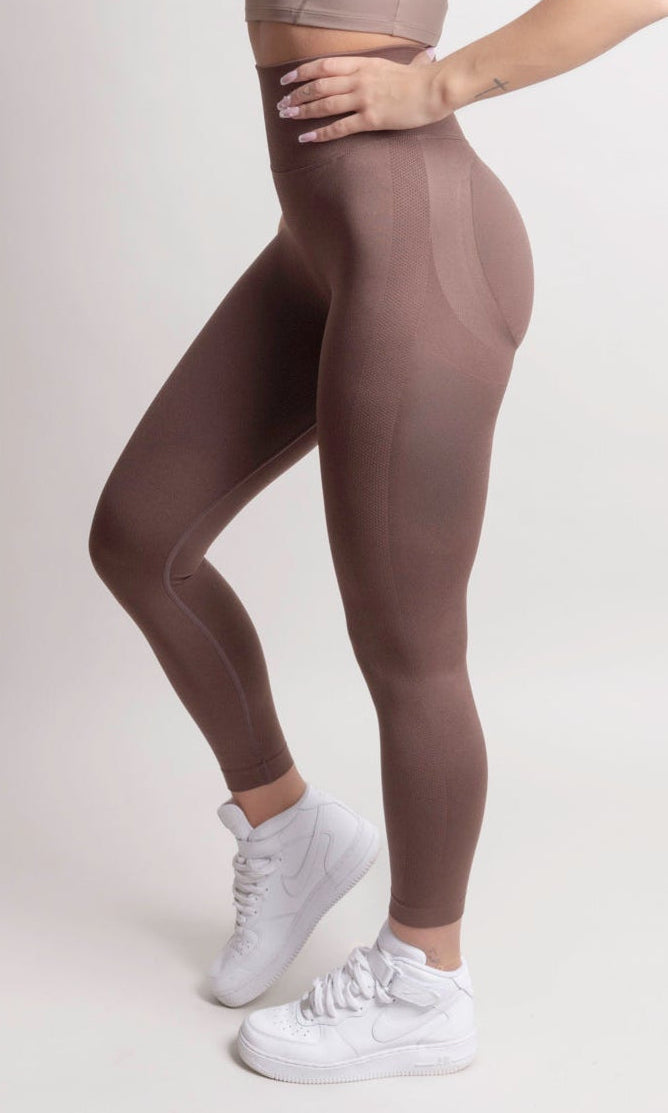
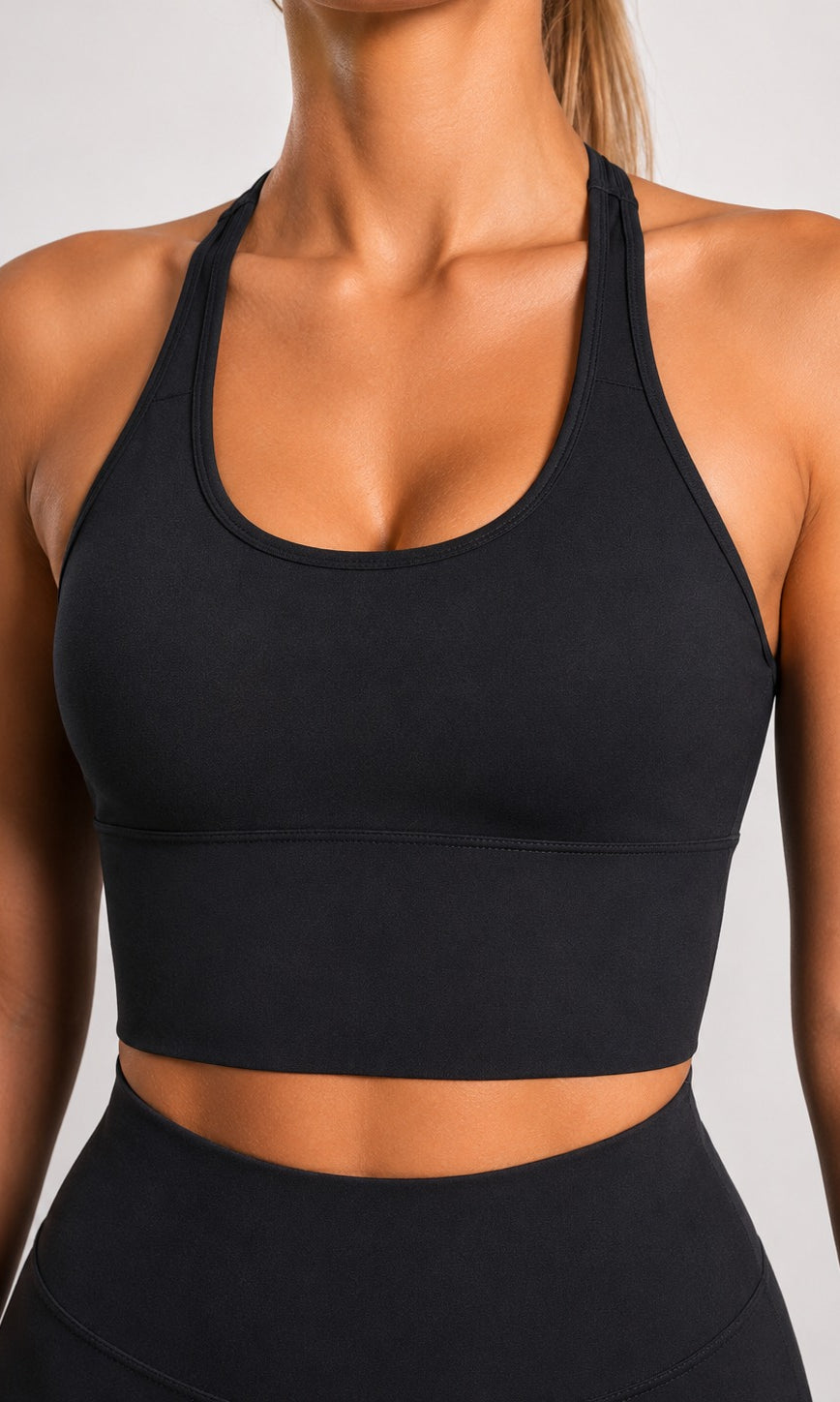
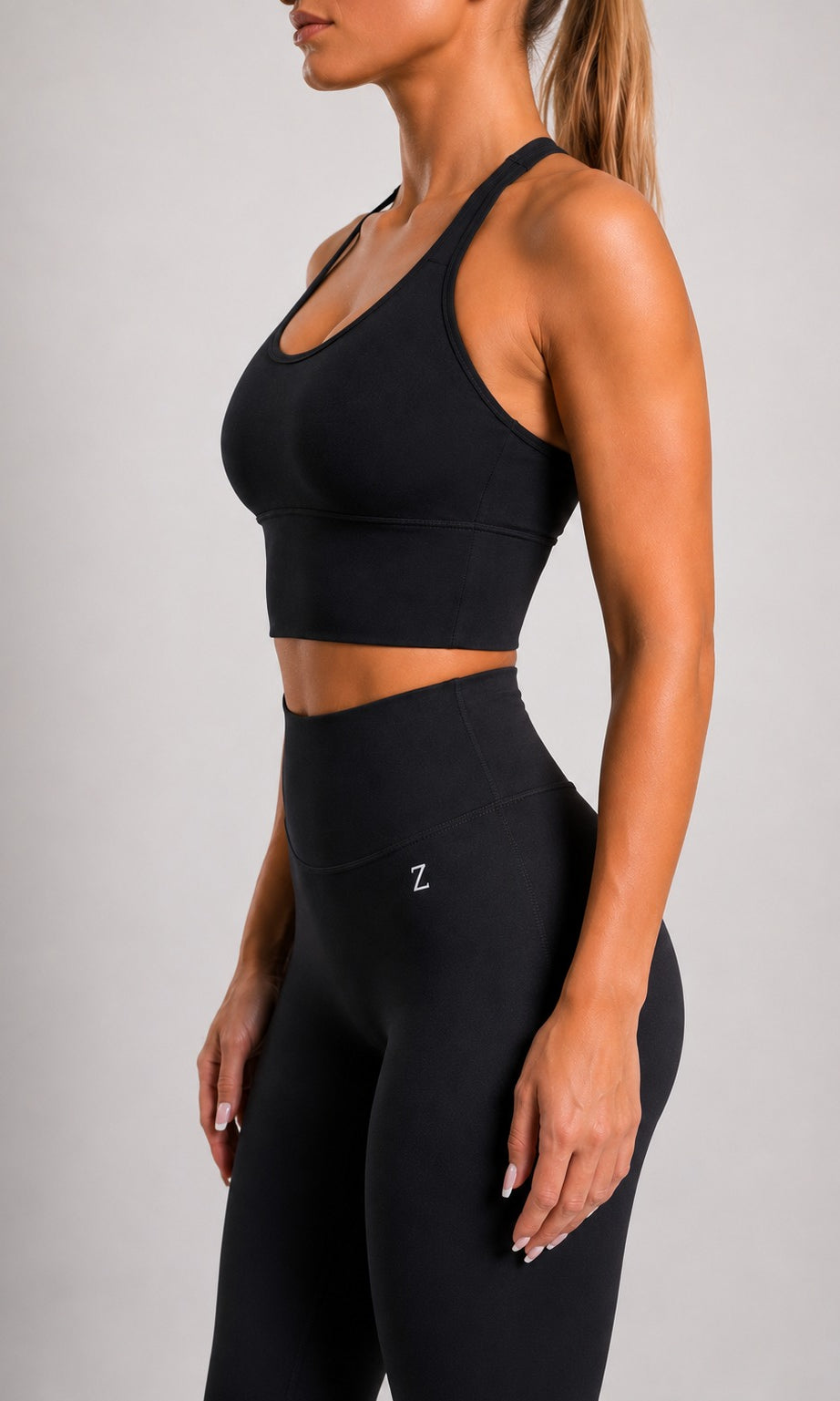
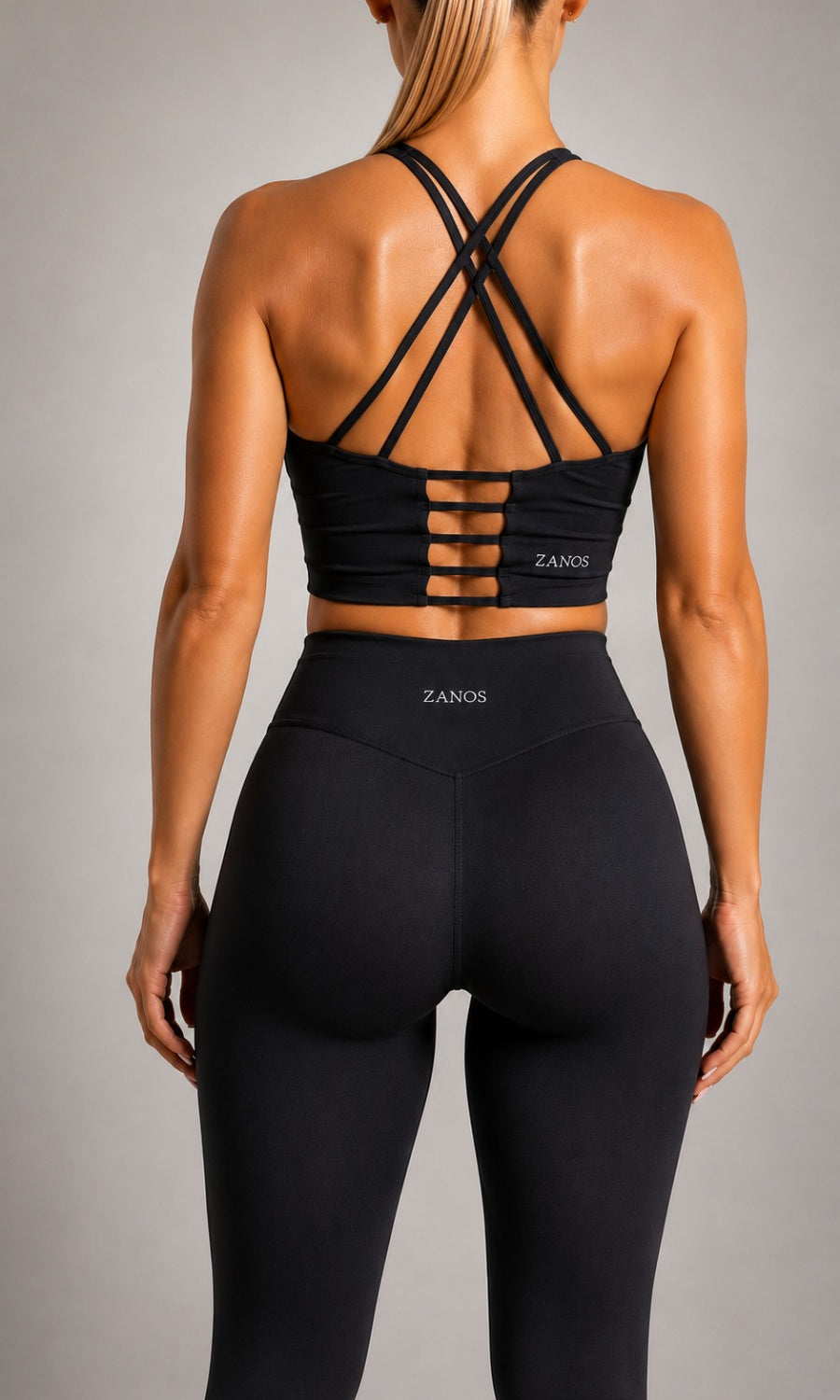
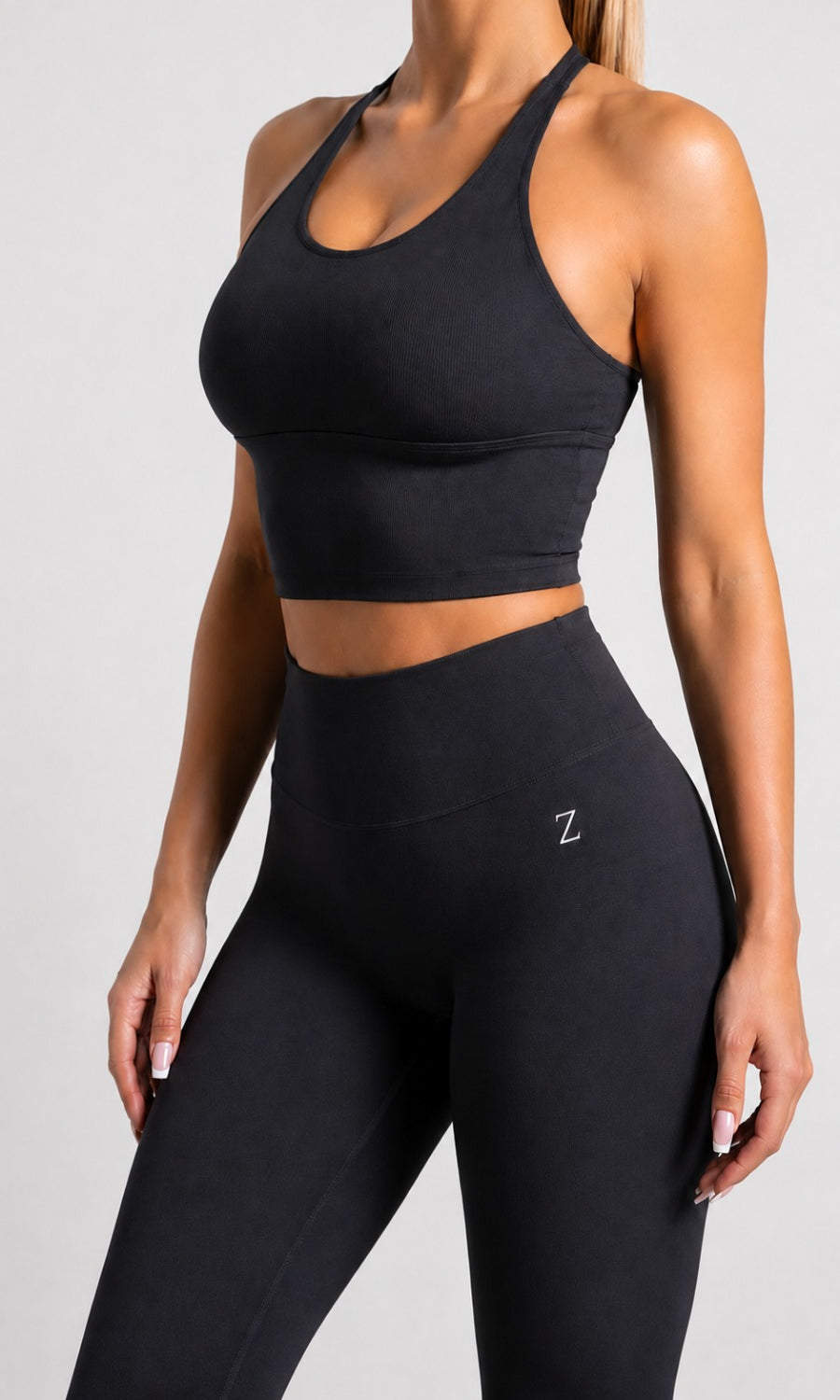
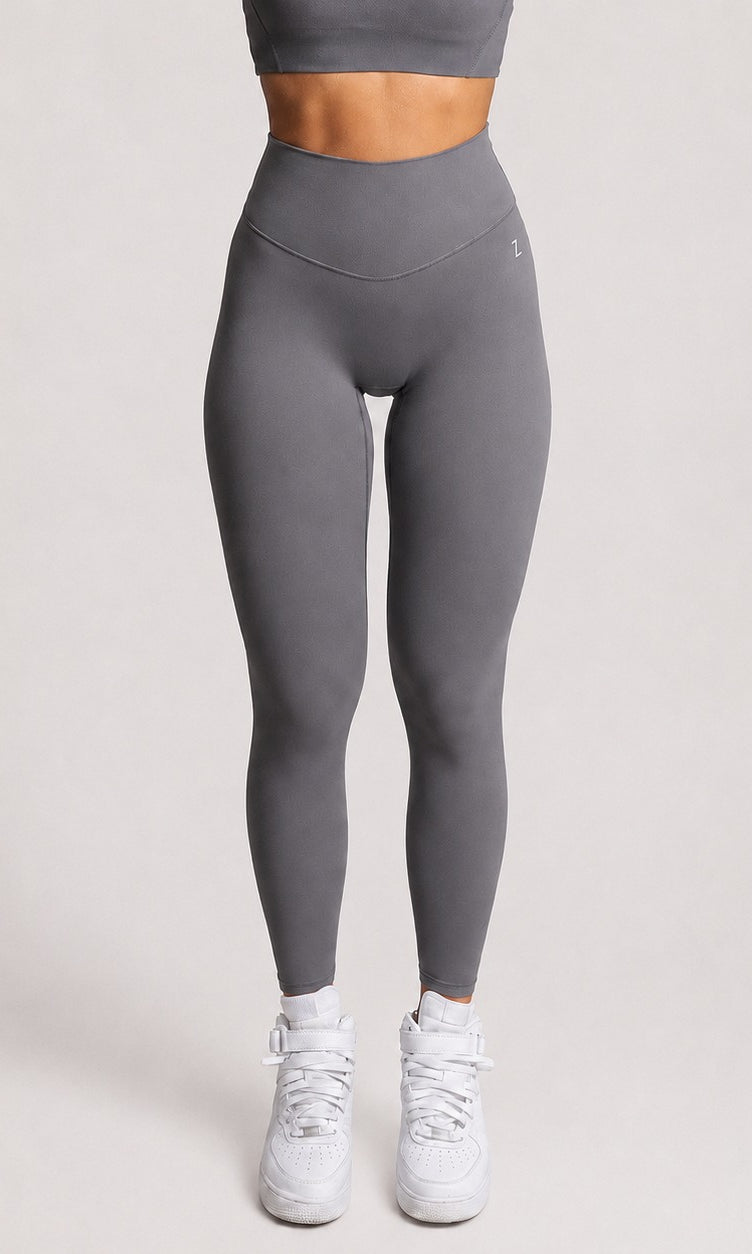
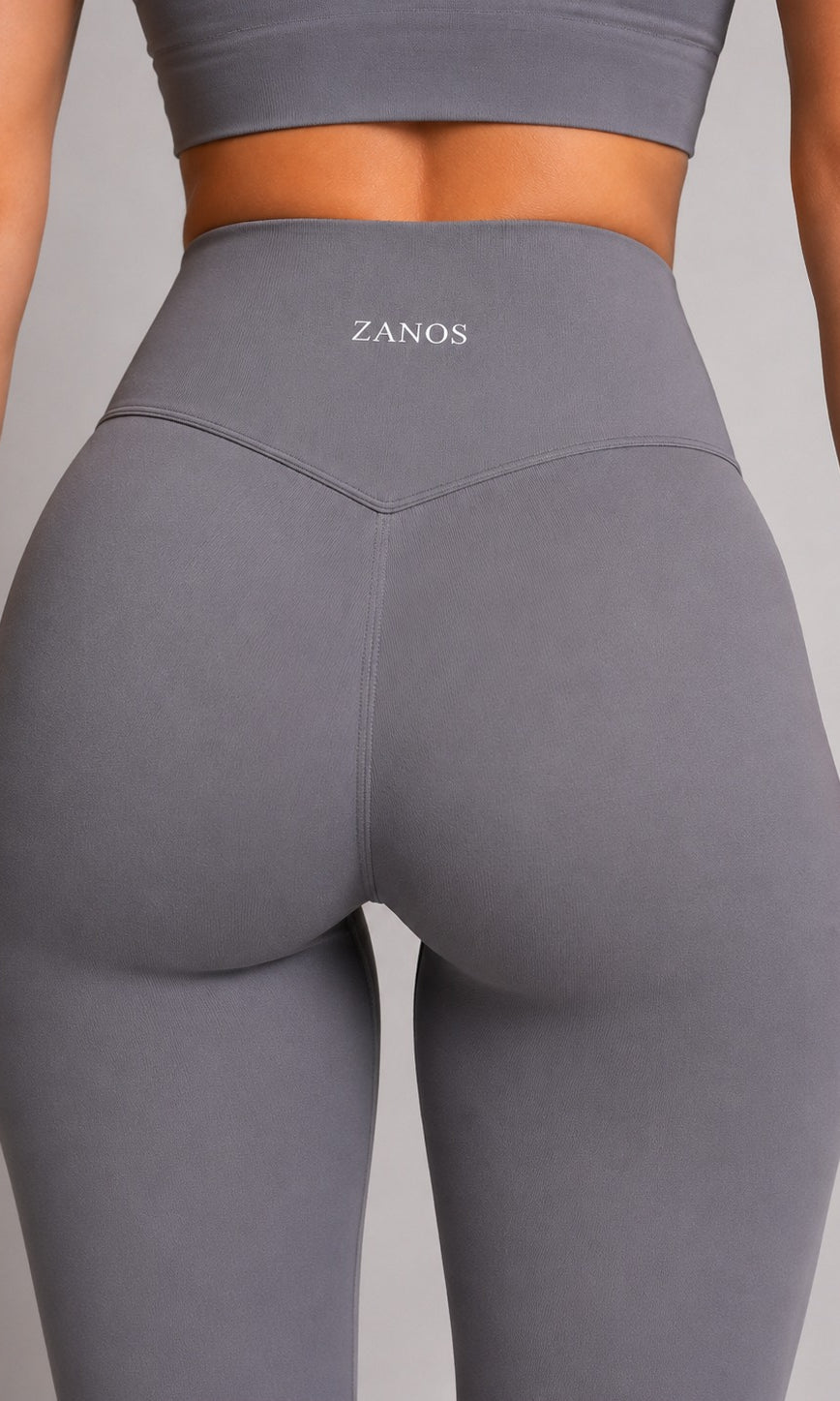
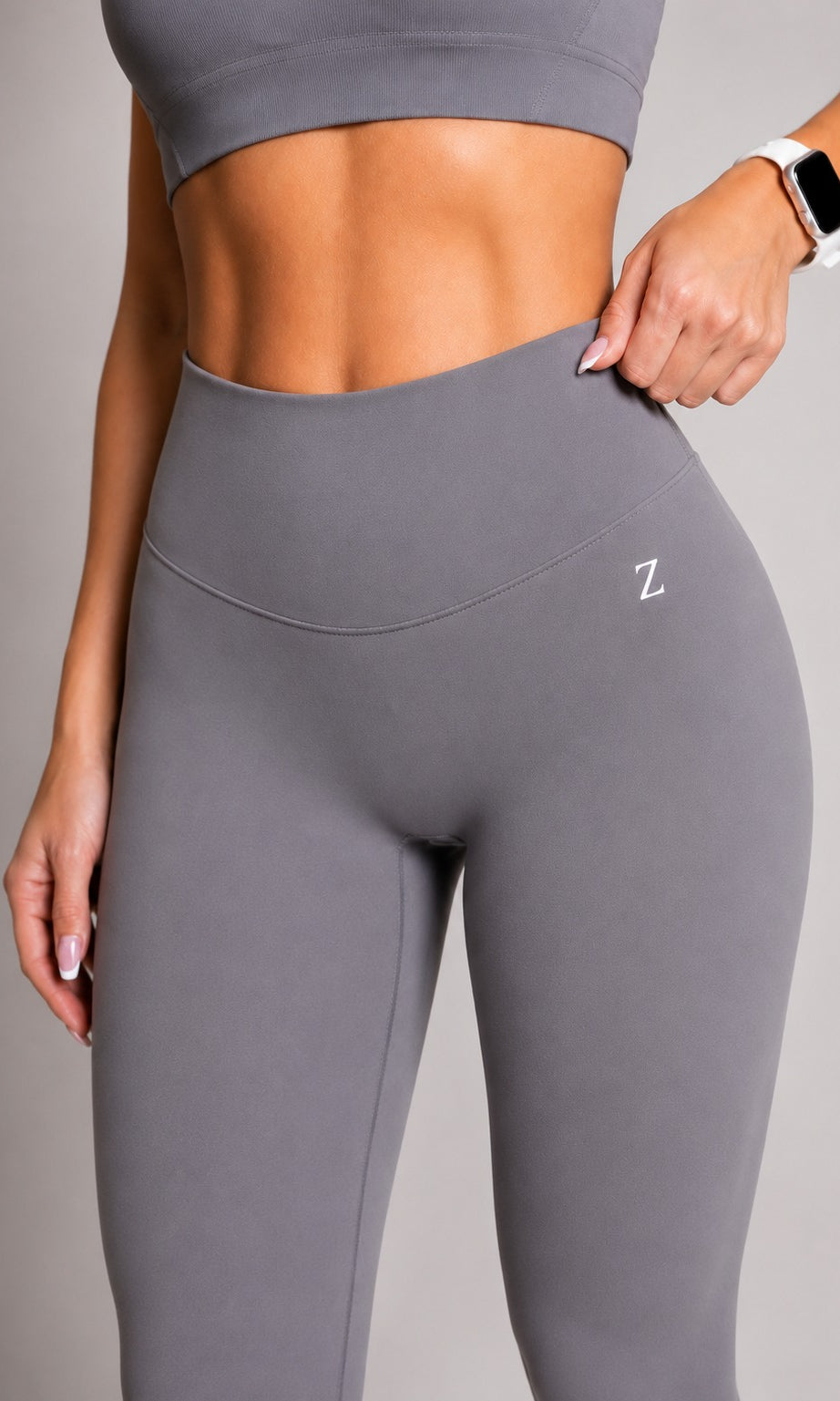
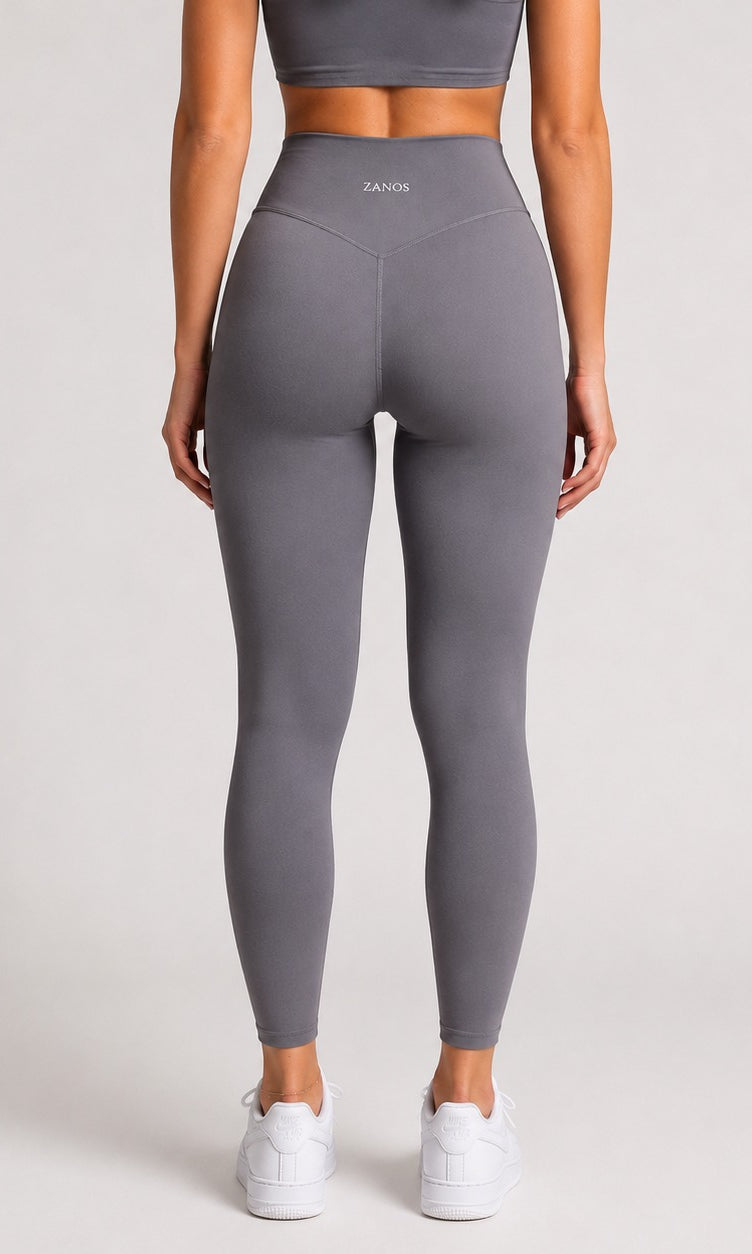
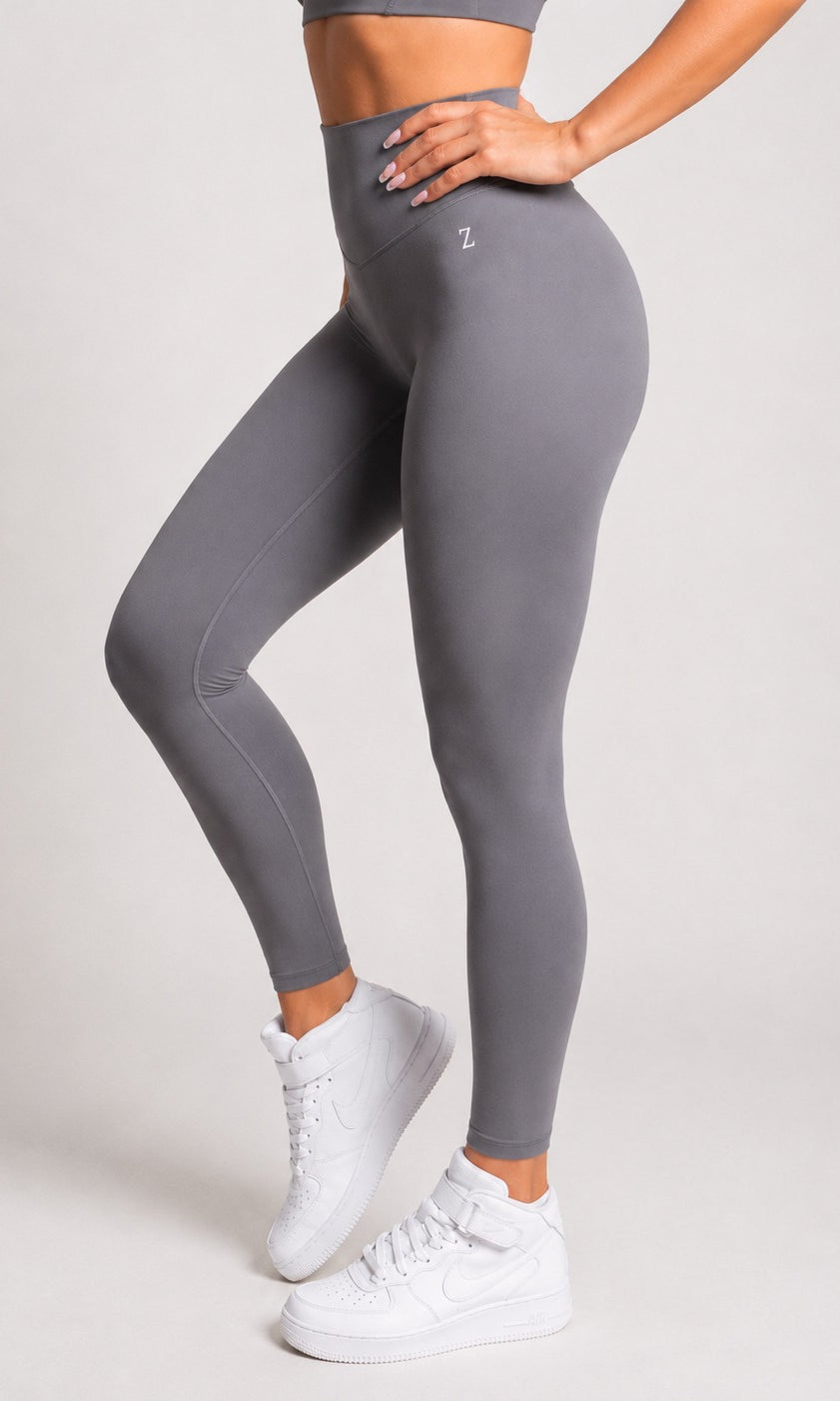
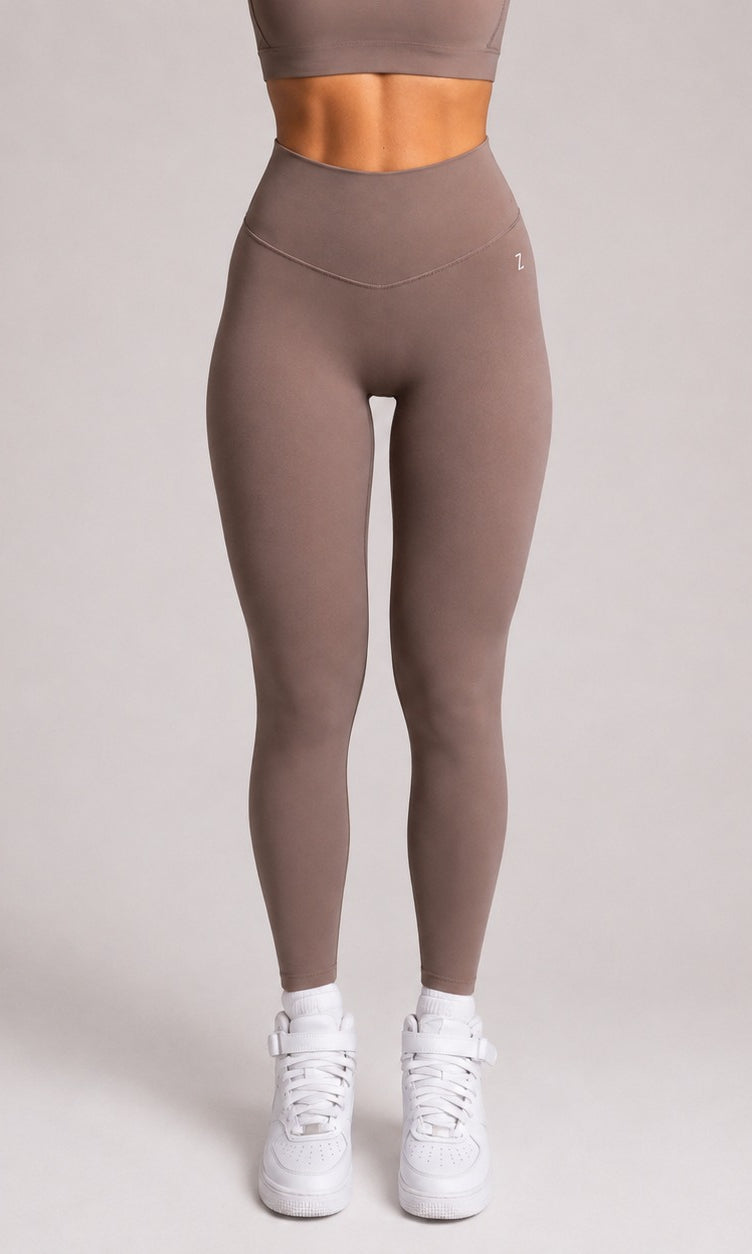
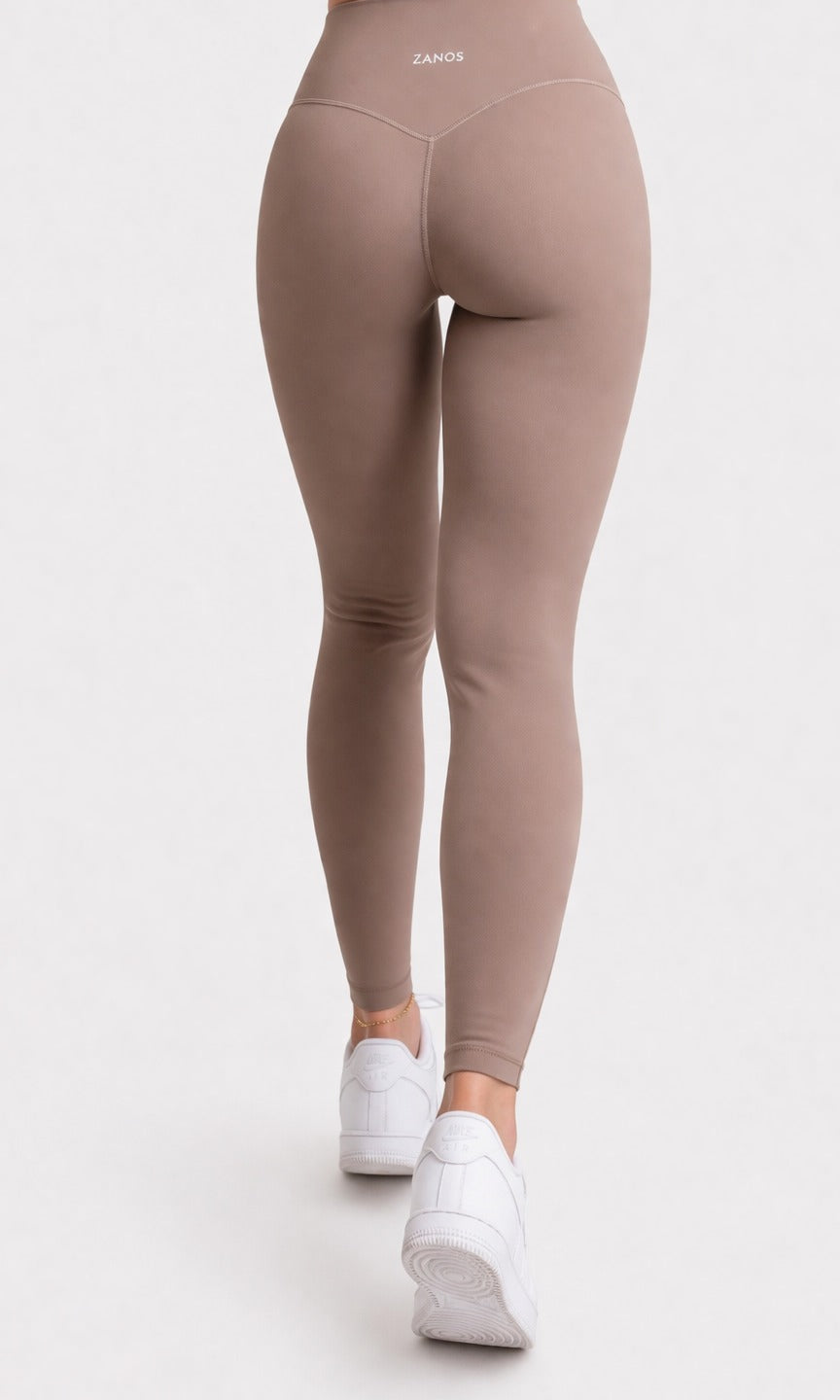
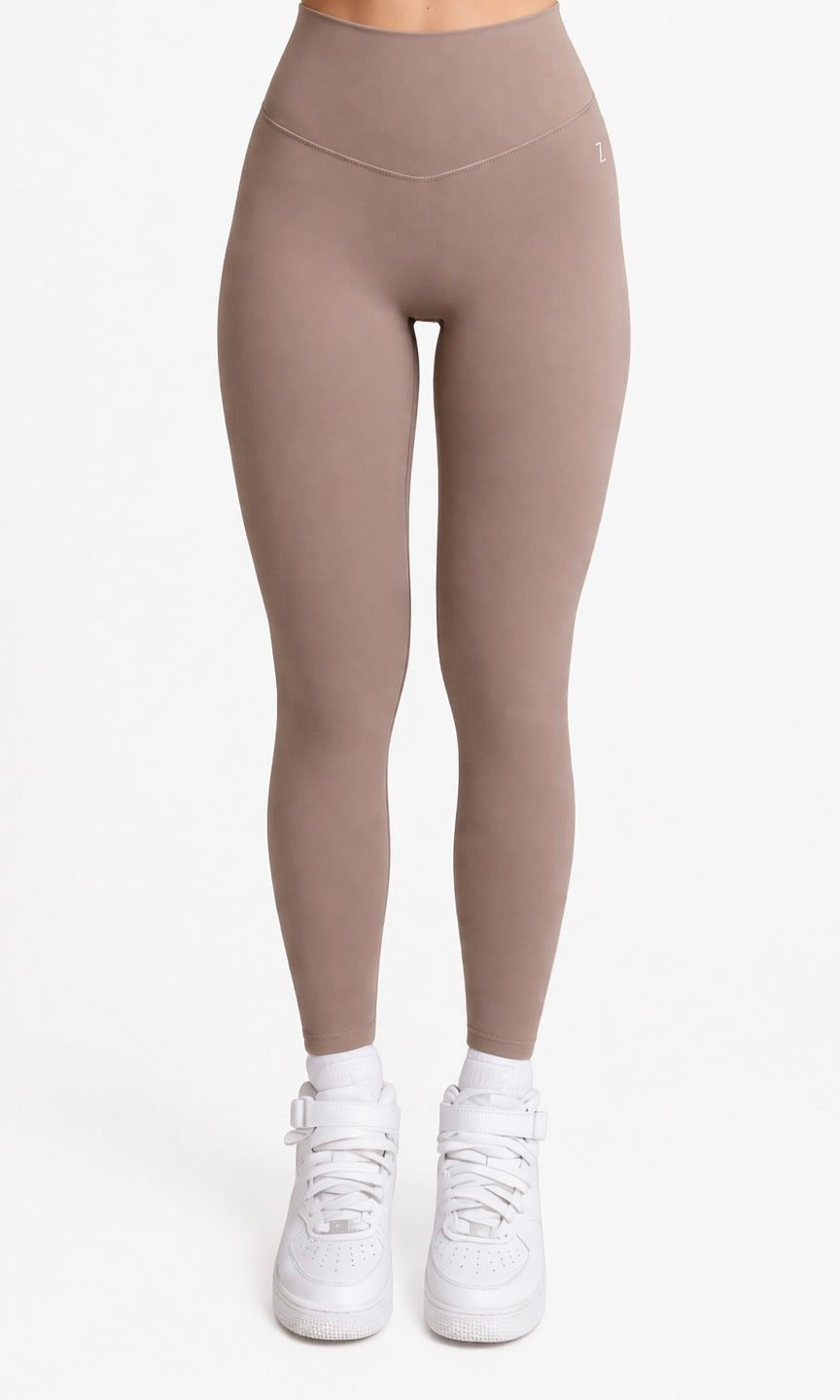
The right yoga tights should fit close to the body, remain stable at the waist, provide reliable coverage and follow your movement without restricting the hips, knees or torso. The correct pair is determined by fit, size, waistband construction, fabric recovery, stretch, coverage and seam placement.
A pair of yoga leggings can look perfect in a mirror and still fail during the first forward fold. Standing still does not test how the waistband reacts when you sit, how the fabric stretches across the hips or whether the tights remain comfortable during repeated transitions.
What this guide covers
This guide explains how yoga tights should fit, how to recognise the wrong size, which fabrics work best and why some waistbands roll or slide. It also explains seamless construction, coverage, front seams and the differences between yoga tights, yoga pants, running tights and scrunch tights.
The phrase yoga leggings women is used widely online, but the real buying decision comes down to something more practical: will the garment remain comfortable, stable and dependable once your body begins to move?
For current colours, fits and sizes, explore the ZANOS Yoga Tights Women collection. Readers looking for direct model comparisons can also visit Best Yoga Leggings for Women 2026.

How should yoga tights fit?
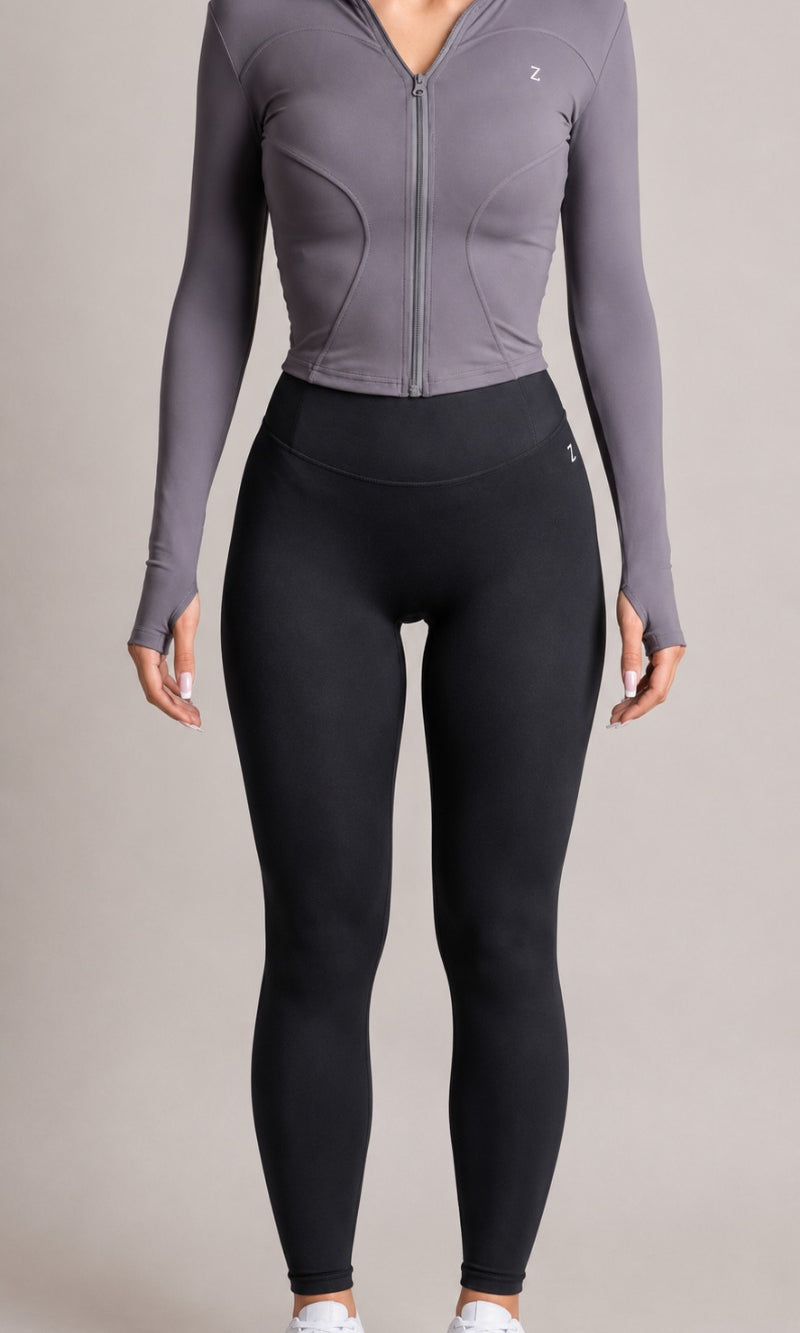
Yoga tights should fit closely and evenly without restricting movement, cutting into the waist or becoming loose around the legs.
The fabric should lie smoothly across the waist, hips, thighs and knees. You should be able to sit, bend, twist and extend your legs without feeling that the garment is pulling in the opposite direction.
A correct fit creates stable contact with the body, but it should not feel rigid. The waistband should remain in position as the torso changes angle, while the material distributes tension evenly across the hips and thighs.
Pay attention to what happens behind the knees and around the hips. Fabric that gathers behind the knees may indicate excess material, while strong pulling across the hips can indicate that the size is too small.
The real test is simple: after several folds, lunges and seated movements, you should not feel the need to pull the tights upward, unfold the waistband or redistribute the material.
Well fitting yoga tights become less noticeable as you move. Poorly fitting tights demand attention during every transition.

How do you know if your yoga tights are the wrong size?
The size is probably wrong when the fabric is excessively stretched, the waistband creates concentrated pressure or the tights repeatedly move away from their intended position.
Your normal clothing size is a useful starting point, but it is not a complete sizing method. Yoga tights depend on the relationship between waist measurement, hip measurement, fabric elasticity and the intended level of support.
Signs that yoga tights are too small
Tights are likely too small when the waistband cuts sharply into the abdomen, deeper movements feel restricted or the material becomes noticeably lighter under stretch.
A smaller size does not automatically create better support. Effective support should come from the garment construction and the recovery of the fabric, not from forcing the material beyond its intended range.
Overstretching can also reduce coverage. As the fabric is extended too far, the structure becomes more open and may appear thinner across the hips and seat.
A waistband that repeatedly rolls down can also be a sign that the tights are too small. The fabric may be pulling downward across the hips and preventing the waistband from settling correctly at the waist.
Signs that yoga tights are too large
Tights are likely too large when the waistband slides, the crotch begins to drop or material gathers behind the knees.
A larger size may feel comfortable when you first put it on, but insufficient tension can cause the garment to move independently from the body. The result is often repeated adjustment rather than relaxed movement.
The correct size should follow the body without squeezing it and remain stable without relying on extreme compression.
Compare both your waist and hip measurements with the ZANOS Size Guide before ordering. Both measurements matter because the waistband controls stability while the hip measurement determines how tension is distributed across the widest part of the garment.

Should you size up or down in yoga tights?
Choose the size that matches both your waist and hip measurements rather than automatically sizing down for compression.
Sizing down can create more pressure, but pressure is not the same as support. A size that is too small may restrict movement, strain the seams and reduce fabric coverage.
Sizing up can be appropriate when your hip measurement falls closer to the larger size or when you prefer a softer feeling around the waist. However, going too large can reduce waistband stability.
When you fall between sizes, consider where your measurements sit within each range and how the product is intended to fit. A close support style may feel different from softer yoga leggings designed for controlled movement and longer wear.
The objective is not to create the tightest possible fit. It is to create an even fit that remains stable through movement.
How should a yoga waistband fit?
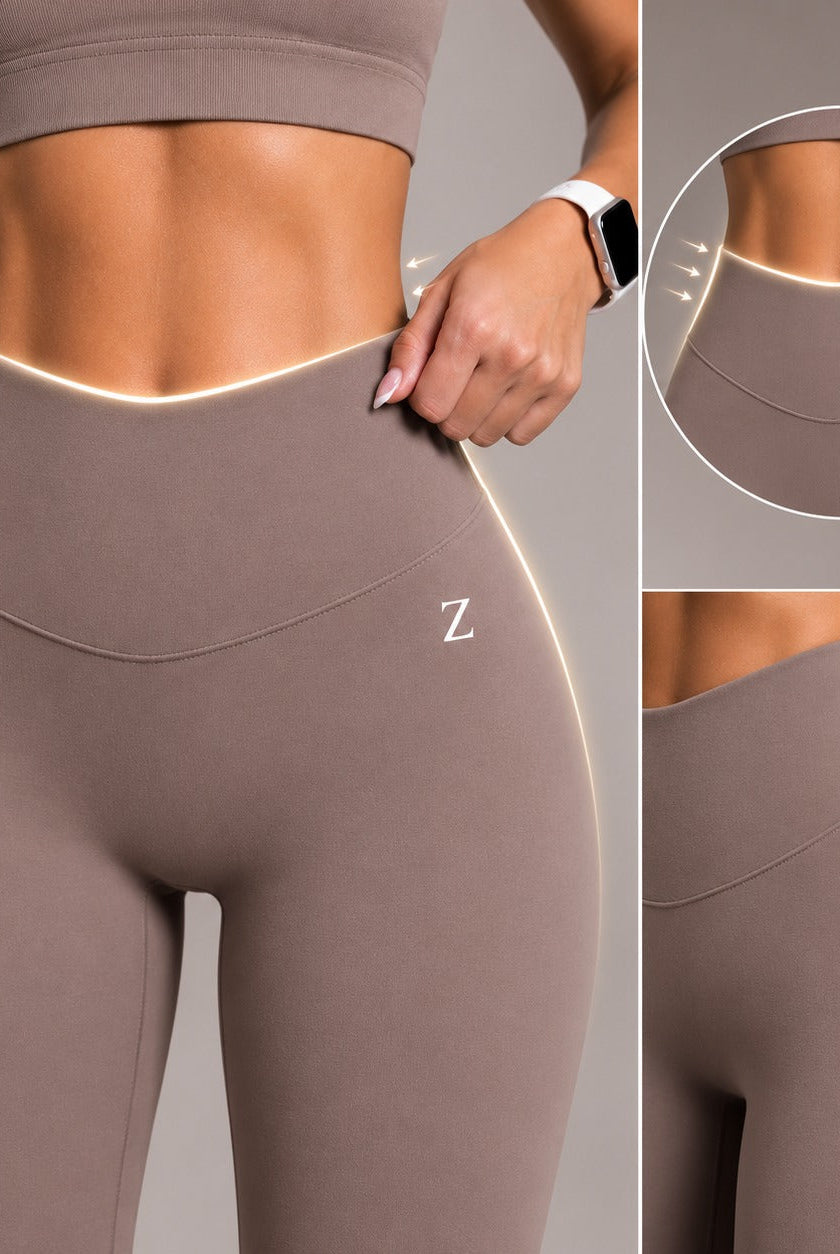
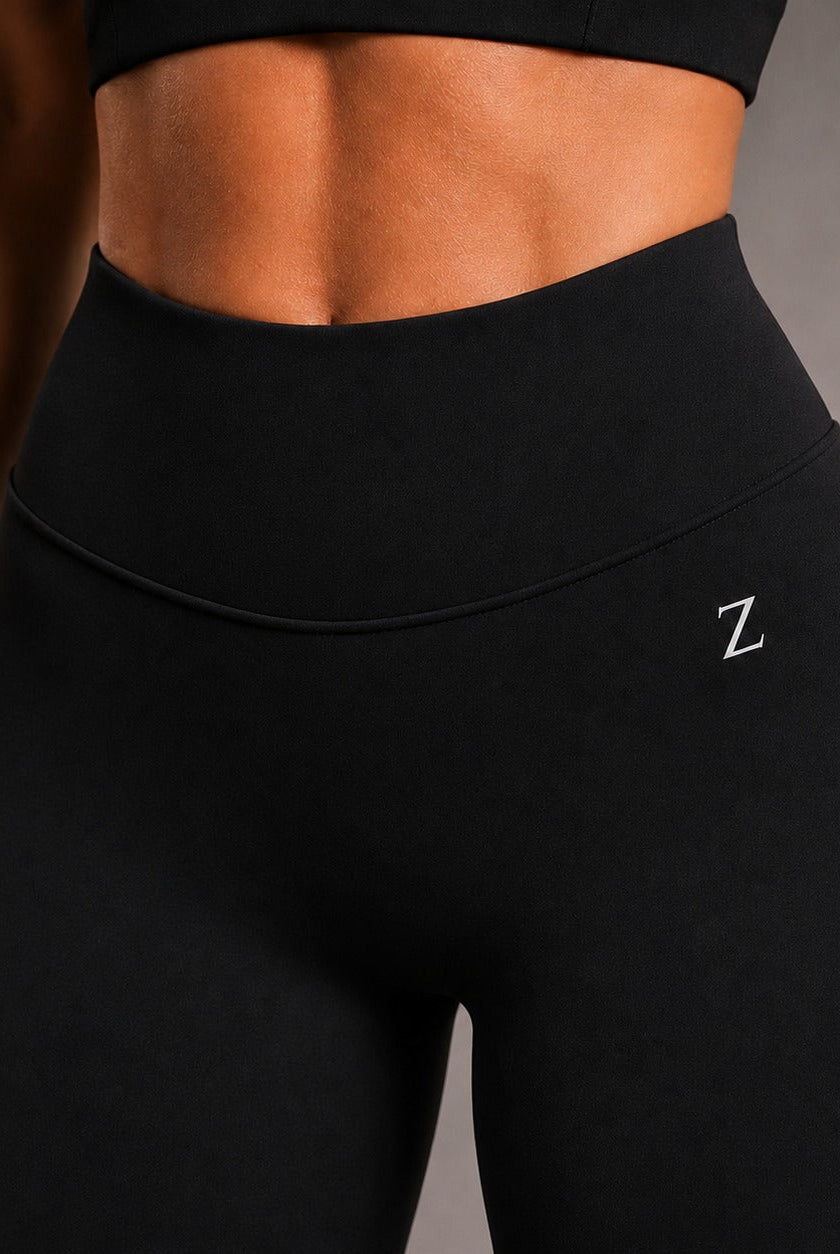
A yoga waistband should lie flat, distribute pressure evenly and remain stable when you sit, fold forward and rotate the torso.
A high waistband can provide more surface area and support, but height alone does not guarantee stability. High waist yoga tights can still roll when the size is wrong, the fabric has weak recovery or the waistband shape does not follow the body.
The waistband should feel consistent around the complete waist. One area should not feel significantly tighter than another.
It should also allow natural breathing. If you become highly aware of the waistband every time you sit or bend, the pressure may be too concentrated.
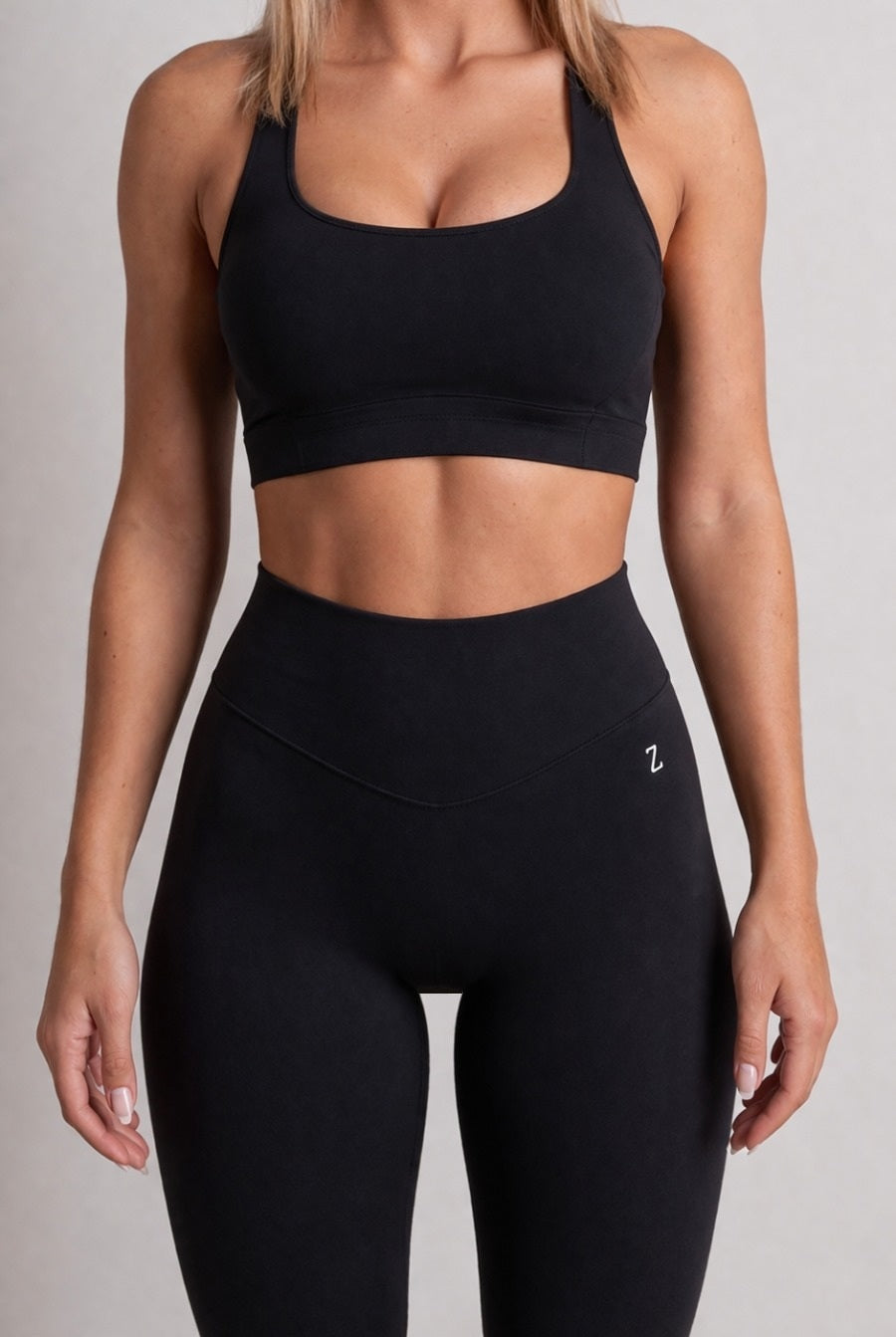
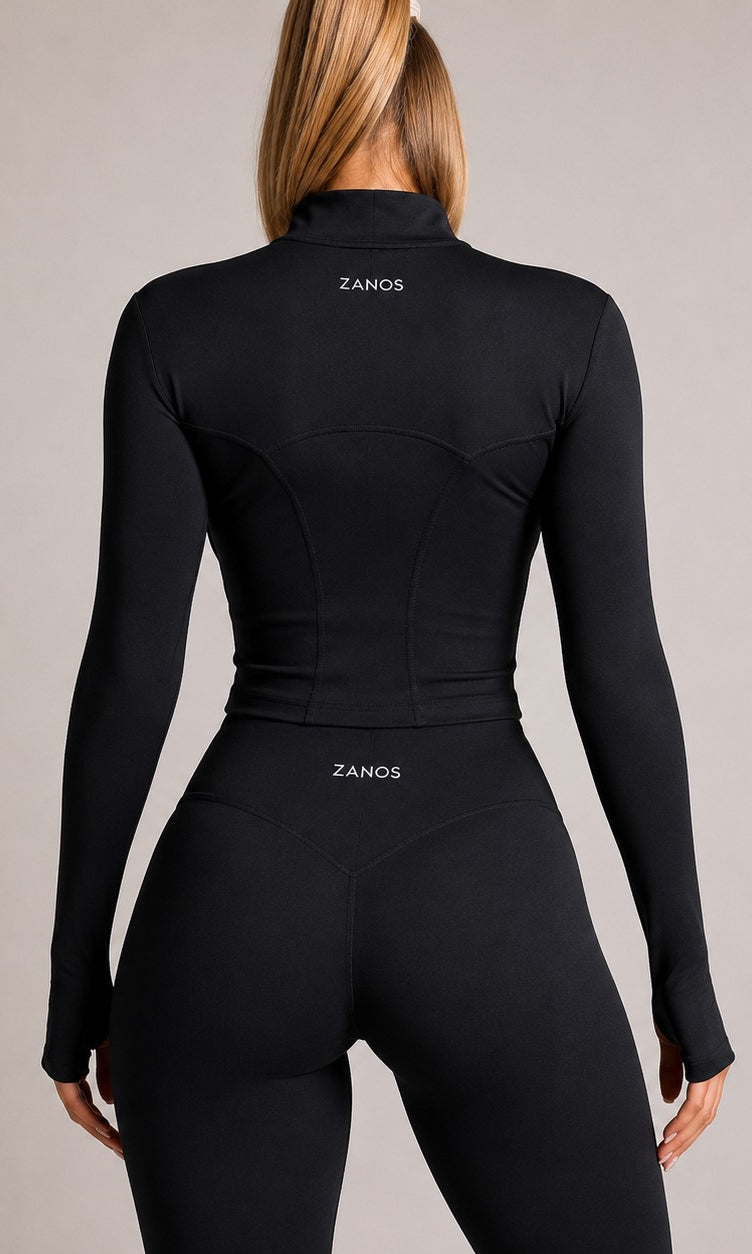
A contoured waistband can follow the relationship between the waist and hips more accurately than a completely straight band. This can help distribute tension instead of allowing the fabric to pull downward from one point.
The strongest waistband is not necessarily the most comfortable one. The best construction balances support with flexibility, allowing the waistband to remain stable without feeling like a rigid belt.

Why do some yoga tights roll down or slide?
Yoga tights usually roll or slide because the size, waistband shape and fabric recovery are not working together correctly.
Rolling and sliding are related problems, but they are not always caused by the same issue.
A waistband may roll when the tights are too small and the fabric is being pulled downward across the hips. It can also roll when the waistband is too soft to maintain its structure as the torso bends.
Sliding is more common when the size is too large, the fabric has insufficient recovery or the waistband does not create enough stable contact around the waist.
Body shape also matters. A waistband that works well for one waist to hip ratio may feel less stable on another. This is why construction and sizing matter more than simply choosing the strongest compression available.
The solution should not be constant adjustment. Correctly fitted yoga tights should settle into position and remain there through normal movement.
A dedicated guide about yoga tights that do not slide down will examine this problem in greater detail. In this buying guide, the essential rule is to evaluate the waistband while moving, not only while standing.
What fabric is best for yoga tights?
The best fabric for yoga tights combines a soft surface, four way stretch, dependable coverage and strong shape recovery.
Softness creates the first impression. Recovery determines whether the garment still fits correctly after repeated movement.
A material can feel exceptionally soft in the hand and still perform poorly if it becomes loose around the knees or waist. Fabric quality should therefore be judged by how it behaves during and after movement.
Most yoga leggings use a combination of nylon, polyester and elastane. The exact percentages matter less than how the complete fabric has been knitted, finished and constructed.
Nylon for softness and a smooth surface
Nylon is commonly used when softness, smoothness and resistance to repeated friction are important.
It can create a refined surface that feels comfortable against the skin during floor work and longer sessions. Nylon based blends are therefore common in yoga tights, Pilates leggings and activewear intended for extended wear.
However, nylon should still be combined with enough stretch and recovery to prevent the garment from becoming loose after movement.
Polyester for durability and moisture management
Polyester is commonly selected for durability, colour retention and efficient drying.
It can be useful during warmer or more dynamic sessions where moisture management matters. A well constructed polyester blend can feel light and flexible without sacrificing coverage.
The final feeling depends heavily on the fabric finish. Two polyester fabrics can behave very differently even when the fibre content appears similar on the label.
Elastane for stretch and recovery
Elastane gives the fabric its ability to extend and return towards its original form.
Without sufficient recovery, yoga leggings can begin to loosen around the knees, waist or seat. However, a higher elastane percentage does not automatically make a product better.
The complete fabric structure determines whether the tights feel balanced or unnecessarily rigid. Good stretch should allow movement without causing the garment to lose control of its shape.
Why four way stretch matters
Four way stretch allows the material to extend both vertically and horizontally.
This matters because yoga does not move the body in only one direction. Lunges open the hips, folds lengthen the back of the legs and twists create tension across several areas simultaneously.
A material that only stretches effectively in one direction may feel acceptable while walking but restrictive during deeper yoga positions.
Good yoga fabric should extend with the body, provide coverage at its widest point and recover once the position changes.

Should yoga tights be squat proof?
Yes. Yoga tights should provide reliable coverage whenever the fabric is placed under tension.
Yoga may not always involve traditional squats, but forward folds, downward facing positions, lunges and hip opening movements can stretch the material across the seat in a similar way.
Coverage depends on fabric density, colour, construction, sizing and the amount of extension placed on the material.
Dark colours can sometimes appear more opaque, but colour alone does not determine coverage. A dense fabric worn in the wrong size can still become less opaque when overstretched.
This is another reason not to size down simply to create more compression. Excessive extension can reduce coverage and alter the way the waistband and seams are intended to sit.
Test coverage in natural movement and under normal lighting. A pair should feel dependable across the complete range of positions you intend to perform.
Are seamless yoga tights good for yoga?
Yes. Seamless yoga tights can be a strong choice because fewer traditional seams may reduce friction and pressure during floor work, stretching and seated positions.
Seamless does not mean that the garment contains no seams at all. It usually refers to a manufacturing method that reduces the number of conventional stitched panels.
This can create a smoother feeling against the body, but the word seamless does not automatically guarantee better performance.
A seamless design can still roll at the waist, lose recovery or provide insufficient coverage when the material, size and construction are not balanced.
The important question is not simply whether the tights are seamless. It is whether the complete garment remains stable, comfortable and dependable during movement.
For a broader view of available fitted styles, visit Yoga Tights Women. You can also explore the complete ZANOS Activewear collection for coordinated pieces.
Does a front seam matter in yoga tights?
A traditional front seam can create additional pressure, visible fabric gathering or discomfort during seated movement and deep flexion.
The effect varies between garments and bodies. A well placed seam may feel completely comfortable, while a seam under excessive tension can become distracting.
Yoga tights without a traditional front seam create a smoother construction through the centre front. This removes one possible pressure point and reduces the amount of stitched structure in an area that changes shape during sitting, folding and lunging.
ZANOS yoga tights are designed without a traditional front seam to support a smoother and less distracting front fit.
You can view the construction more closely on NOIR Yoga Leggings Black.

What is the difference between yoga tights and yoga pants?
Yoga tights fit closely from the waist towards the ankle, while yoga pants can also include straight, bootcut or flared lower leg shapes.
The fitted structure of yoga tights keeps the material close to the body during balance work and transitions. It also makes it easier to see the position of the knees and legs.
Yoga pants with a wider lower leg create more space below the knee and often move more naturally from studio wear into everyday outfits.
Choose fitted yoga tights when you prefer minimal loose fabric, close contact through the complete leg and a garment suitable for yoga, Pilates and mobility work.
Choose yoga pants when you prefer a wider lower leg, a softer everyday expression or more space around the calves and ankles.
Explore fitted Yoga Tights Women or compare them with Flare Tights Women.
What is the difference between yoga tights and running tights?
Yoga tights prioritise multidirectional flexibility and comfort across varied positions, while running tights usually prioritise repetitive forward movement, moisture management and stability during impact.
Yoga moves the hips, knees and torso through several directions. Running repeats a more consistent movement pattern and may benefit from firmer support, secure pockets or reflective details.
A soft yoga fabric may feel ideal during folds, mobility work and Pilates but less structured during faster running.
Running tights may feel secure during cardio but unnecessarily firm during seated yoga positions.
Some leggings can work for both activities, particularly when the material combines four way stretch, coverage and stable recovery. The better choice depends on your primary activity rather than the category name alone.
What is the difference between yoga tights and scrunch tights?
Yoga tights prioritise smooth comfort and unrestricted movement, while scrunch tights use a shaped back construction to create more definition through the glutes.
Both can work for training, but the principal design priorities are different.
Yoga tights are generally the more natural choice for yoga, Pilates, mobility work and extended everyday wear. The construction is intended to remain smooth and unobtrusive through controlled movement.
Scrunch tights are commonly selected for strength training and gym sessions where the wearer prefers a more defined back construction.
The scrunch detail itself does not determine overall quality. Waistband stability, fabric recovery, coverage and seam placement remain important in both categories.
Compare the Yoga Tights Women collection with Scrunch Tights Women according to your movement and preferred construction.
Which yoga tights should you choose?
Choose yoga tights according to your primary activity, preferred level of support and the leg shape that feels most natural to you.
For yoga, Pilates and mobility work, begin with fitted yoga leggings that provide multidirectional stretch and a stable but comfortable waistband.
Choose seamless yoga tights when you value a smooth feeling and fewer traditional stitched panels.
Choose flare yoga pants when you want fitted support around the waist and hips with more space around the lower legs.
Choose a firmer style when your routine combines yoga with faster training or gym exercises. A softer construction may feel better during controlled movement and longer everyday wear.
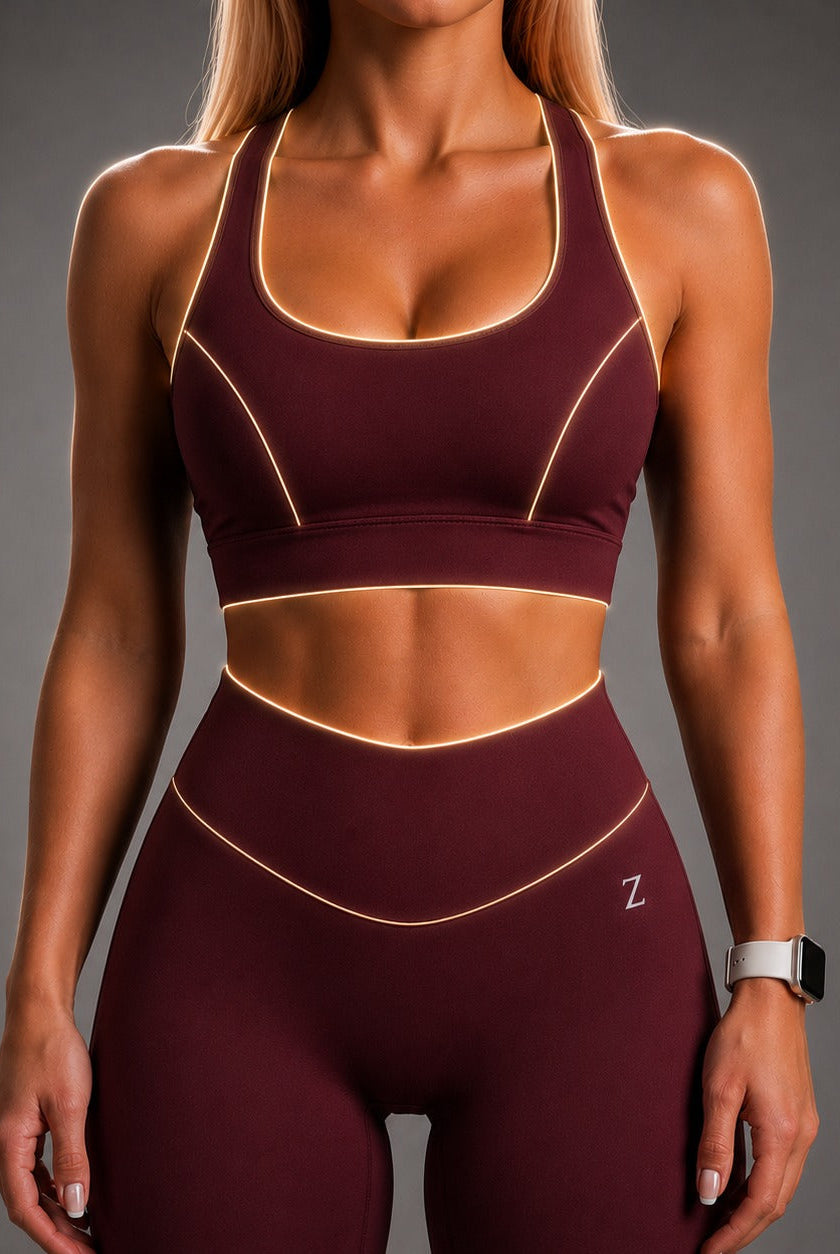
Colour also affects the experience. Black yoga tights are versatile and can provide a visually consistent surface, while grey and brown create softer alternatives for coordinated activewear.
For model comparisons and direct recommendations, read Best Yoga Leggings for Women 2026. That article owns the recommendation and comparison intent. This guide focuses on helping you evaluate fit, fabric, size and construction.
Can yoga tights be worn beyond the yoga studio?
Yes. Yoga tights can work for Pilates, mobility training, walking, lighter gym sessions, travel and everyday movement.
The qualities that make them useful during yoga also make them practical outside the studio. Flexible fabric supports walking and sitting, while a stable waistband can make long periods of wear more comfortable.
Their suitability for intensive training depends on the individual style. Soft yoga leggings may feel ideal during controlled movement but provide less compression than leggings designed for heavy strength training or running.
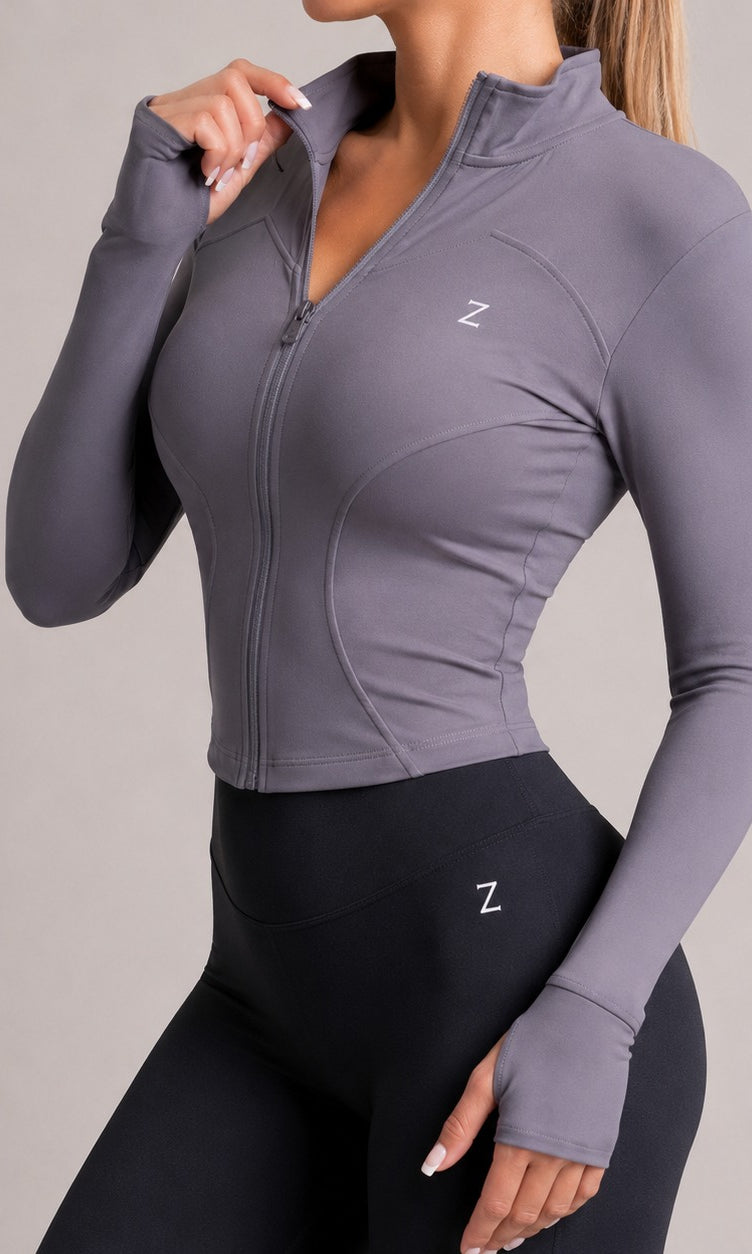
The easiest way to build a versatile activewear outfit is to combine fitted leggings with a supportive top or light layer. Browse Training Tops Women or explore the broader ZANOS Activewear collection.
What should you wear under yoga leggings?
Choose breathable, close fitting underwear with smooth edges when you want an additional layer under yoga leggings.
Seamless underwear can reduce visible lines and unnecessary fabric movement. Moisture managing material may also feel more comfortable during warmer sessions.
Some people choose not to wear underwear beneath leggings with a suitable gusset and comfortable internal construction. That is a personal choice based on comfort and hygiene.
Whichever option you choose, avoid loose material that gathers during movement or creates pressure beneath the tights.
How should yoga tights be washed?
Wash yoga tights inside out at a low temperature with similar colours and a small amount of mild detergent.
Avoid fabric softener because residue can affect the behaviour of performance fibres. Avoid bleach and excessive heat, which can weaken stretch fibres and affect long term recovery.
Air drying is generally safer than tumble drying. Before washing, check the individual care label because it takes priority over general guidance.
Read the ZANOS Wash Guide for complete washing instructions.
Correct washing is only one part of garment care. How you put on the tights, adjust the fabric and store them can also affect the seams and waistband. Read the Activewear Care Guide for additional guidance.
Your final yoga tights checklist
Before choosing your next pair, confirm that:
- The waistband lies flat without creating sharp pressure.
- The fabric follows the hips and knees without limiting movement.
- The material remains sufficiently opaque under stretch.
- The fabric returns towards its original shape after movement.
- The front construction feels smooth and comfortable.
- The size matches both your waist and hip measurements.
The right yoga tights should make movement easier to focus on. They should not require constant adjustment, force you to modify your positions or become the main thing you notice during the session.
Explore Yoga Tights Women from ZANOS to compare the current colours, sizes and constructions.