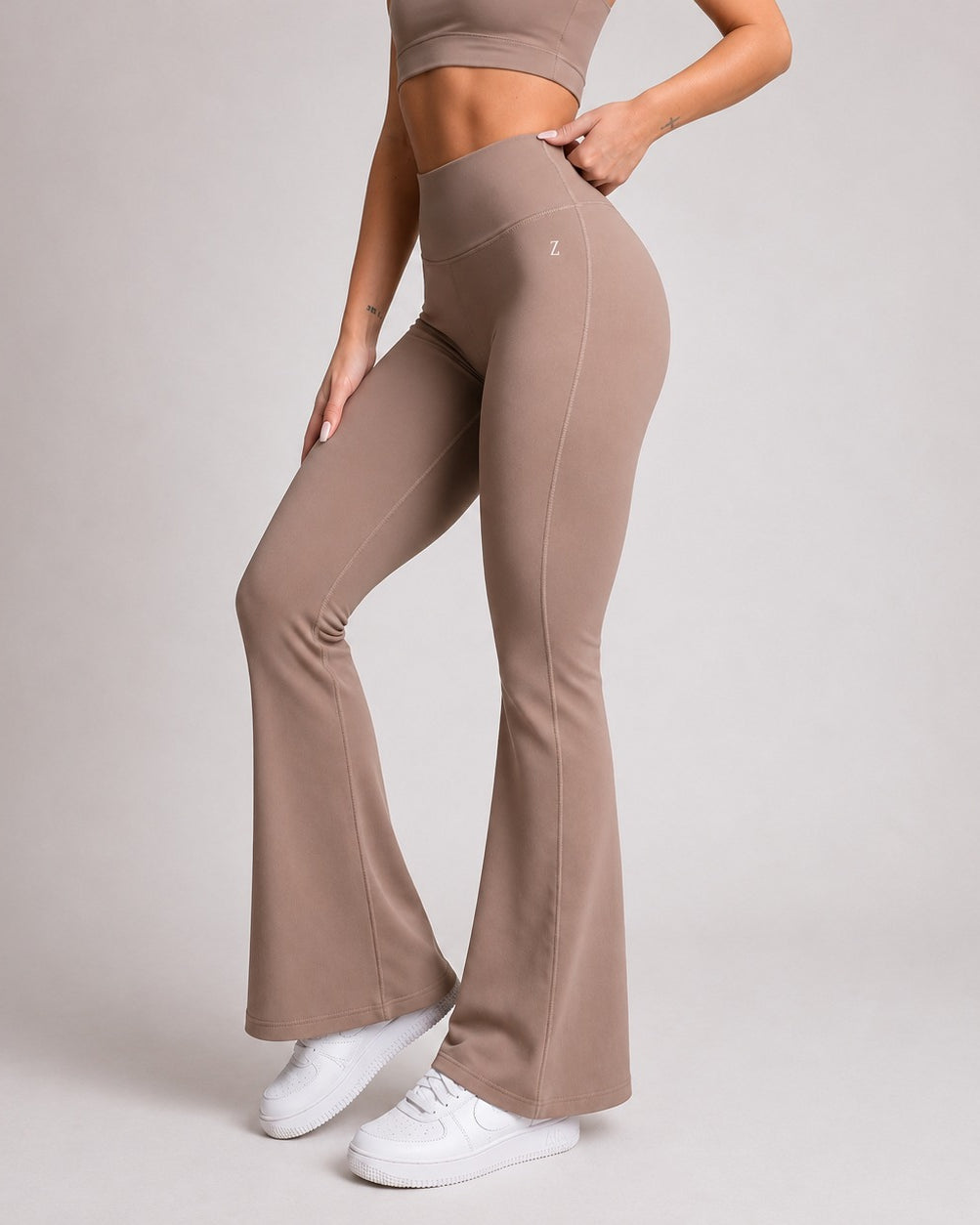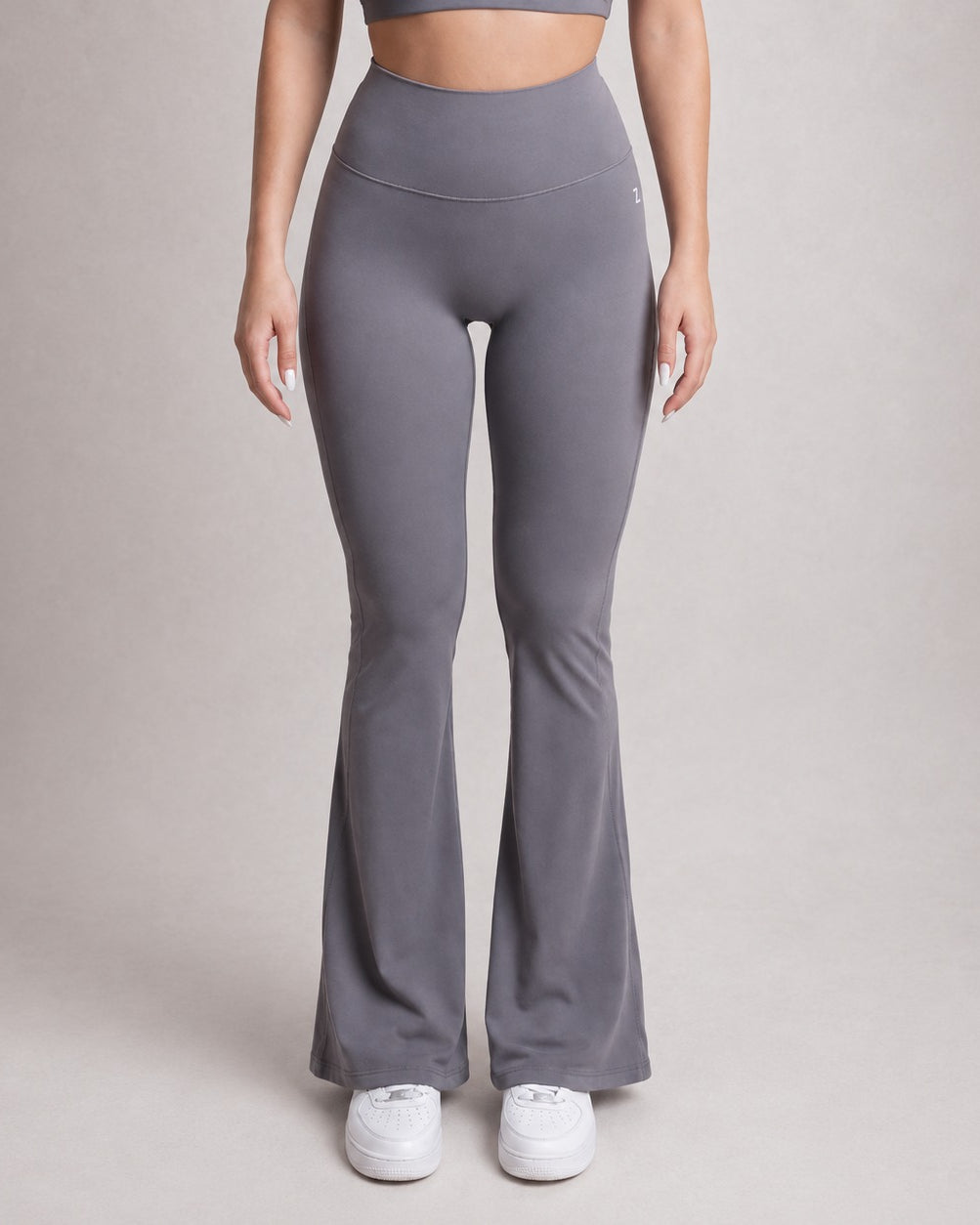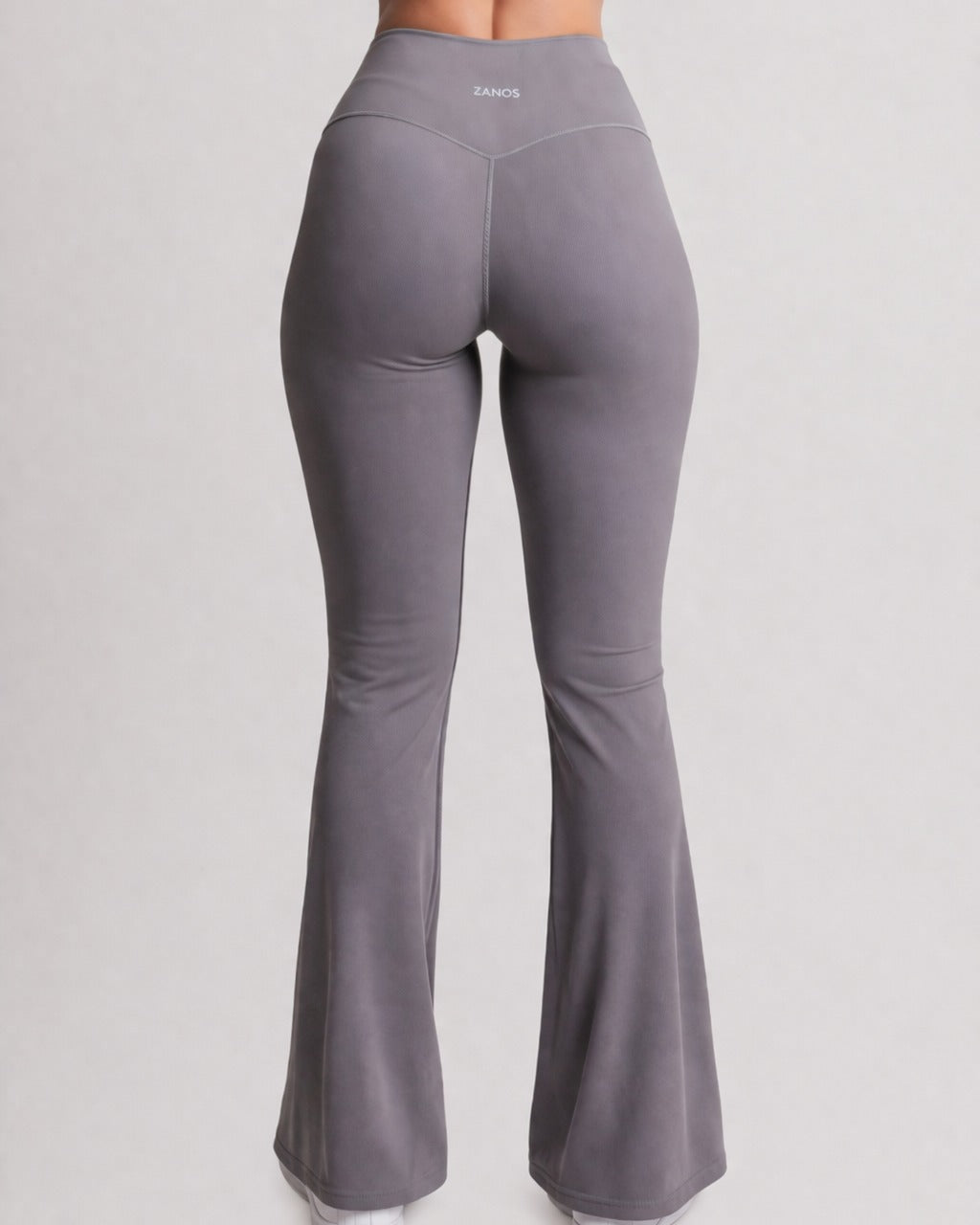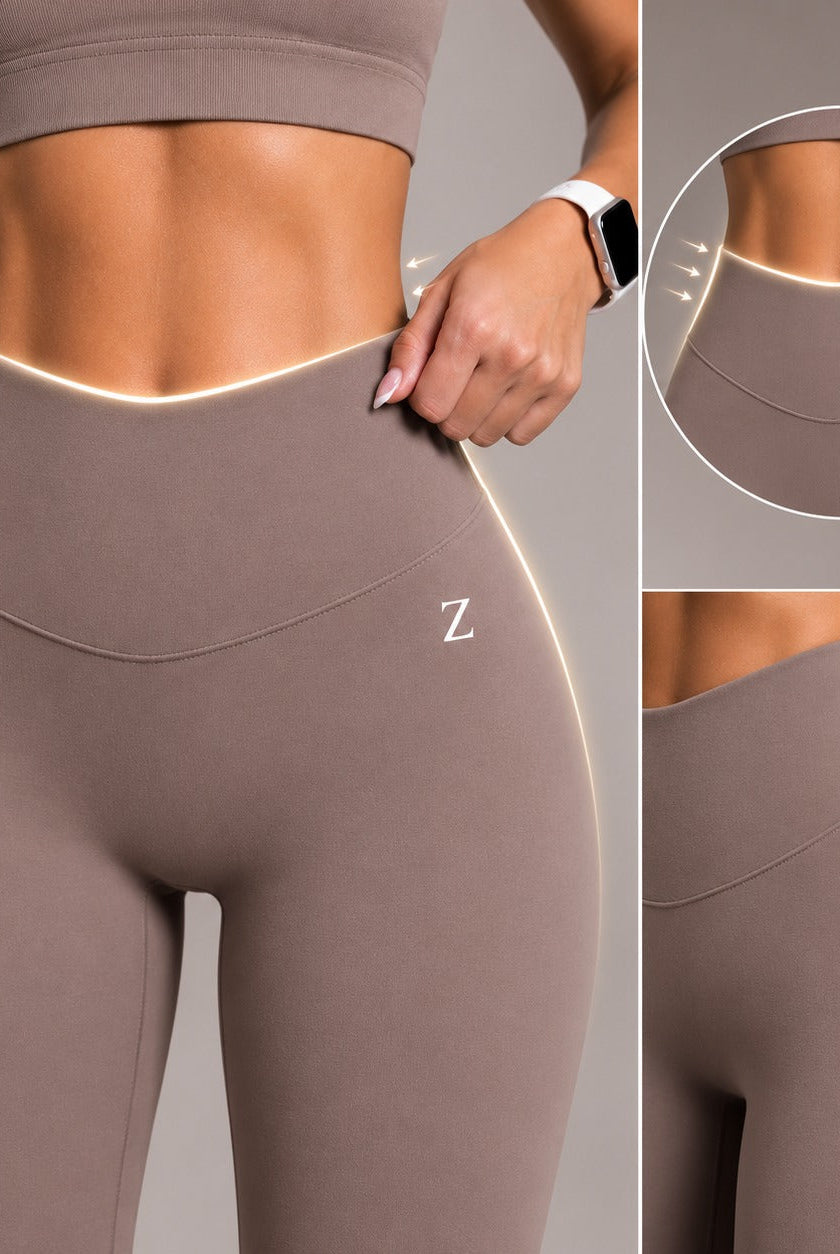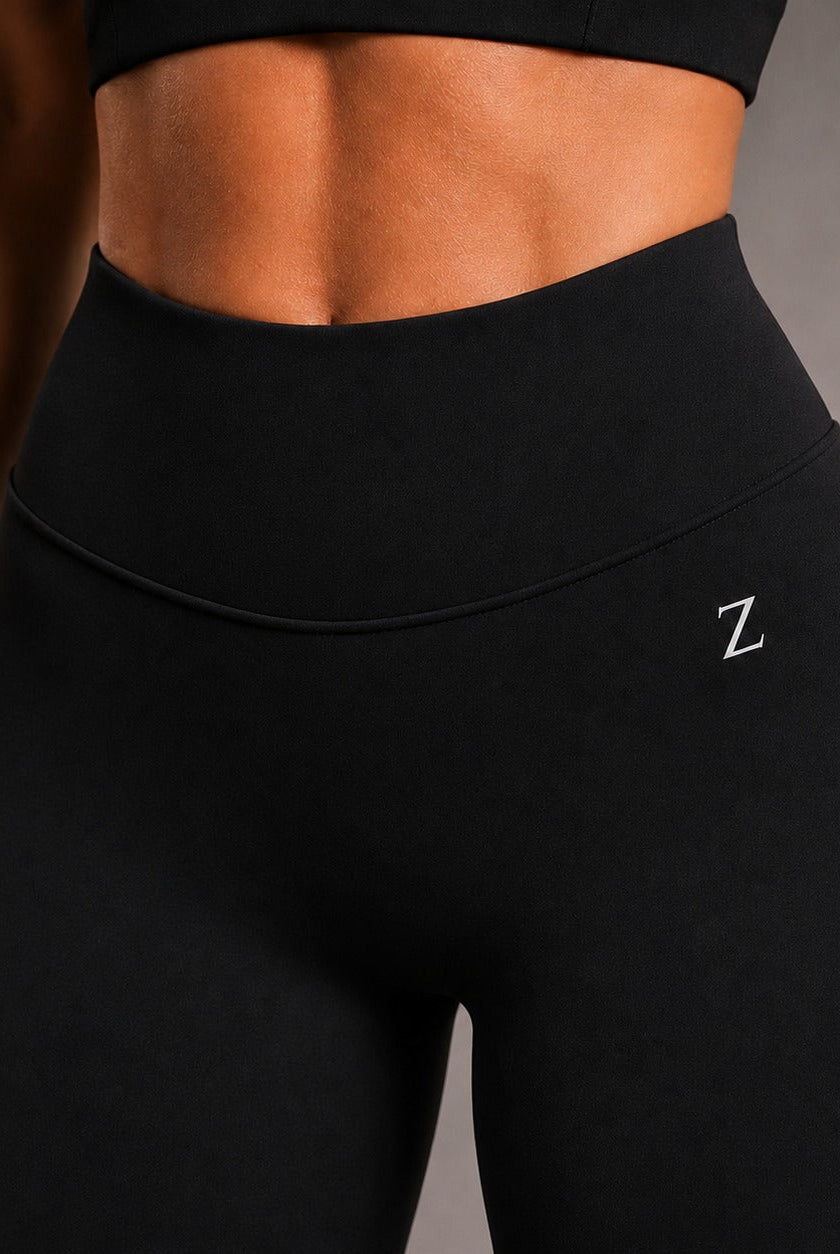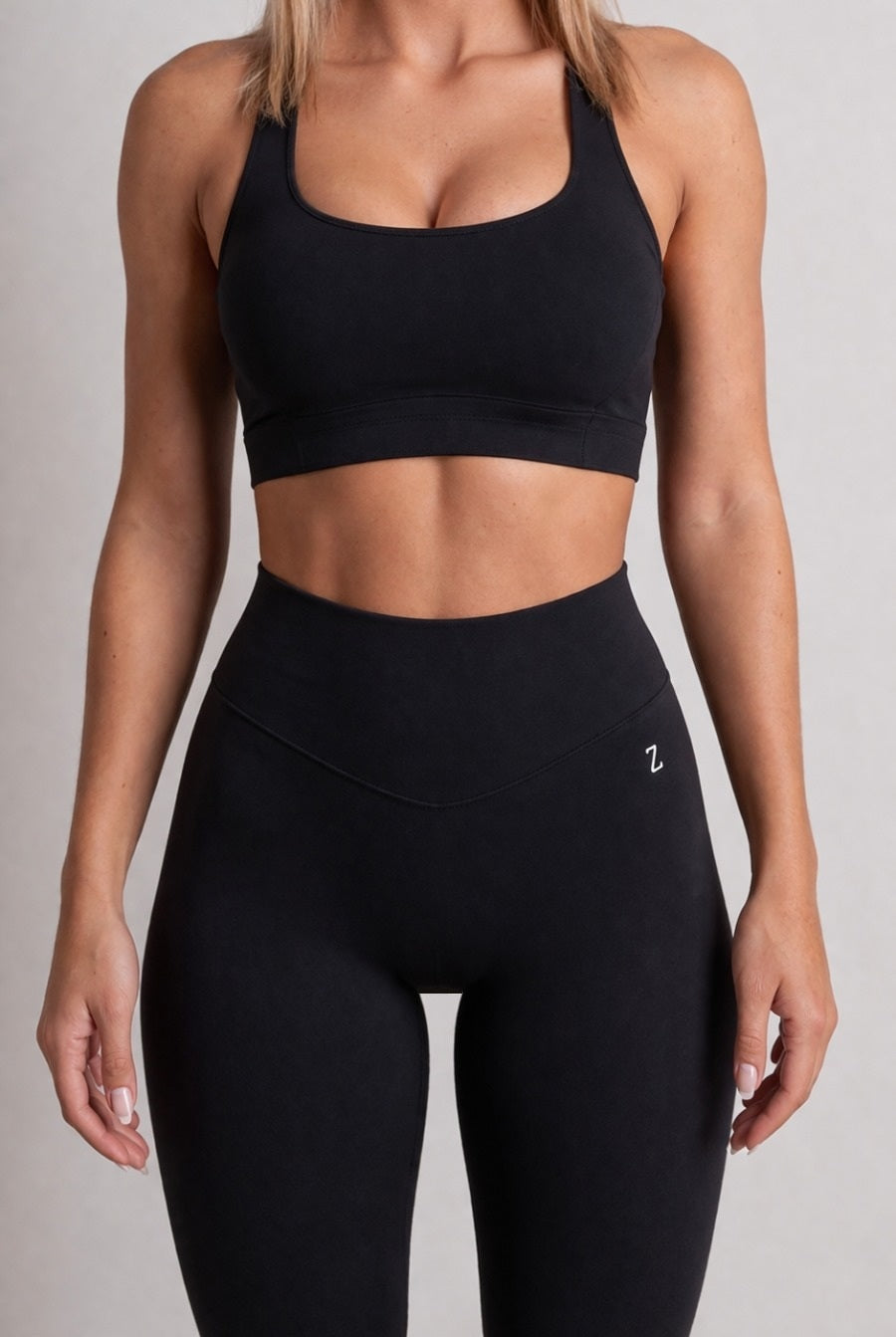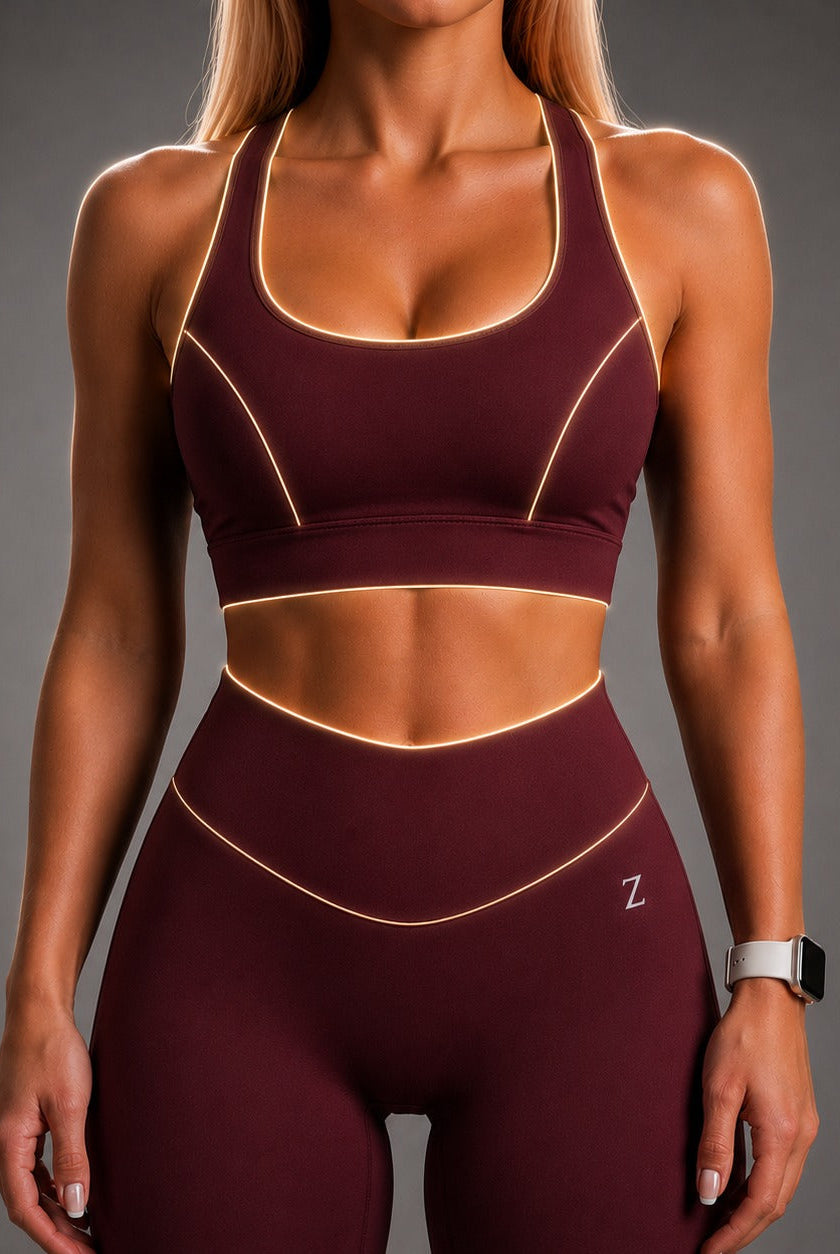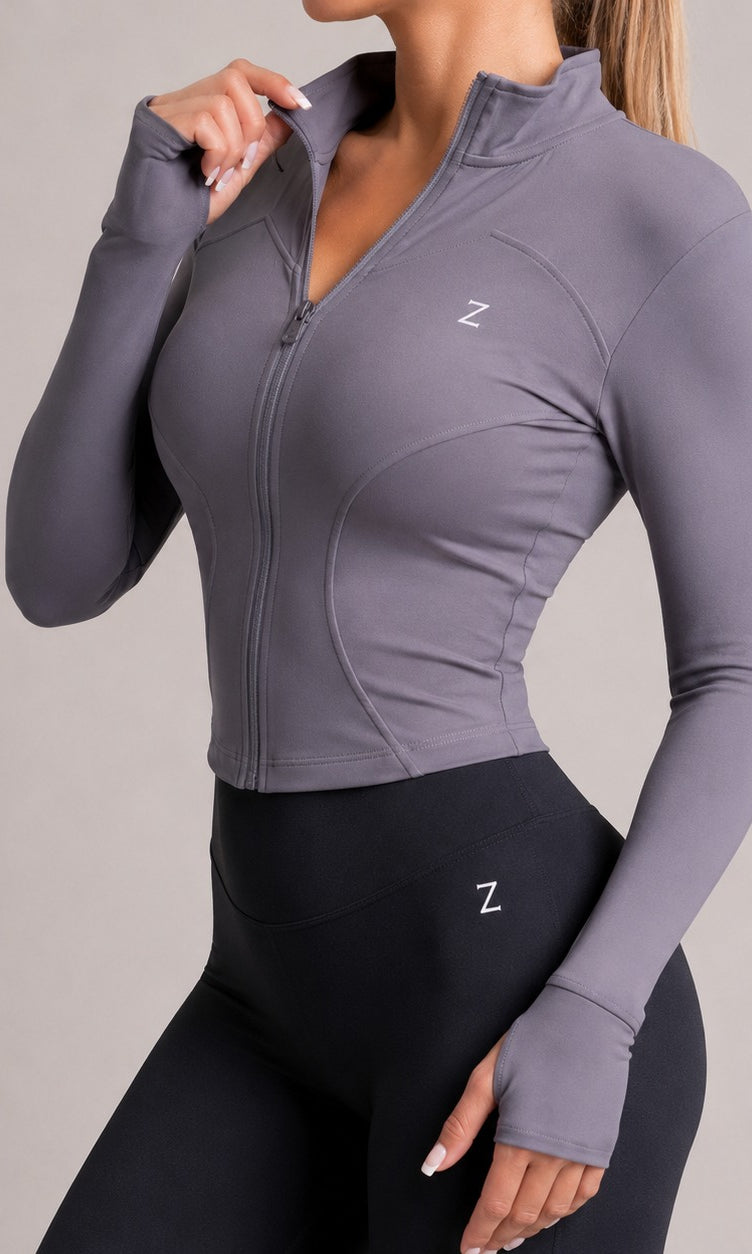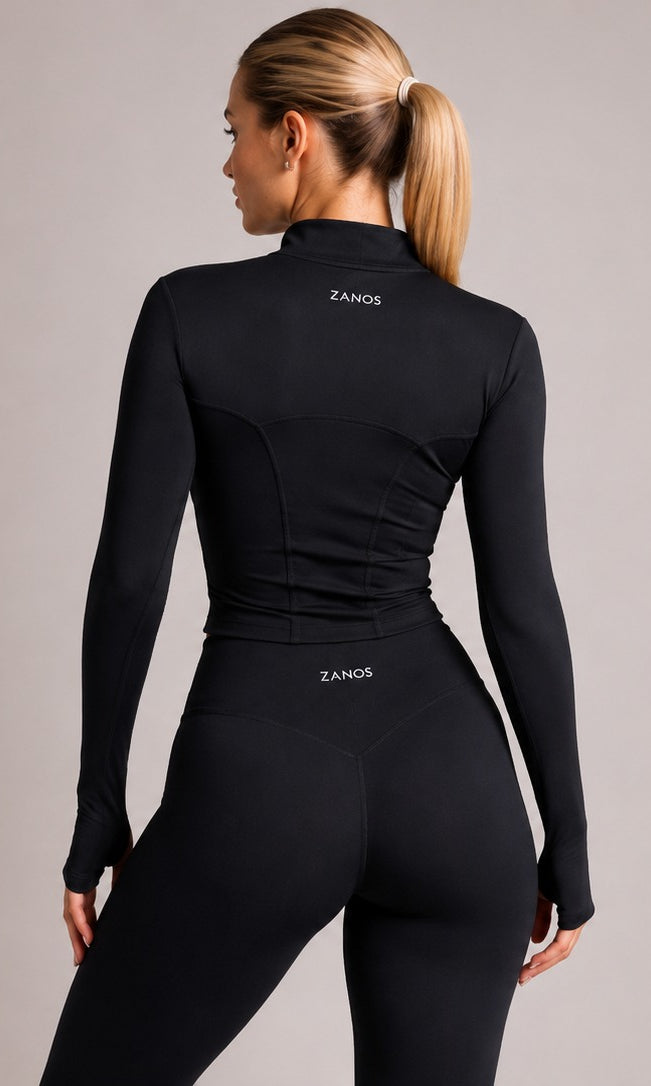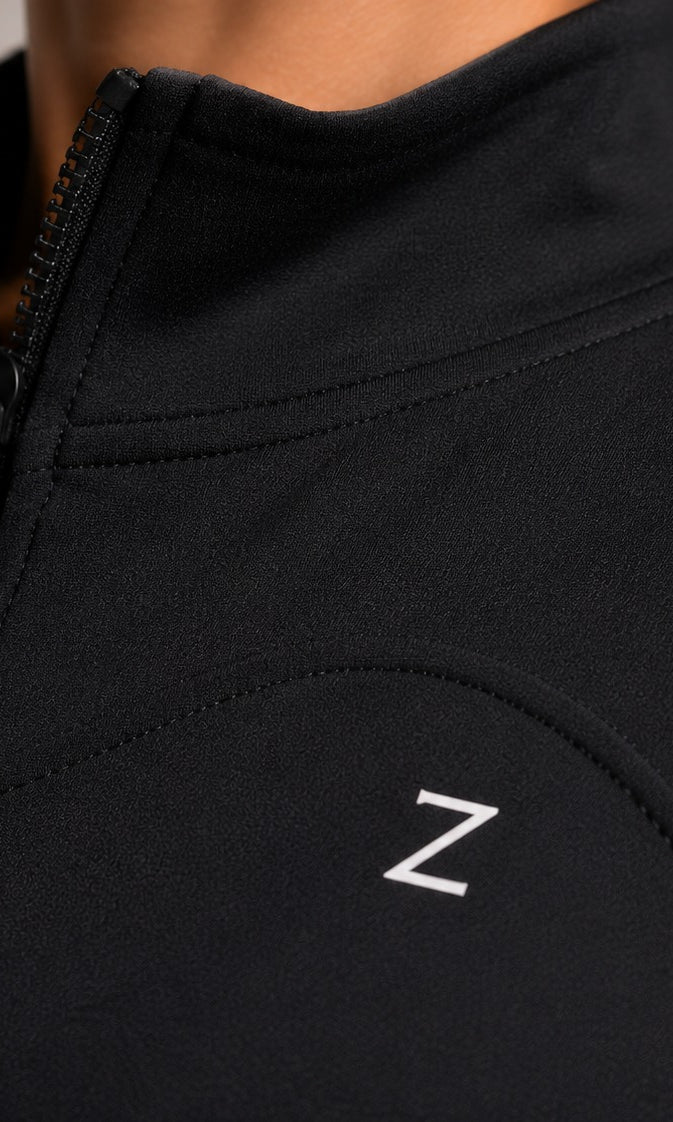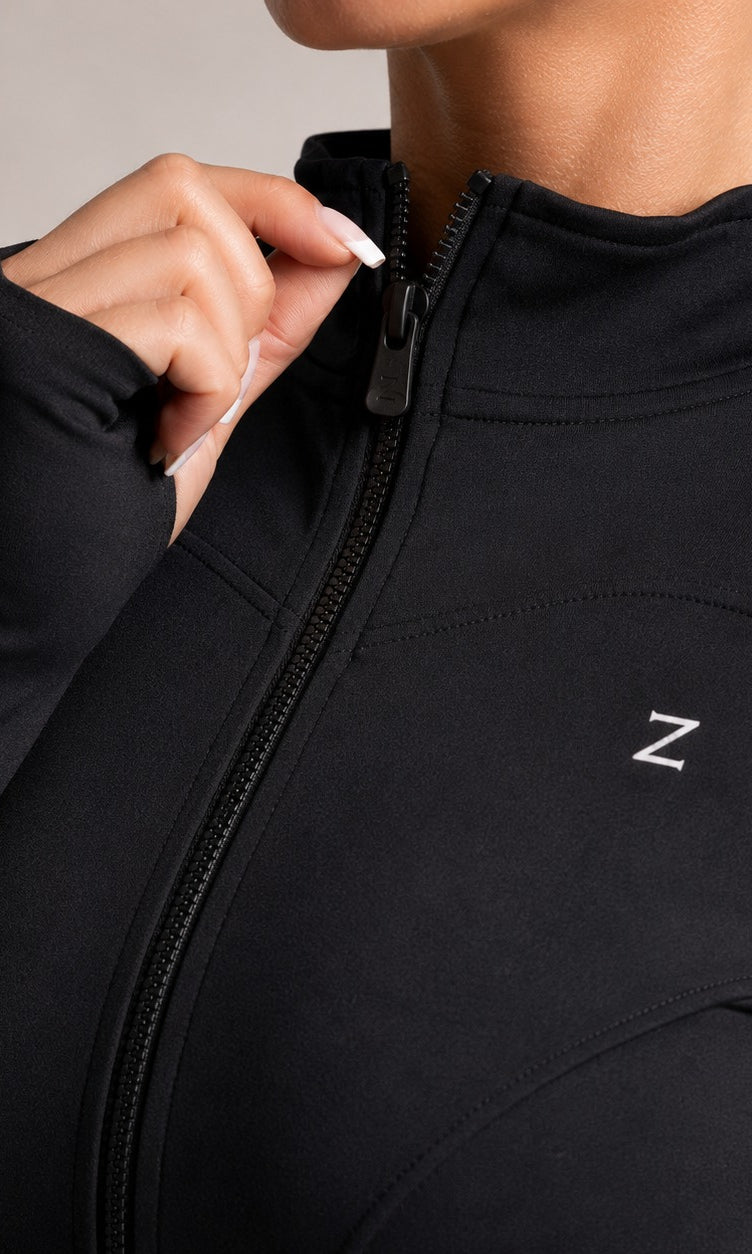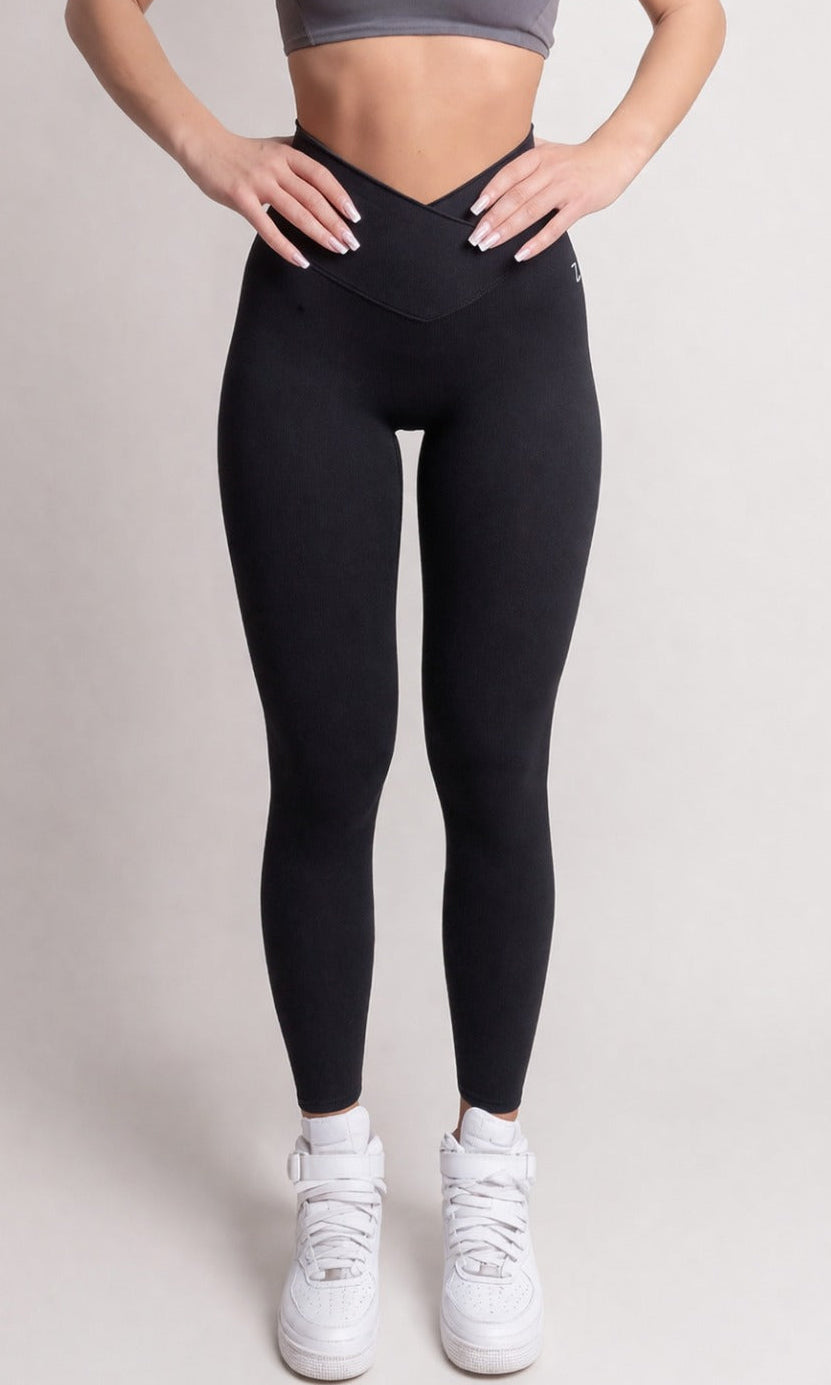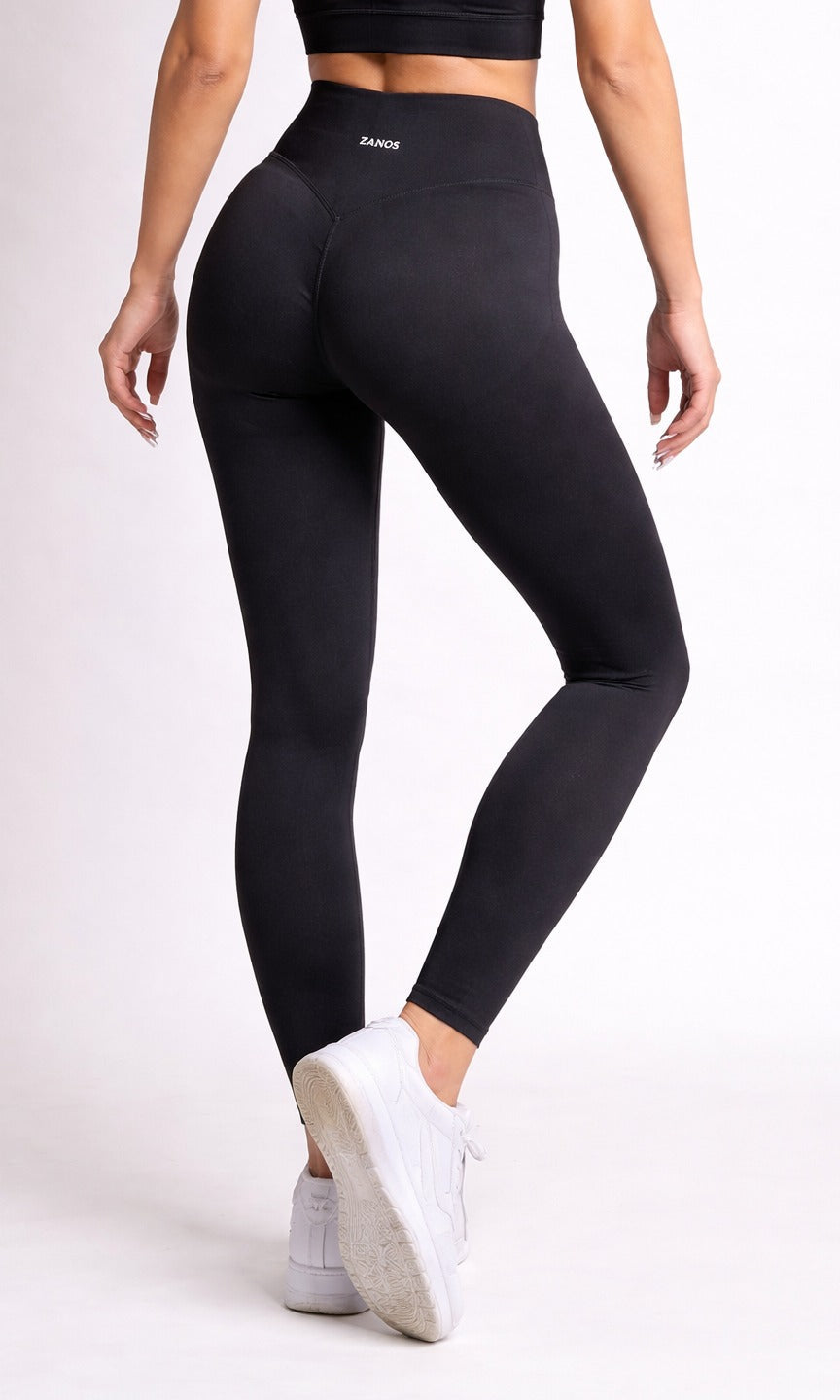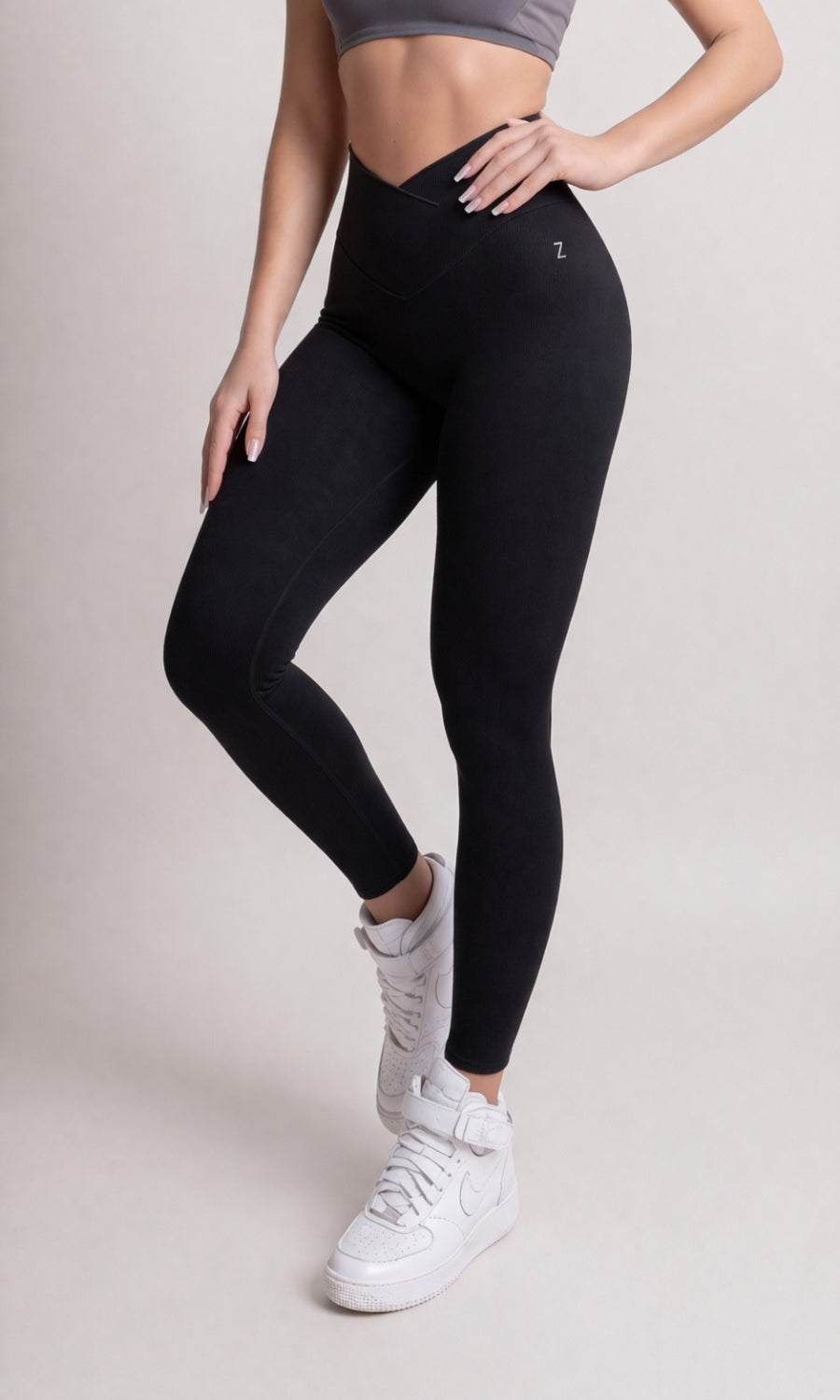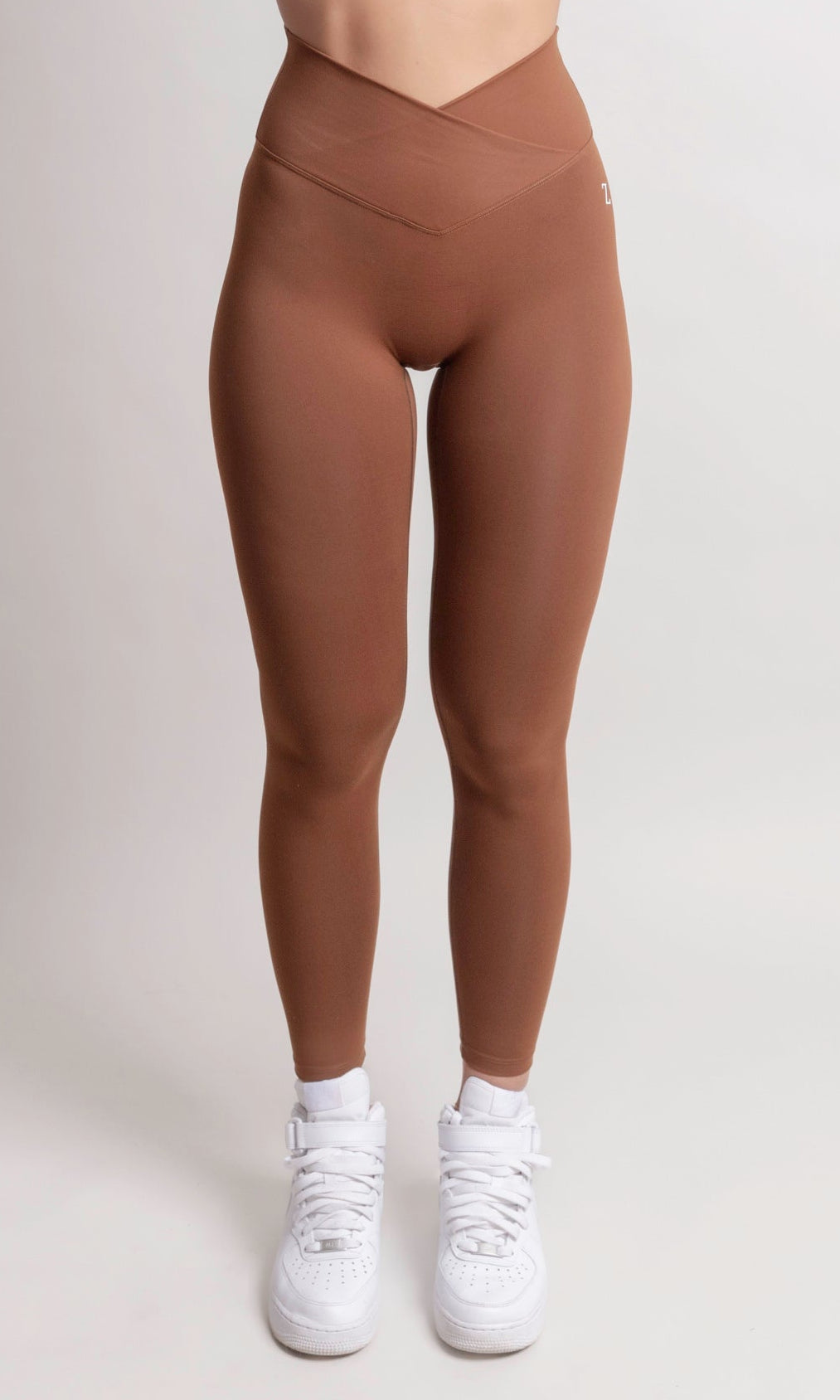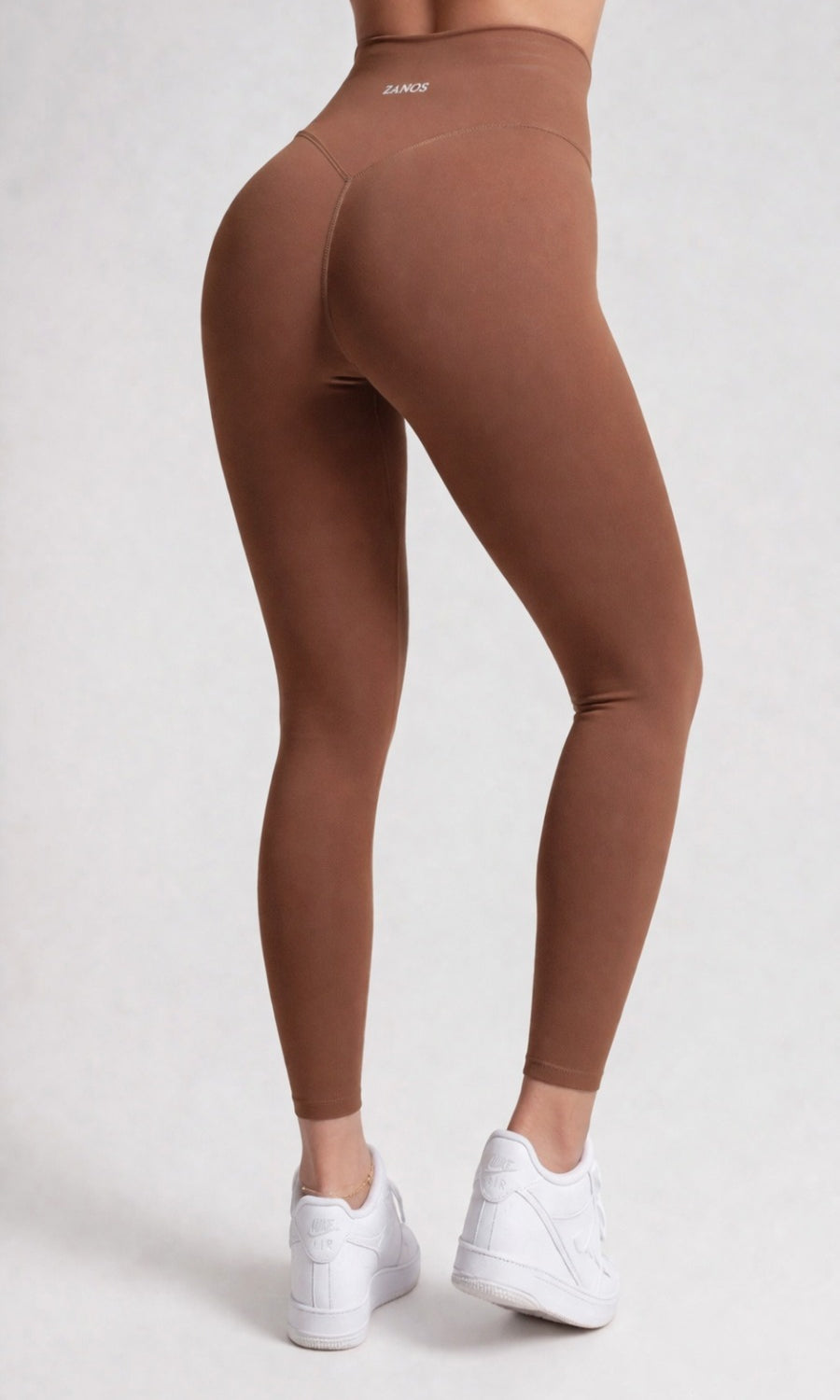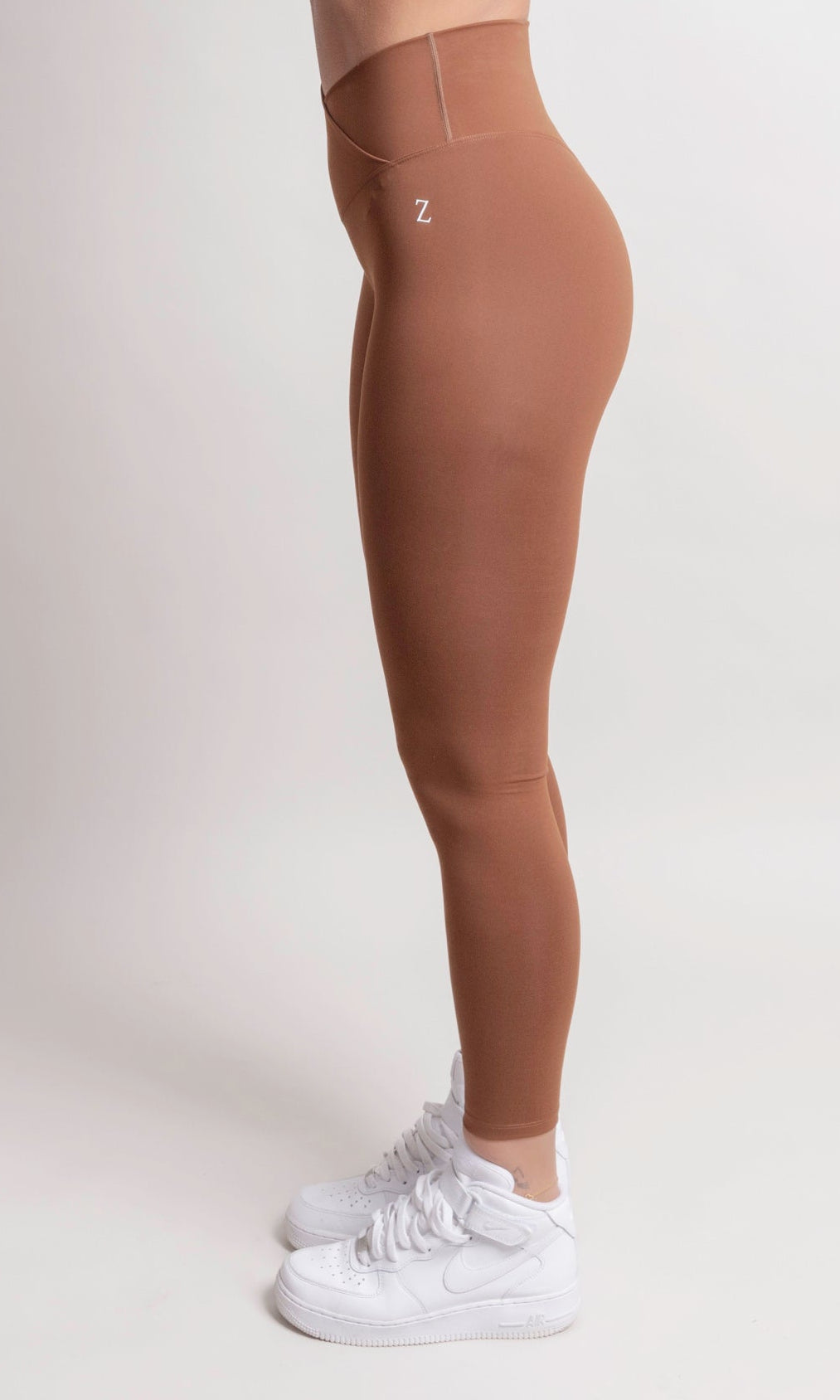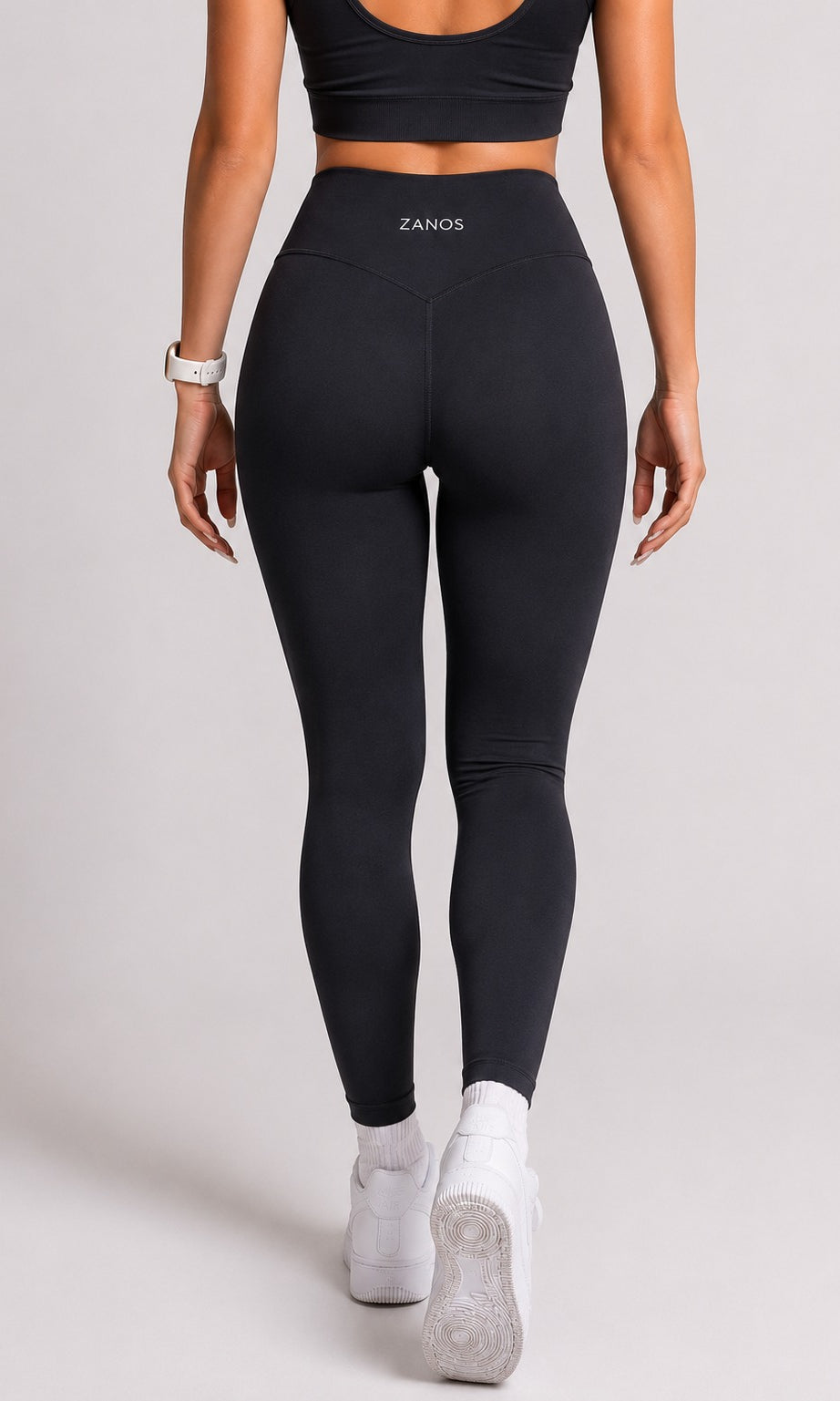
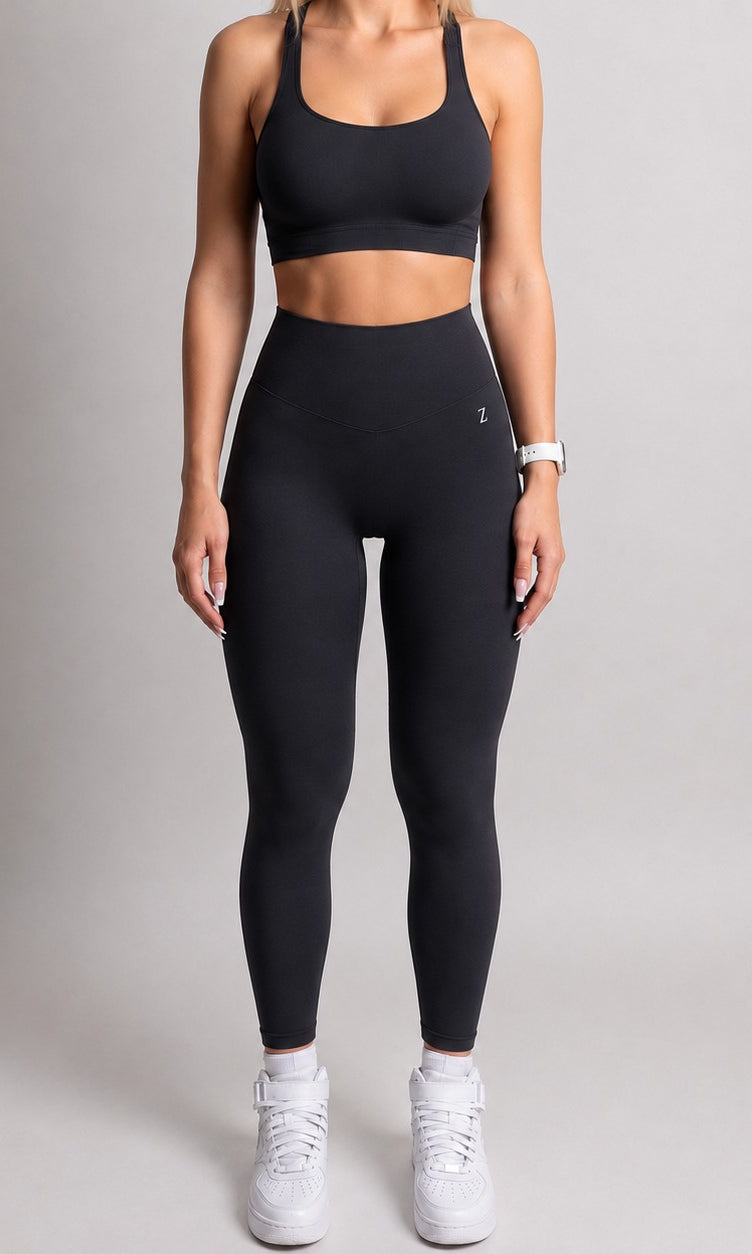
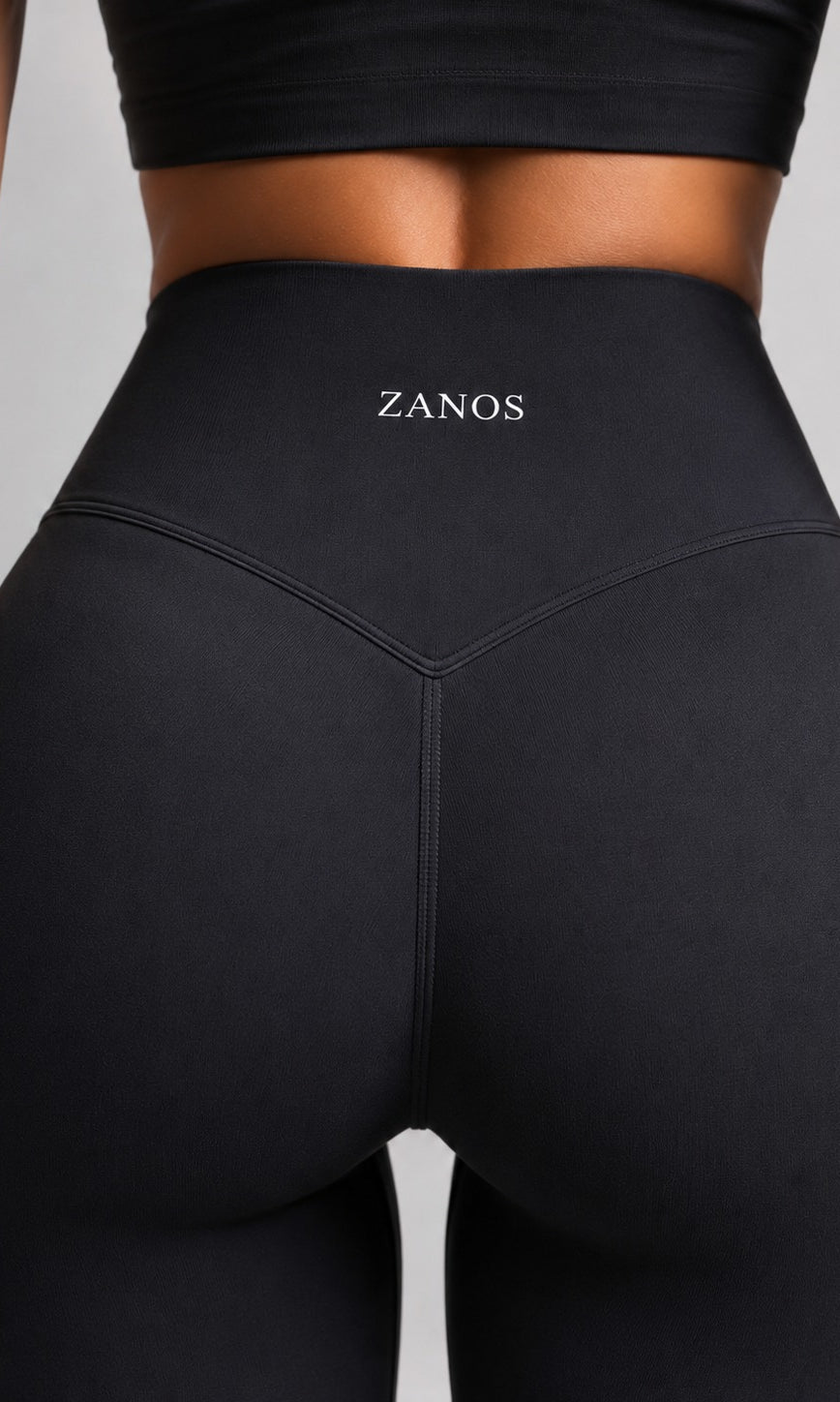
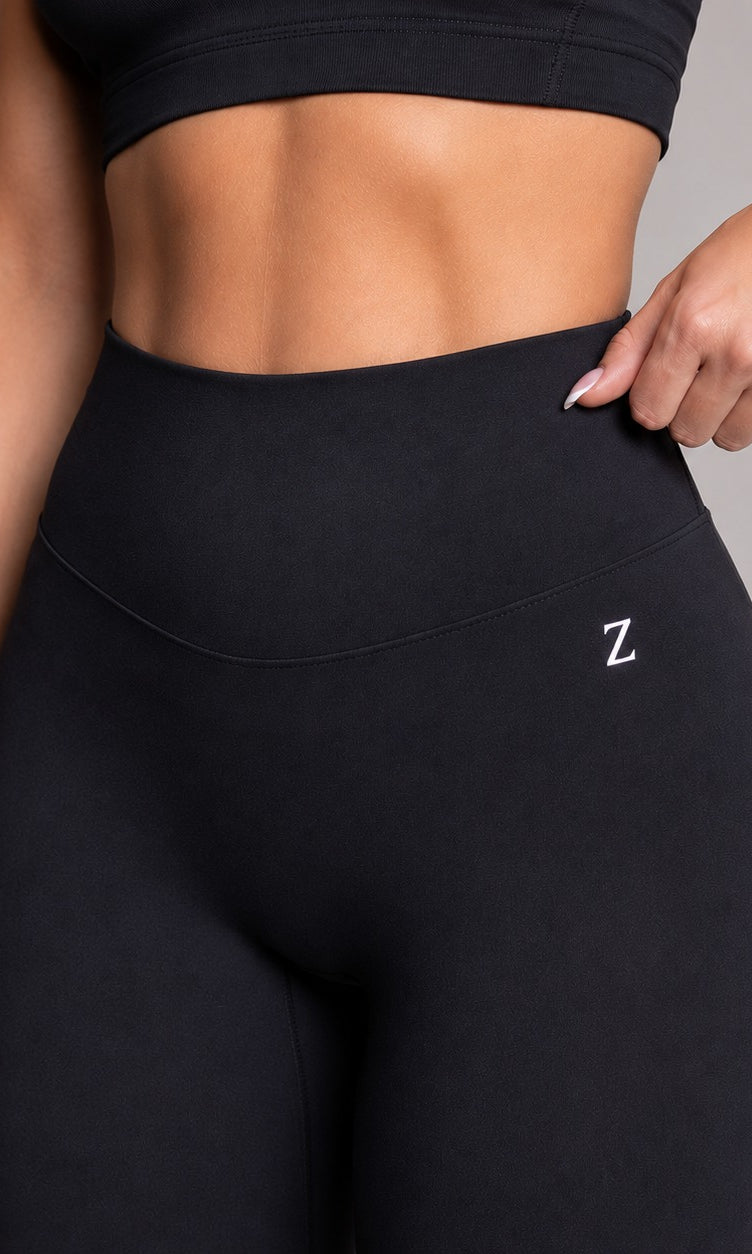
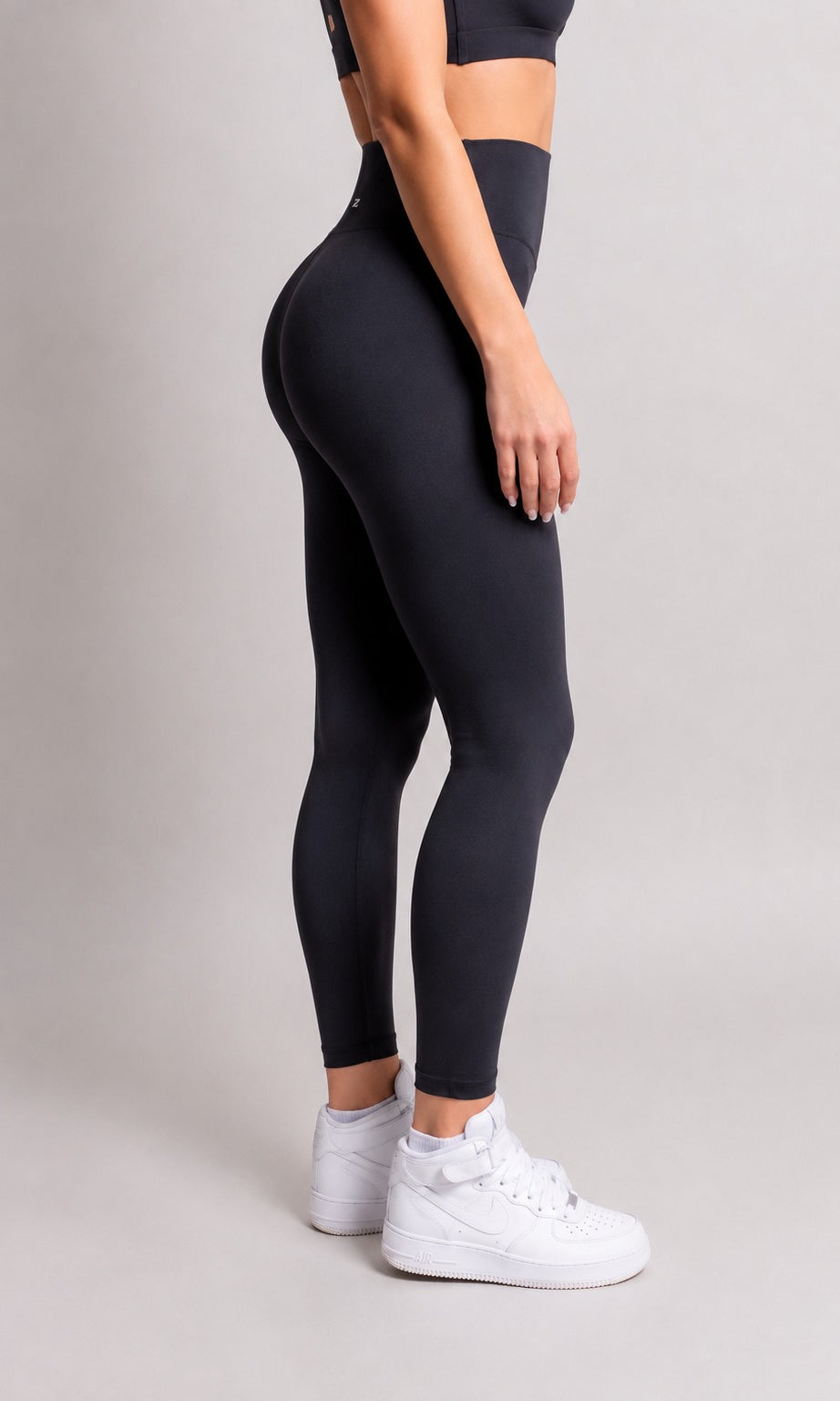
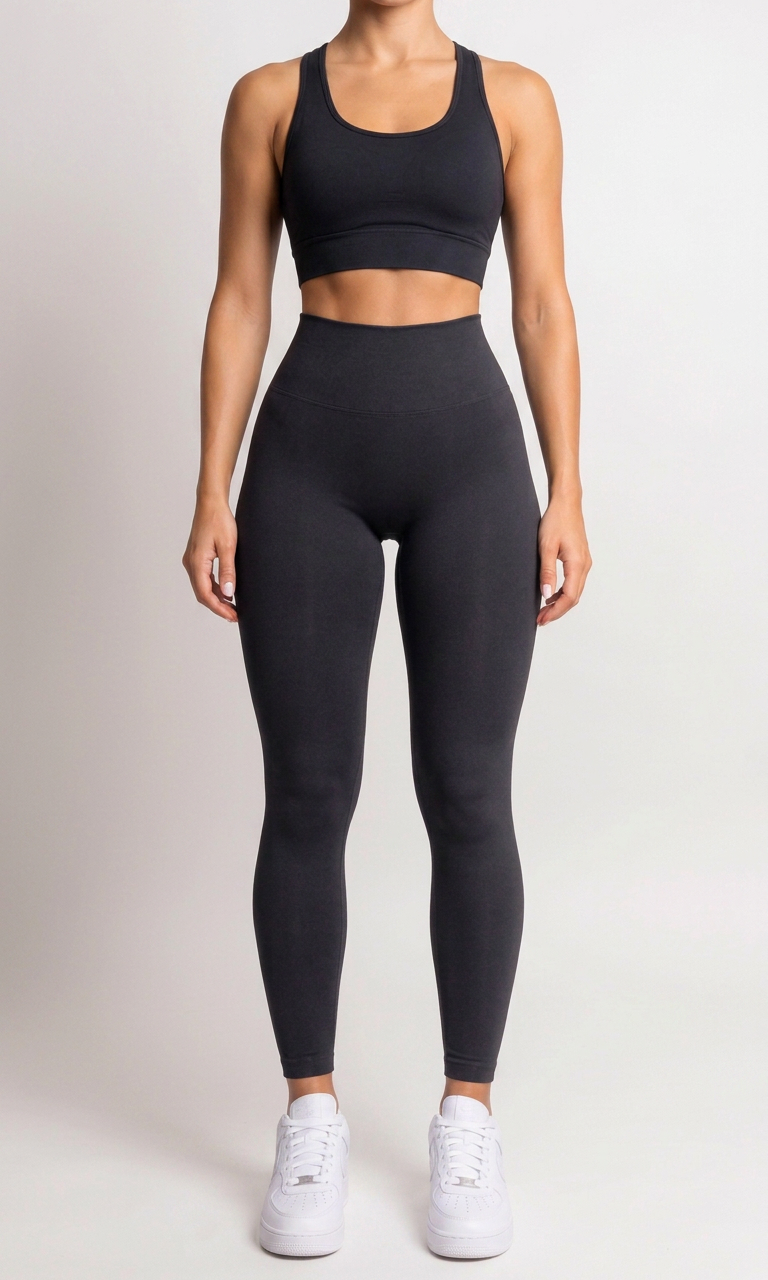
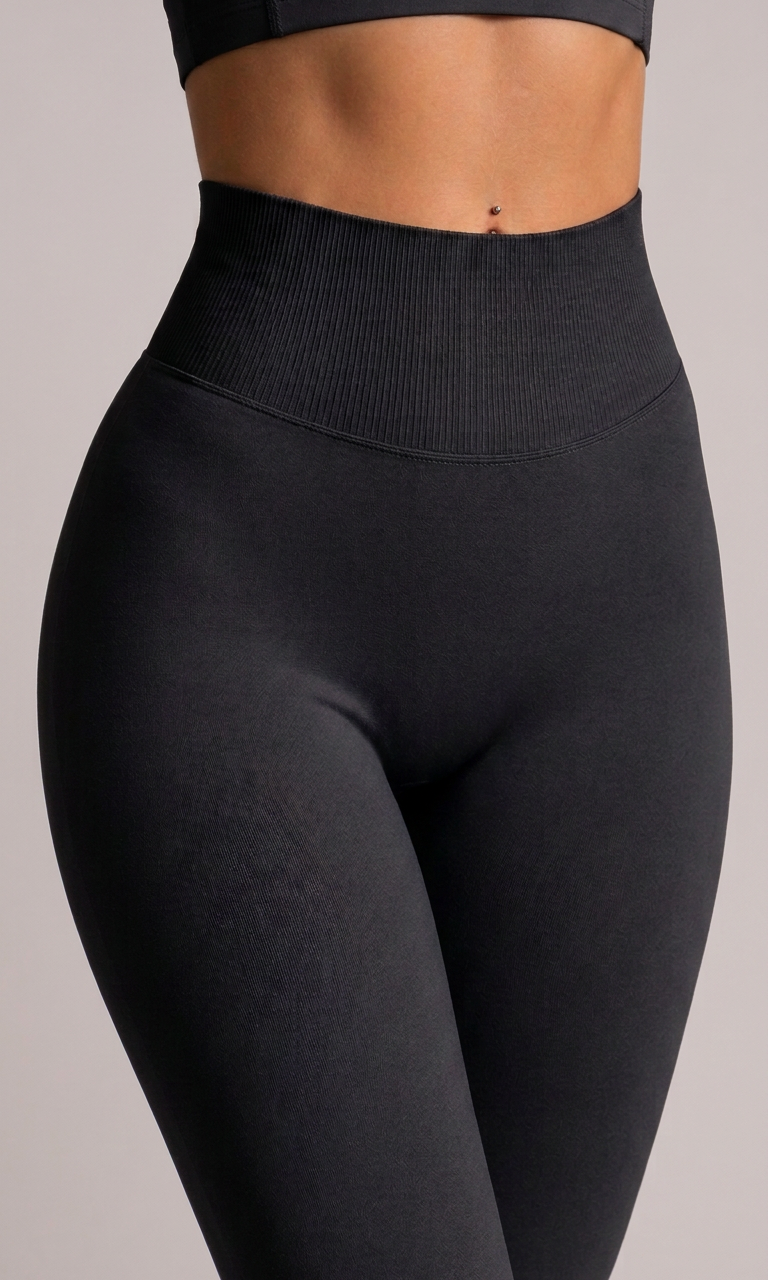
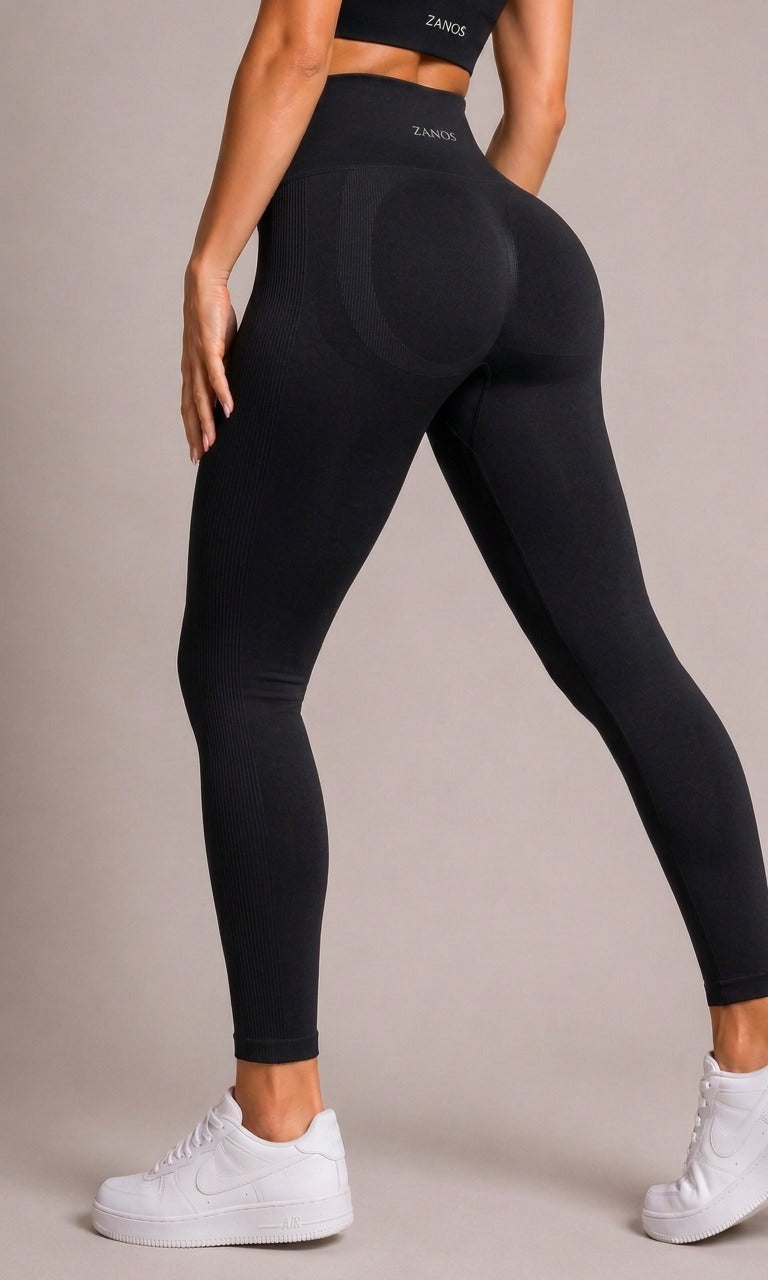
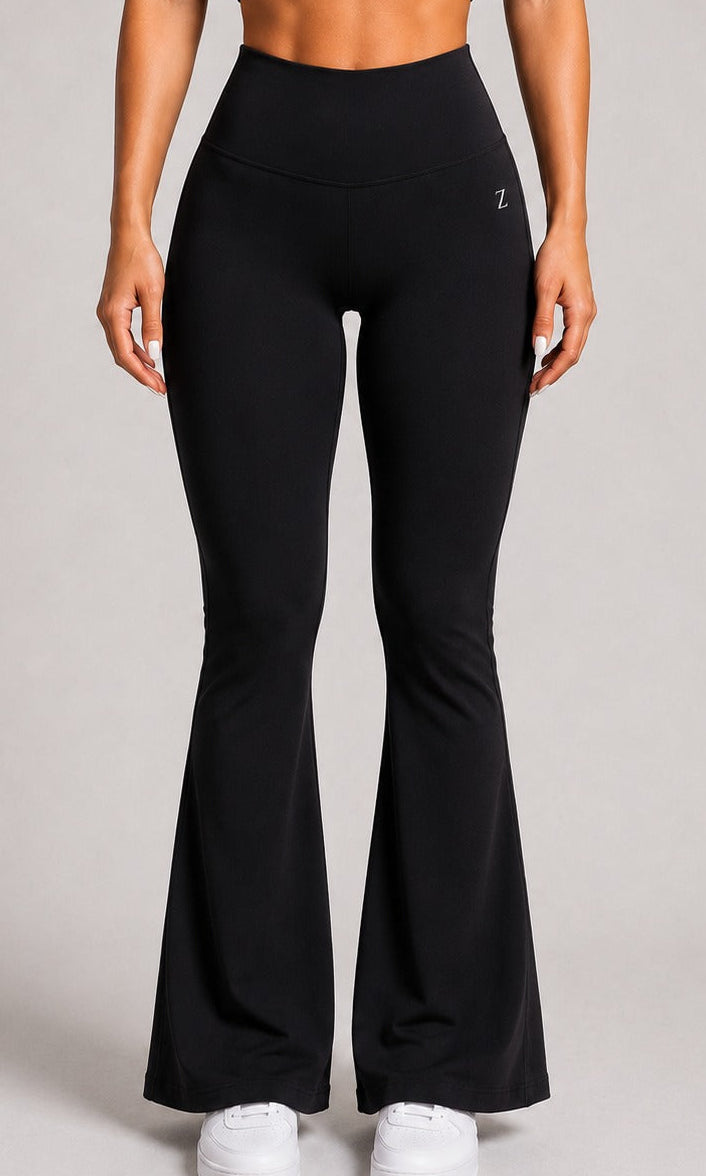
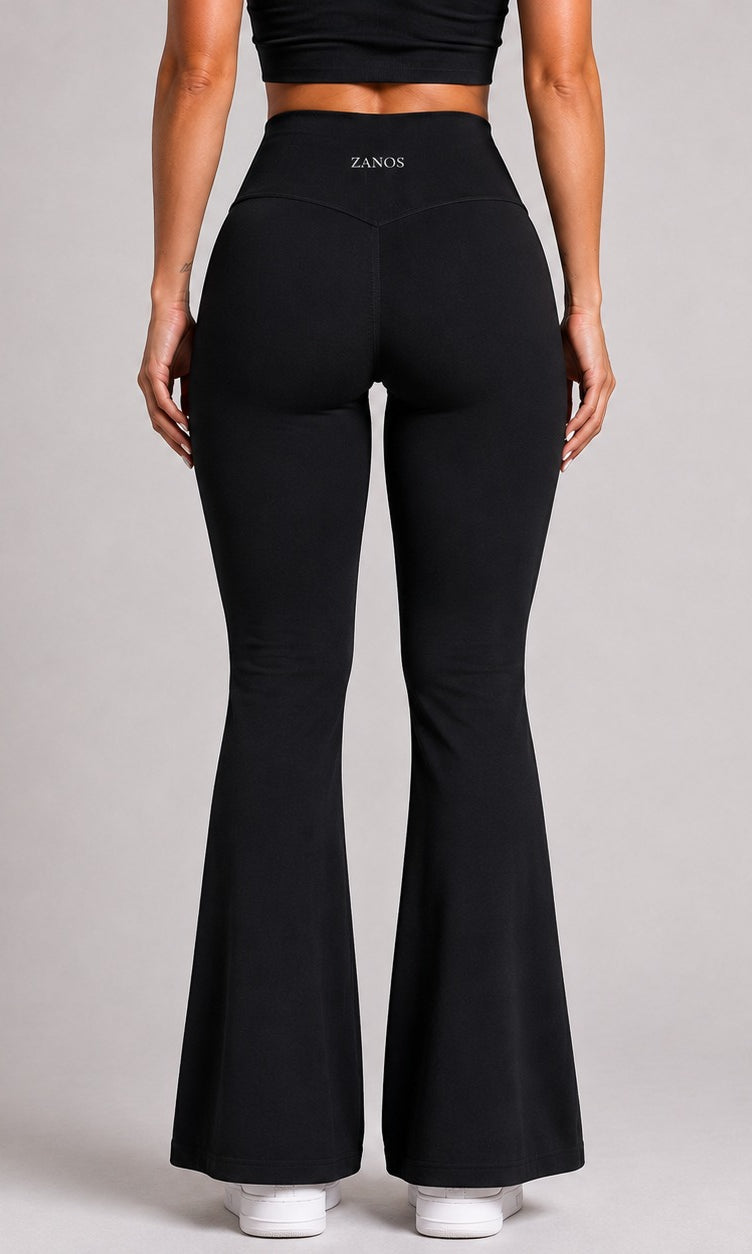
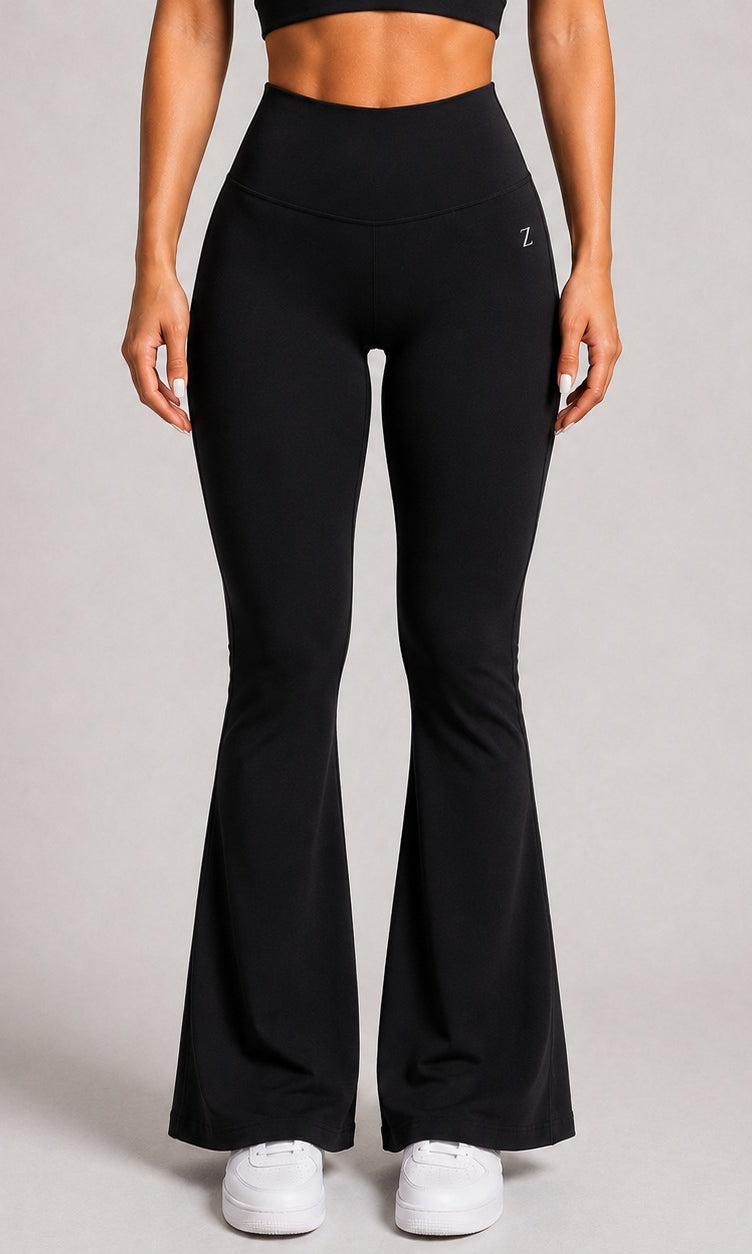
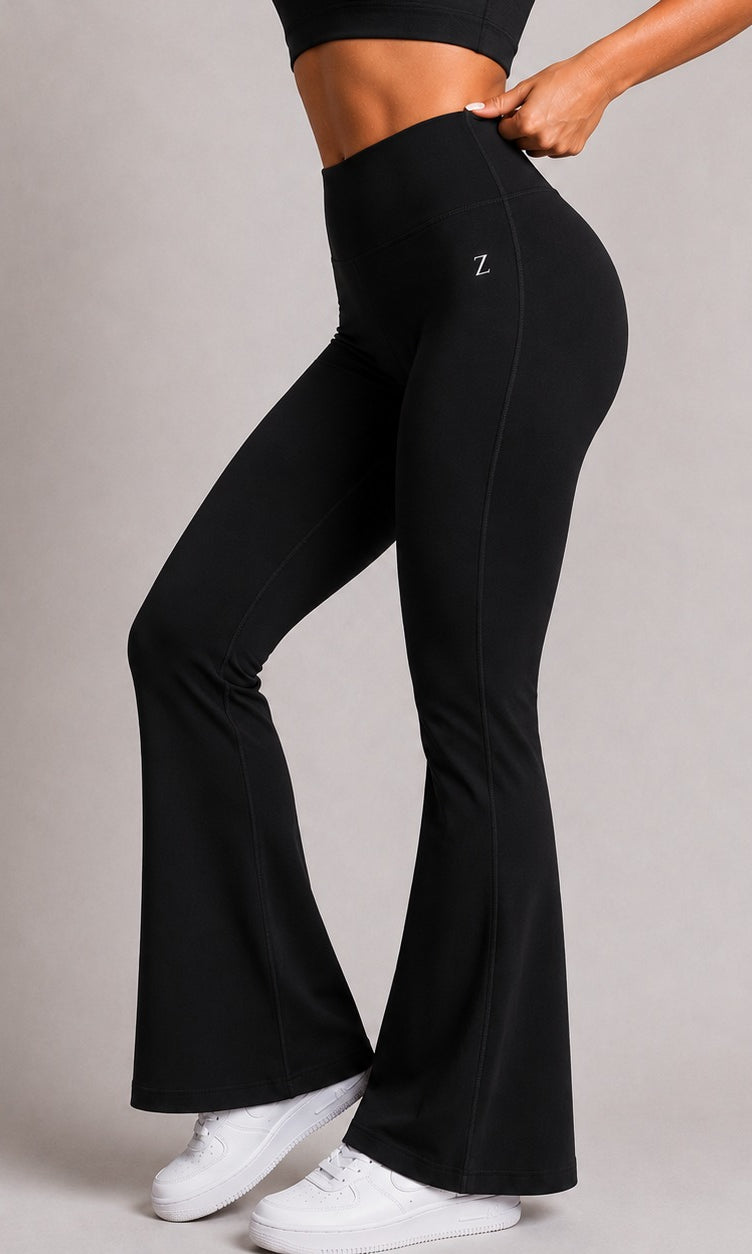
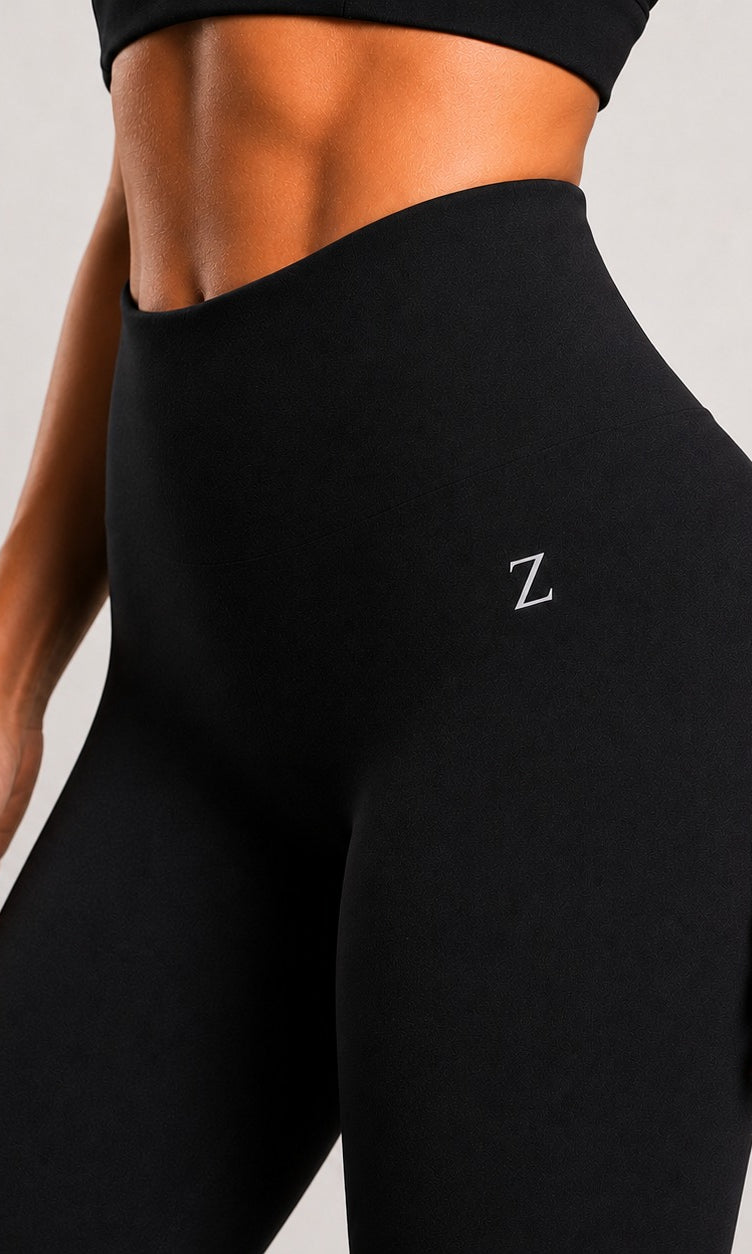
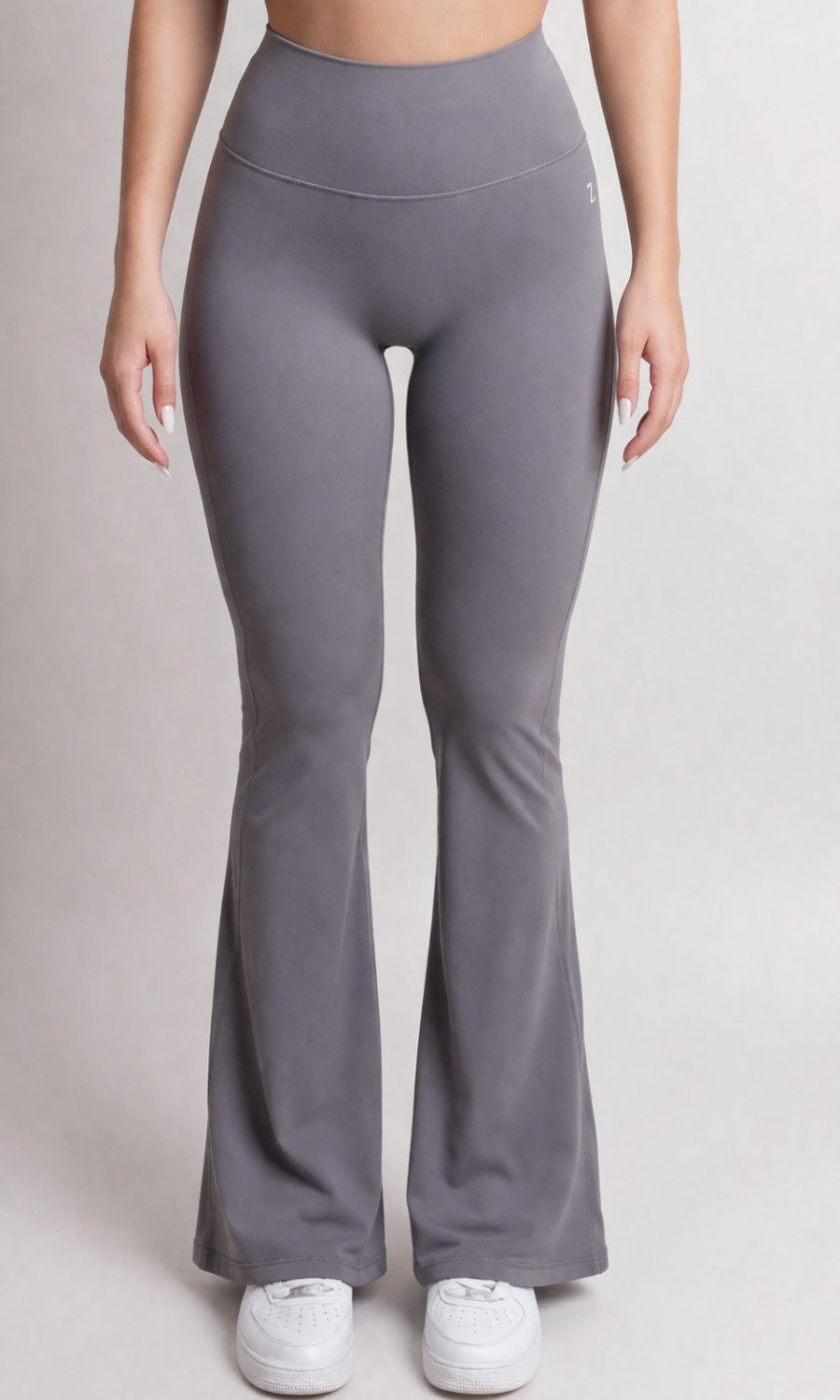
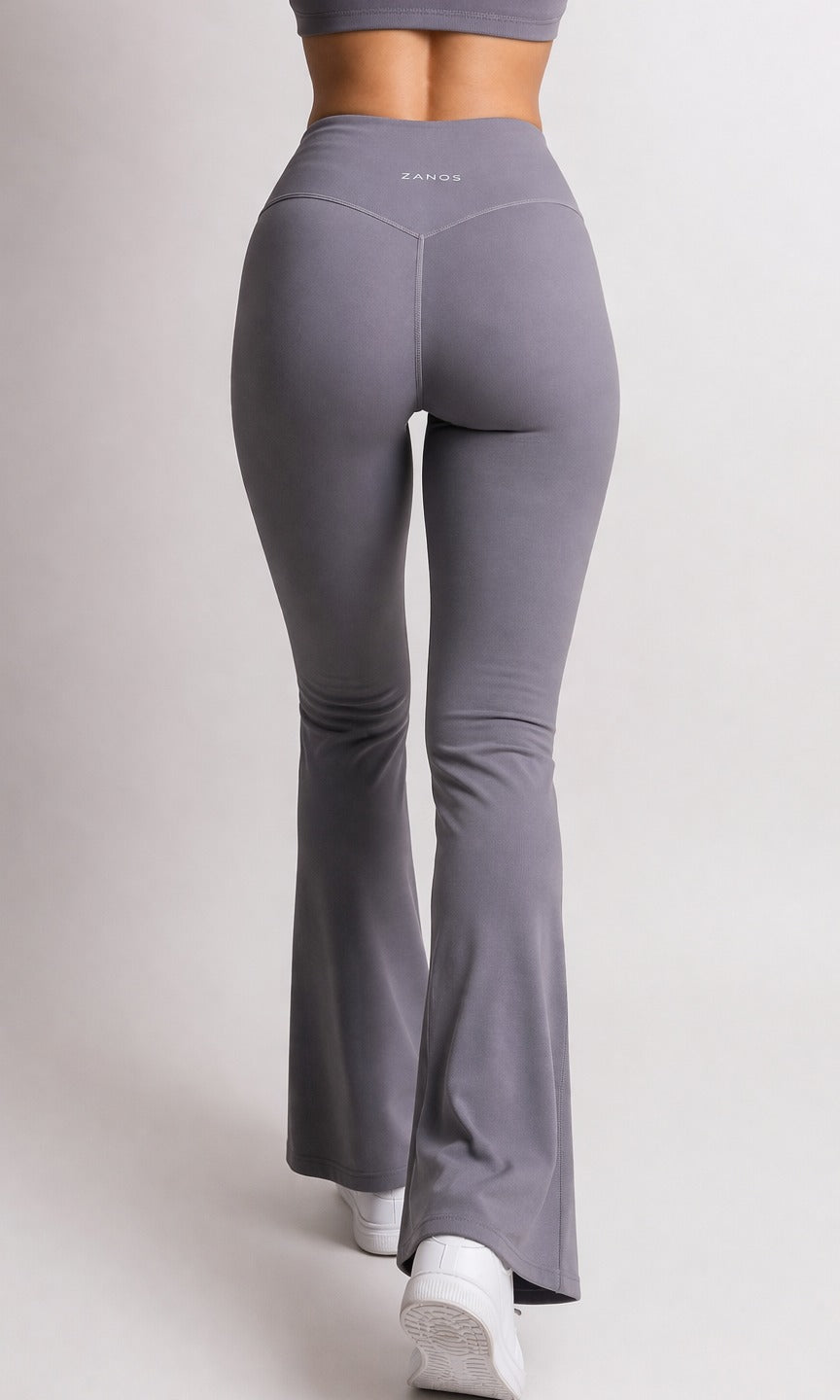
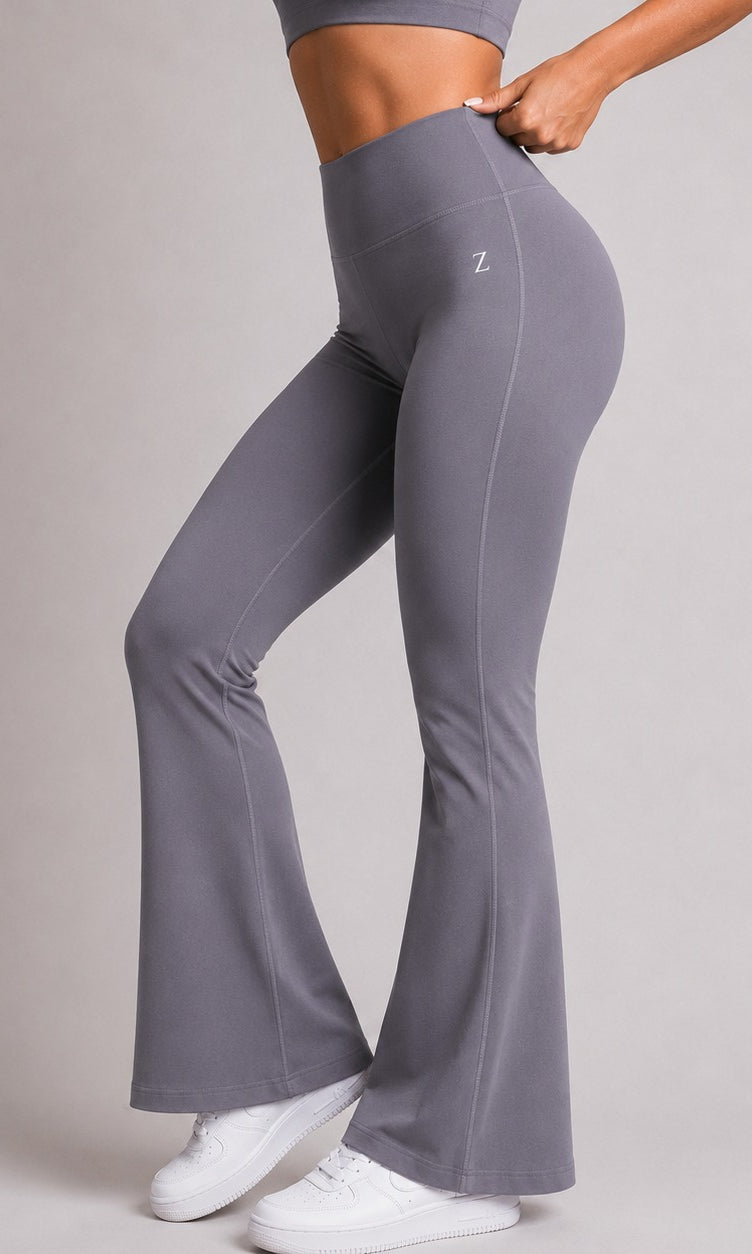
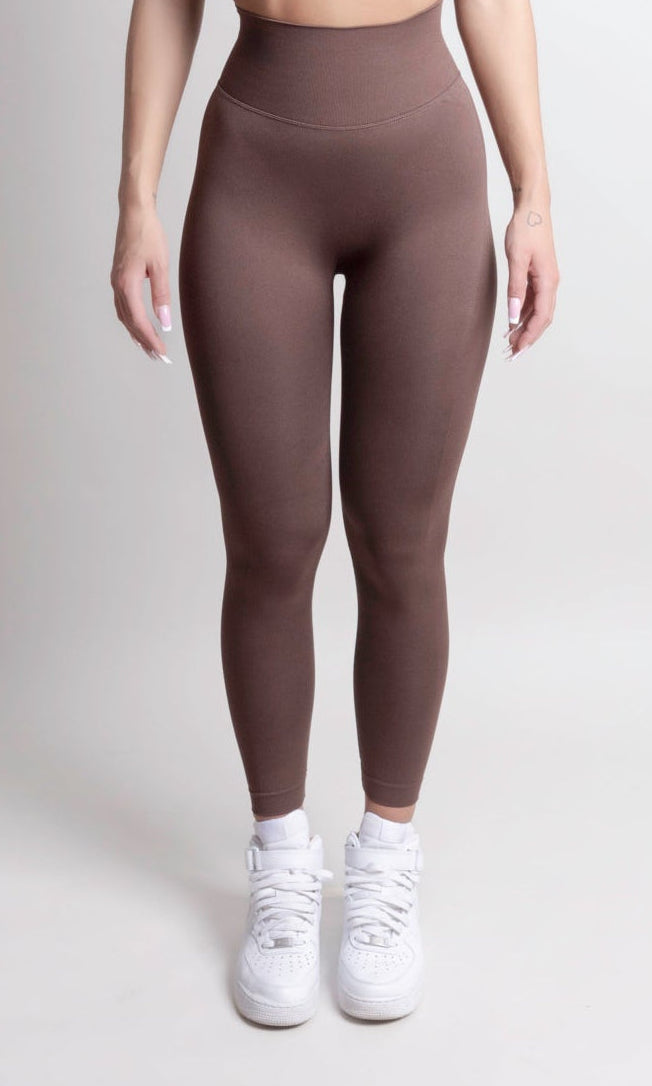
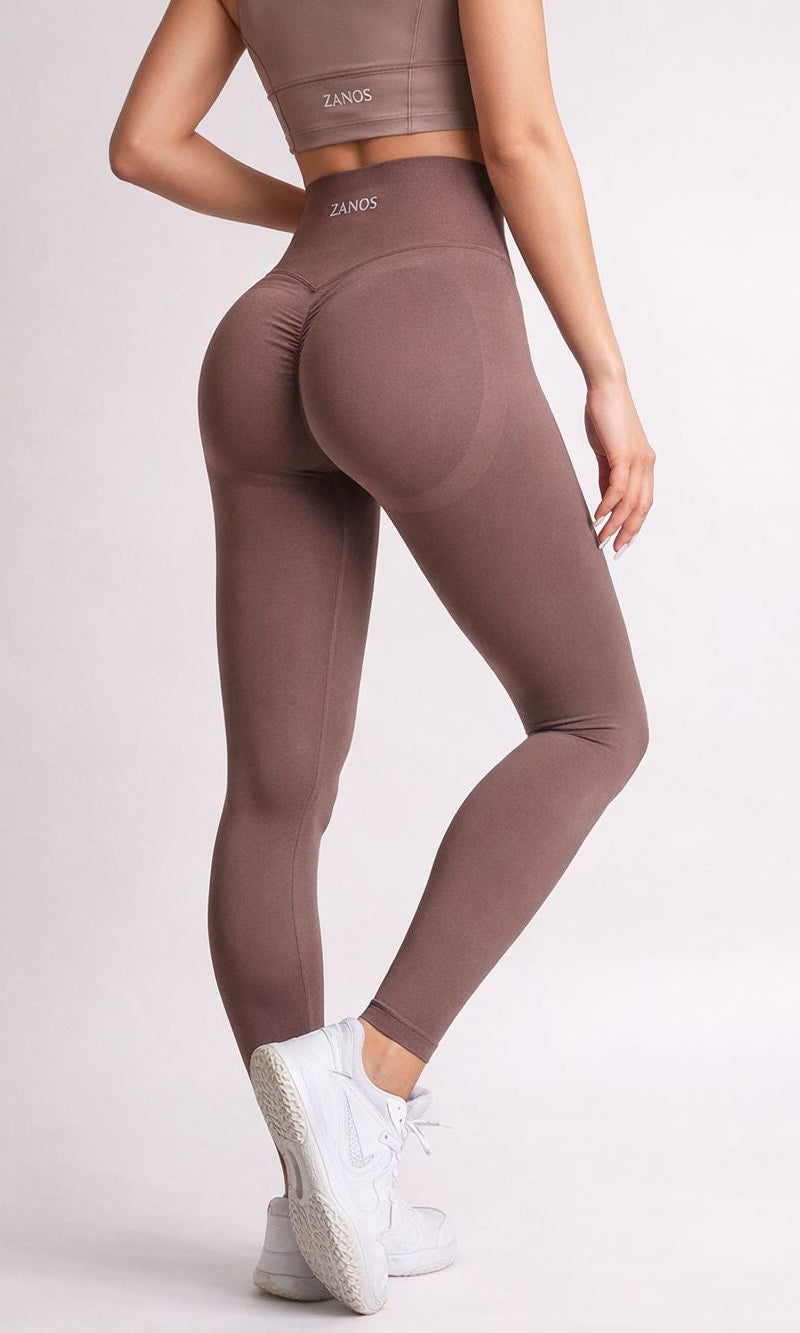
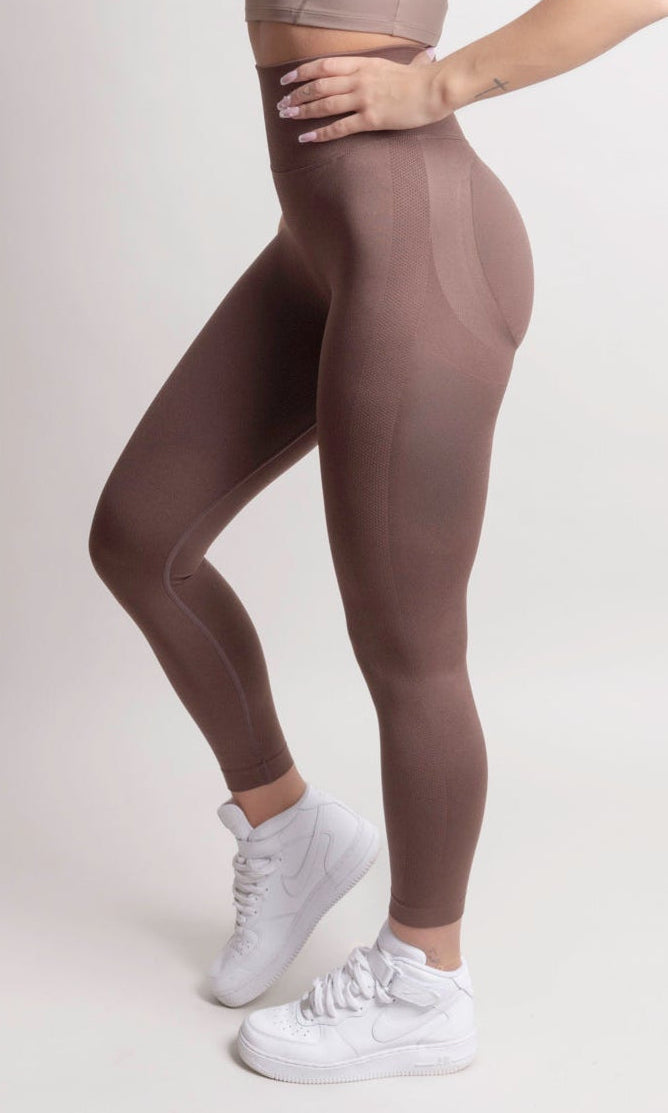
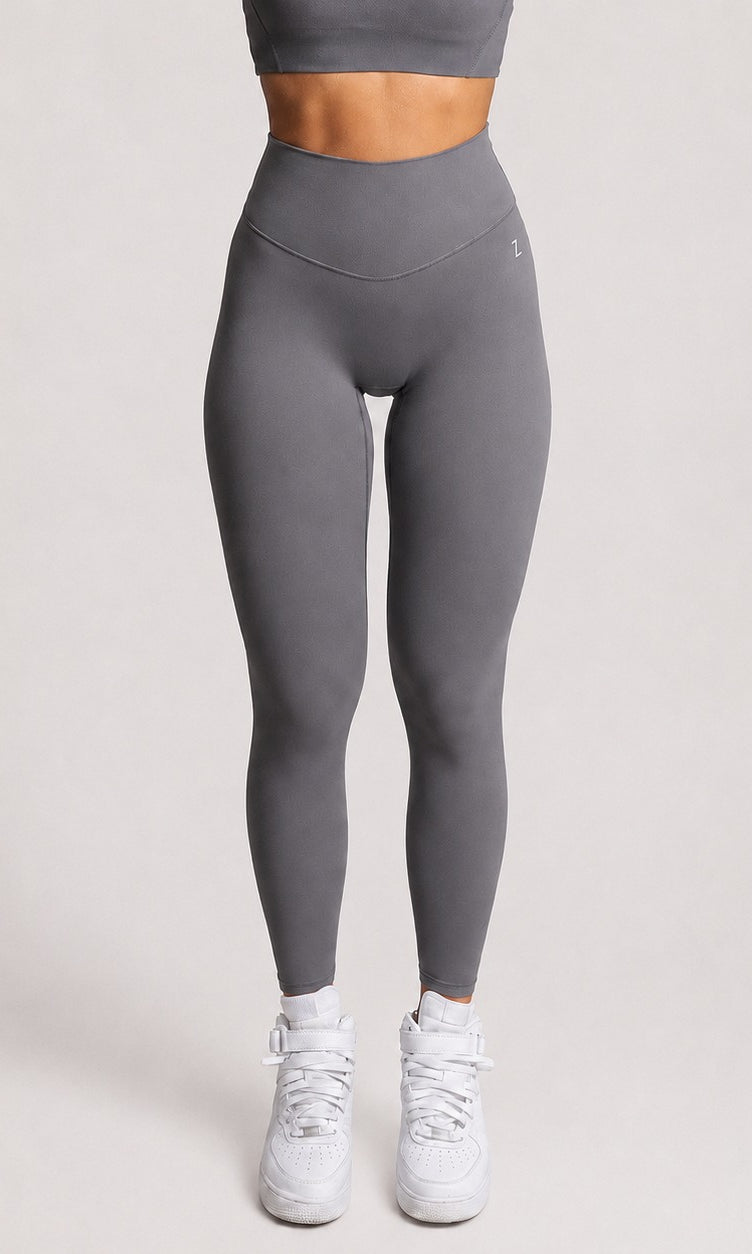
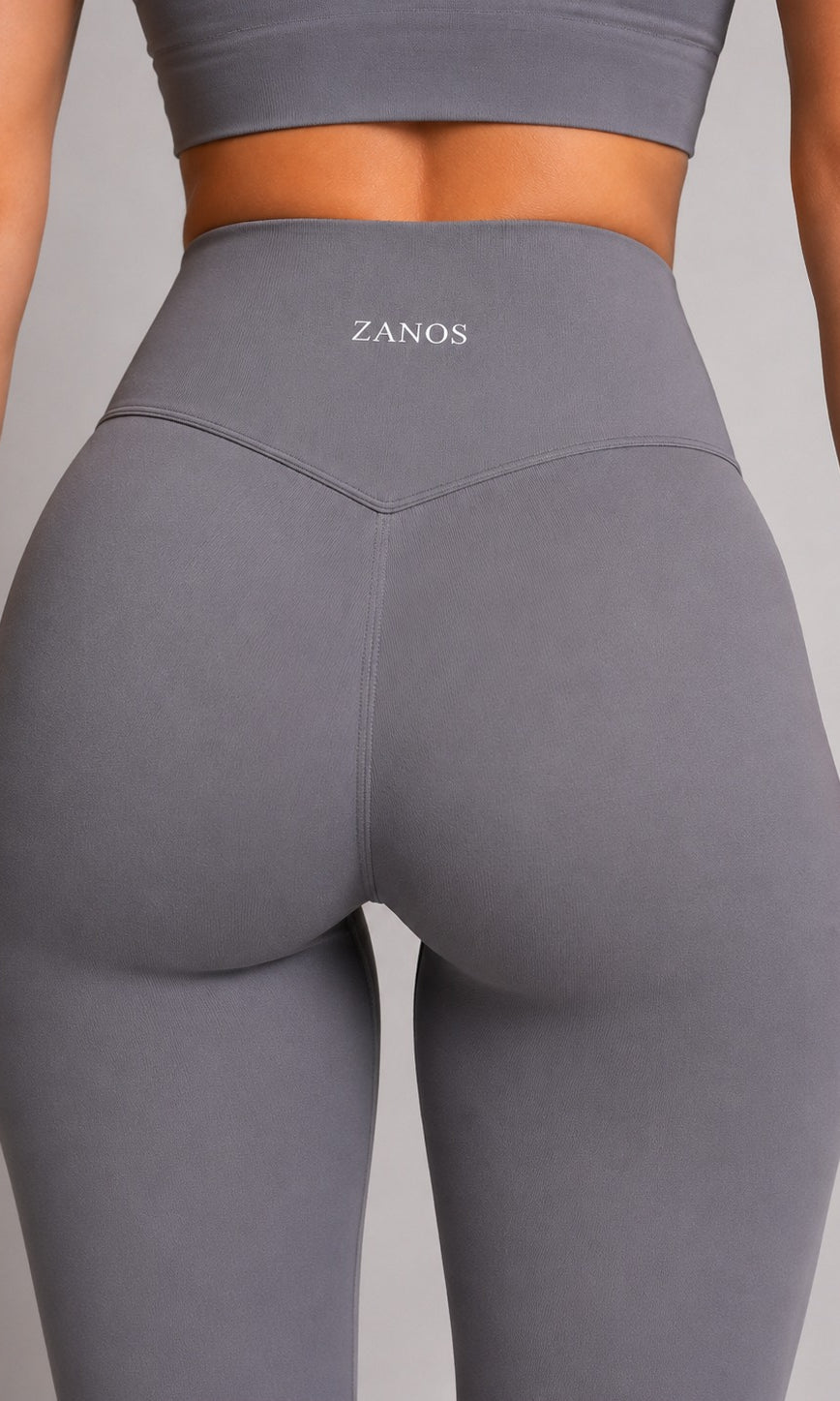
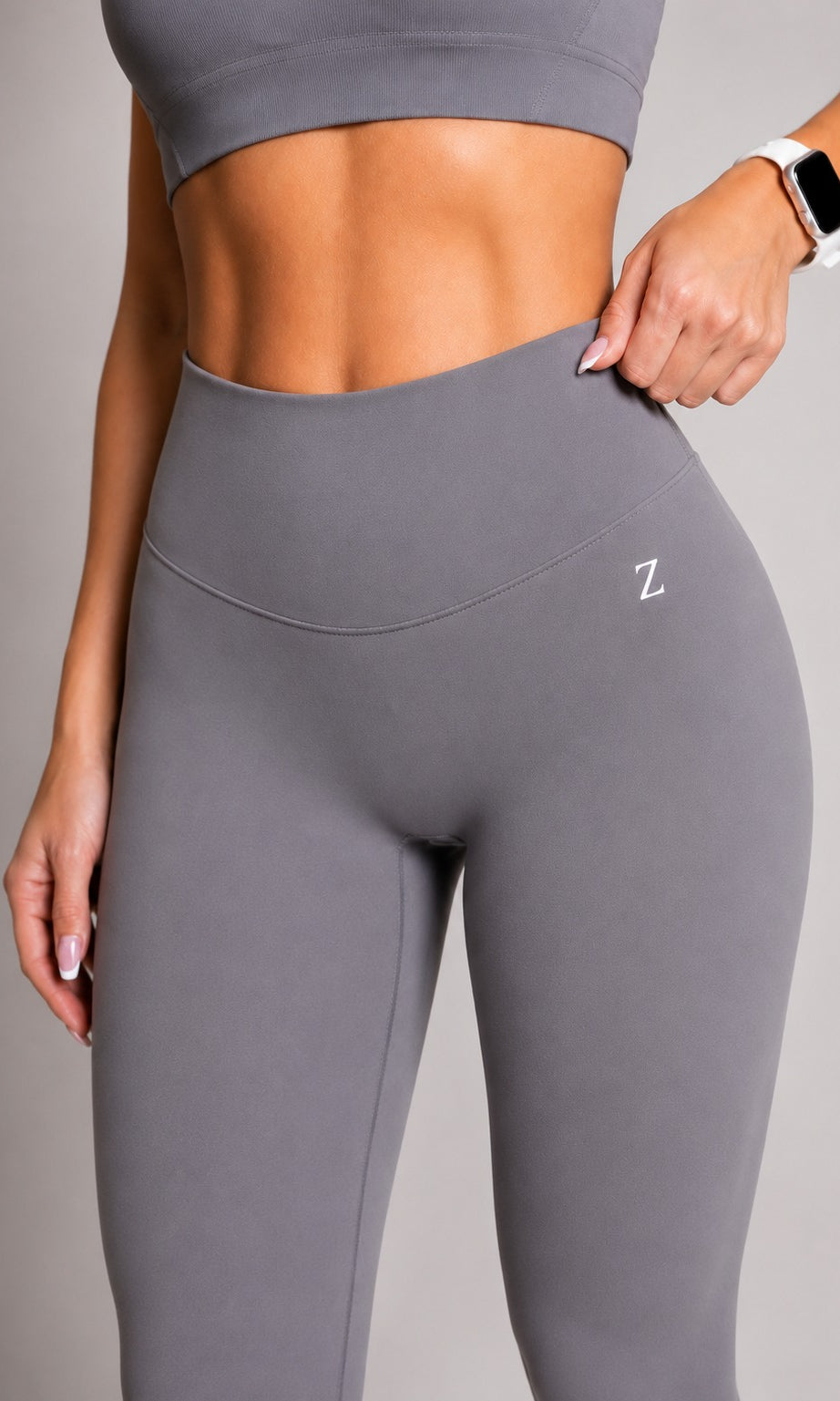
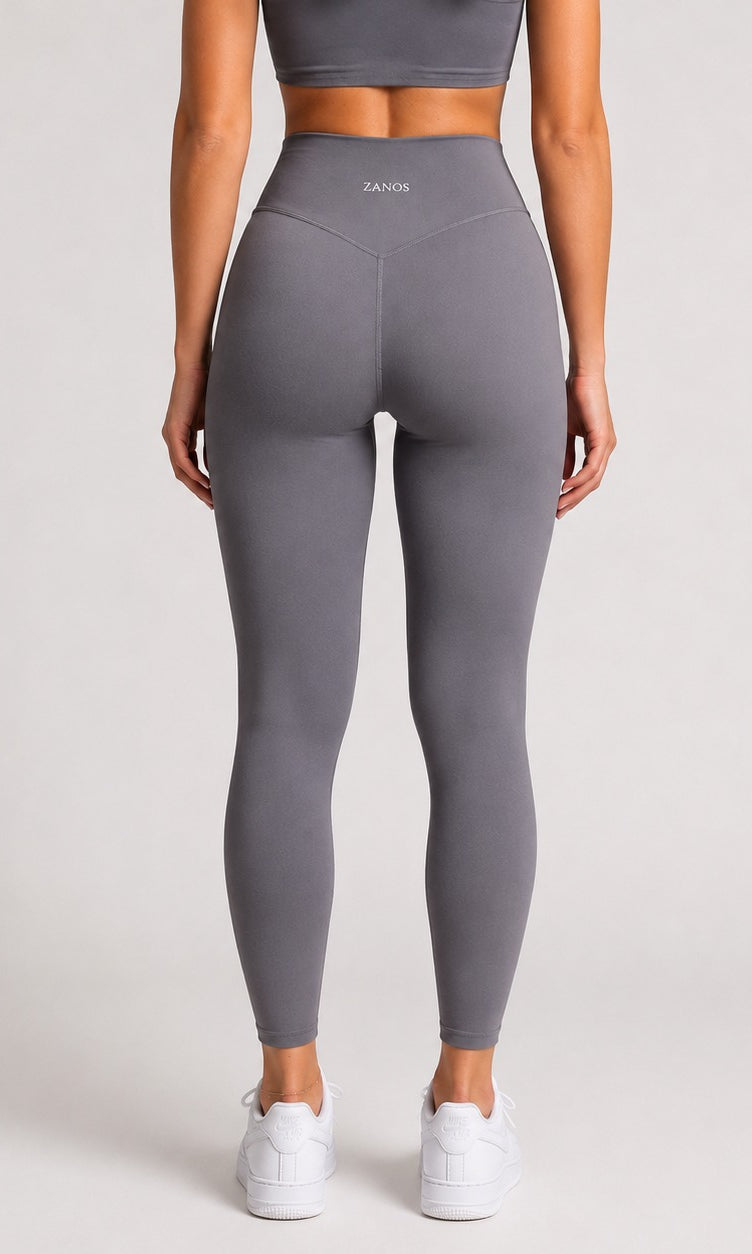
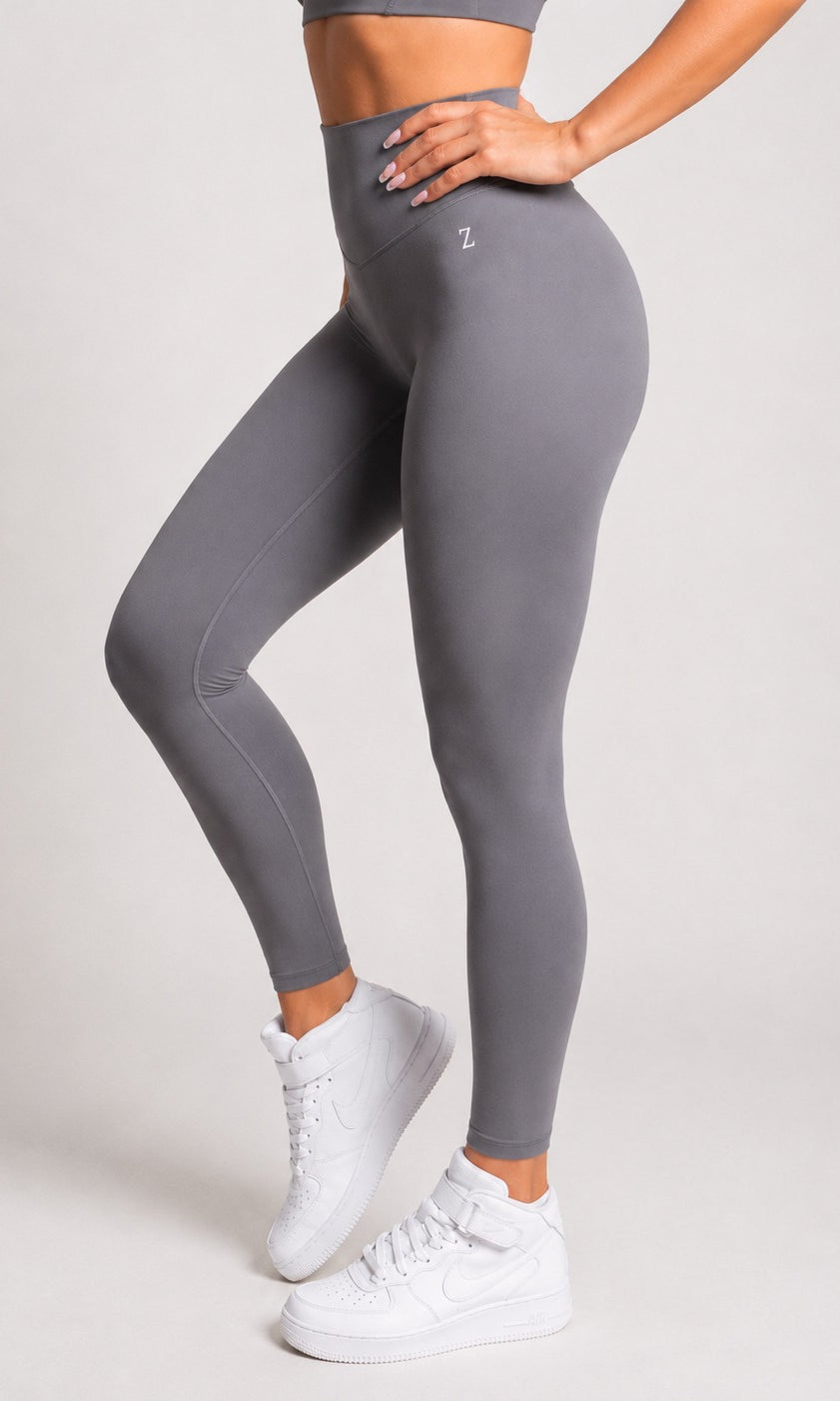
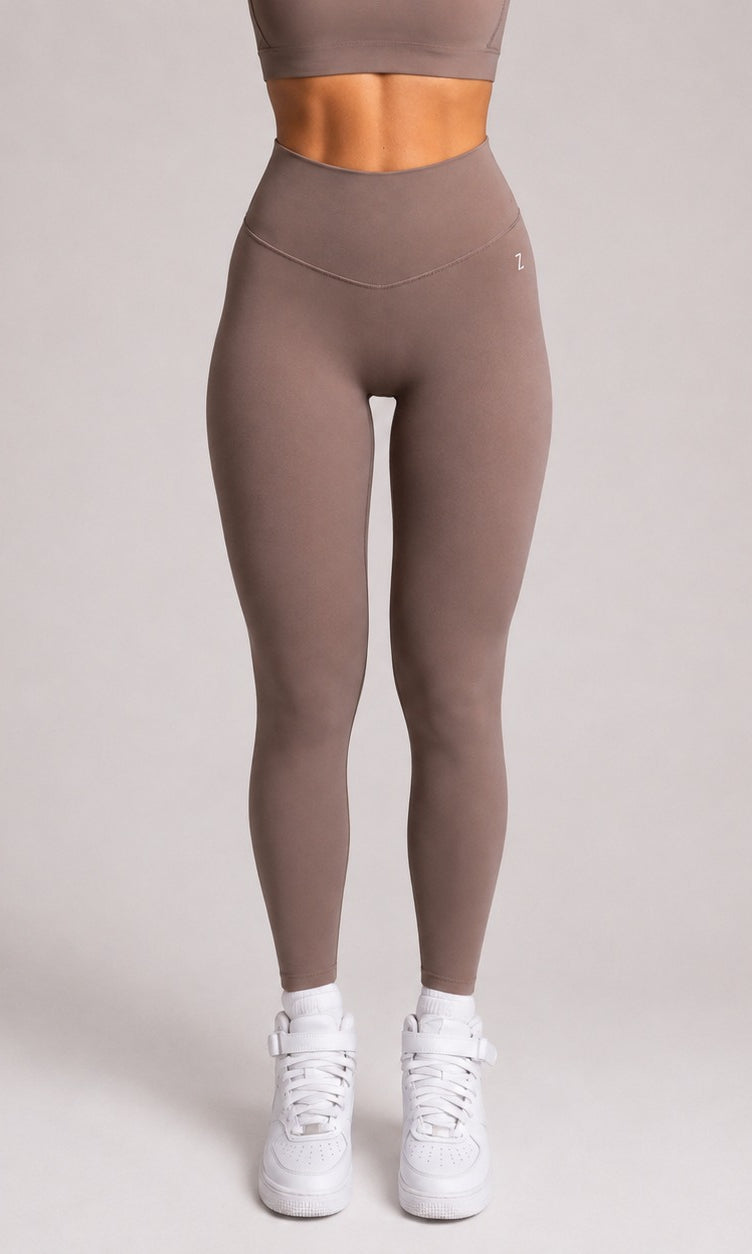
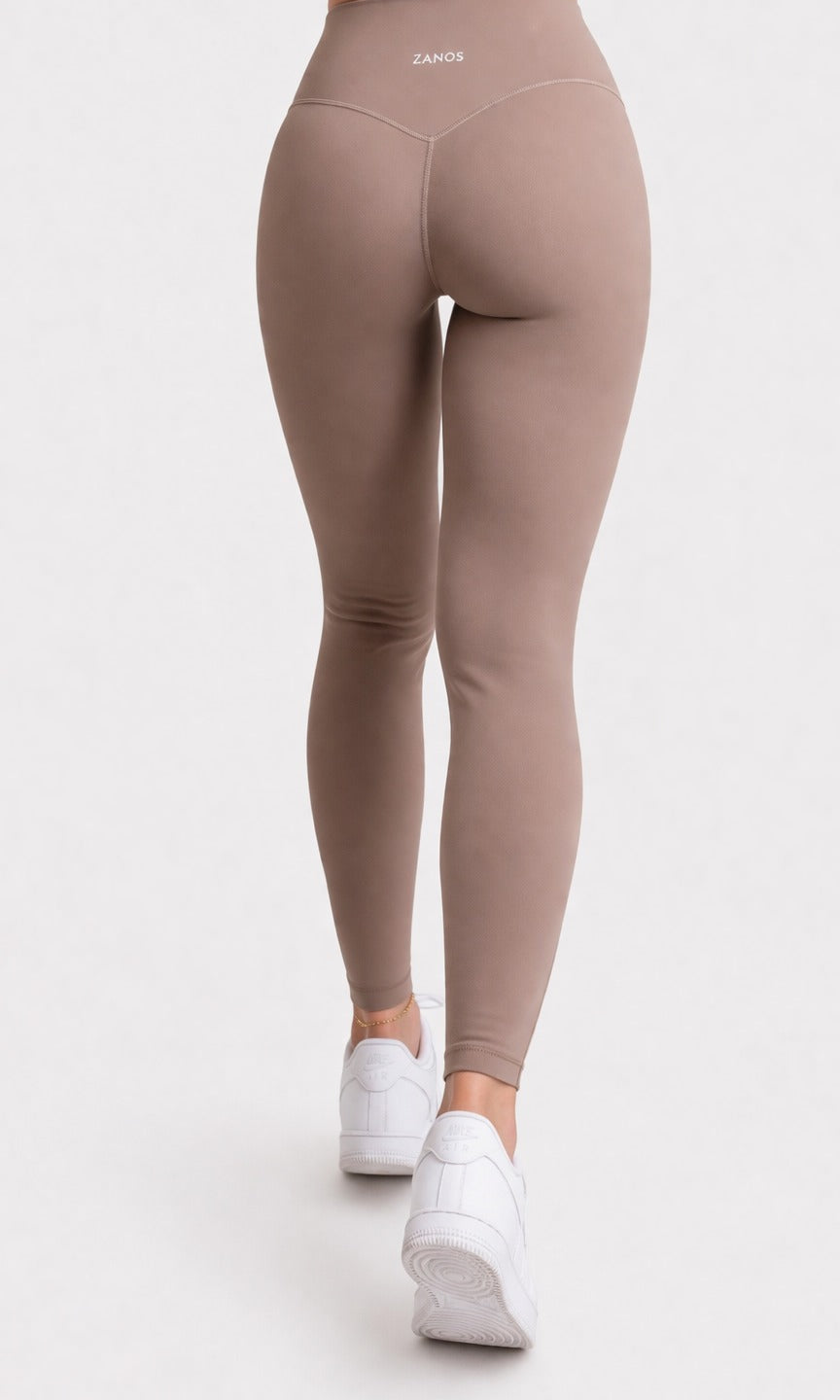
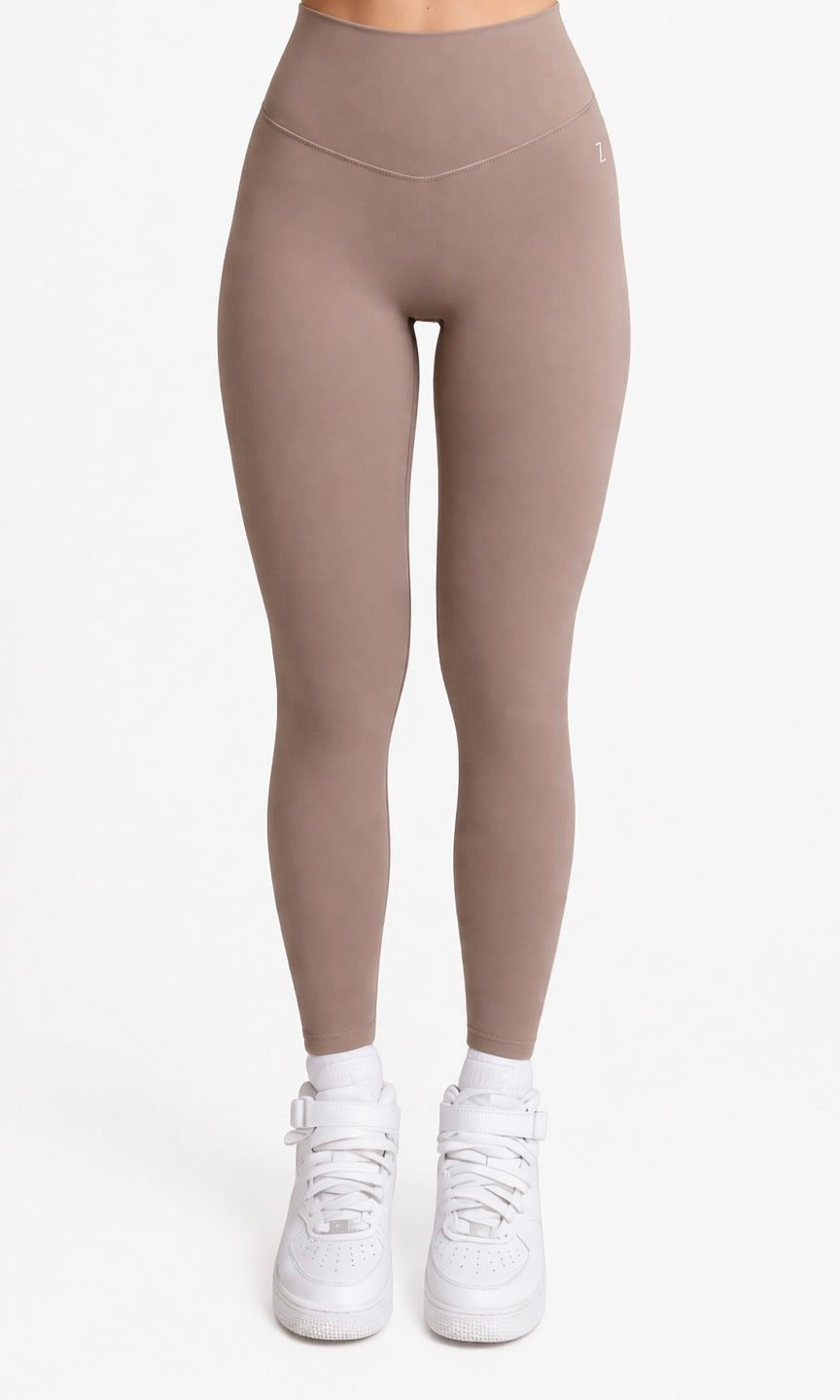
The best fabric for yoga tights is usually a well constructed nylon or polyester blend combined with elastane. Nylon blends generally feel softer and smoother, polyester blends often dry faster and resist daily wear well, while elastane provides the stretch and recovery needed for unrestricted movement.
The fibre label alone does not determine whether a pair of yoga leggings will perform well. Fabric density, knitting structure, stretch direction, recovery, finish and garment construction are equally important.
A pair containing the “right” fibres can still become loose, transparent or uncomfortable if the material is poorly constructed. A lower listed elastane percentage can also outperform a higher one when the complete fabric has better density and recovery.
What this guide covers
This guide explains how nylon, polyester and elastane affect yoga tights, why four way stretch matters, what makes leggings feel soft and how fabric construction influences breathability, coverage and long term shape retention.
Readers looking for a broader buying guide can read How to Choose Yoga Tights. For current colours, styles and sizes, explore the ZANOS Yoga Tights Women collection.

What fabric is best for yoga tights?
A nylon and elastane blend is often the best choice when softness and smooth movement are the main priorities. A polyester and elastane blend can be better when faster drying, durability and repeated training use matter more.
There is no single fibre that performs every function perfectly. Yoga tights need softness, stretch, coverage, recovery and enough structural stability to remain in position throughout the session.
The best fabric therefore combines several qualities rather than relying on one impressive term on the label.
For slower yoga, Pilates and longer everyday wear, many people prefer the softer hand feel commonly associated with nylon blends. For warmer, faster or more demanding sessions, polyester blends may feel more practical because they often manage moisture efficiently and dry relatively quickly.
Elastane supports both options by allowing the material to extend and return towards its original shape.
Is nylon good for yoga leggings?
Yes. Nylon is one of the strongest choices for soft yoga leggings because it can create a smooth, flexible surface that feels comfortable against the skin.
This is particularly useful during floor work, seated positions and longer sessions where the material remains in close contact with the body.
Nylon blends can feel refined without becoming heavy. They are frequently chosen for yoga tights designed to move between studio sessions, Pilates and everyday activewear.
The main advantage is not simply that nylon feels soft when touched. A good nylon blend should continue to feel smooth while stretching across the hips, knees and thighs.
However, nylon alone does not guarantee good leggings. The material still needs sufficient density, balanced stretch and reliable recovery. A very soft fabric with weak recovery can begin to loosen around the knees or waist.
Choose nylon based yoga tights when you prioritise:
- A smooth feeling against the skin
- Softness during longer wear
- Controlled flexibility
- Yoga, Pilates and everyday movement
Is polyester good for yoga tights?
Yes. Polyester is a practical material for yoga tights when durability, moisture management and efficient drying are important.
Polyester fibres absorb relatively little moisture compared with many natural fibres. Instead, moisture can move across the material surface and evaporate, depending on how the fabric has been engineered and finished.
That can make polyester blends suitable for hot yoga, power yoga and sessions where body temperature rises more quickly.
Polyester can also retain colour well and withstand repeated use. This makes it practical for activewear that is worn and washed frequently.
The possible disadvantage is feel. Some polyester fabrics can feel firmer or less smooth than nylon based alternatives. This is not true of every polyester fabric because the finish, yarn and knit structure strongly influence the final result.
Choose polyester based yoga leggings when you prioritise faster drying, durability and more dynamic movement.
What does elastane do in yoga tights?
Elastane gives yoga tights the ability to stretch and recover after movement.
It is also known as spandex or Lycra, although Lycra is a trademarked brand name rather than the generic fibre name.
Elastane helps the fabric extend during lunges, forward folds, twists and seated positions. More importantly, it helps the garment return towards its original shape when the movement ends.
Without sufficient recovery, leggings can begin to feel loose around the knees, waist or seat. The garment may still stretch, but stretch without recovery creates an unstable fit.
A high elastane percentage does not automatically mean higher quality. Too much resistance can make the material feel rigid or create excessive pressure if the overall construction is not balanced.
The useful question is therefore not only “How much elastane does this contain?” It is also “Does the complete fabric stretch smoothly and return to shape?”
How much elastane should yoga tights contain?
There is no universal ideal percentage because the correct amount depends on the yarn, fabric density, knit and intended level of support.
Many activewear fabrics combine a dominant base fibre with a smaller proportion of elastane. Even a relatively modest elastane content can create considerable stretch when the fabric is engineered correctly.
A lower percentage does not automatically mean poor stretch, and a higher percentage does not guarantee better recovery.
When comparing labels, use the elastane percentage as one clue rather than a final quality score.
The more useful tests are practical:
Does the fabric stretch without becoming thin? Does it return to shape? Does the waistband remain stable? Does the material still feel comfortable during deep movement?
Those answers tell you more than the percentage alone.
What is four way stretch?
Four way stretch means that the fabric can extend both horizontally and vertically.
Yoga requires movement across several directions at once. The hips open, the knees bend, the torso rotates and the back of the legs lengthens.
A fabric that stretches mainly across the body may feel comfortable while standing but resist movement during deeper folds or lunges. Four way stretch allows the material to respond more evenly as the body changes position.
The term does not automatically describe quality. A four way stretch fabric can still perform poorly if it has weak recovery, low density or an unstable waistband.
The best four way stretch yoga tights extend smoothly, maintain coverage and recover when the body returns to a neutral position.
Is softer fabric always better?
No. Softness improves comfort, but an extremely soft fabric is not automatically more supportive, durable or stable.
Softness describes how the material feels against the skin. It does not tell you how well the fabric holds its shape after repeated wear.
A fabric can feel exceptionally soft at first and begin to loosen after several movements. Another material may feel slightly firmer but offer stronger recovery and more reliable waistband stability.
The best yoga tights balance softness with structure.
For restorative yoga, Pilates and everyday wear, a softer material may feel ideal. During faster sessions or mixed gym training, slightly firmer recovery can feel more secure.
Do not evaluate fabric only while touching it with your hand. Stretch it, release it and observe whether it returns smoothly without remaining distorted.
Which fabric is most breathable?
Breathability depends on the complete fabric construction, not only whether the label says nylon or polyester.
Fibre type matters, but yarn structure, fabric thickness, knit density and finishing also affect airflow and moisture movement.
A dense nylon fabric may feel warmer than a lighter polyester knit. A carefully engineered nylon blend may still feel more comfortable than a thick or poorly ventilated polyester alternative.
For hot yoga or high temperature sessions, look for a lighter fabric that dries efficiently and does not feel heavy as moisture increases.
For slower yoga or everyday wear, a slightly denser material can provide a softer feeling and more reassuring coverage.
Breathability and coverage must therefore be balanced. The lightest material is not always the most dependable.
What makes yoga tights squat proof?
Squat proof coverage comes primarily from fabric density, colour, correct sizing and how far the material is being stretched.
The fibre name alone cannot guarantee opacity.
A dense nylon blend can provide strong coverage, while a thin nylon fabric may become transparent. The same principle applies to polyester.
Dark colours can appear more opaque, but they do not compensate for weak fabric construction or an incorrect size.
Tights that are too small place excessive tension across the hips and seat. As the material stretches further, the spaces within the fabric structure can become more visible.
This means a high quality fabric can still provide poor coverage when worn in the wrong size.
Reliable yoga tights should remain sufficiently opaque during forward folds, lunges and other positions that place tension across the material. For sizing support, compare your measurements with the ZANOS Size Guide.
Is seamless fabric better for yoga?
Seamless construction can improve comfort by reducing the number of traditional stitched panels, but the word seamless does not describe the fabric quality by itself.
A seamless pair can still be made from nylon, polyester or a blend of both with elastane.
The benefit is mainly construction. Fewer conventional seams can reduce friction and create a smoother feeling during stretching, floor work and seated movement.
However, a seamless design still needs sufficient density, recovery and waistband stability. Poorly constructed seamless leggings can become loose, roll at the waist or provide limited coverage.
A traditional panelled garment can also perform extremely well when the seams are correctly placed and the fabric has strong mechanical properties.
The best choice is the one where fabric and construction work together.

What fabric is best for hot yoga?
A lightweight polyester and elastane blend is often a practical choice for hot yoga because it can dry efficiently and feel less heavy as moisture increases.
A lighter nylon blend can also work well when it has effective moisture management and does not become saturated or cling excessively.
Avoid choosing fabric based only on softness for hot yoga. The material must also release heat, manage moisture and remain stable as it becomes damp.
A very thick fabric may provide strong coverage but feel unnecessarily warm. An extremely thin fabric may feel cool but lose opacity under stretch.
The ideal hot yoga material balances lightweight comfort with dependable coverage.
What fabric is best for everyday yoga leggings?
For yoga tights that will also be worn throughout the day, a soft nylon and elastane blend is often the most versatile choice.
It can provide a smooth surface, flexible movement and enough comfort for walking, travelling and longer periods of sitting.
The best everyday yoga leggings should not feel like rigid compression wear. They should remain stable without creating excessive pressure.
They also need good recovery. Everyday use repeatedly stretches the knees, hips and waistband through sitting and walking, even when no formal workout takes place.
Explore the ZANOS Yoga Tights Women collection for yoga leggings designed for movement, Pilates and everyday activewear.
How do you read a yoga tights fabric label?
Start by identifying the dominant fibre, then look at the elastane content and consider the intended use of the garment.
A label dominated by nylon often indicates that softness and a smooth feeling may be priorities.
A label dominated by polyester may suggest a focus on durability, colour retention and moisture management.
Elastane indicates that the fabric has been designed to stretch and recover, but the percentage does not reveal the complete performance.
The label cannot tell you everything. It does not show fabric density, recovery strength, waistband construction or whether the garment will remain opaque in your correct size.
Use the fibre label together with the product description, size guide and intended activity.
Which material should you choose?
Choose nylon and elastane when softness, smooth movement and all day comfort matter most. Choose polyester and elastane when faster drying, durability and warmer training sessions are the priority.
For yoga and Pilates, the strongest overall choice is usually a fabric with four way stretch, reliable recovery and sufficient density for confident coverage.
The exact fibre ratio matters less than whether the complete garment performs correctly.
A strong yoga fabric should:
- Stretch in more than one direction
- Return towards its original shape
- Remain sufficiently opaque under tension
- Feel comfortable against the skin
- Support movement without becoming rigid
For direct product recommendations, read Best Yoga Leggings for Women 2026.

How should yoga tights be washed?
Wash yoga tights inside out at a low temperature with similar colours and mild detergent.
Avoid fabric softener because residue can affect the behaviour of performance materials. Strong heat may also weaken elastane and reduce recovery over time.
Air drying is generally gentler than tumble drying. Always follow the product care label when it provides more specific instructions.
Read the ZANOS Activewear Care Guide for additional advice on washing, drying and storing performance clothing.
Final answer: what is the best fabric for yoga tights?
For most yoga tights, the best material is a high quality nylon or polyester blend with elastane, four way stretch, reliable fabric density and strong recovery.
Choose nylon blends for a softer, smoother feel. Choose polyester blends for faster drying and frequent active use. Elastane is essential for movement and recovery, but its percentage should never be judged separately from the complete fabric construction.
The best yoga tights are not defined by a single fibre. They are defined by how the material stretches, recovers, covers and feels once the body begins to move.
Explore Yoga Tights Women from ZANOS to compare current styles, colours and constructions.