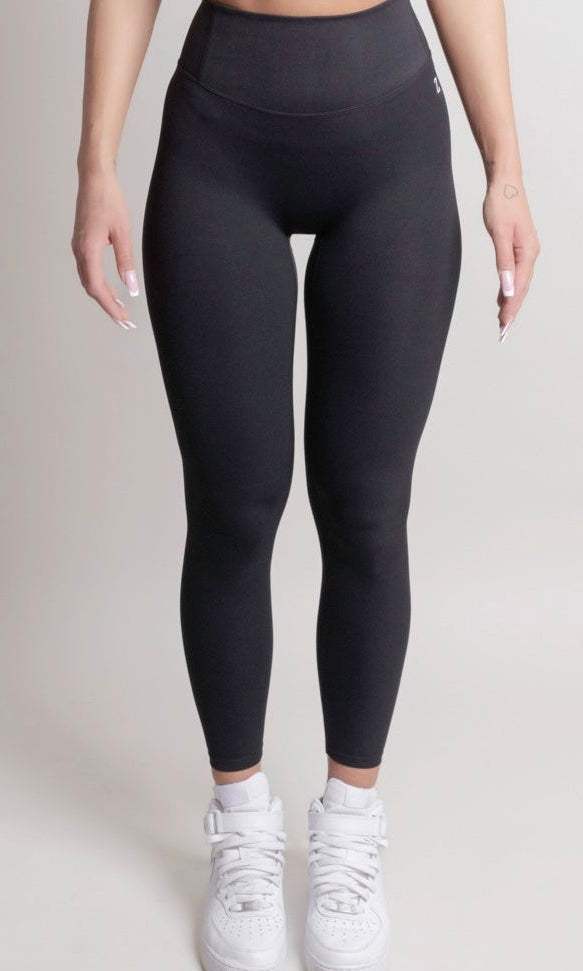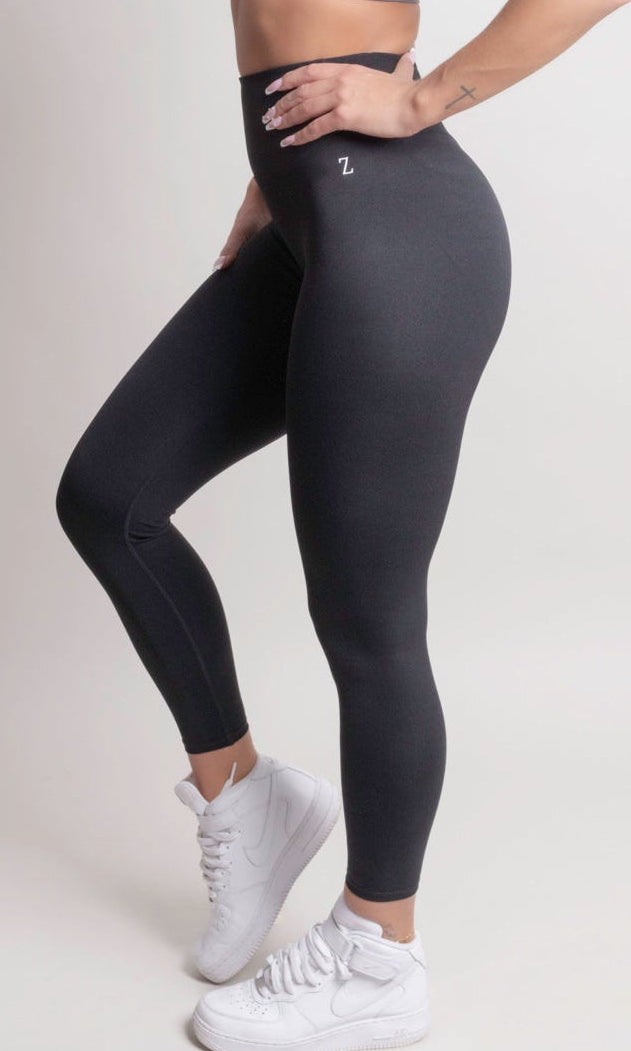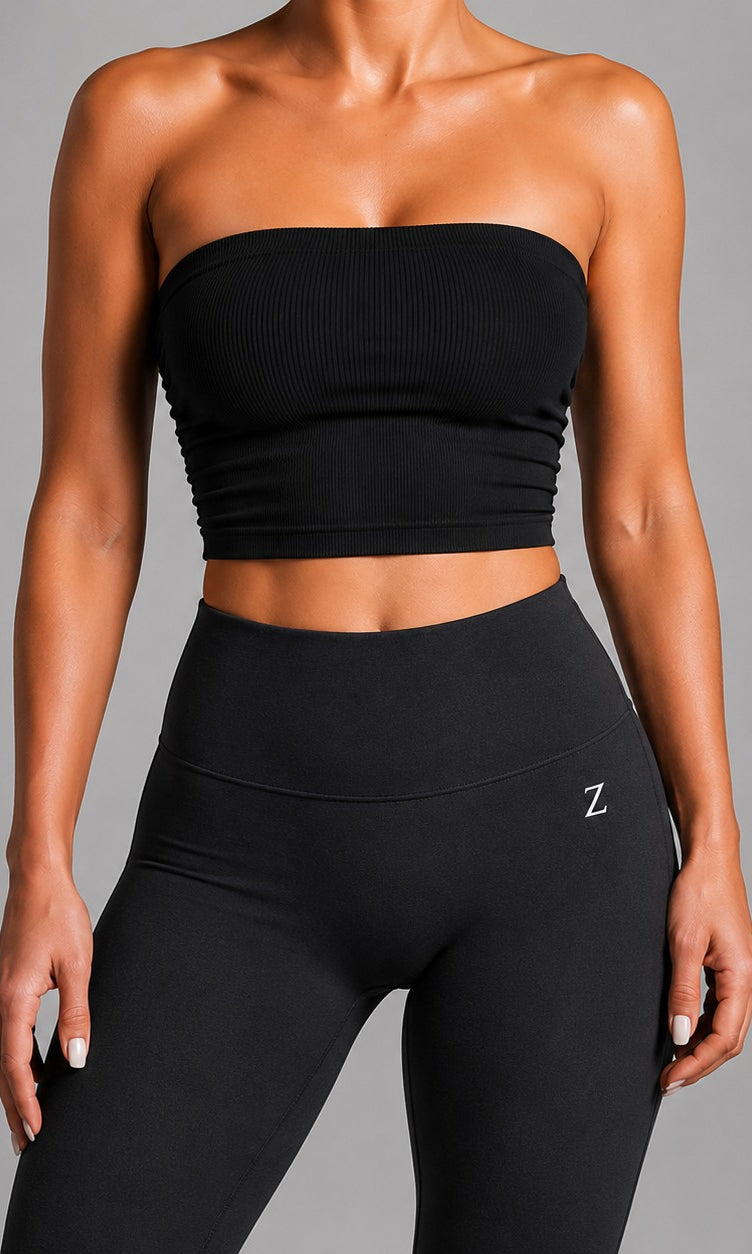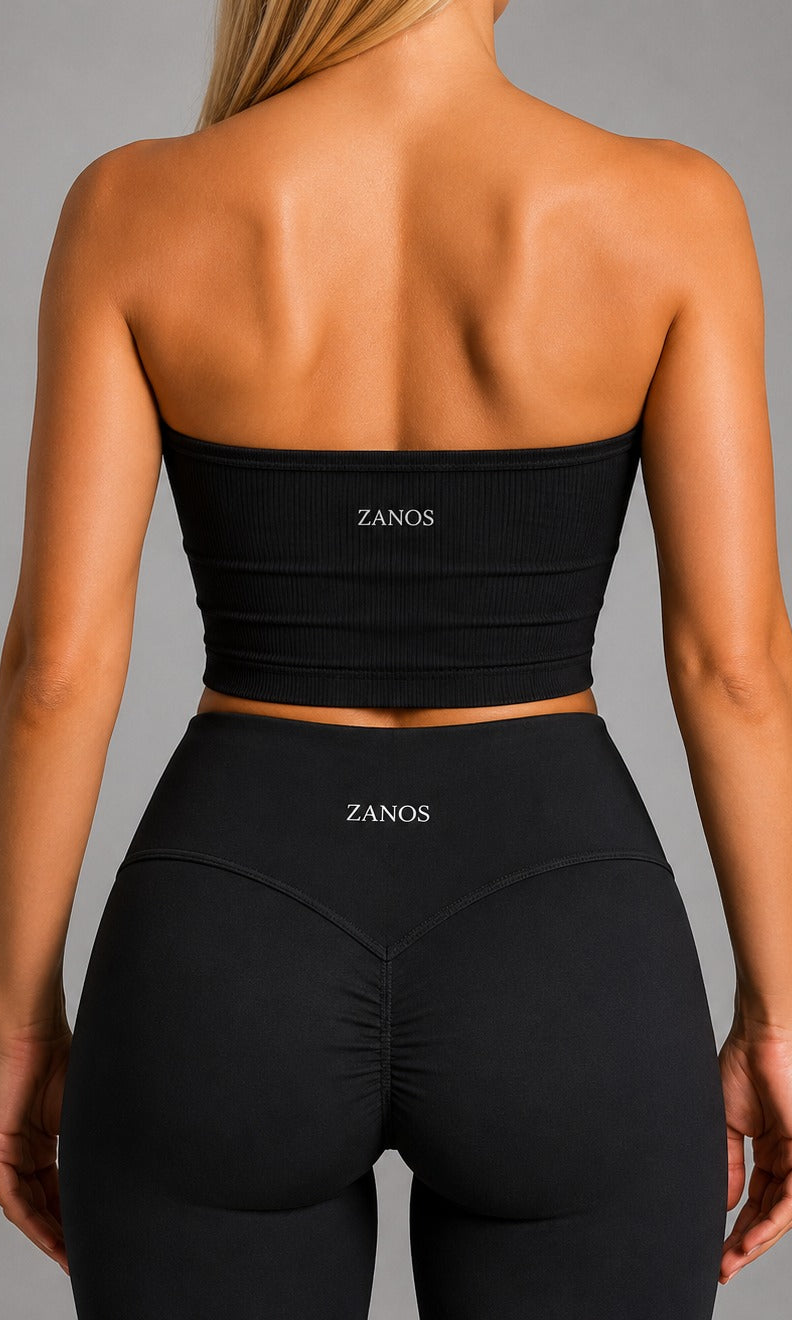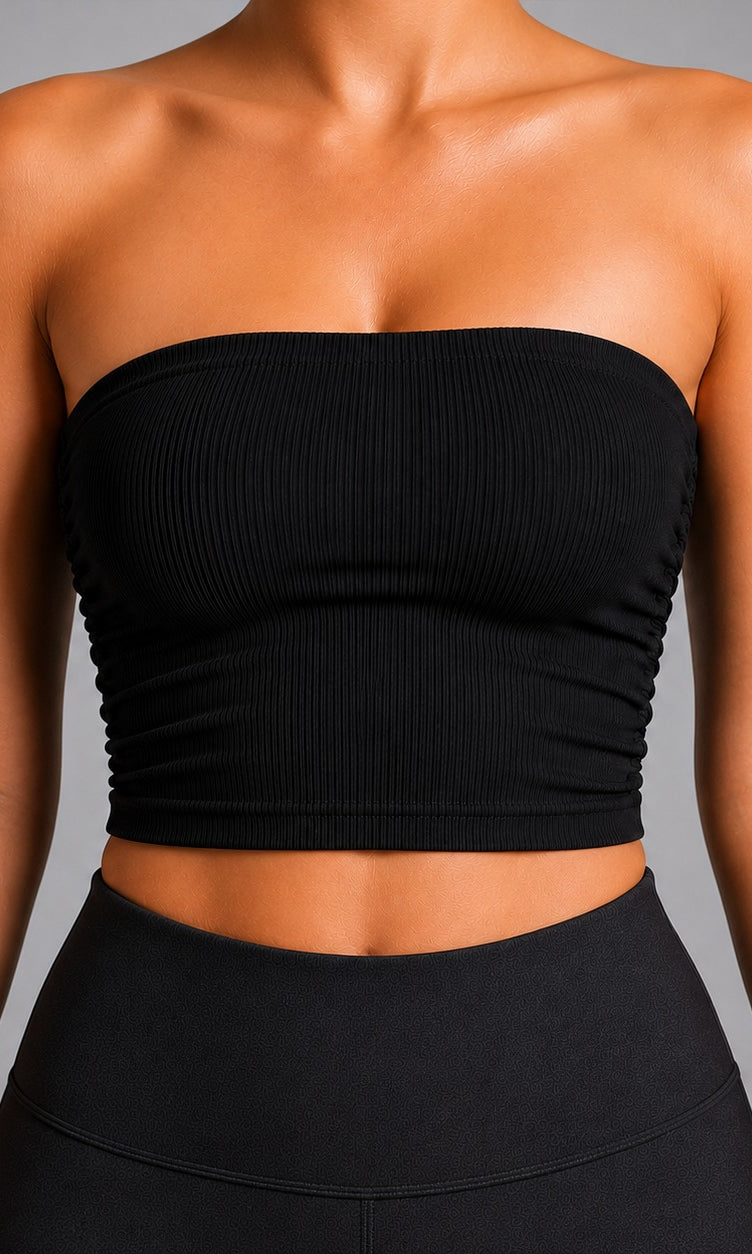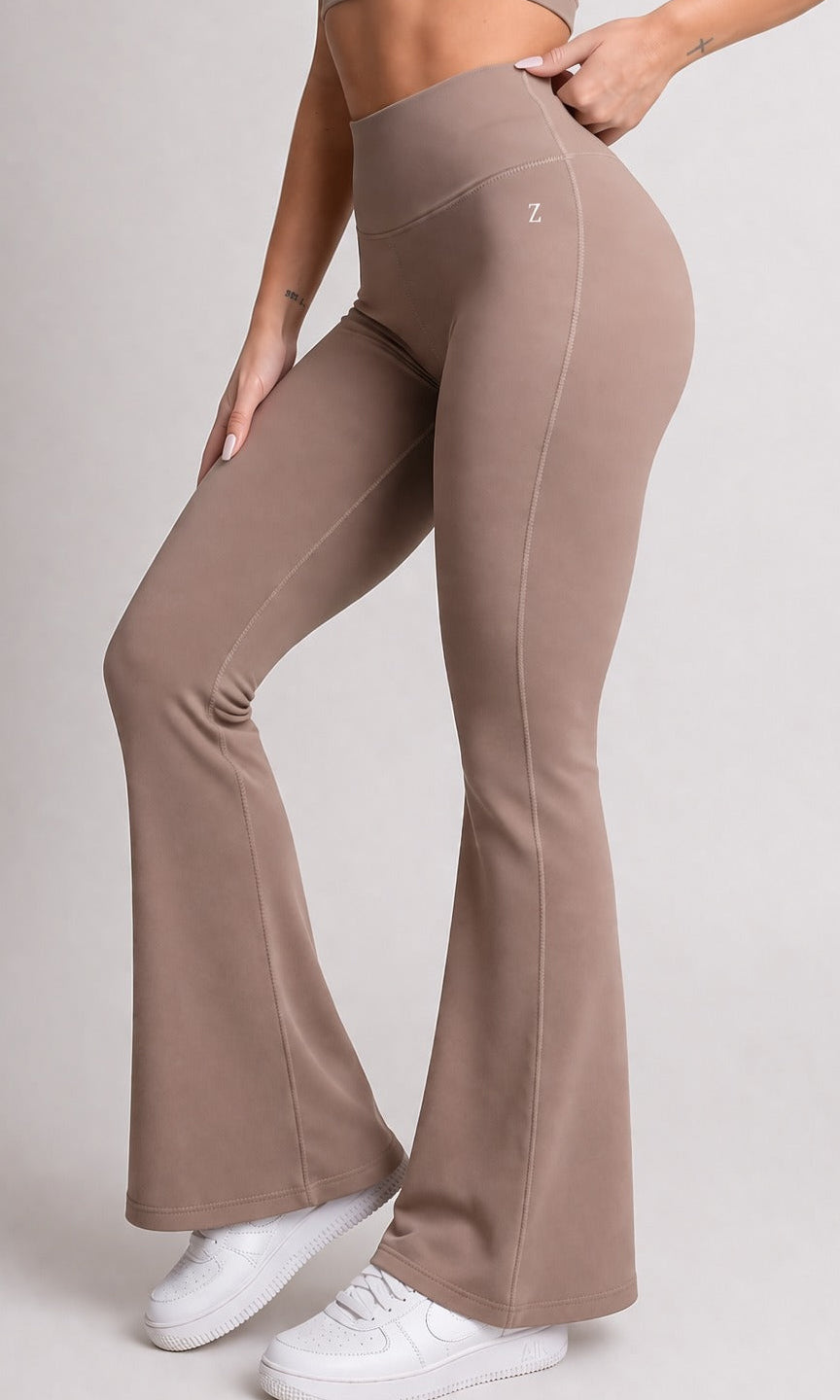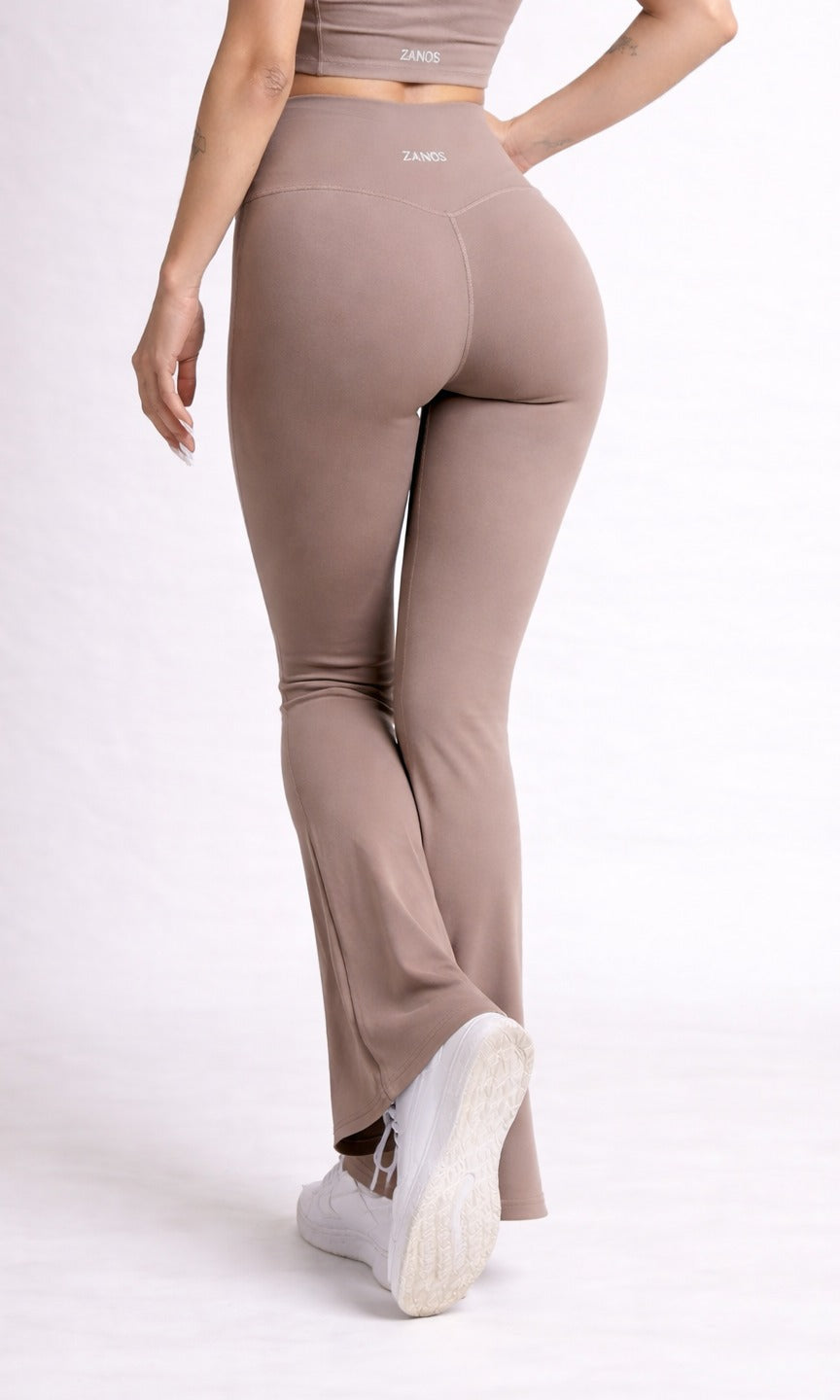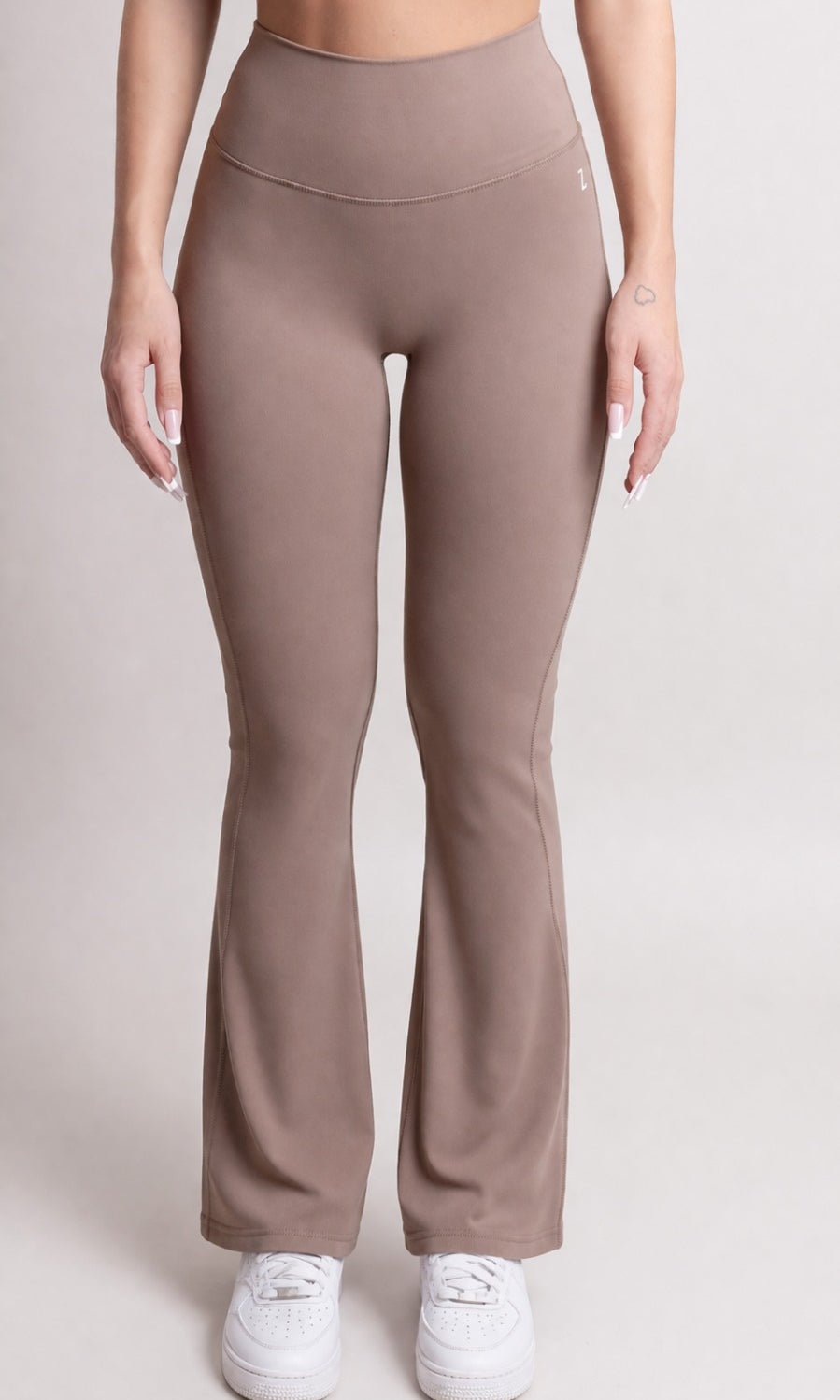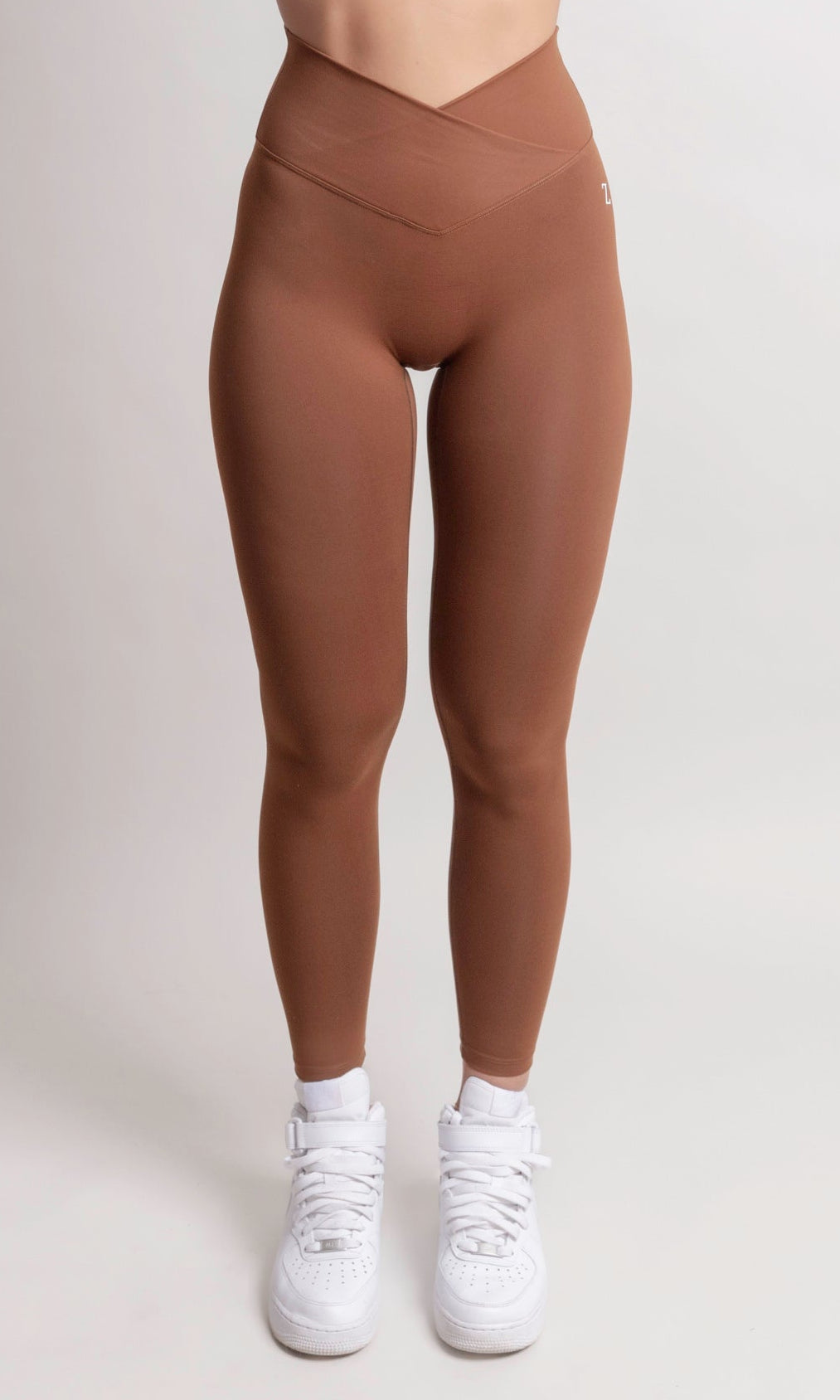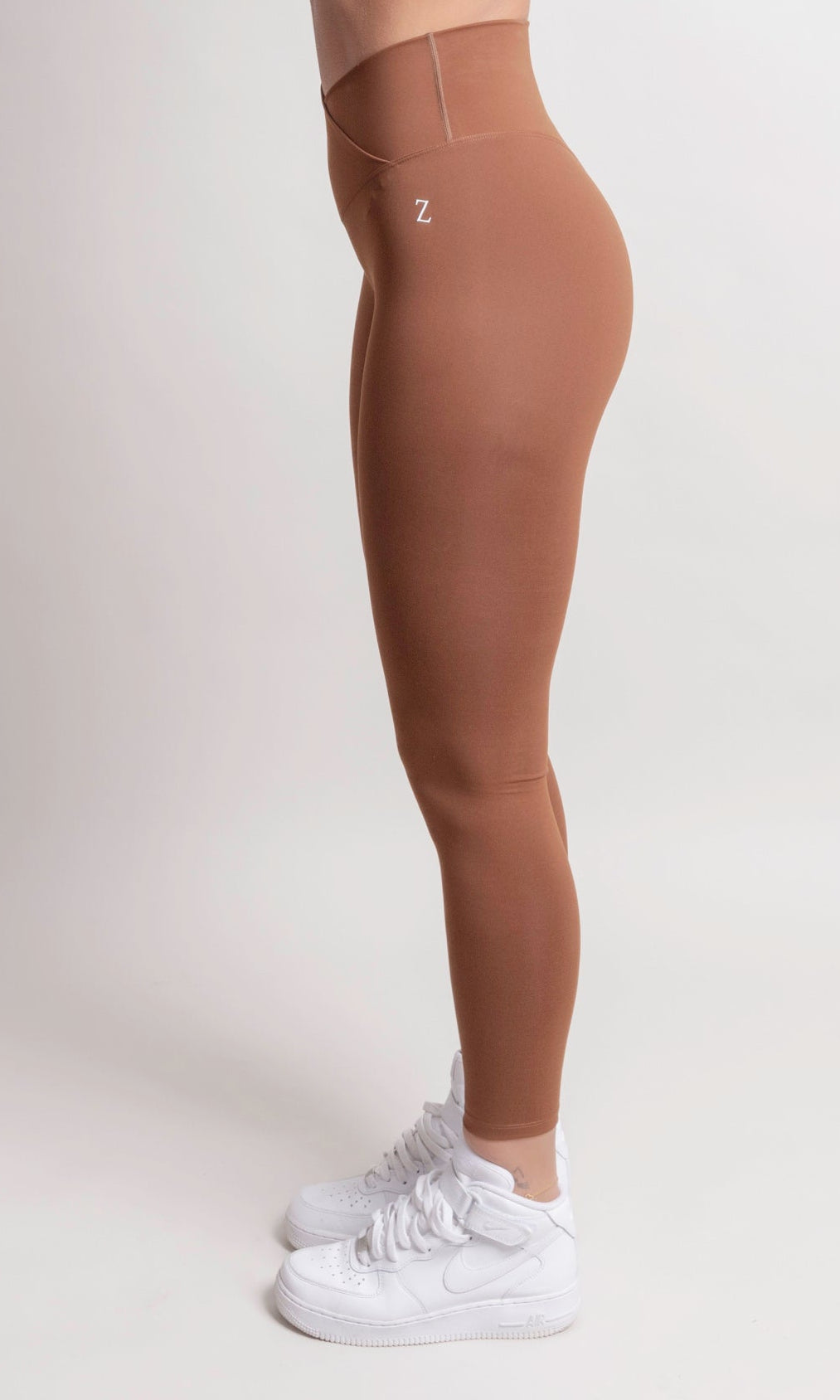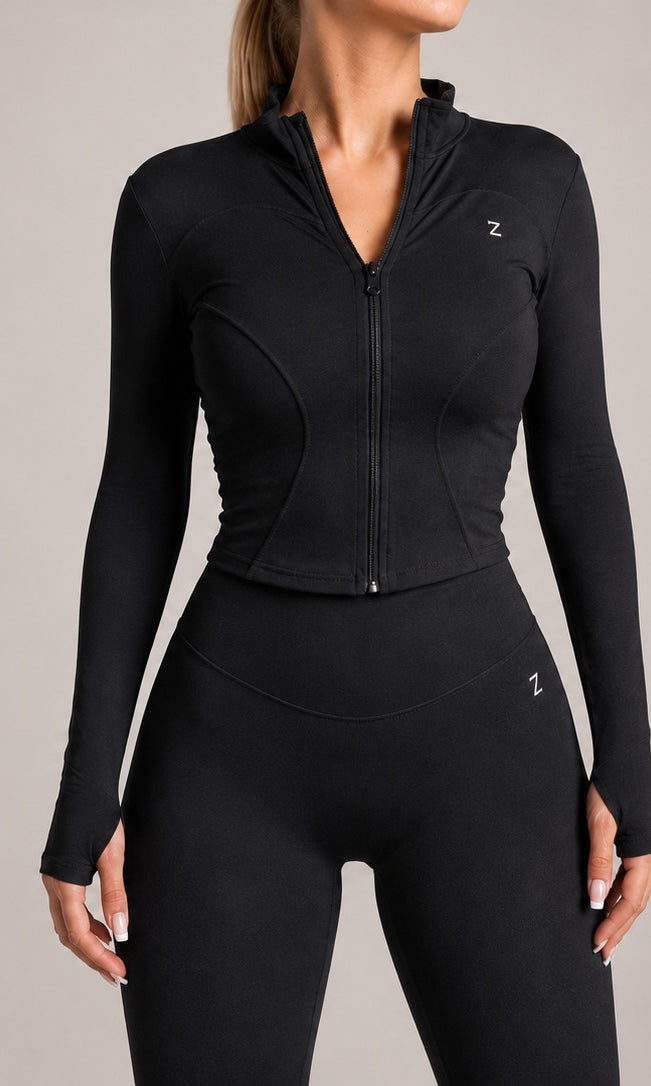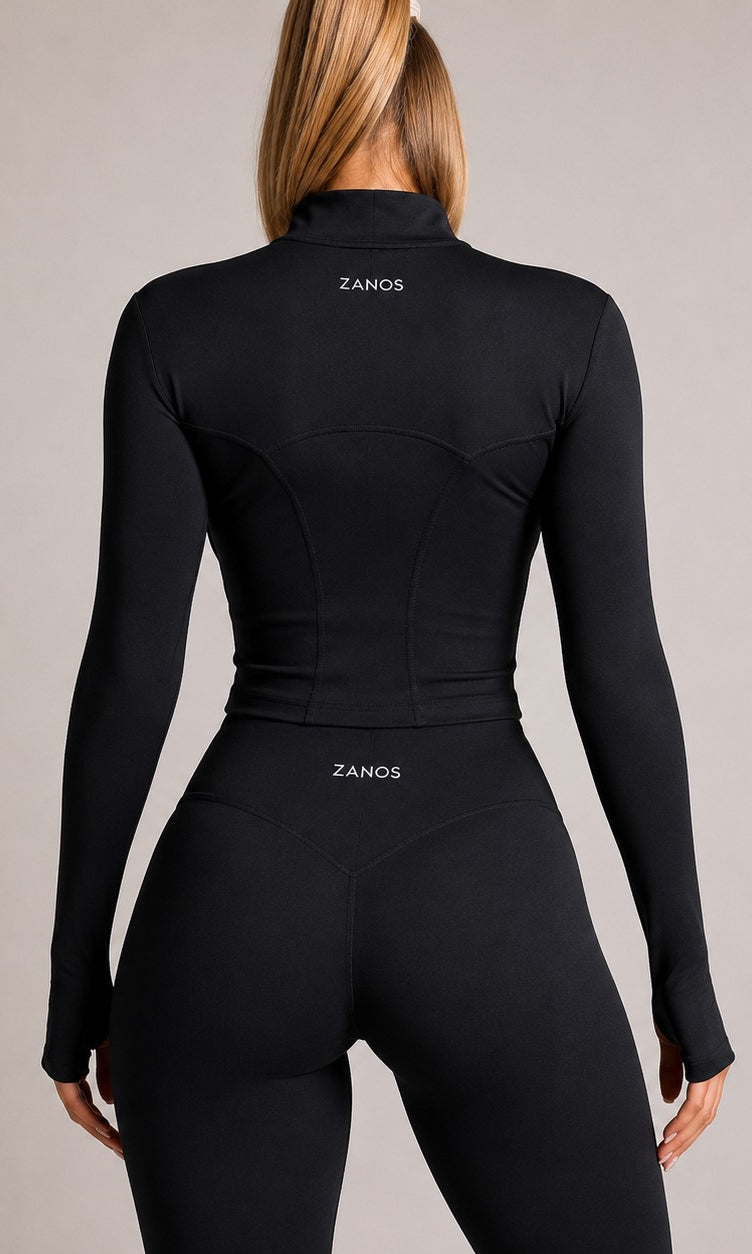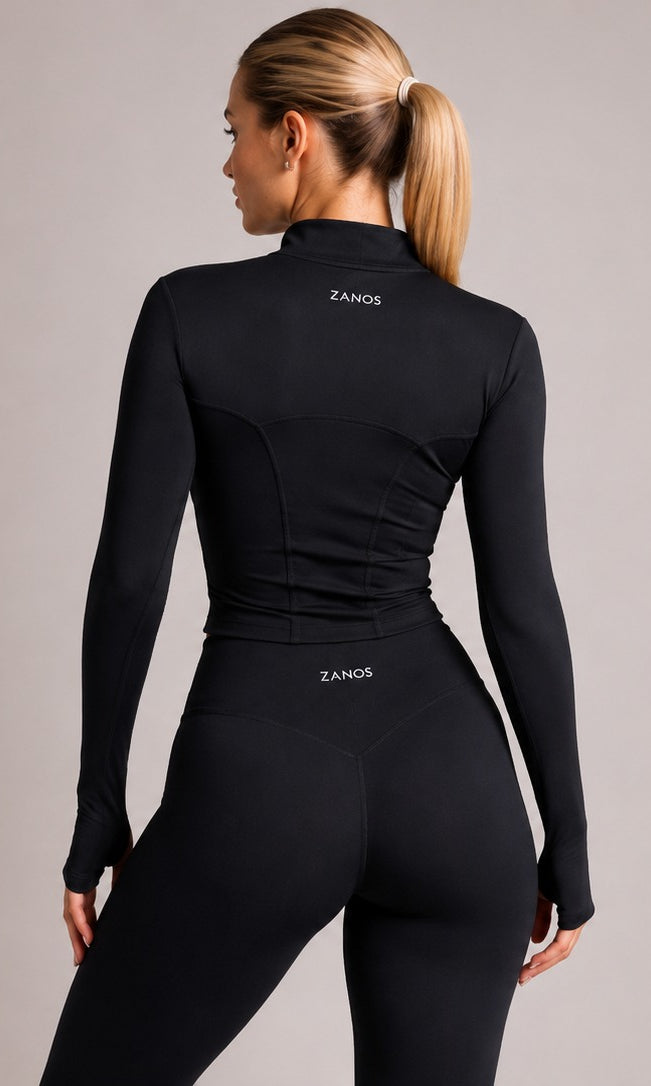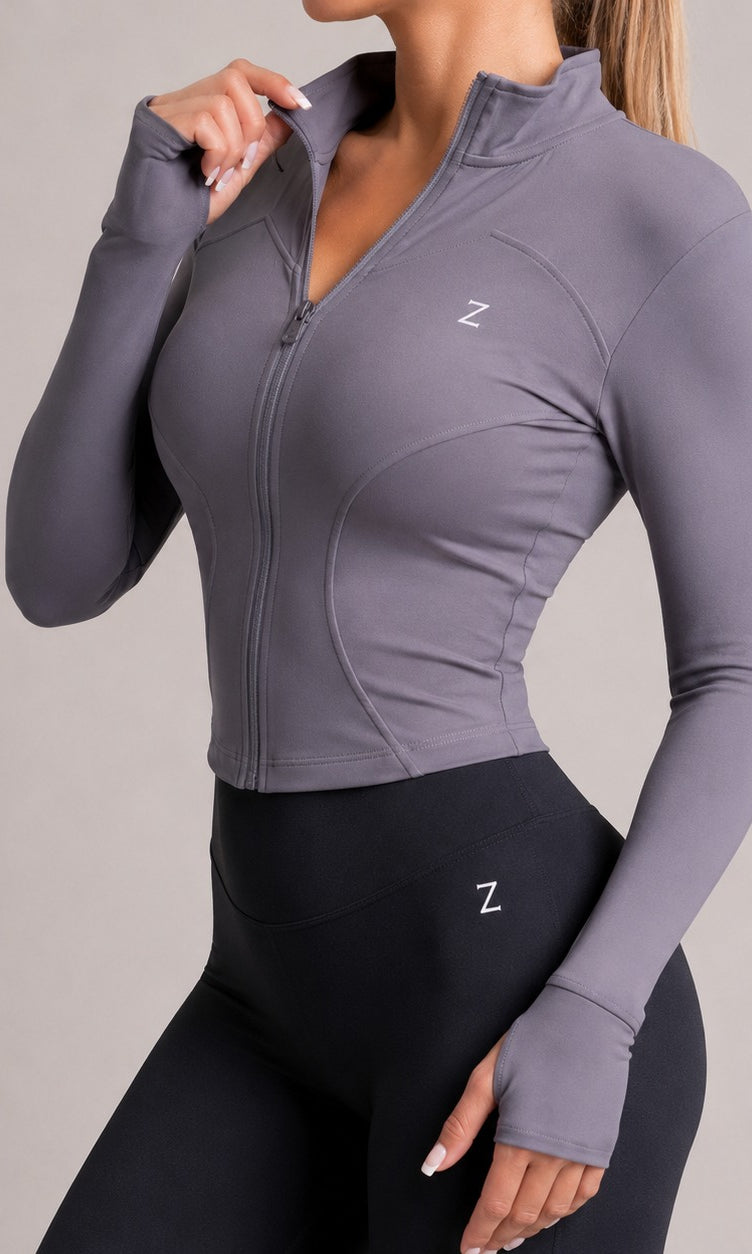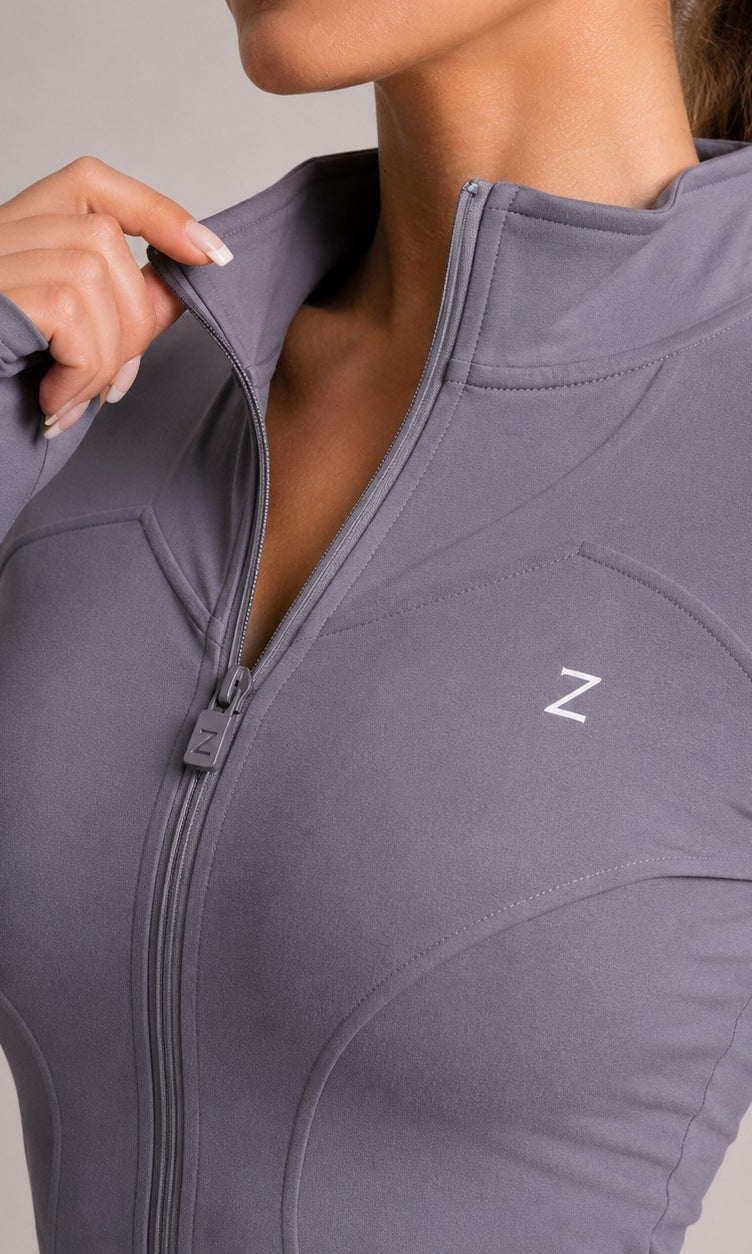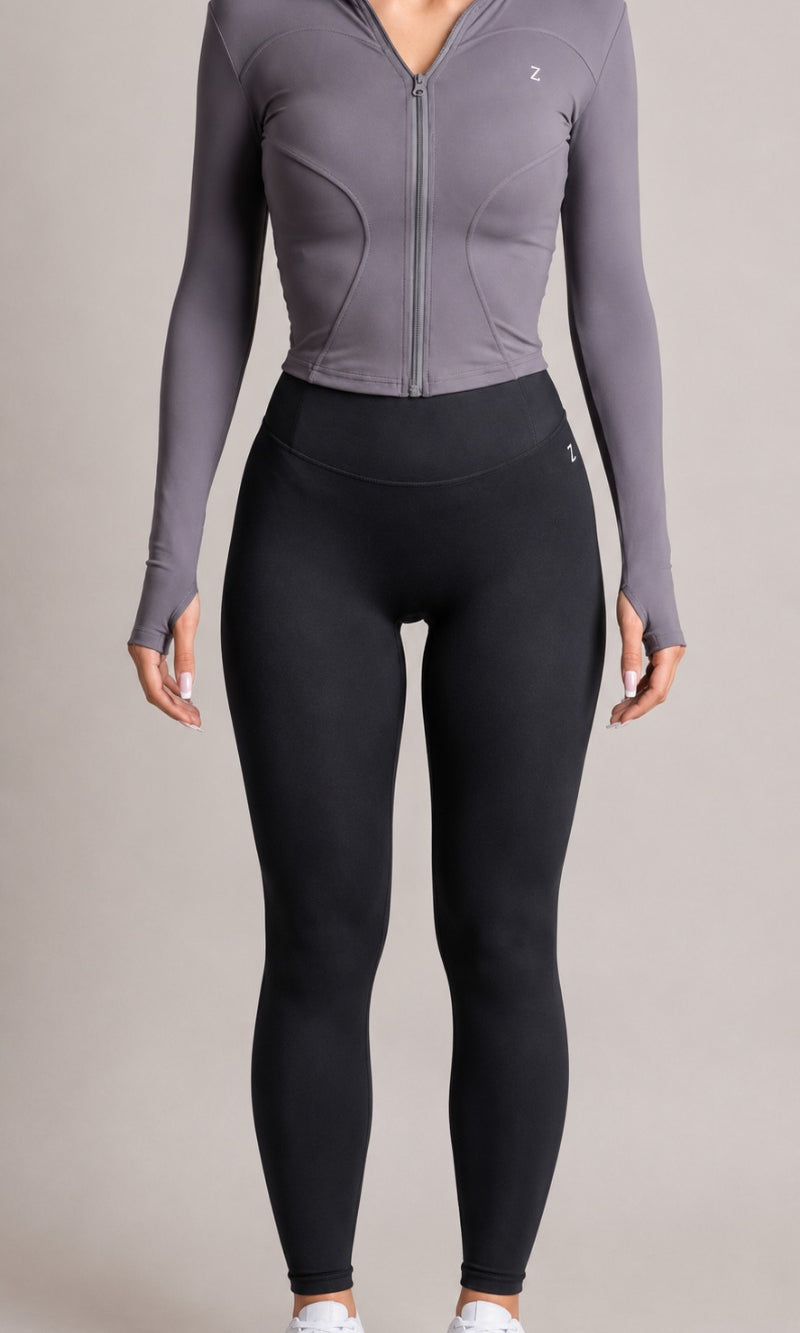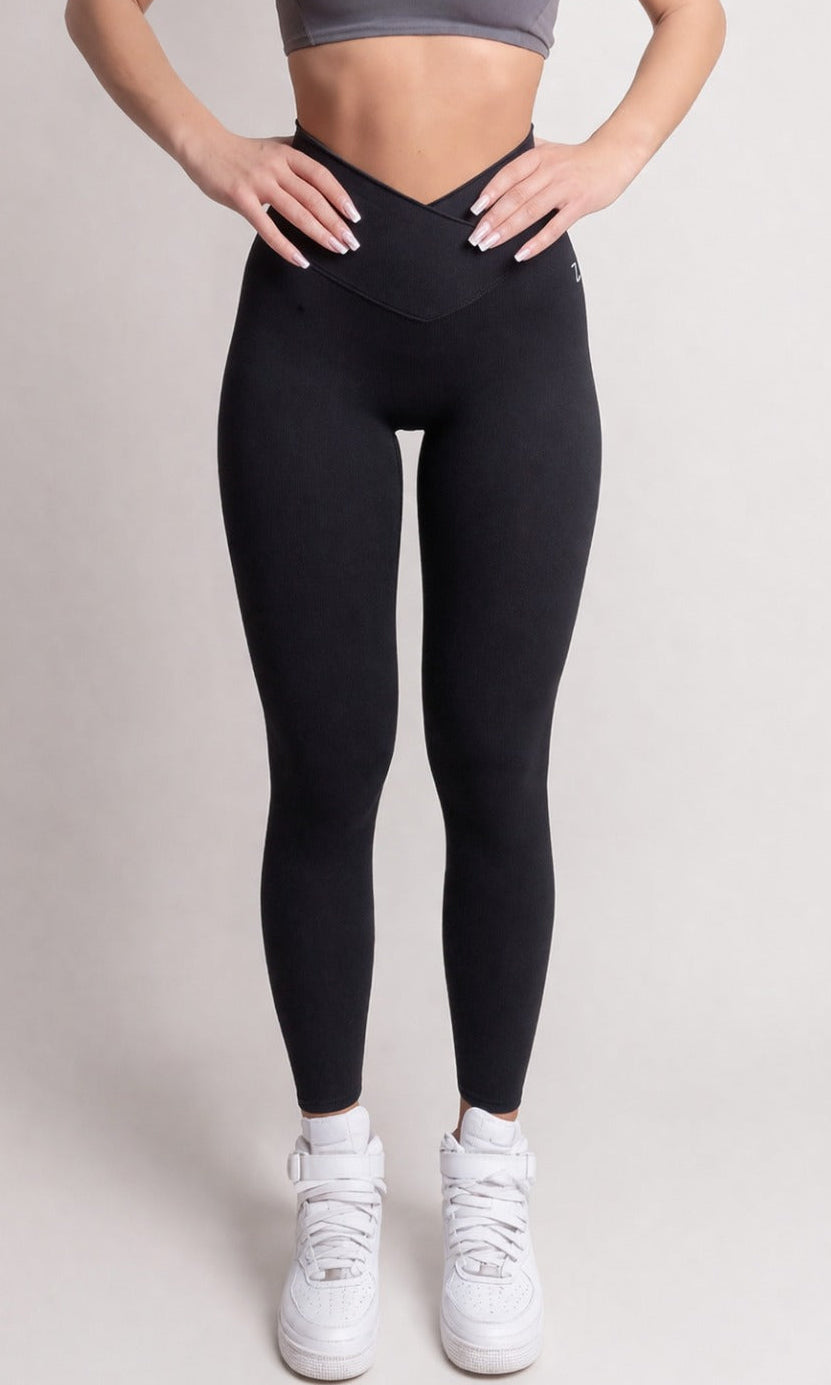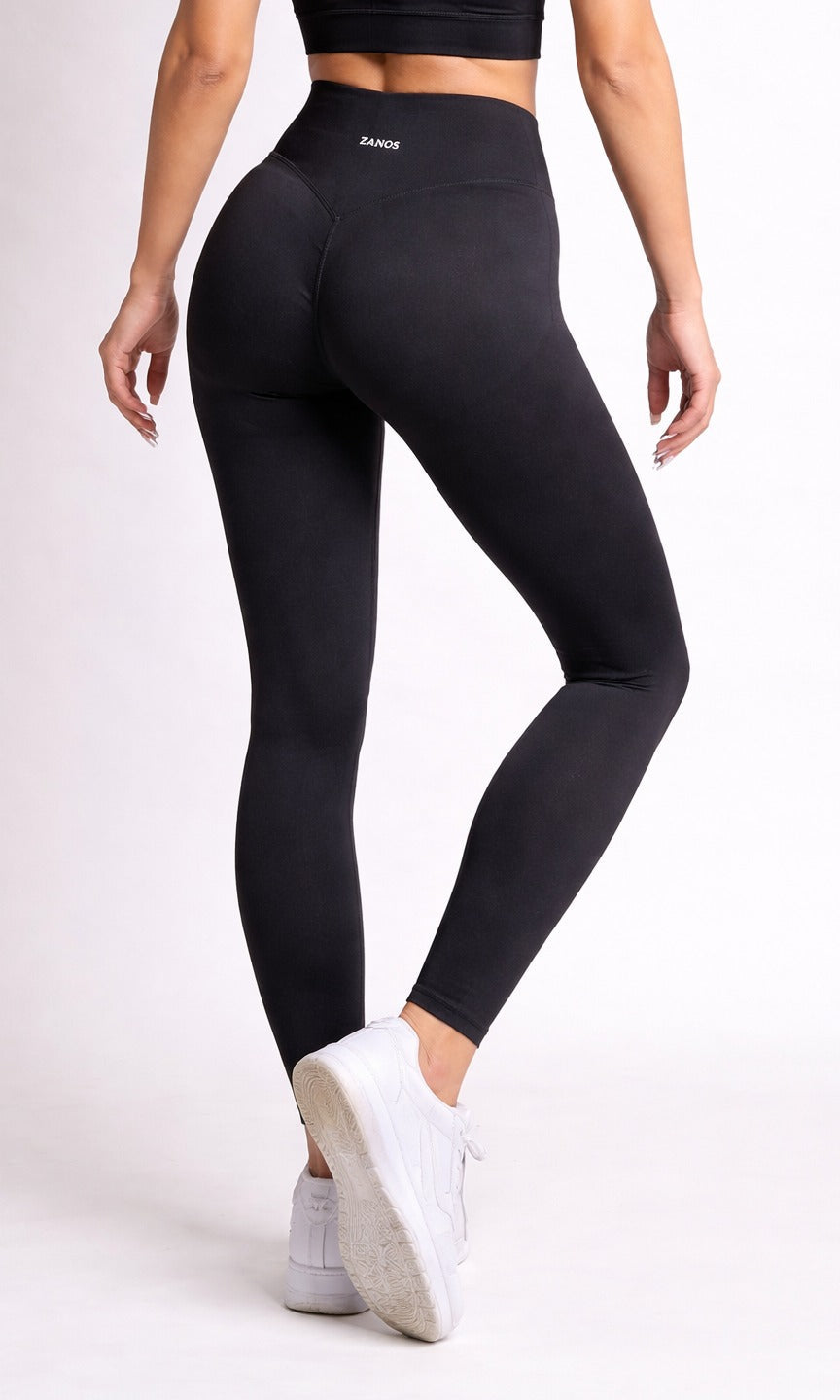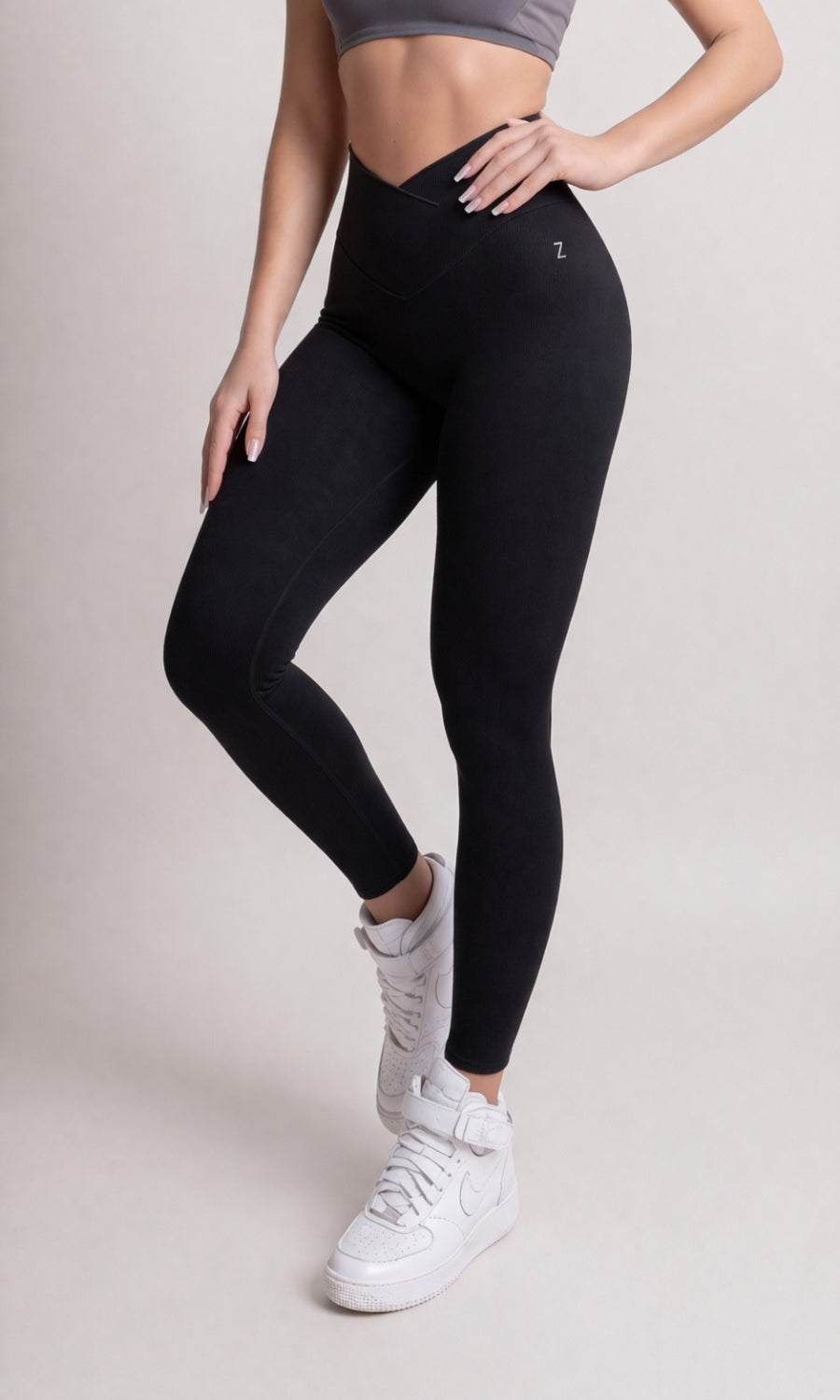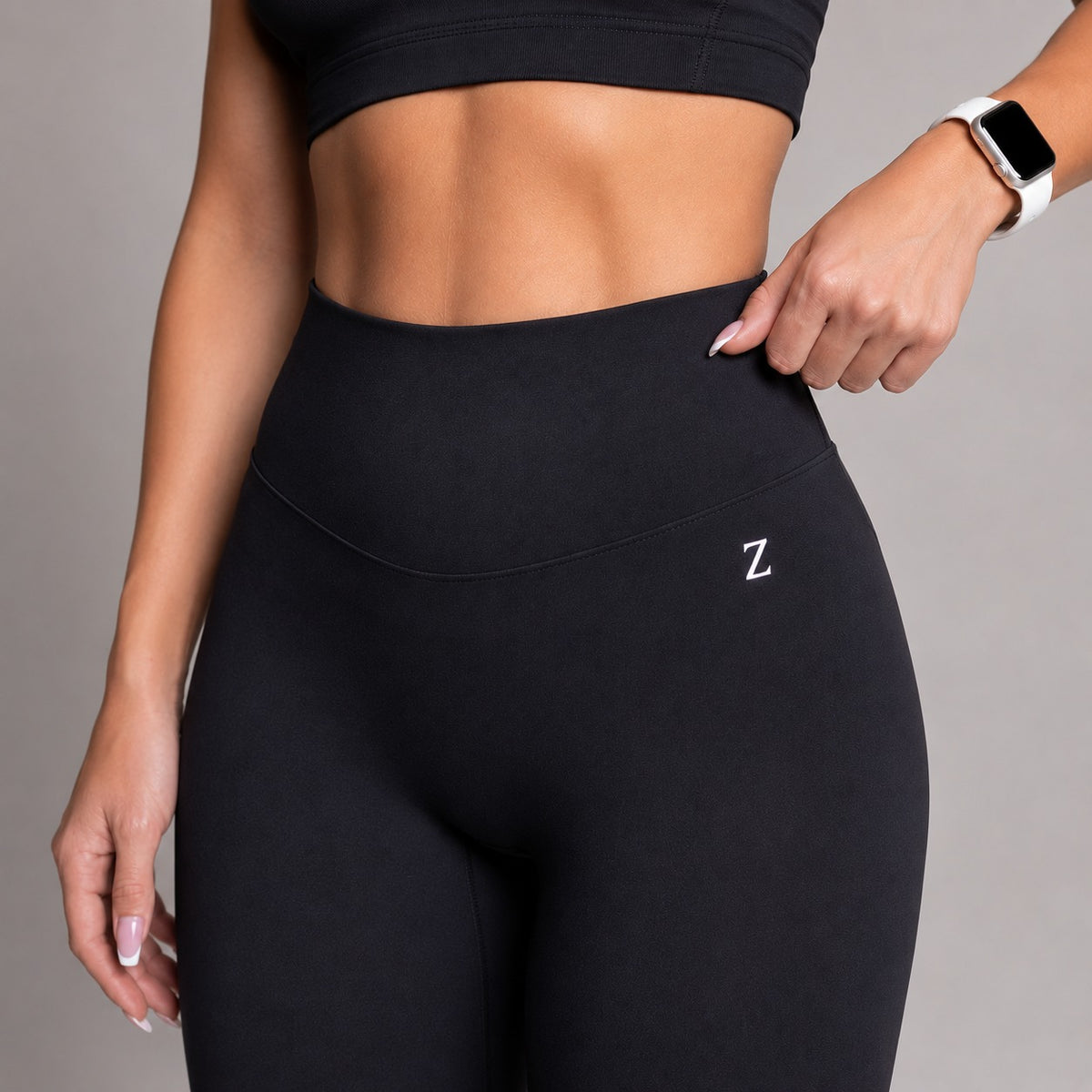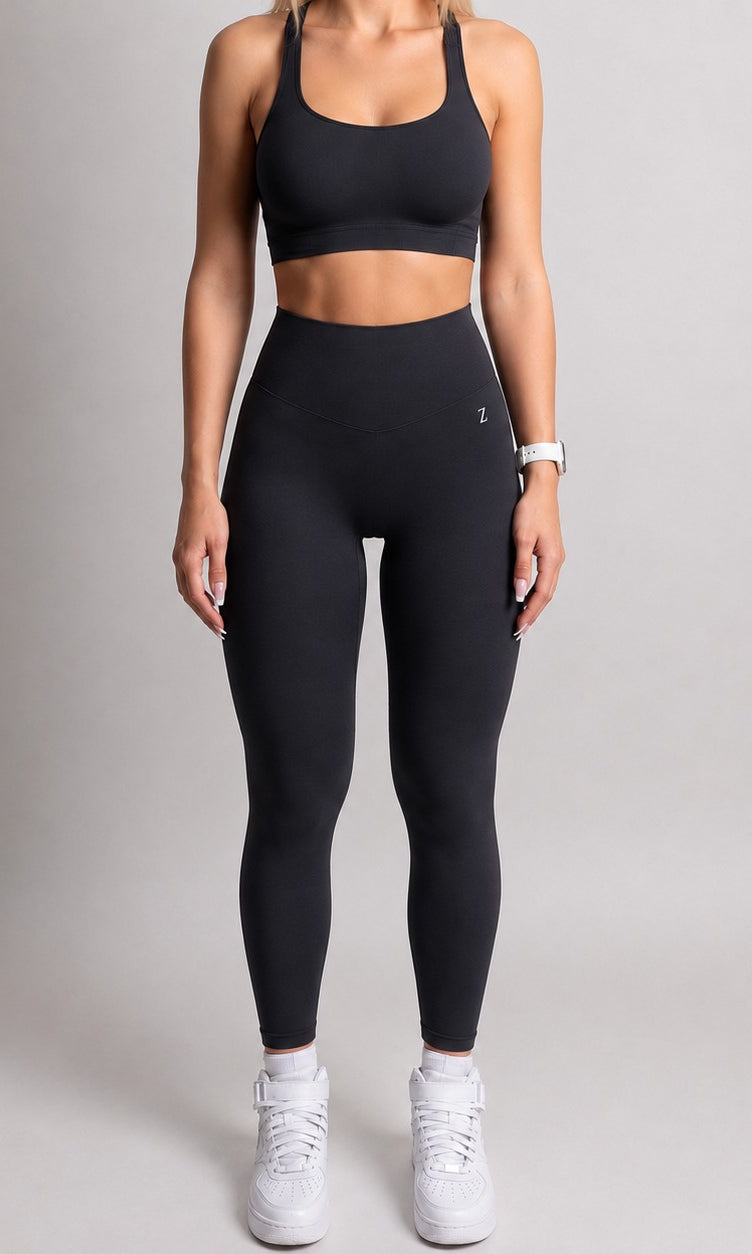
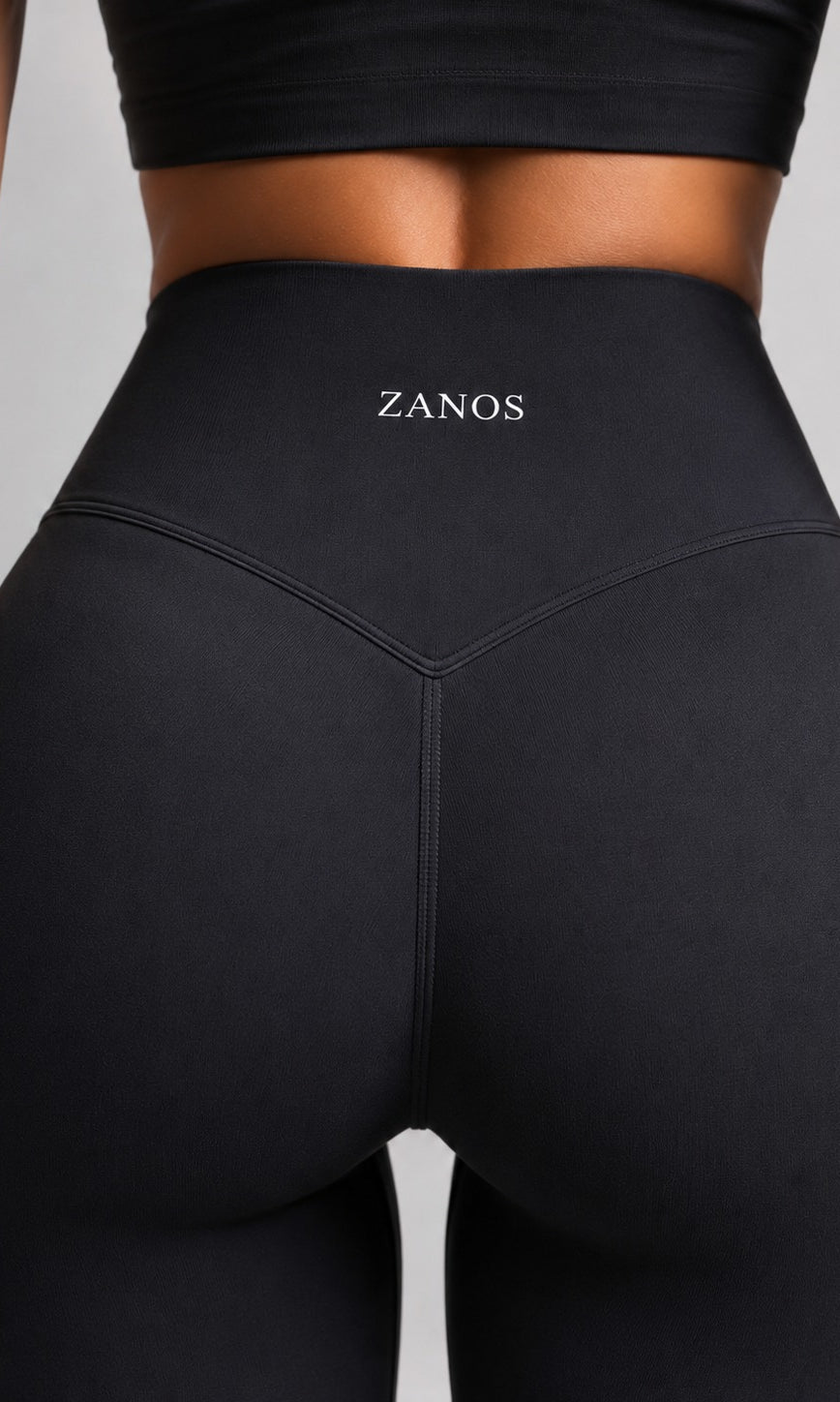
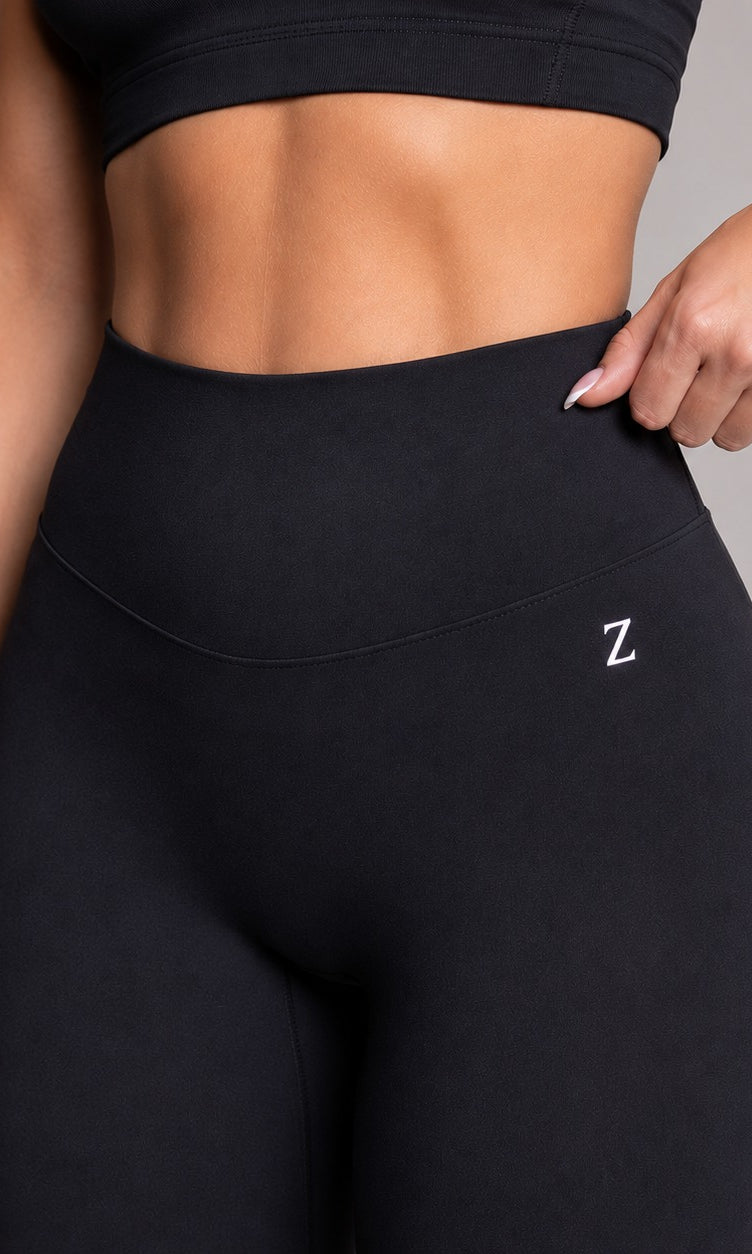
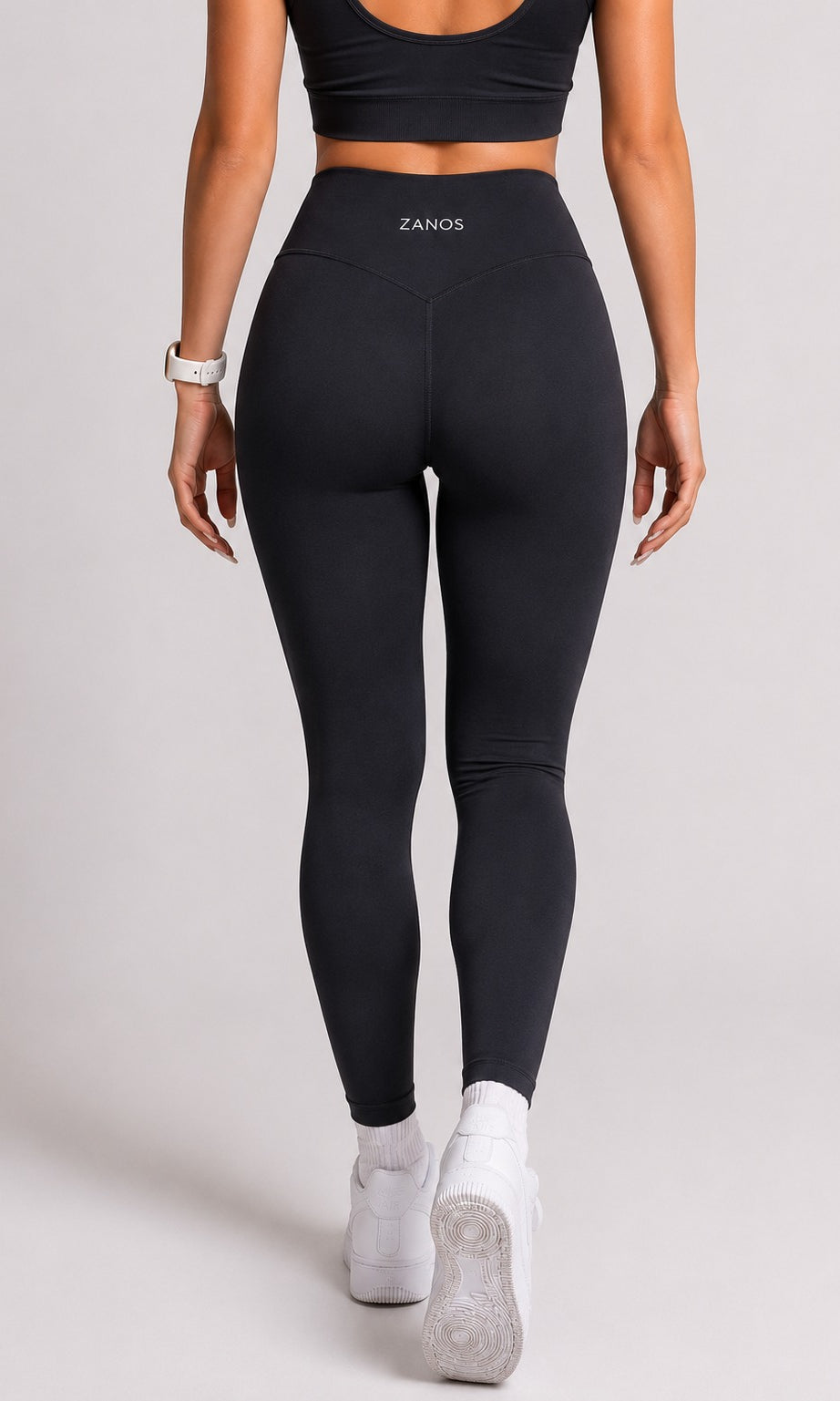
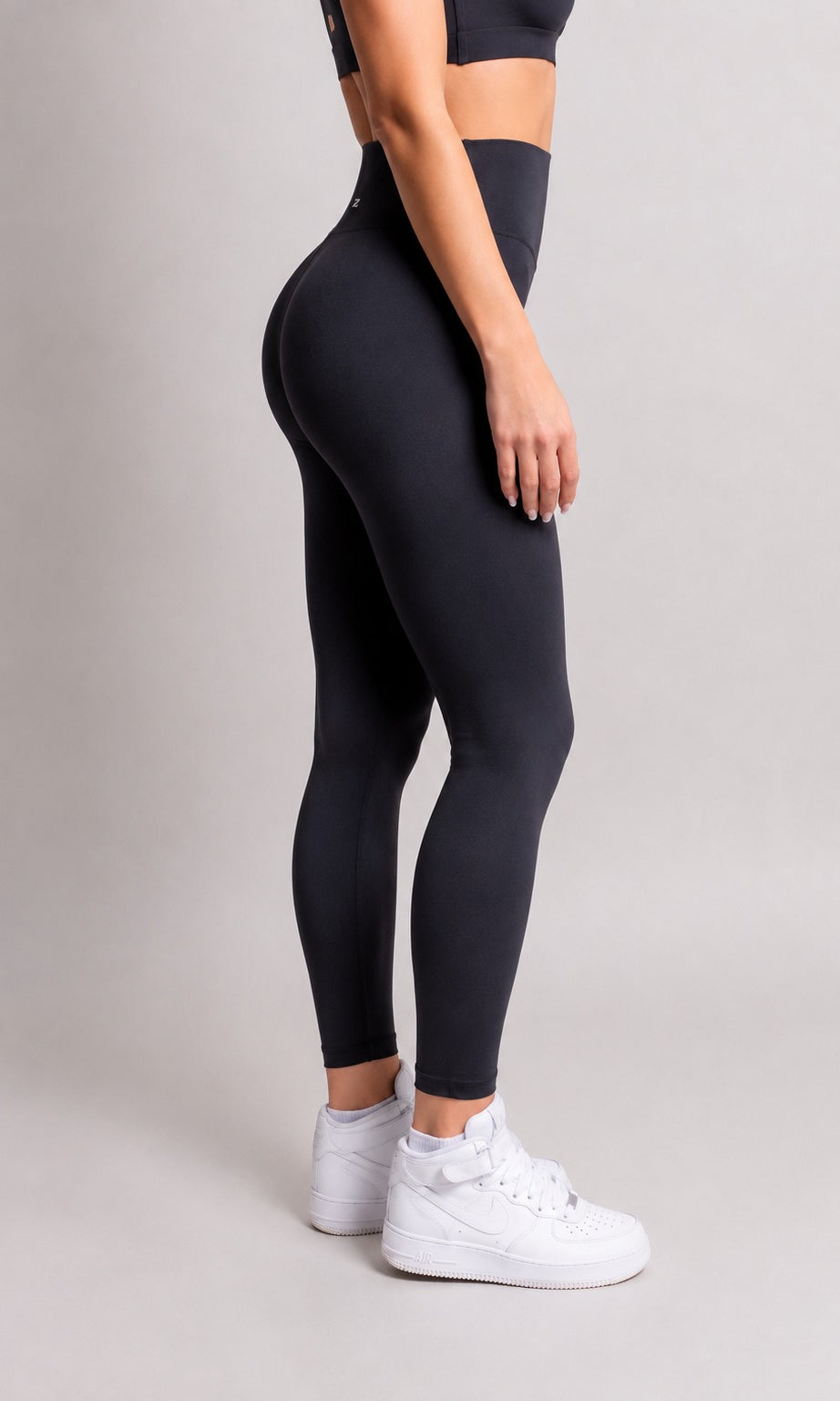
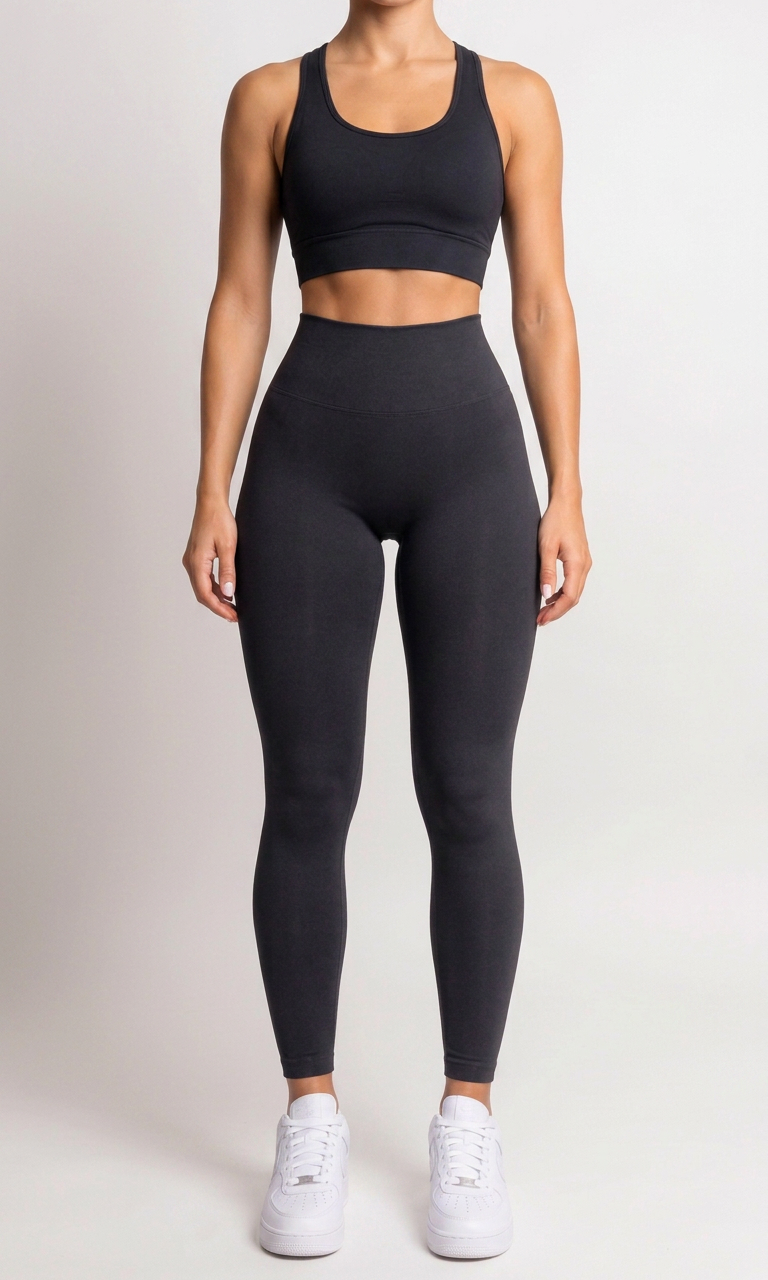
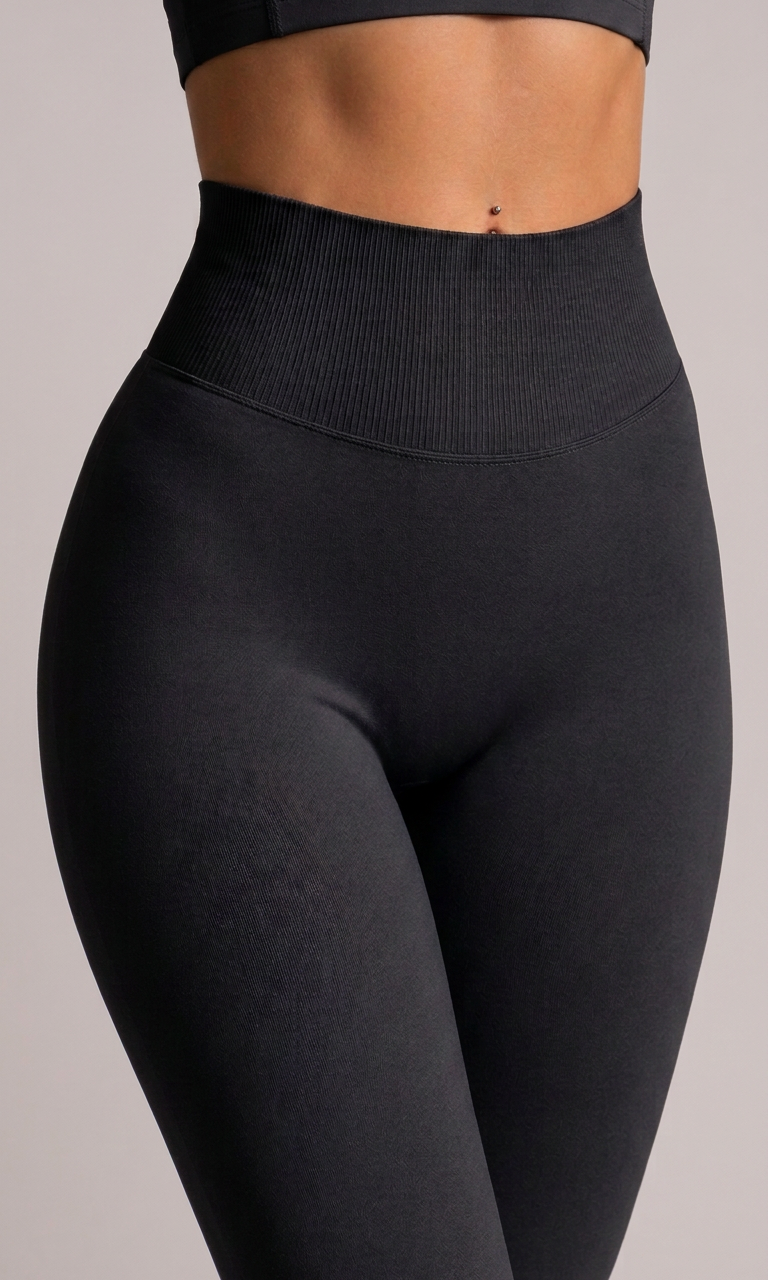
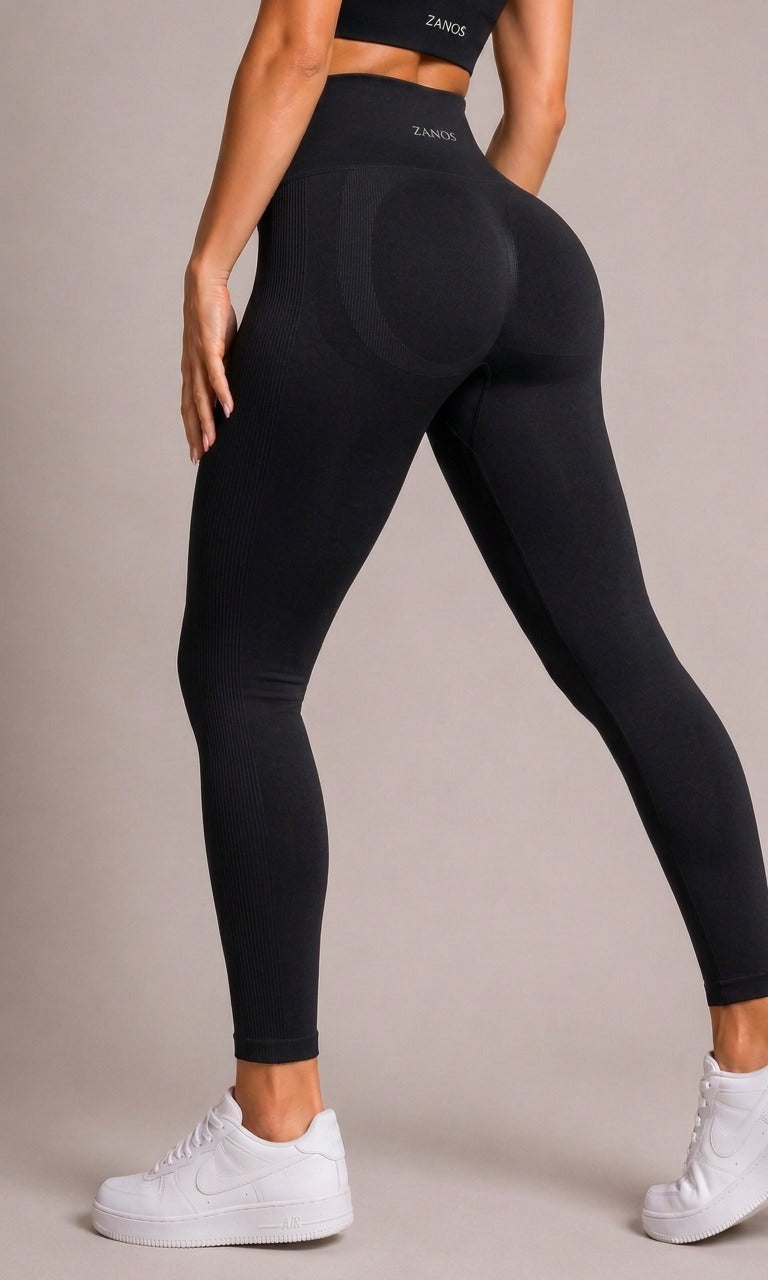
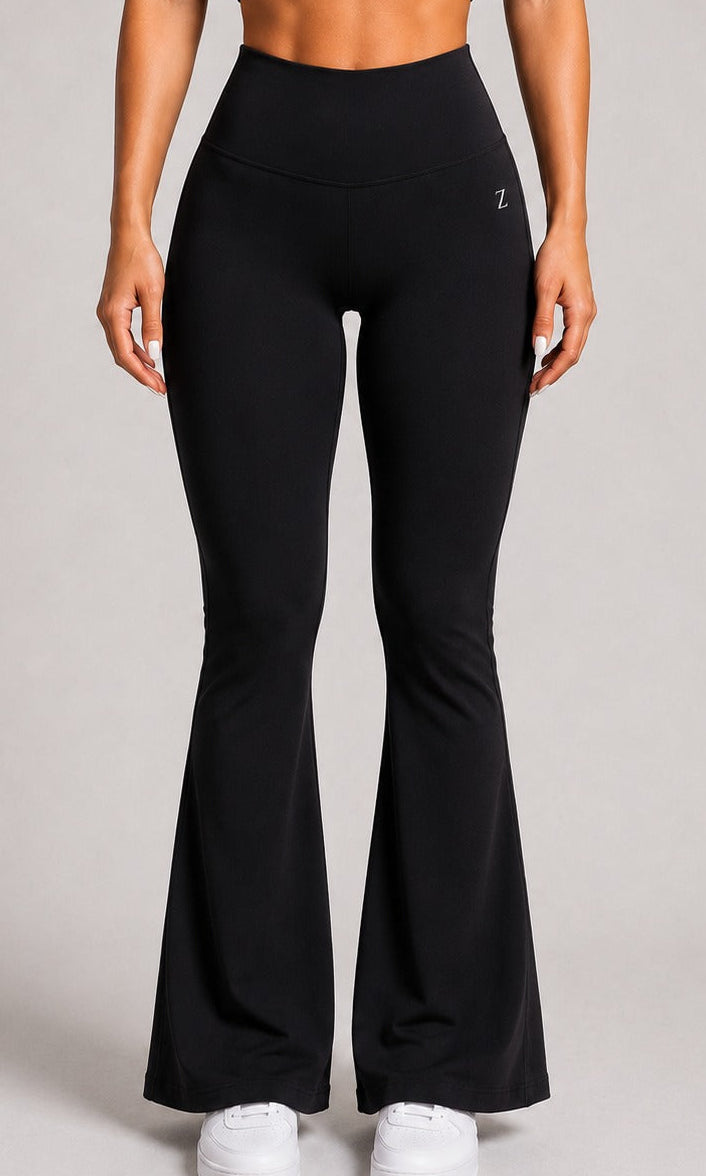
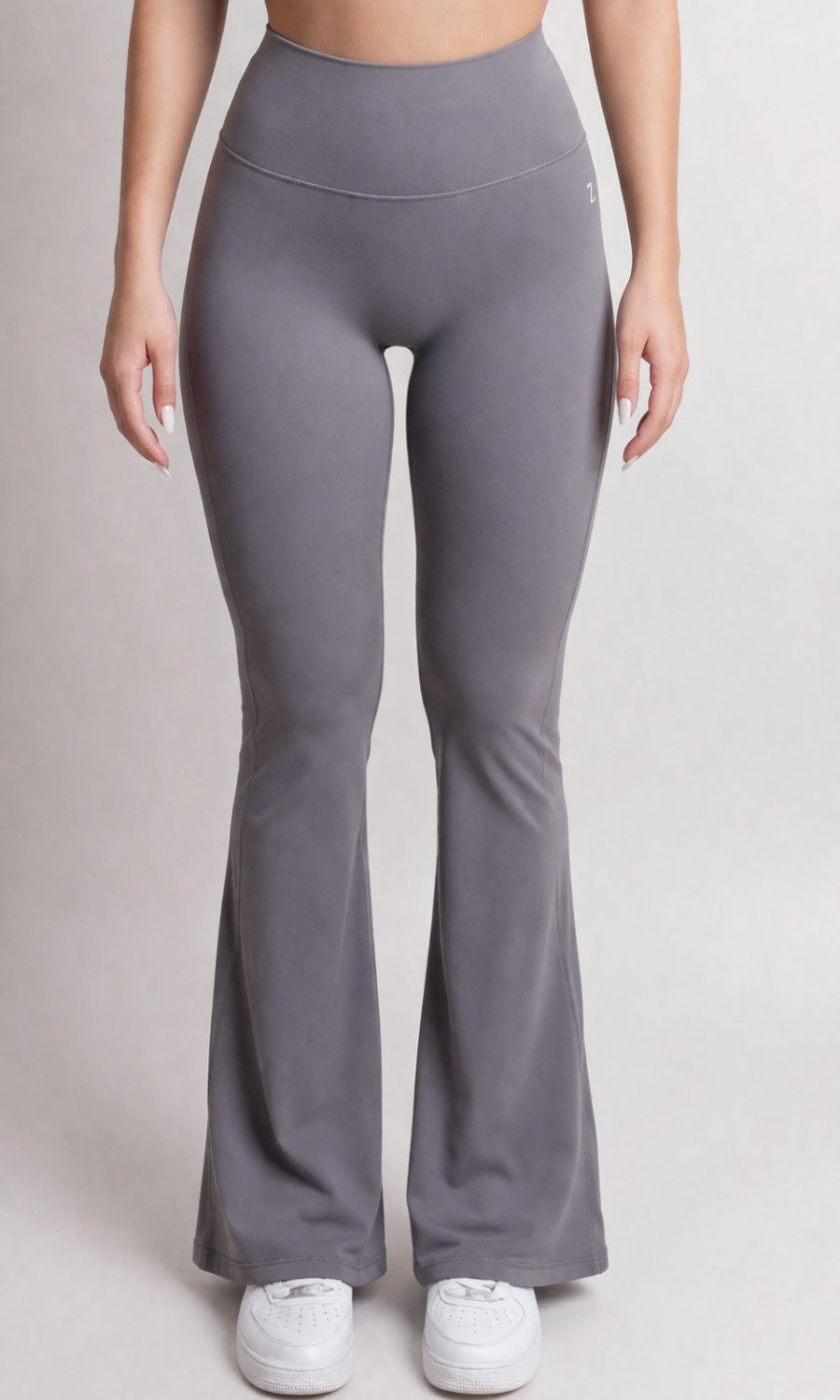
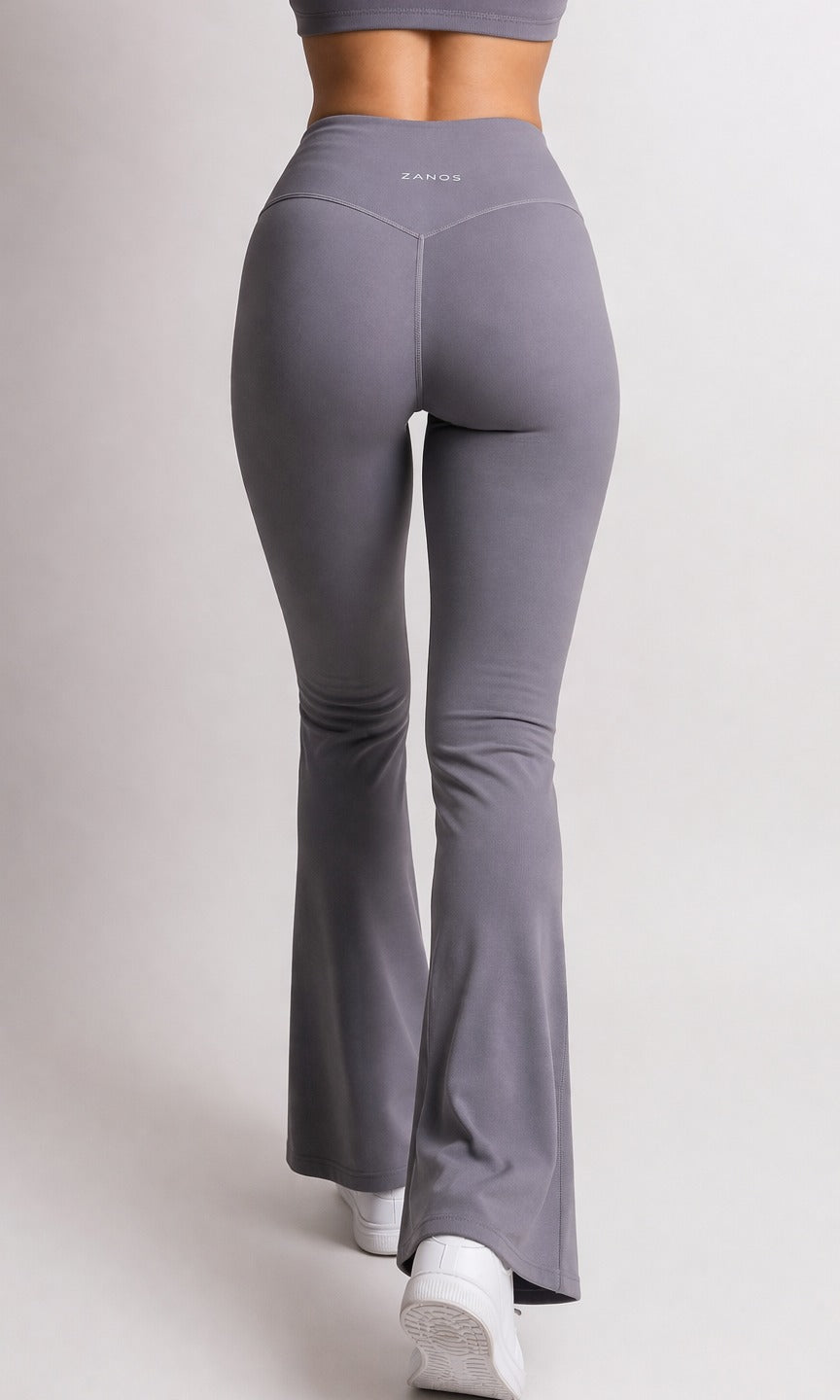
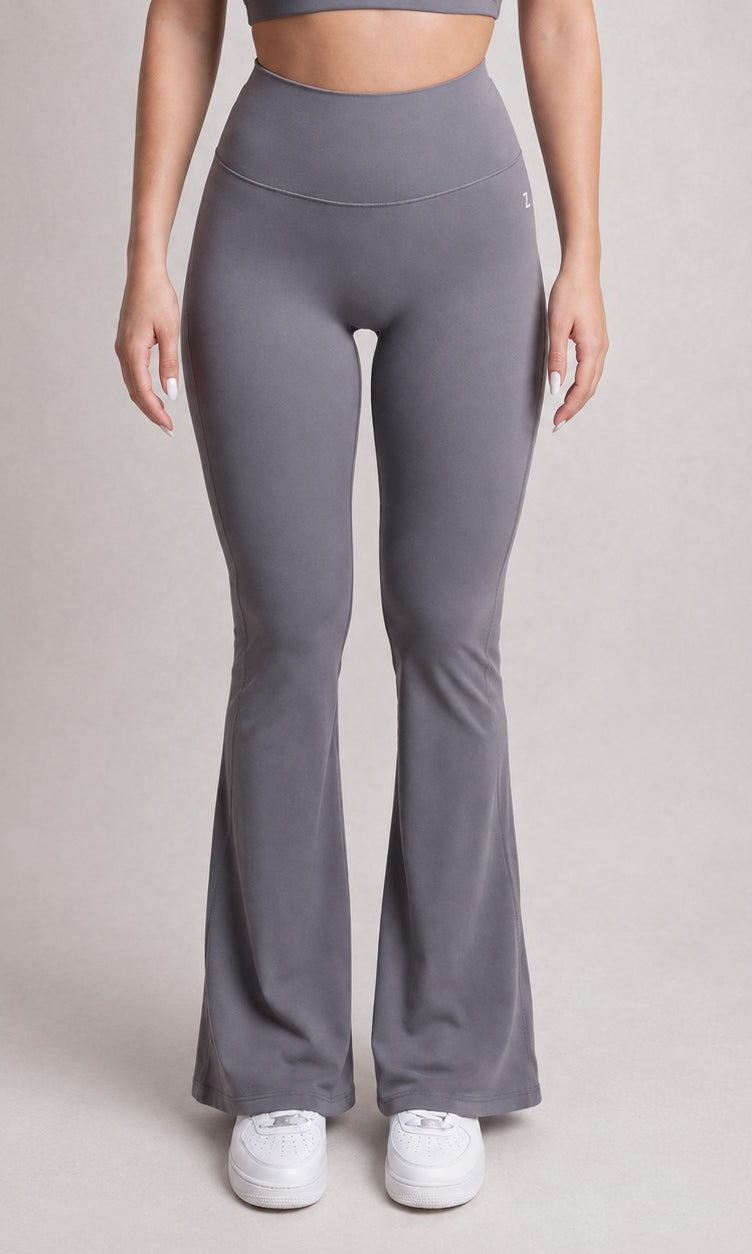
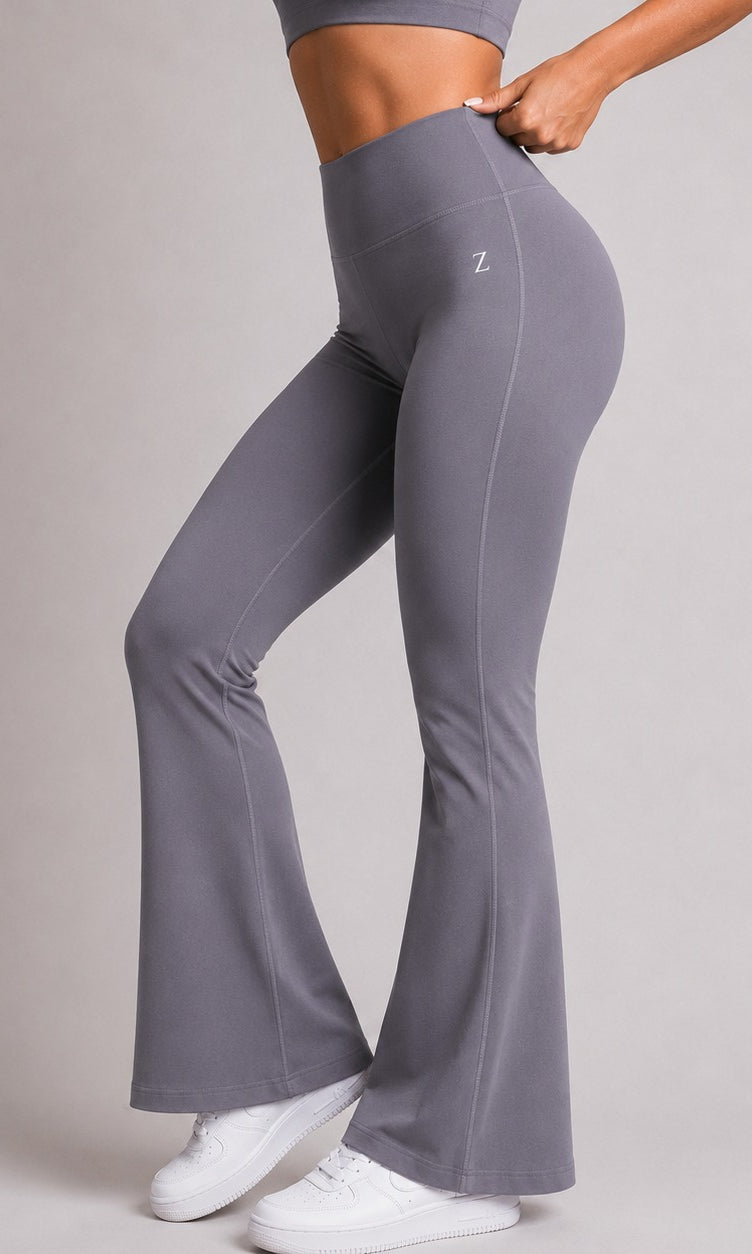
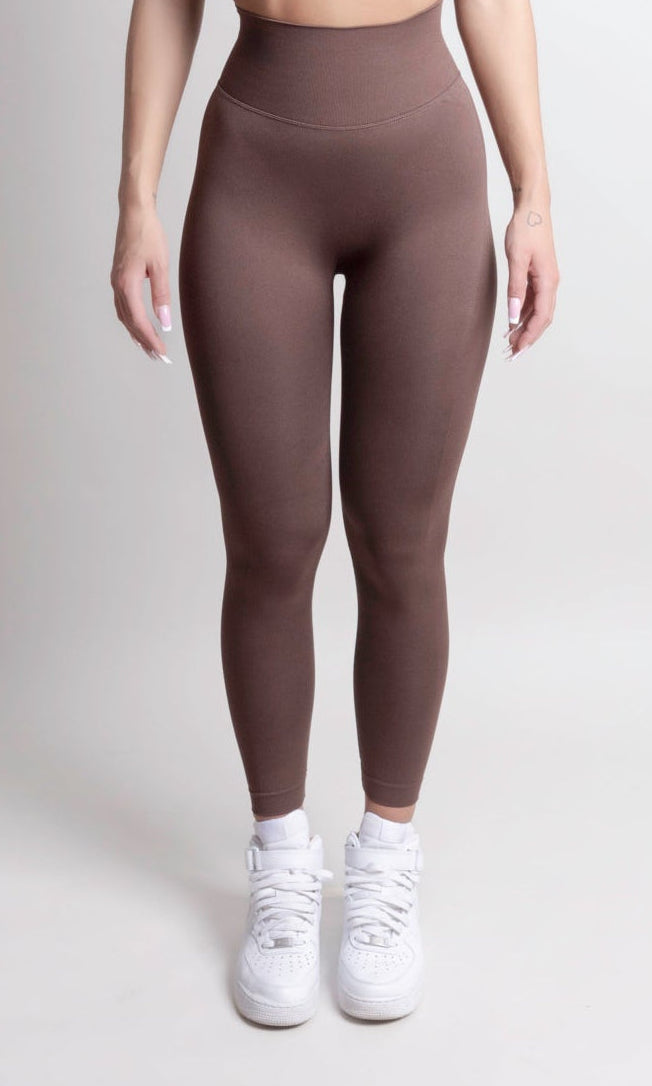
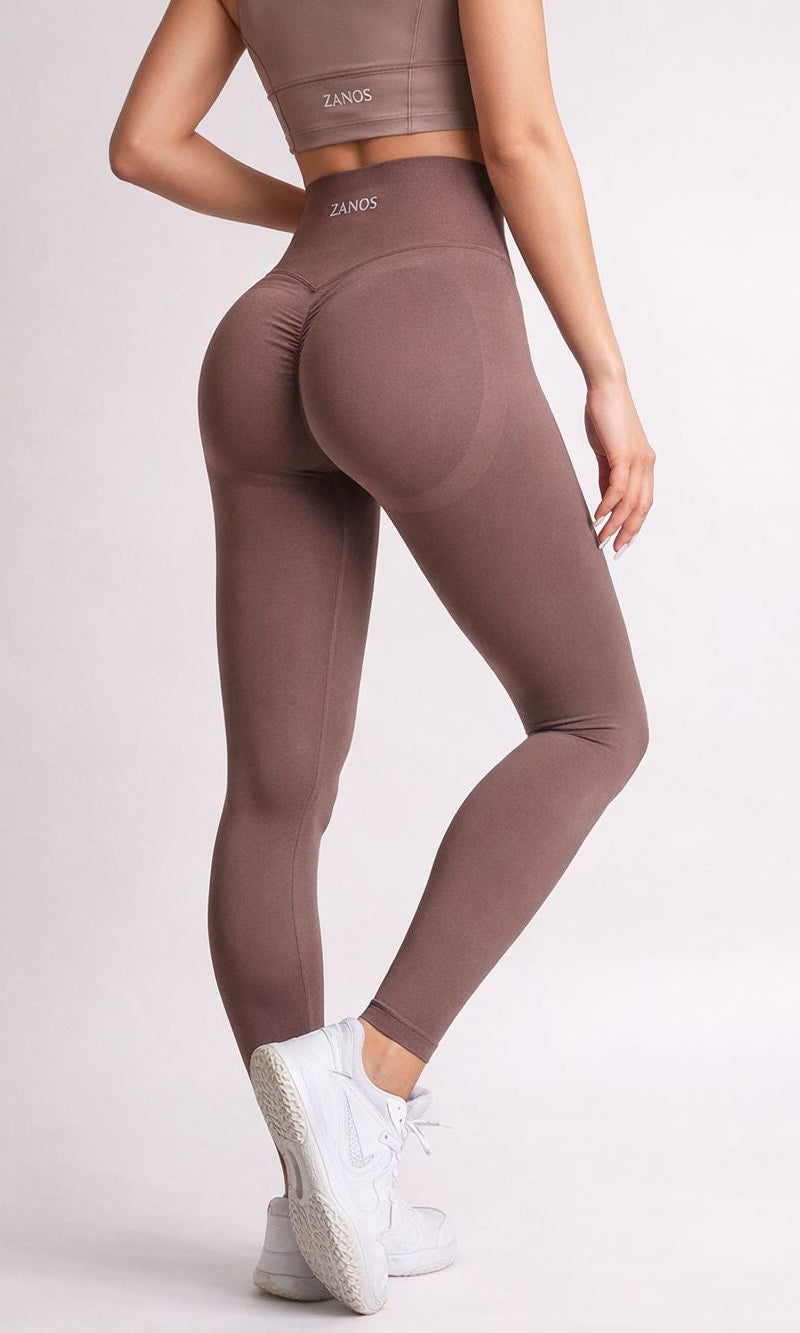
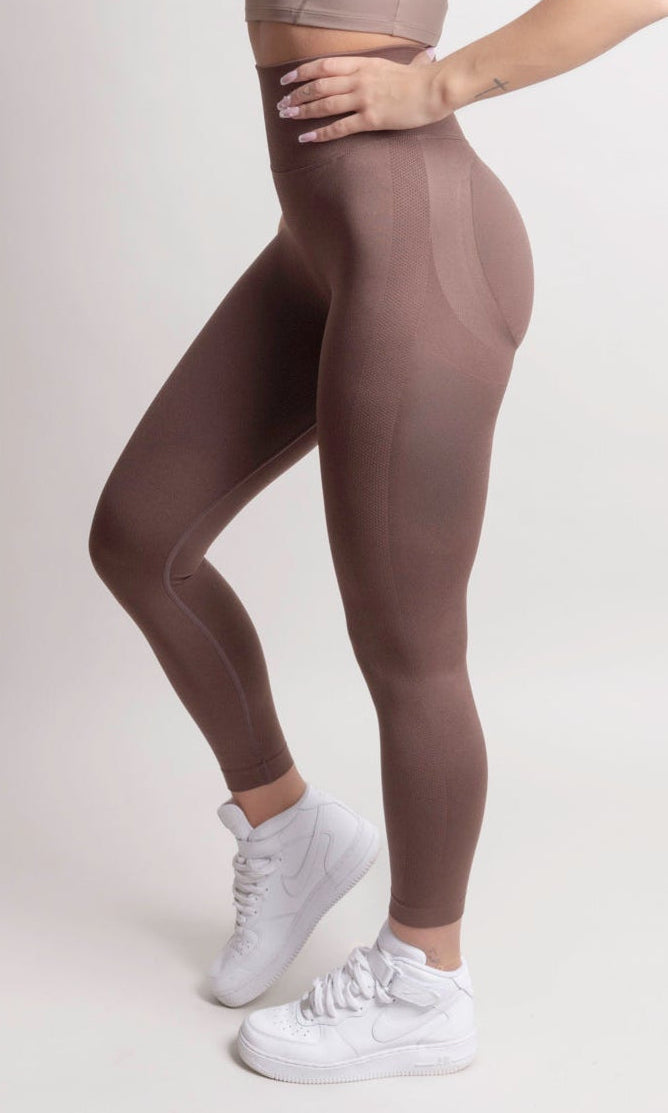
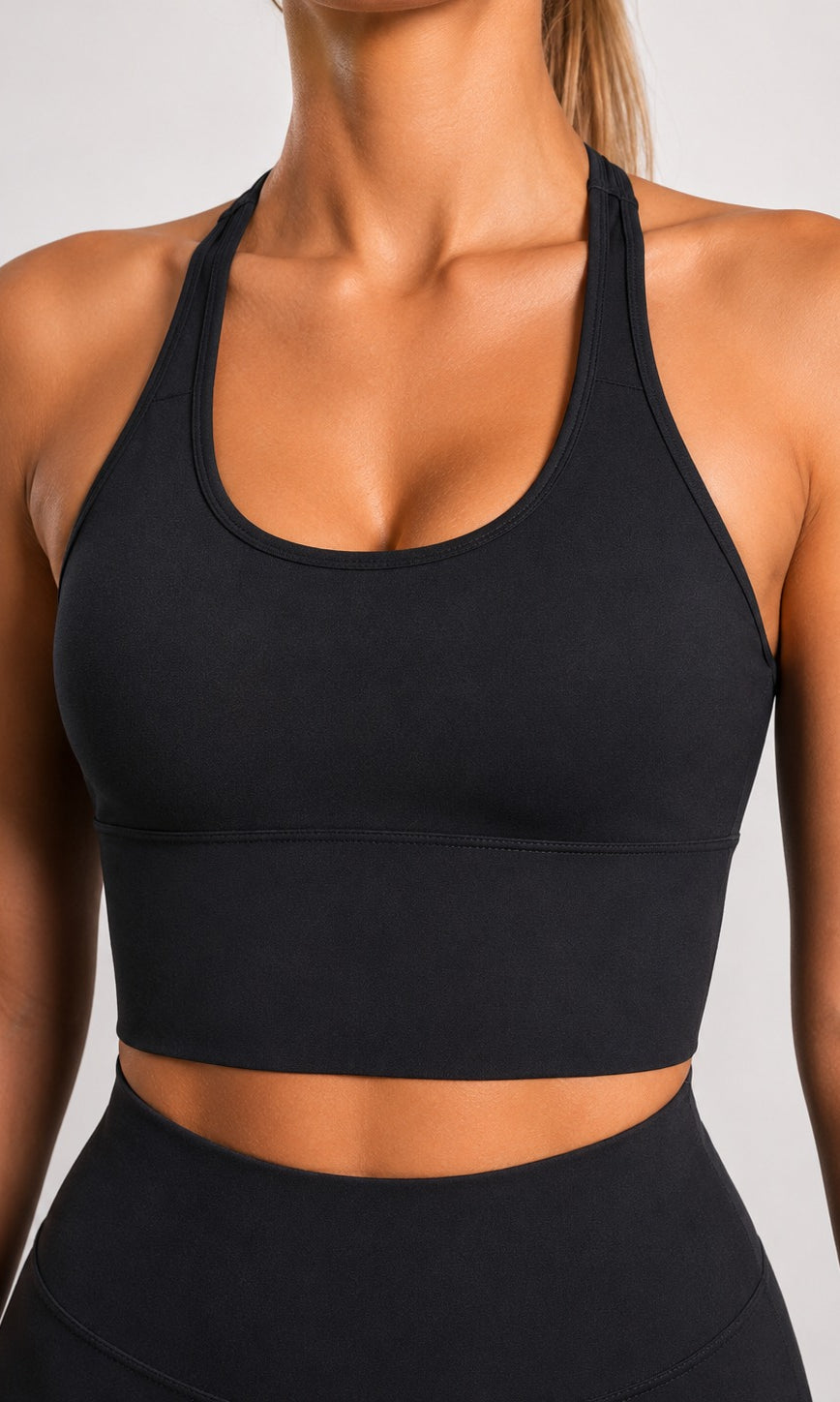
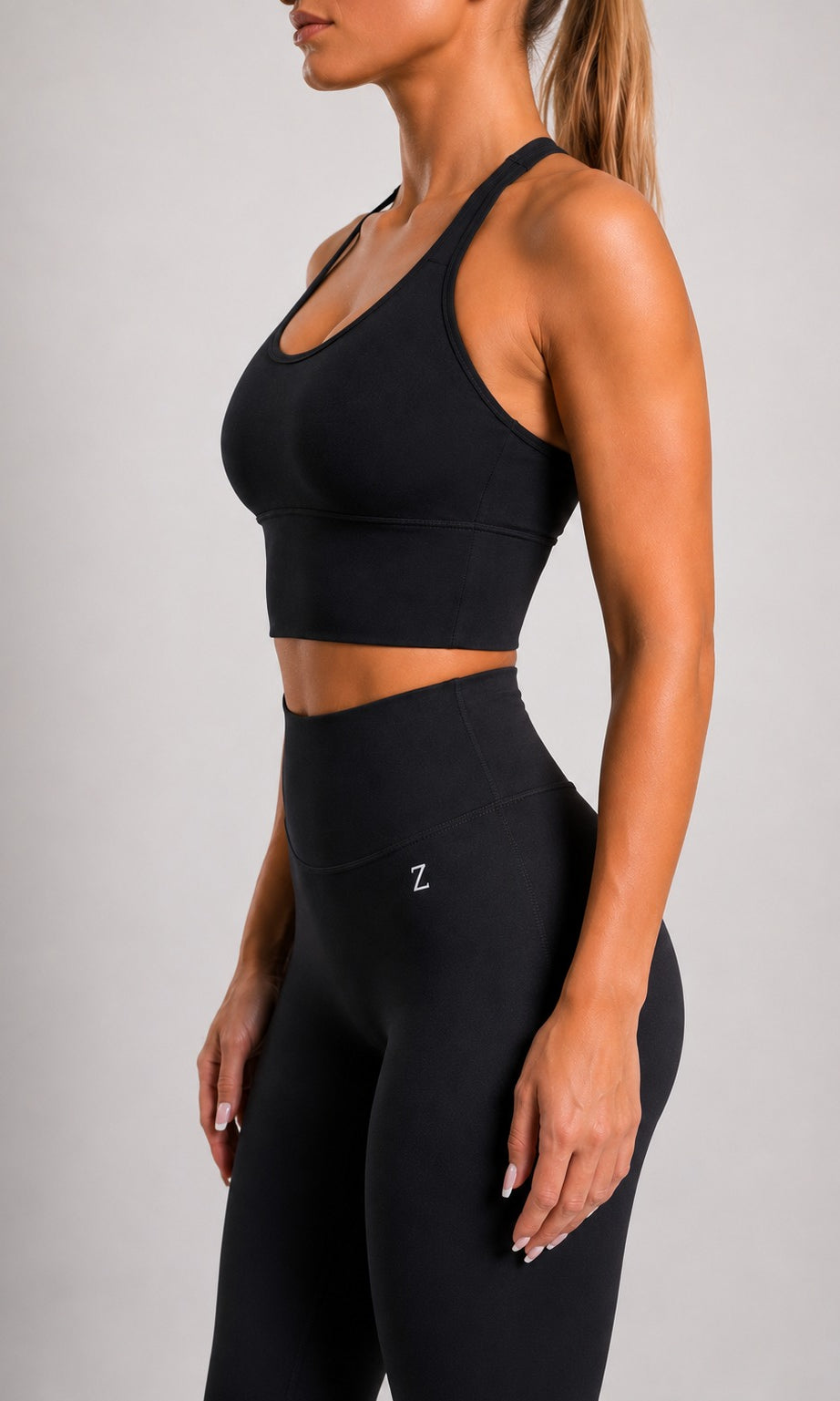
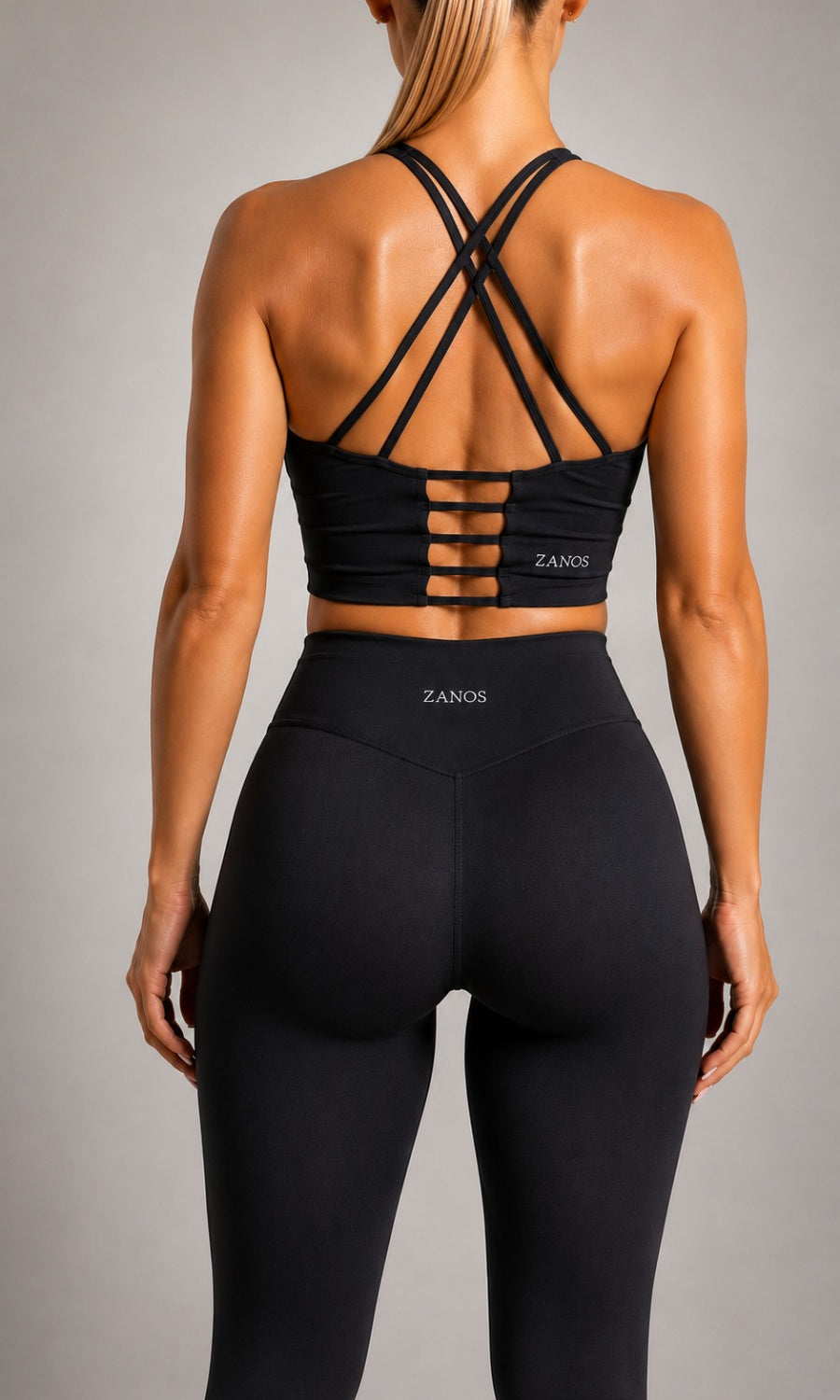
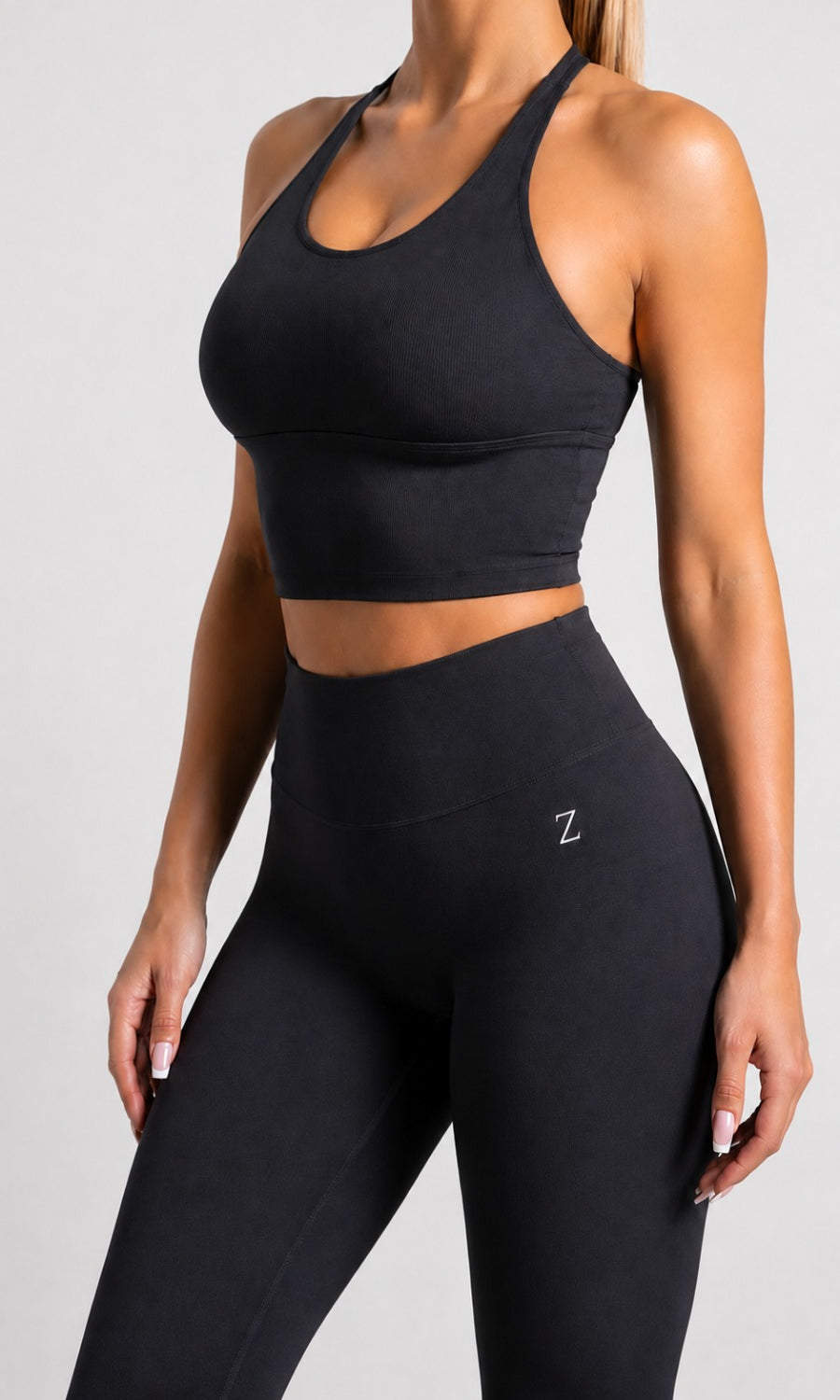
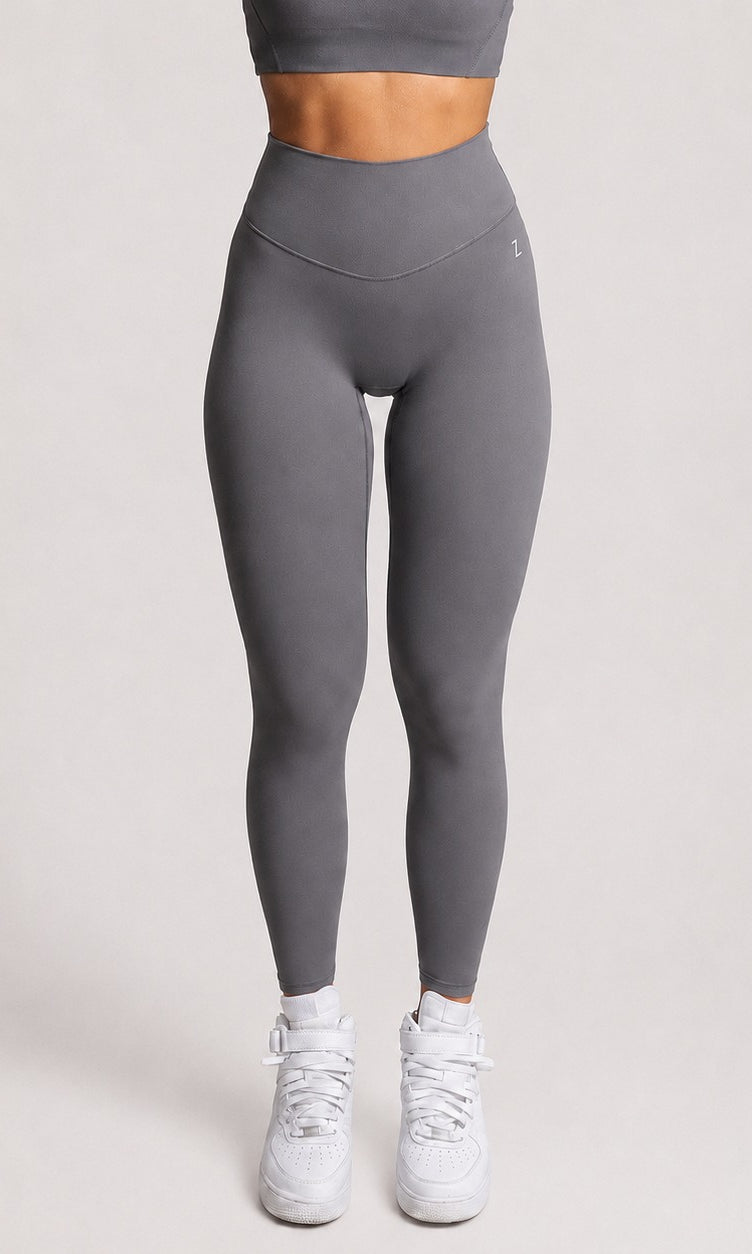
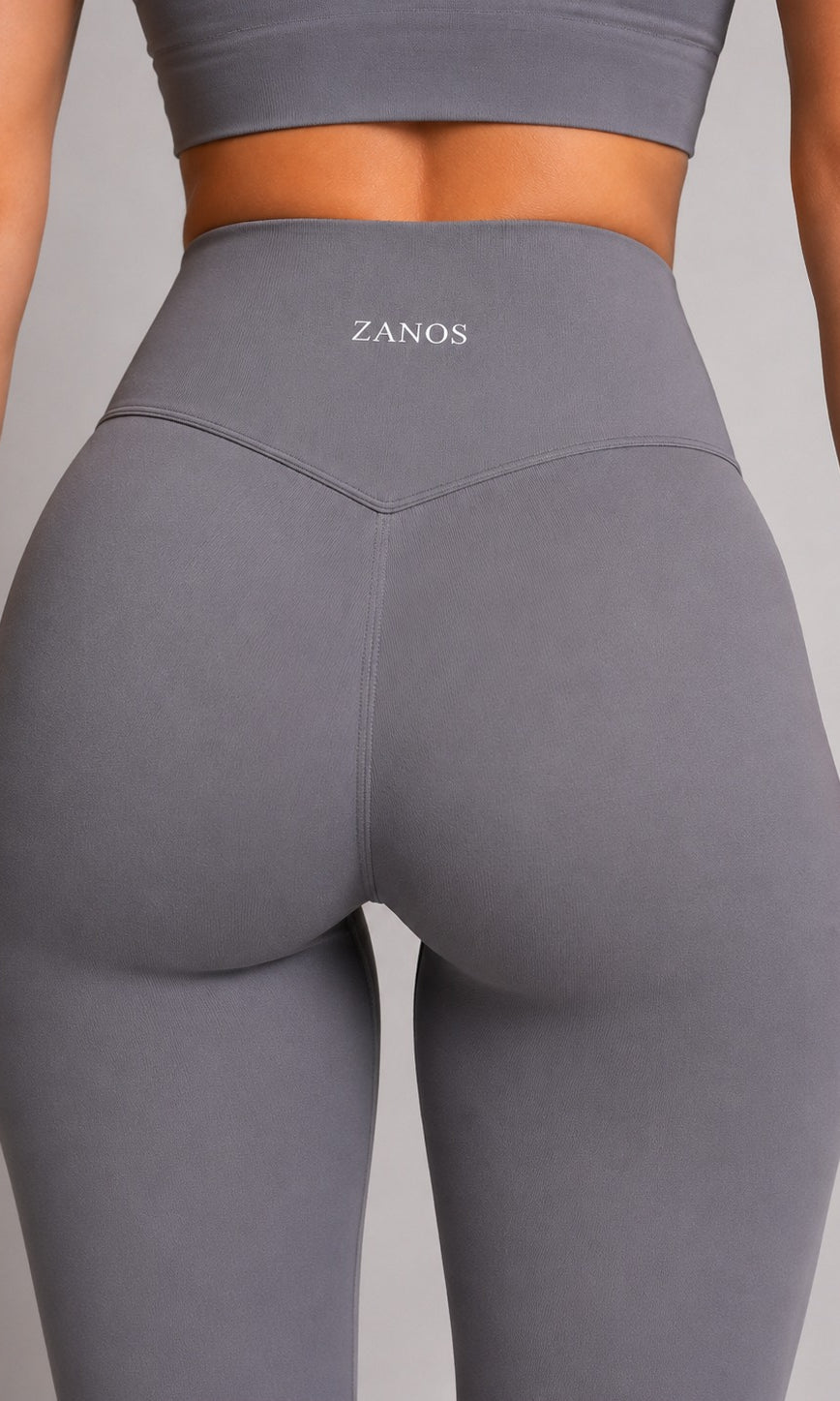
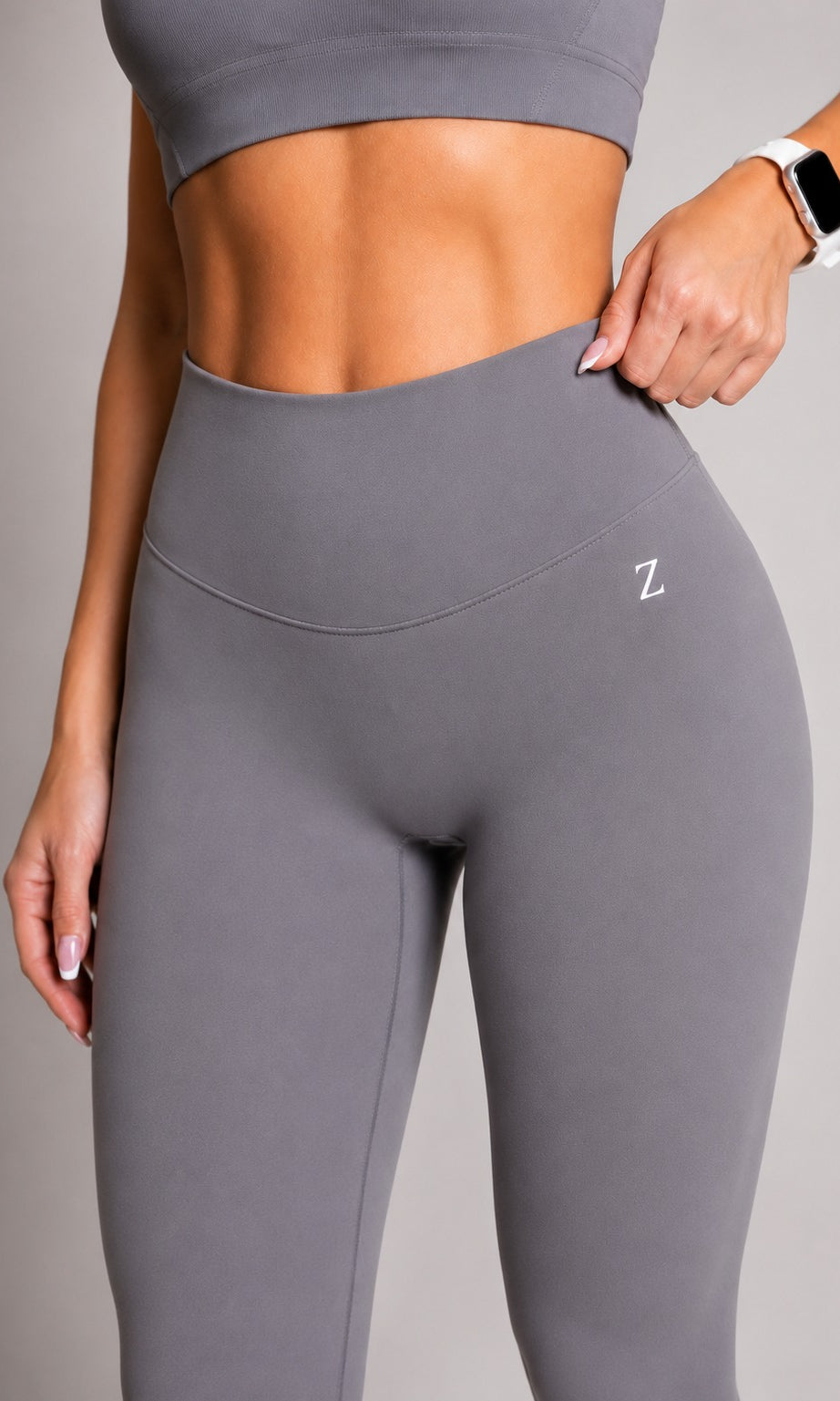
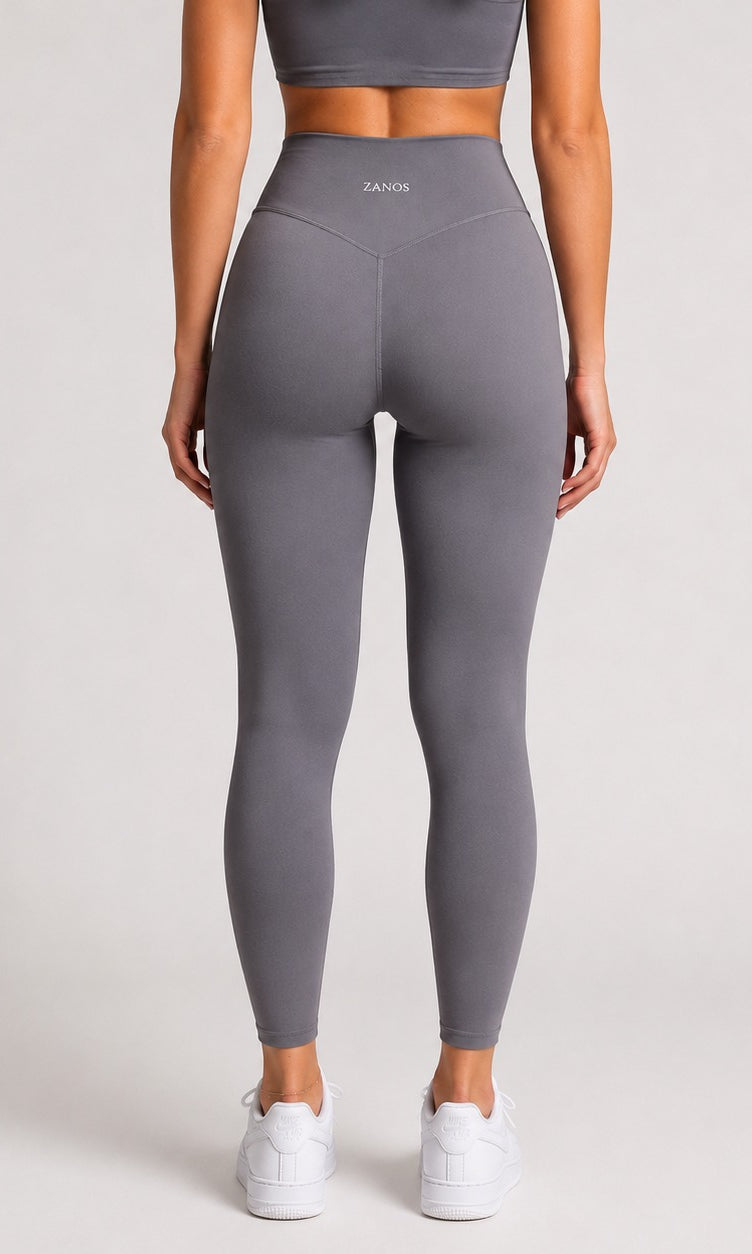
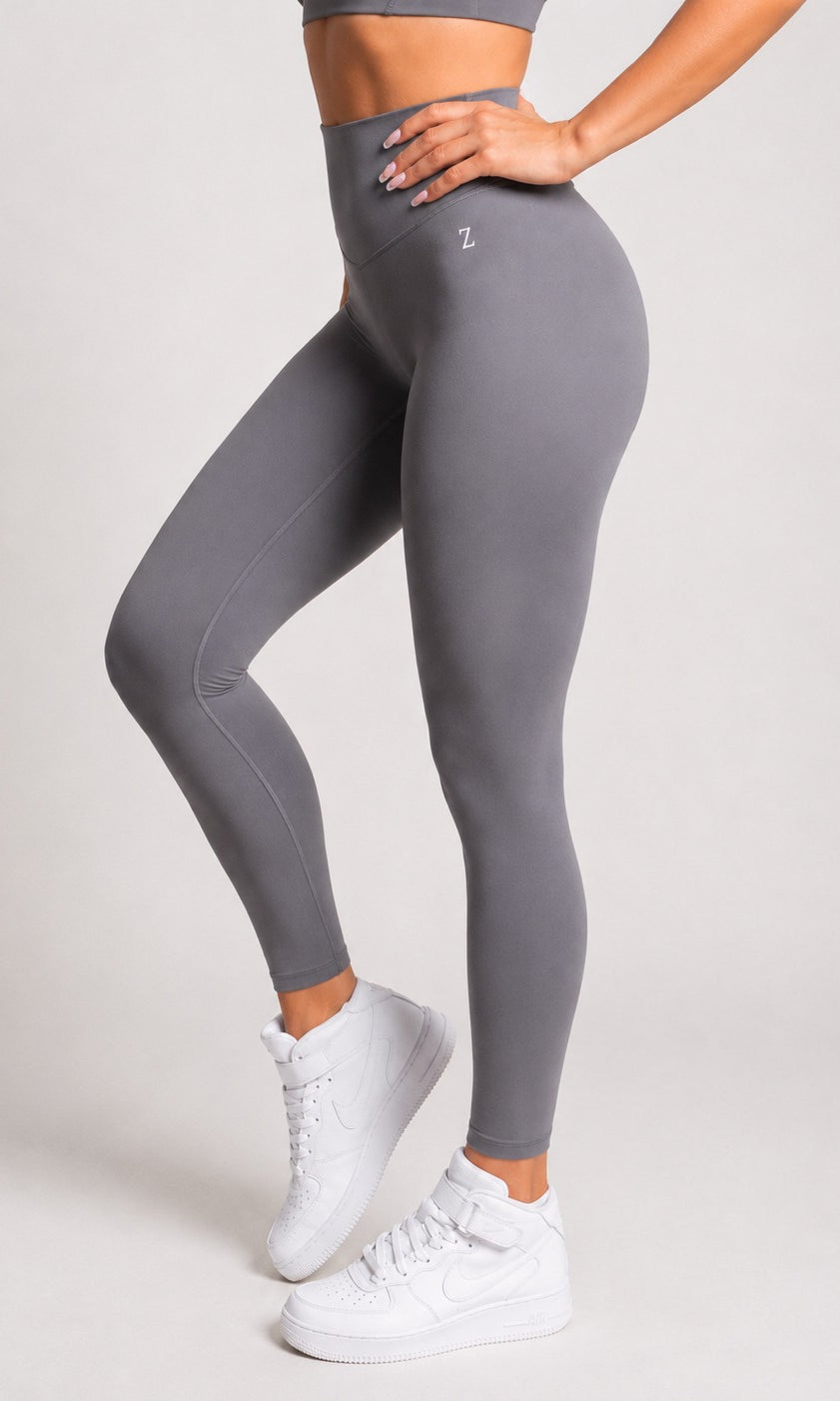
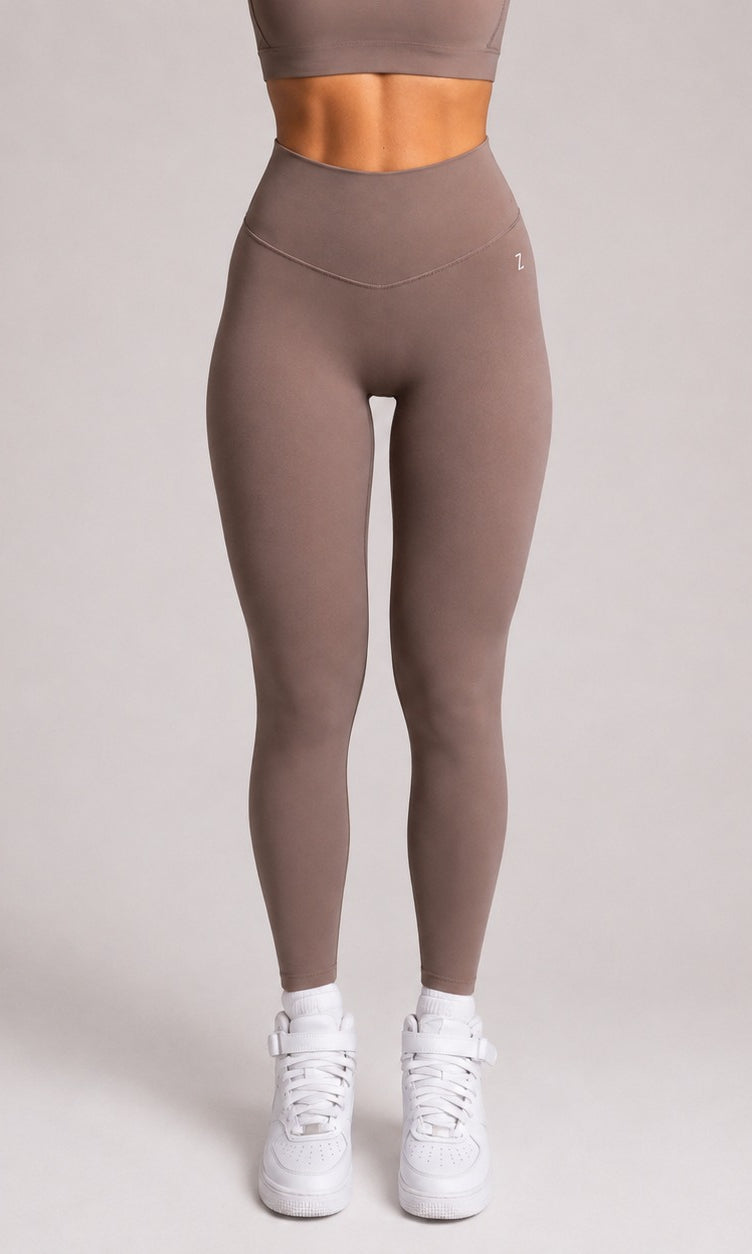
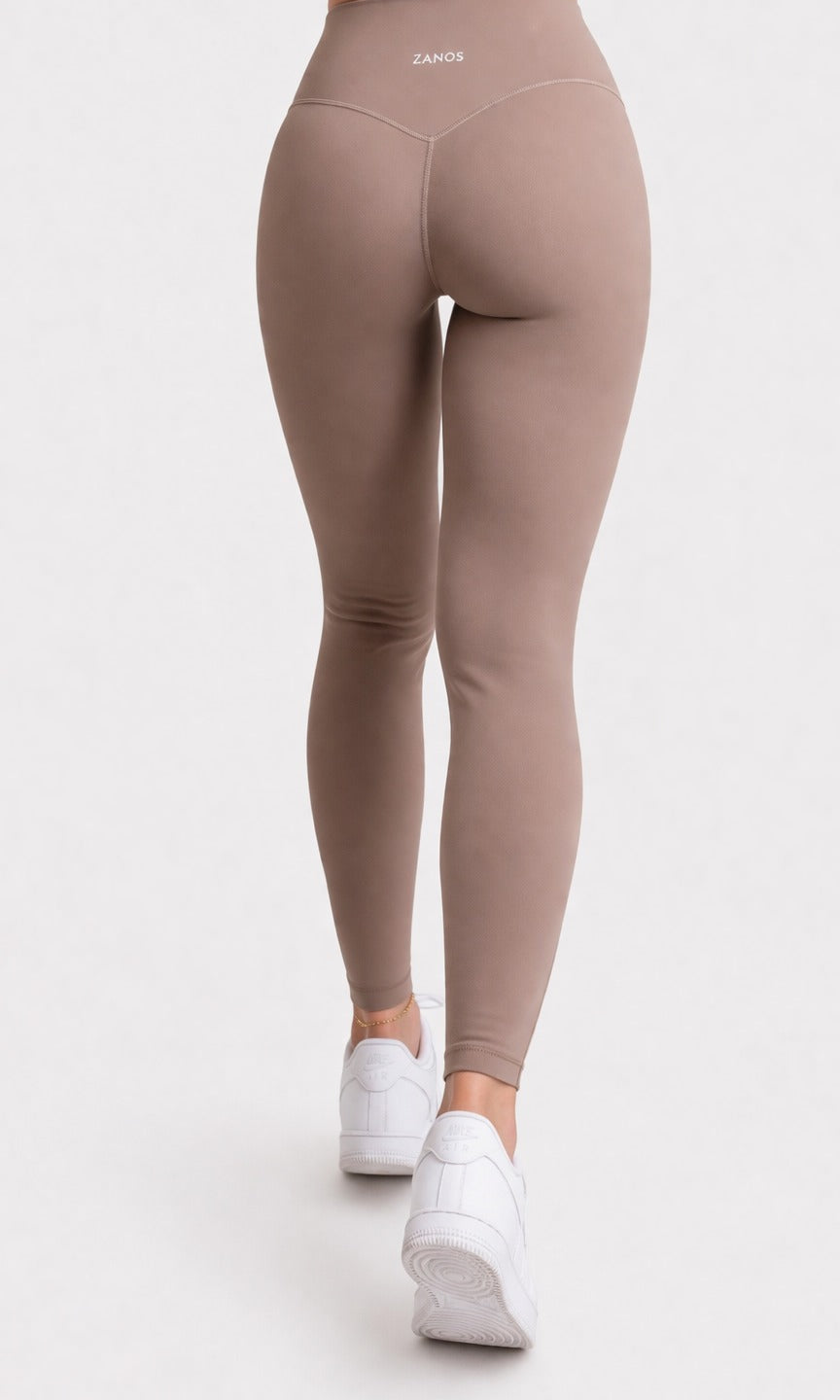
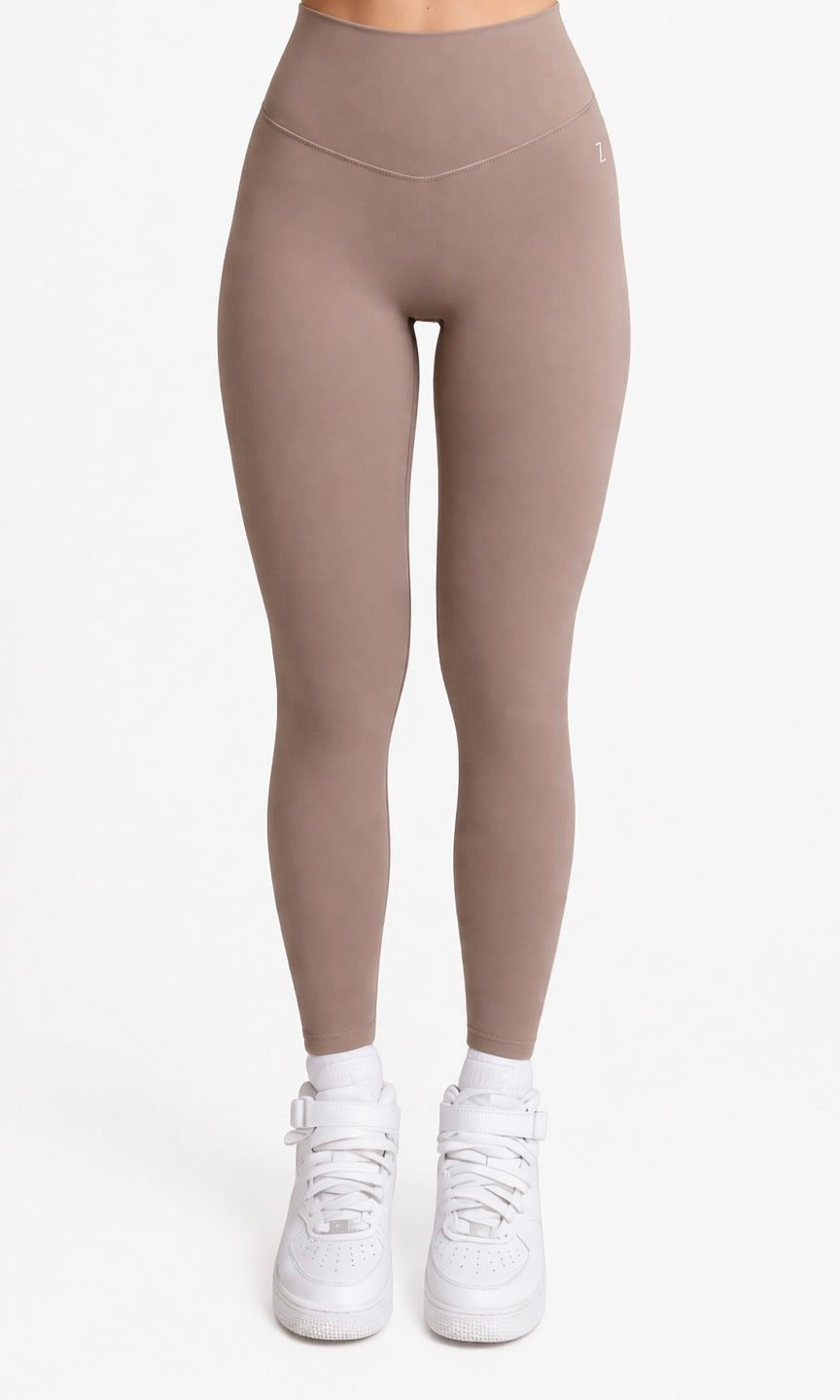
Leggings vs tights can look almost identical, especially in modern activewear, but the real difference becomes much clearer when you look beyond the name and examine the fabric, construction, fit and intended use.
Put two pairs of black, high waisted activewear bottoms next to each other and it may be almost impossible to decide which pair should be called leggings and which should be called tights.
One brand may describe a product as workout leggings. Another may sell an almost identical style as training tights. Add running tights, yoga leggings, seamless tights, scrunch tights and flare leggings into the mix, and the terminology becomes even less obvious.
That is because the words leggings and tights have different origins, while modern activewear has pushed the two categories much closer together.
So instead of asking only what a garment is called, the better question is:
What was it actually designed to do?

The simple answer
Traditionally, leggings are opaque, fitted bottoms designed to be worn as a garment on their own.
The word tights has historically also been used for thinner hosiery worn underneath other clothing.
But that definition changes when we talk about sportswear.
Terms such as training tights, running tights and gym tights usually describe proper workout bottoms made from technical stretch fabrics. In that context, tights can look and function almost exactly like what another brand calls workout leggings.
So in activewear, the name alone does not tell you enough.
You need to look at the fabric, construction, support and intended use.
Why do brands use both words?
Part of the confusion comes from language and shopping habits.
“Leggings” is widely used for everything from soft everyday bottoms to technical gym styles.
“Tights” is especially common in running and performance focused clothing.
This means a soft high waisted style might be sold as yoga leggings, while a firmer version designed for repeated movement could be described as training tights.
There is no universal industry rule forcing every brand to use the terms in exactly the same way.
That is why two products can be extremely similar even though their names are different.
Fabric tells you more than the name
If you really want to understand a pair of leggings or tights, start with the material.
Soft everyday leggings may prioritise comfort and flexibility.
Training styles usually need to handle considerably more movement. The fabric has to stretch when you squat, bend or run while still recovering its shape afterwards.
Some fabrics feel light and soft against the skin. Others have a denser, more supportive feel.
Neither automatically means better quality.
They simply suit different uses.
For yoga, you may prefer something soft and highly flexible.
For harder training, you may want a fabric that feels more secure around the body.
For everyday wear, comfort may matter more than technical performance.
Fit can completely change the experience
Two pairs made from similar fabric can still feel very different because of the pattern and fit.
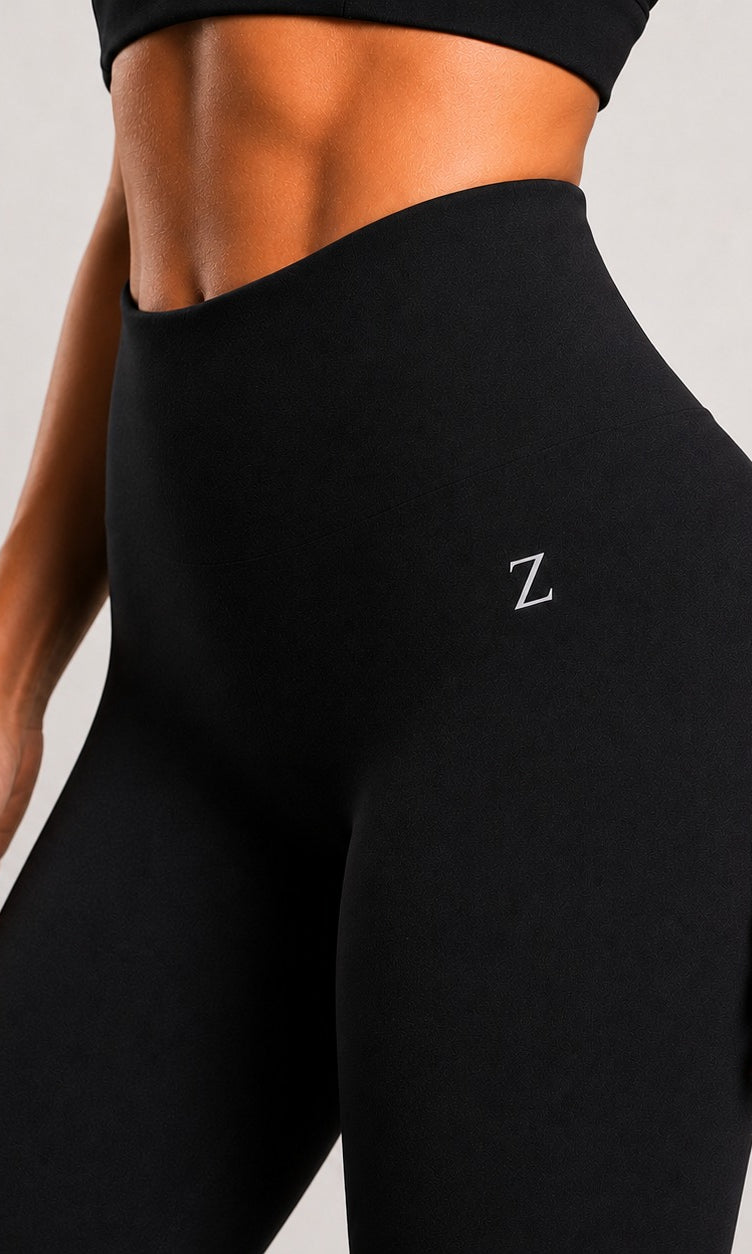
A high waistband can give a secure feel around the waist, but even high waisted designs vary.
Some are very soft.
Some feel firmer.
Some sit higher on the torso.
Others are shaped specifically to stay in place during movement.
This is why choosing between leggings and tights based only on the product name can be misleading.
The actual construction matters far more.
What does seamless mean?
Seamless tights or seamless leggings are designed using construction methods that reduce traditional seams.
That does not mean every seamless garment has literally zero seams.
Instead, the goal is generally to create fewer interruptions in the fabric and a smooth, flexible feel against the body.
Seamless construction has become especially popular in activewear because it can combine stretch, body contouring and comfort in one garment.
You will see both terms used:
seamless leggings
and
seamless tights
In most shopping contexts, they refer to the same basic type of product.
What about the front seam?
This is separate from whether a product is called leggings or tights.
Some activewear bottoms have a seam running through the front.
Others are designed without a front seam.
Removing it can create a cleaner appearance through the front and changes how the garment feels when worn.
It is a construction feature, not a separate definition of tights or leggings.
That distinction matters because customers sometimes compare two products based on their names when the real difference is actually in their pattern construction.
Scrunch tights vs scrunch leggings
This one is much easier.
Scrunch tights and scrunch leggings generally describe the same category.
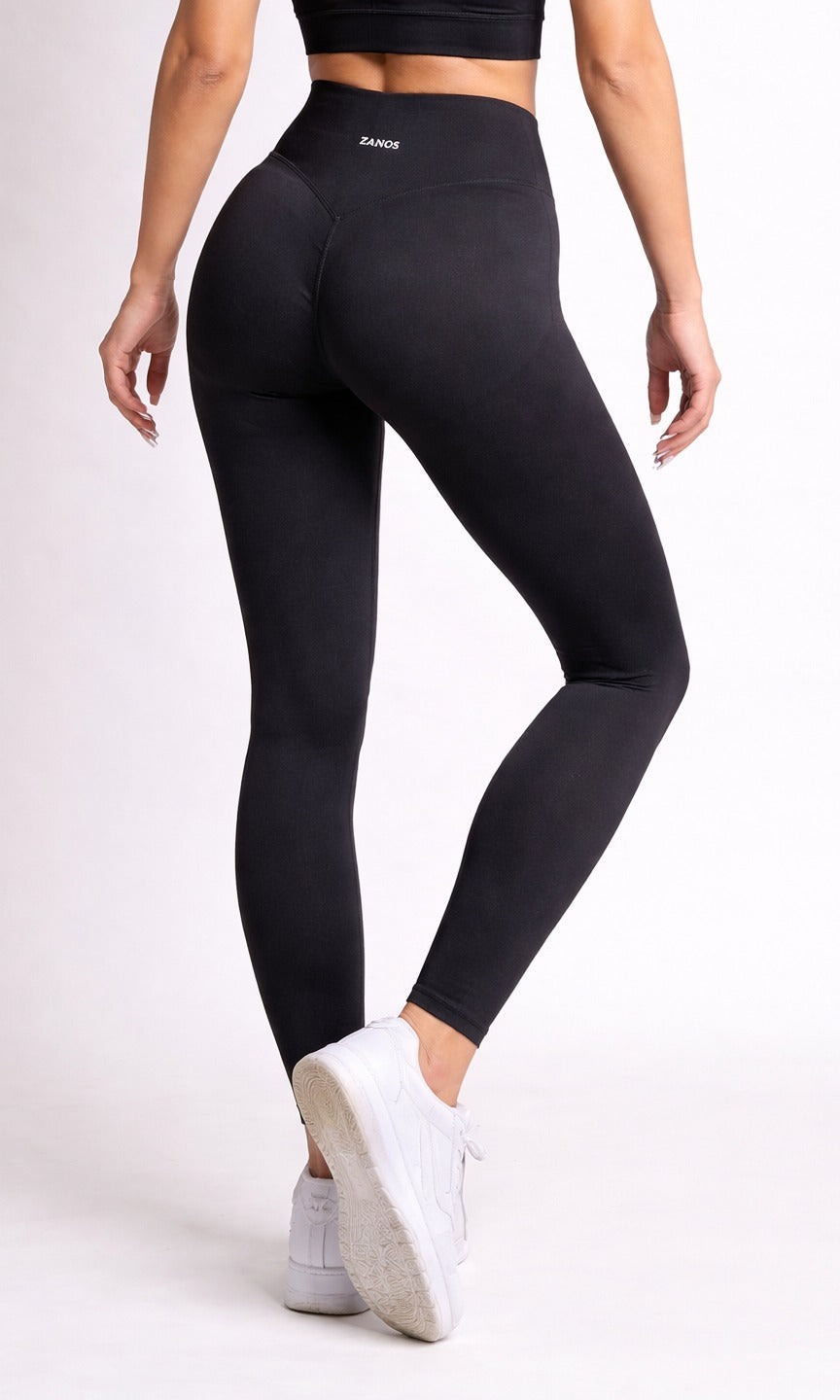
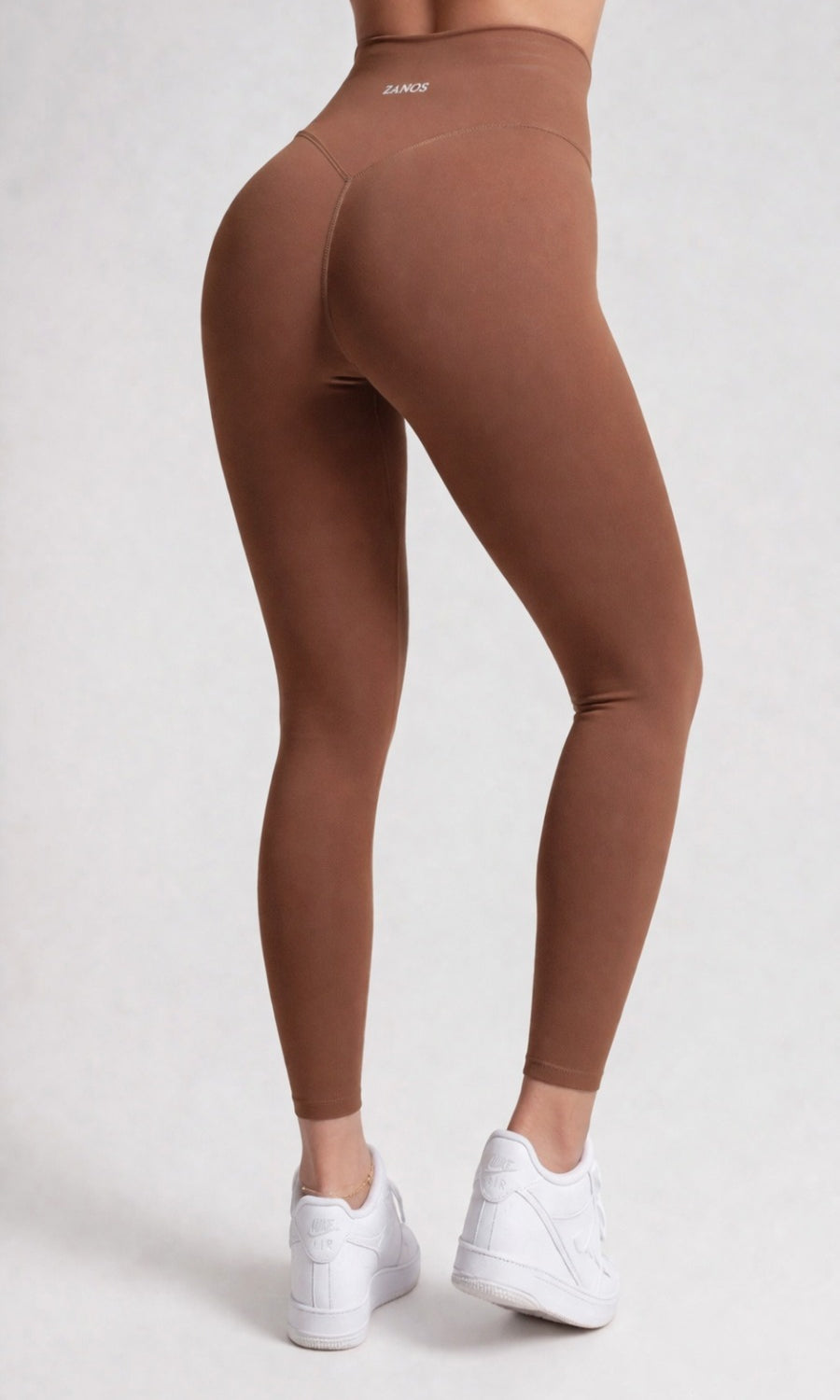
The important feature is the construction at the back of the garment.
A scrunch detail is designed to create more definition around the glutes. Depending on the model, the effect can be very subtle or much more pronounced.
So when comparing scrunch styles, look at the actual design rather than whether the brand uses the word tights or leggings.
The more useful questions are:
How noticeable is the scrunch?
How does the waistband fit?
Is the construction seamless?
How stretchy is the fabric?
Those differences will affect the product much more than the name.
Flare tights vs flare leggings
The same principle applies to flare styles.
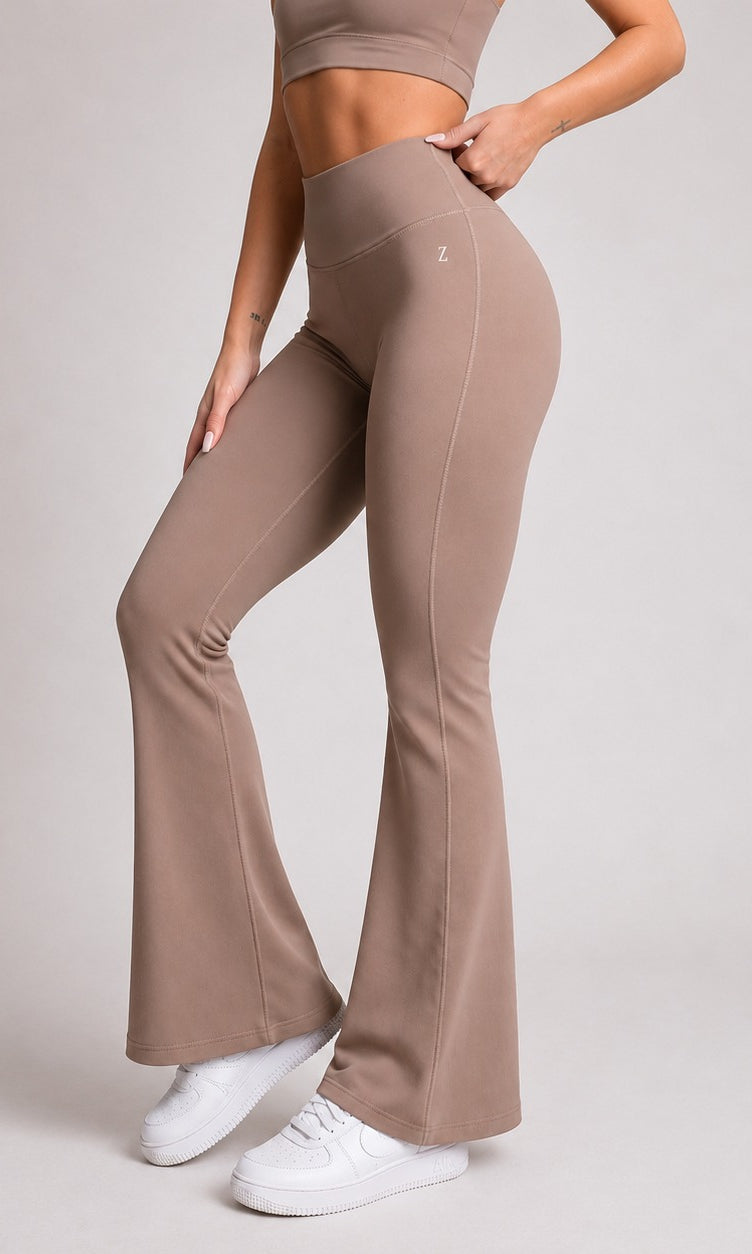
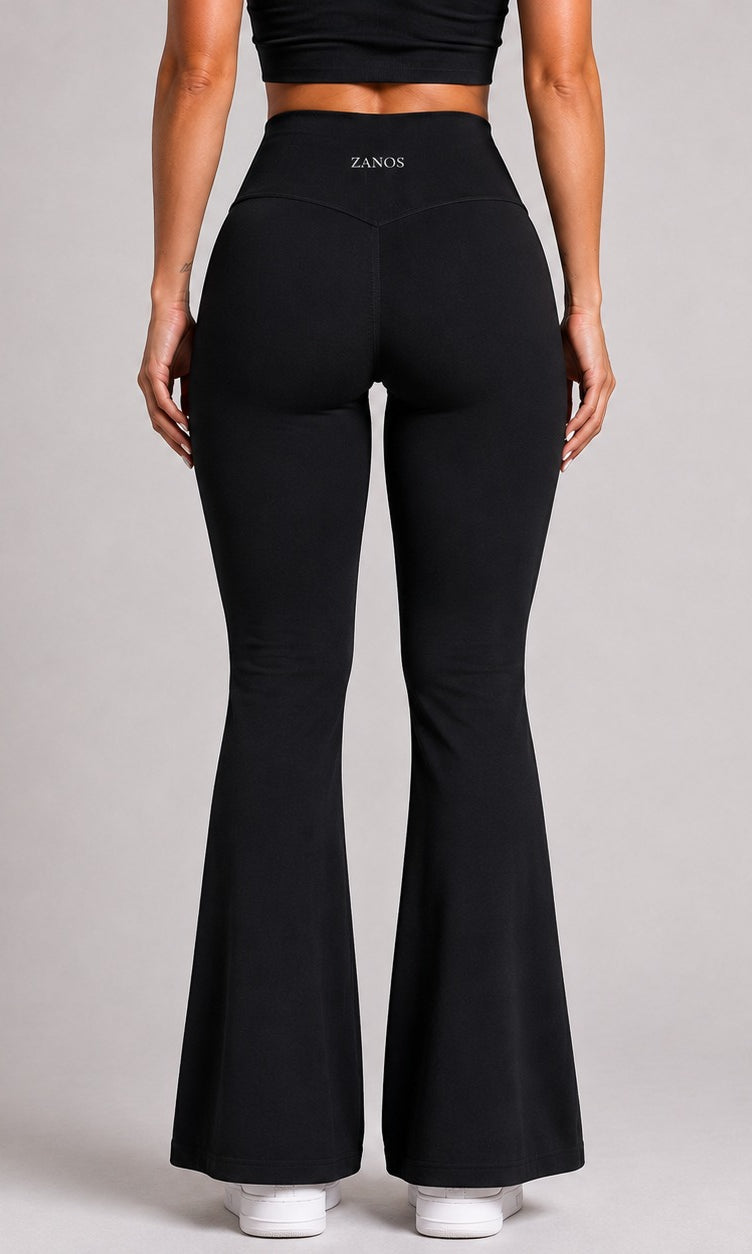
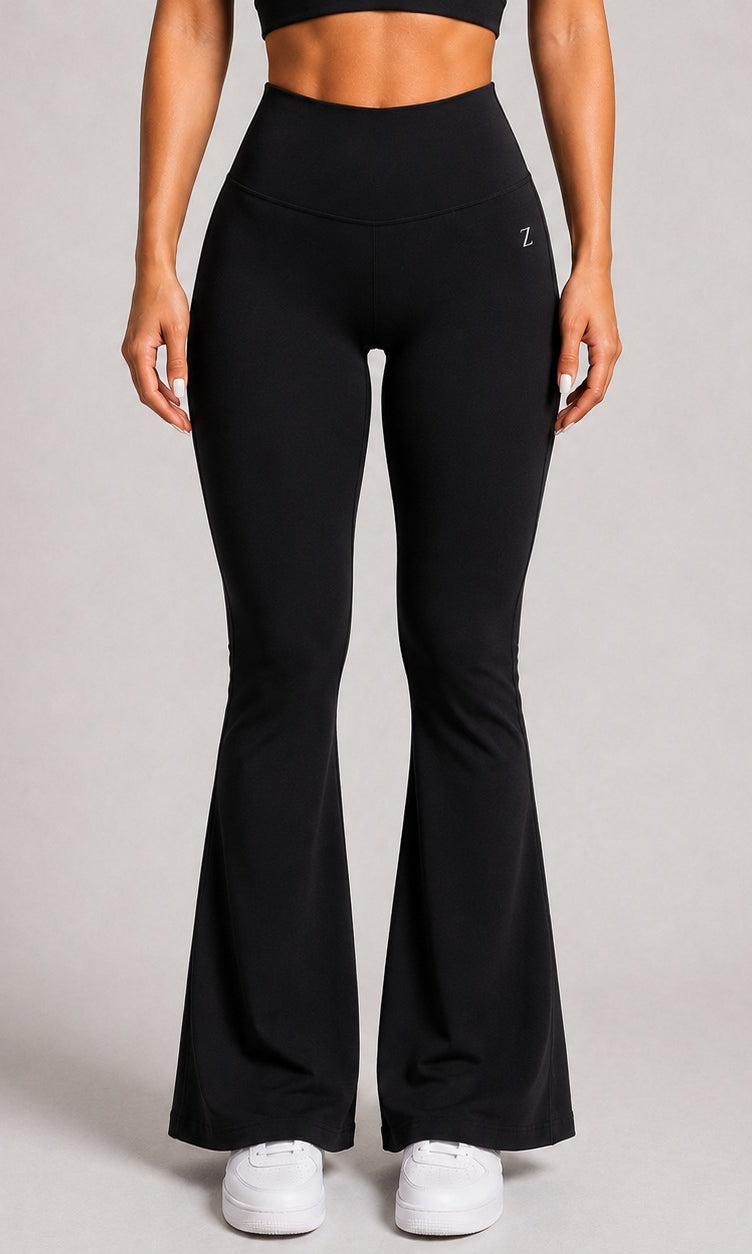
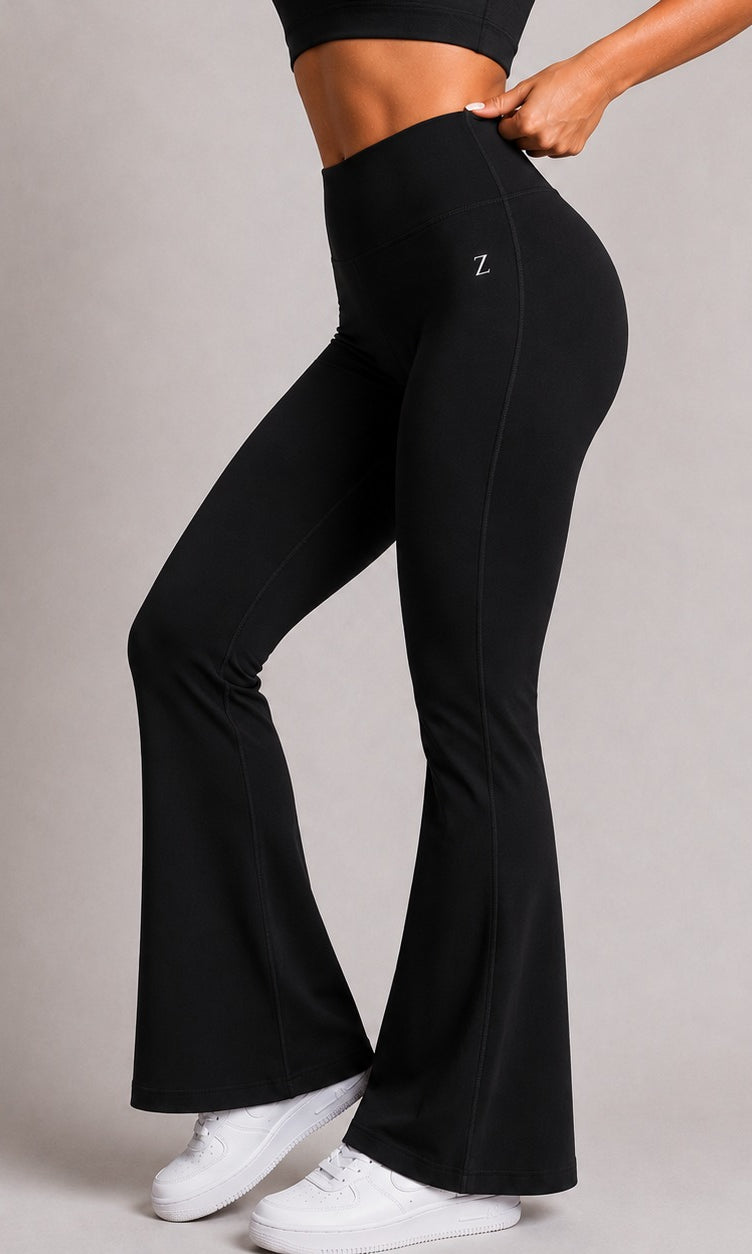
Flare tights, flare leggings and flared leggings are commonly used for fitted bottoms that follow the body through the waist, hips and thighs before becoming wider toward the lower leg.
Some flare models are designed primarily for everyday wear.
Others use activewear fabrics that make them suitable for yoga, studio training or lighter workouts.
Again, the silhouette tells you more about the garment than the choice between the words leggings and tights.
Yoga leggings and yoga tights
Yoga is another category where both terms appear.
The main priorities are usually freedom of movement, comfort and a fit that works through stretching and changing positions.
A yoga style may therefore feel softer than a more structured training tight.
But that does not mean every yoga legging is soft or every training tight is firm.
Fabric and construction still determine the final feel.
And a good yoga style can often work perfectly well for walking, everyday movement and other lower intensity activities too.
Training tights vs workout leggings
This is where the two terms overlap the most.
A pair of training tights and a pair of workout leggings may be virtually the same product.
Both can be:
high waisted
opaque
stretchy
full length
designed for exercise
made from technical fabrics
The word “training” simply gives the customer a clearer signal about intended use.
That makes training tights useful as a more specific category inside a broader leggings or tights range.
For example, someone shopping for tights generally may care about style first.
Someone specifically searching for training tights is already telling you what they intend to do in them.
That difference in intent matters even when the physical products overlap.
So where do running tights fit in?
Running tights are a good example of why the word tights still matters in sportswear.
Running involves repeated movement, so stability becomes particularly important.
A running focused design may prioritise a secure waistband, controlled stretch and features suited to movement.
Some models may also include pockets or other functional details.
That makes the term “running tights” much more descriptive than simply calling the product leggings.
It tells you why the garment exists.
Which should you choose?
Instead of asking whether tights or leggings are better, ask what you need the garment to do.
For everyday wear, comfort and styling versatility may matter most.
For yoga, look for freedom of movement and a fabric you enjoy wearing through different positions.
For training and running, consider how securely the waistband stays in place and how the fabric behaves during repeated movement.
For more demanding gym sessions, you may prefer a firmer construction that feels more stable.
Then look at design preferences.
Do you want scrunch?
Flare?
Seamless construction?
A high waist?
No front seam?
Those details usually make a much bigger difference to the experience than whether “leggings” or “tights” appears in the product title.
Are leggings and tights actually the same thing?
The most accurate answer is:
Sometimes.
In traditional fashion terminology, leggings and tights are different garments.
In modern activewear, however, the terms overlap heavily.
A technical pair of training tights can have far more in common with workout leggings than with traditional hosiery tights.
That is why the smartest way to shop is to look beyond the label.
Look at the fabric.
Look at the construction.
Look at the fit.
Look at what the garment was designed for.
Once you do that, the difference between leggings and tights becomes much easier to understand.
Frequently asked questions
What is the main difference between leggings and tights?
Traditionally, leggings are opaque fitted bottoms designed to be worn on their own, while tights can also refer to thinner hosiery. In activewear, however, training tights and workout leggings often describe very similar products.
Are training tights the same as leggings?
They can be. Training tights usually communicate that the garment is intended specifically for exercise, while leggings is a broader term that also includes everyday and lifestyle styles.
Are scrunch tights and scrunch leggings different?
Usually not in any meaningful way. Both terms describe fitted bottoms featuring a scrunch construction at the back. The individual fit, fabric and scrunch design matter more than the terminology.
Are seamless leggings the same as seamless tights?
In activewear, the terms often refer to the same category. Both describe fitted bottoms made using construction methods that minimise traditional seams.
Are tights or leggings better for the gym?
Neither term automatically means a better gym product. Look instead at the fabric, waistband, support, stretch and construction of the individual garment.
Why do some brands say tights and others say leggings?
There is no single naming standard across the activewear industry. Geography, branding and intended use all influence which term a company chooses.